@franalv7 Con lo subnormales que sois poco oro os robamos, que pena que nos hayamos quedado tanto el oro de América como con las ciudades españolas en África
🇪🇸 Adolfo Suárez, cuando Marruecos le amenazó con anexionar Ceuta y Melilla: "¿Sabes que podemos bombardear Rabat en 48 horas?" https://t.co/A0RDFUdeM8
Hispania existed as a Roman province 2200 years ago and as a Romano-Gothic kingdom 1500 years ago.
Even the most exaggerated claims of Moroccan continuity are dwarfed by the actual history of the Iberian peninsula.
@elalcazar_es Me encantaría que algún día se revelase cuantos políticos españoles están en nómina de países extranjeros, fácilmente el 70% del parlamento debe de estar comprado
@DrEliDavid@vox_es seguís a este tío. ¿Tenéis alguna explicación de este tuit? Supongo que viendo que ataca la integridad de España dejaréis de seguirlo
@Jafkech Que cojones vais a asfixiar ajajajajja que por nuestro país pasan el 85% de vuestras mercancías. Os podemos hundir literalmente. Por cierto, con barcos de pescadores no vais a asfixiar nada😂😂
Vaya, vaya...ahora Suecia junto con Finlandia e Italia...a lo mejor debemos empezar a sacar nuestros soldados del Báltico y traerlos a Ceuta. Los rusos no son el enemigo, es Marruecos.
Es que es doloroso de cojones. Los de mi generación hemos ido viendo cómo nos quitaban todo mientras íbamos creciendo. Mis recuerdos de infancia parecen ahora solo un sueño, la España que fue ha muerto. Y cuando ya no quede nadie de la generación de nuestros abuelos… en fin
Some people are asking why Spain still possesses territory in North Africa. A better question might be why North Africa is now Muslim and predominantly Arab.
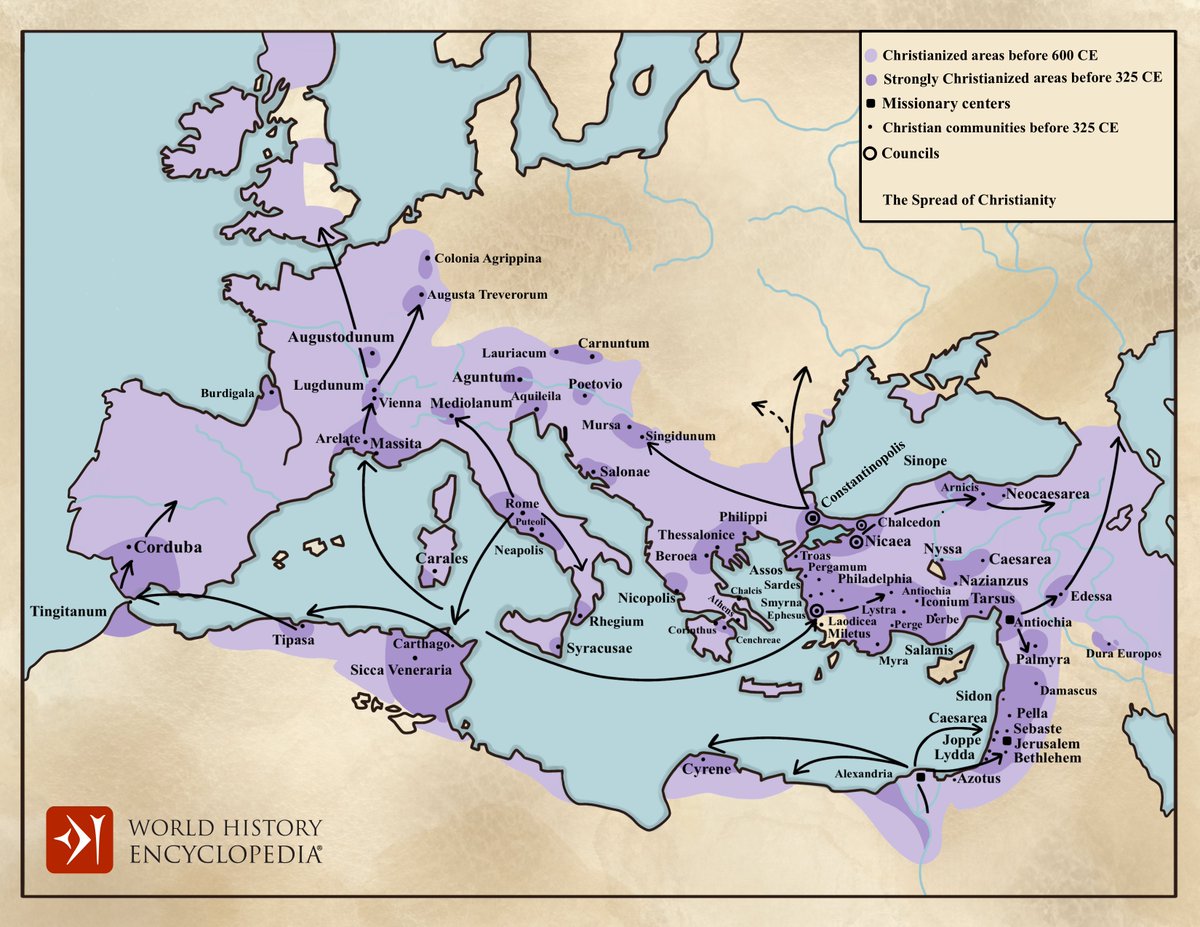
The Mediterranean coast of North Africa was part of the Roman Empire. During the early centuries of Christianity, the region became such a stronghold of the faith that one historian described it as the “Bible Belt” of the ancient world. Three popes came from North Africa, and Latin became the dominant language in urban areas. This strong community of Christians in North African actually contributed significantly to the early spread of the faith into the Iberian Peninsula.
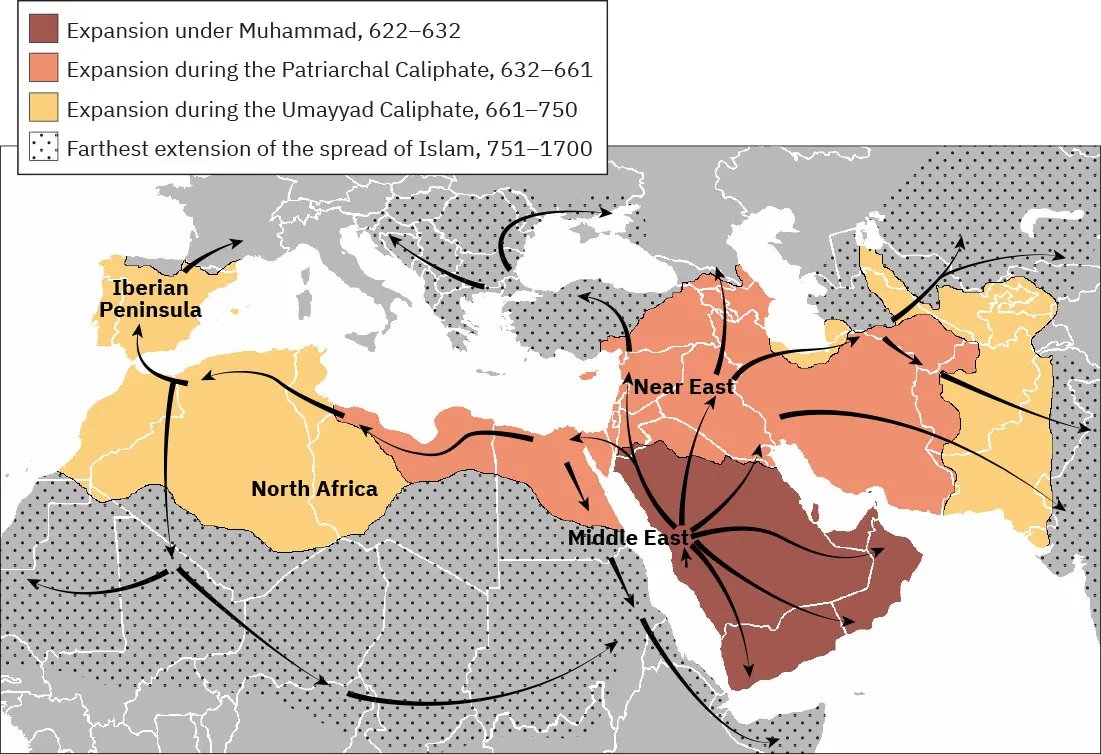
The character of the region began to change after Muslim Arab armies conquered the region in the seventh century. Those same forces also crossed into Europe, with the Moors conquering most of the Iberian Peninsula. Christianity survived in North Africa for several centuries but steadily declined as Christians faced forced conversion, persecution, and exile. Spanish and Portuguese efforts to recover territory in North Africa met with limited success. One notable exception was Ceuta, which Portugal captured in 1415. Ceuta held an important strategic location, as it had been a base used to launch the attacks on Spain and Portugal that led to the long subjugation by Muslims there.
After its conquest by Portugal, Ceuta again became overwhelmingly Christian. It later came under the Spanish Crown in the late 16th century. Morocco besieged the city from 1694 to 1727 in one of the longest sieges in history, but Spain retained control. Since Morocco gained independence in 1956, it has continued to dispute Spanish sovereignty over the territory.
Over the centuries, Muslims gradually returned to Ceuta. Economic migration, combined with higher birth rates among the city’s Muslim population, has substantially changed its demographics. Today, Muslims make up roughly half of Ceuta’s population.
Looking at the last 2,100 years of Ceuta’s history, the city has spent considerably more time as part of the Christian European world than under Arab-Muslim rule. It has never been part of the modern Kingdom of Morocco. The claim that Muslim-majority Morocco has an inherent right to Ceuta because it is located in North Africa ignores the greater part of the region’s history.