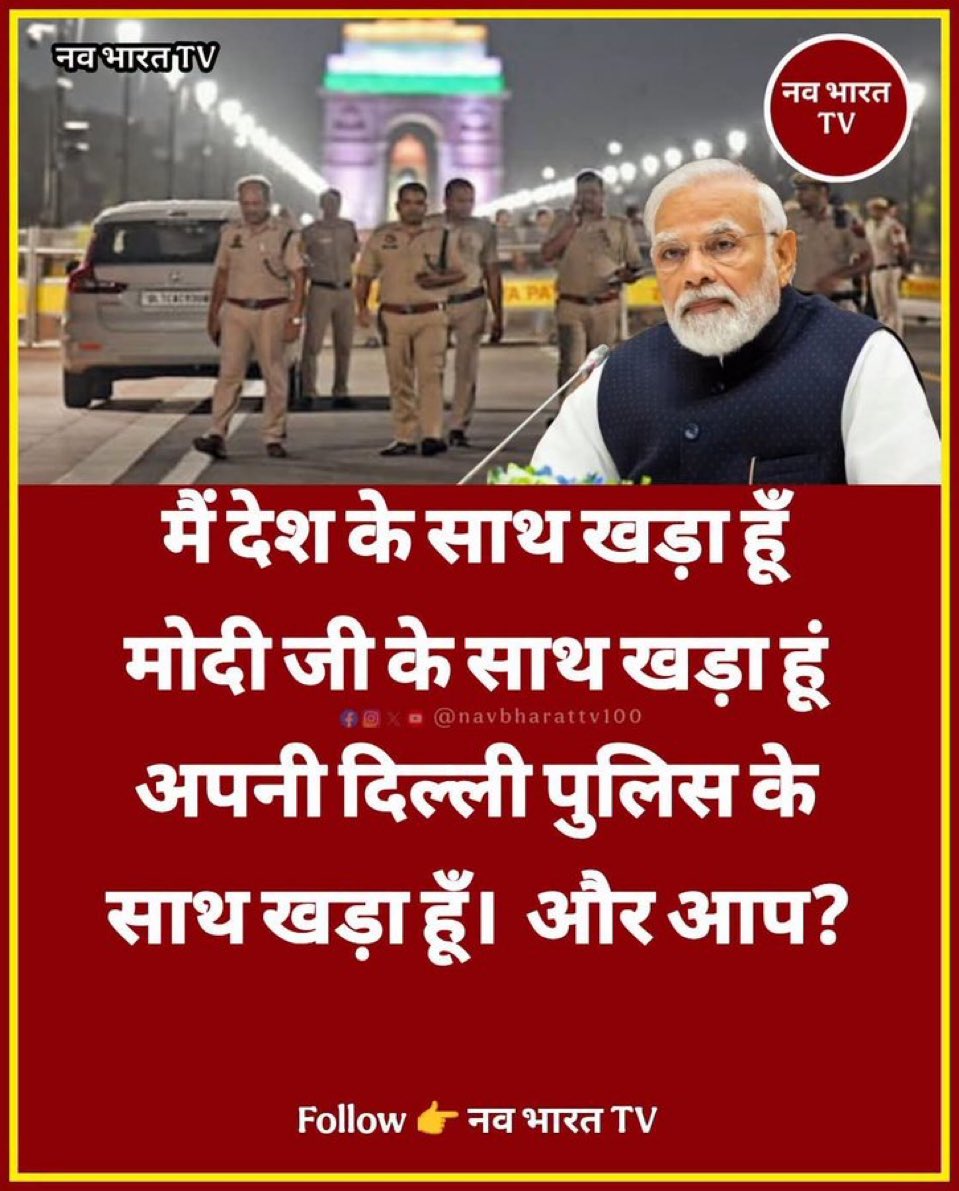
Stop turning fringe figures into household names. Governance is about solving problems not manufacturing celebrities.
Every delay. Every press conference. Every "big expose." Every headline.
You don't always weaken your opponents, you sometimes build their brand.
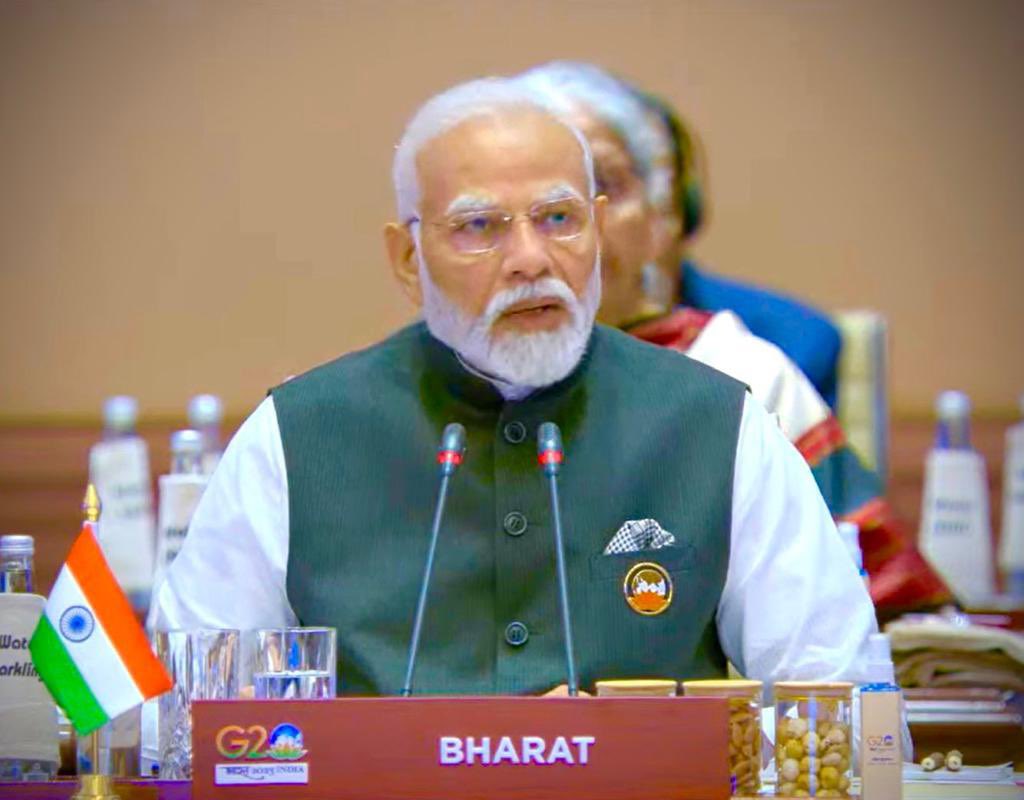
Ppl say why @narendramodi ji was sleeping for 20 days
Let me tell you Shri Krishna can end war in 18 minutes but he let it go for 18 days
Reason
To establish dharma, adharm should to be exposed fully
Jai Shri Krishna
VEDAS ARE PYRAMIDS OF CONSCIOUSNESS MADE OF ETERNAL MANTRAS ARISING FROM PRANAVA-OM
VEDAS TRANSCEND TIME AND SPACE UNFOLDING THE ETERNAL AND INFINITE WITHIN AND AROUND US.
LEARN TO CHANT THE VEDAS AND MEDITATE UPON THEM IN YOUR HEART AND YOU WILL GO BEYOND ALL IGNORANCE, DEATH AND SORROW.
SRI VEDA PURUSHAYA NAMAH!
NGO scamster Sonam Wangchuk (son of Congress politician Sonam Wangyal), who protested against Neet paper leaks, never fasted to protest against numerous paper leaks in this academic year (2025-2026) across INDI governed states!!
Sonam Wangchuk married Rebecca Norman in 1996, an American who had come to Ladakh to volunteer at SECMOL (Students' Educational and Cultural Movement of Ladakh).
Rebecca Norman had connection with the Ford Foundation.
From @skamaraj32
With the intention of killing Lord Krishna and Balarama, Jarasandha attacked Mathura seventeen times.
However, on every occasion, Lord Krishna completely destroyed Jarasandha's army but deliberately spared Jarasandha's life.
Each time he returned defeated, Jarasandha would travel across the land, meet the kings who were hostile to Krishna, and unite them for another war against Him.
One day, unable to understand this, Balarama asked Lord Krishna:
"Why do you spare Jarasandha's life every single time?"
Smiling, Lord Krishna replied:
"There is a clear purpose behind letting Jarasandha live. He himself gathers together all the unrighteous and hostile kings from across the world and brings them before us. This enables us to destroy all those evil rulers in one place. If we were to kill Jarasandha now, we would instead have to travel to every corner of the world to search for each of those unrighteous enemies and eliminate them one by one."
"Whenever righteousness declines and unrighteousness rises, I manifest Myself."
— Bhagavad Gita 4.7
A Sadhu walking calmly through a pride of lions, in his eternal journey of Sanatan deep in the isolated forests of Gir......
There is not a soul to record or witness this incidence, no display of bravery or courage for miles around......
Just the eternal journey of Sanatan.🚩🚩🚩🙏
🕉️ Antaḥkaraṇa Chatuṣṭaya
The Four Instruments of the Inner Mind
Have you ever wondered why your mind wants one thing, your heart feels another, and your inner voice quietly tells you something completely different?
According to Sanātana Dharma, that's because what we casually call the "mind" is not a single entity.
The ancient sages described the Antaḥkaraṇa (the Inner Instrument) as having four distinct functions, each responsible for a different aspect of how we think, feel, remember, and make decisions.
• Manas (Mind)
Manas is the part that receives information from the senses. It thinks, imagines, questions, and constantly moves between different possibilities.
"Should I do this... or should I wait?"
That endless inner conversation is the work of Manas.
• Buddhi (Intellect)
Buddhi is the faculty of discrimination, wisdom, and sound judgment. It weighs the options and decides what is right.
When confusion settles and clarity arises, it is Buddhi taking the lead.
• Ahaṅkāra (Sense of "I")
Ahaṅkāra is our sense of individuality—the feeling of "I" and "mine."
Contrary to popular belief, it isn't inherently negative. It allows us to function as individuals. It becomes a source of suffering only when we mistake our temporary identity for our true Self.
• Citta (Memory & Impressions)
Citta is the storehouse of memories, experiences, emotions, and Saṁskāras (deep mental impressions).
Every thought, action, and experience leaves an imprint in Citta, quietly shaping our habits, reactions, and future choices.
How Do They Work Together?
Imagine you're walking through a garden and notice a beautiful flower.
• Manas notices the flower.
• Citta brings back memories of a similar flower you've seen before.
• Ahaṅkāra says, "I like this."
• Buddhi decides whether to pick it or simply admire its beauty.
Every experience in our lives is shaped by the harmony—or conflict—between these four.
The goal of Yoga and Vedānta is not to silence or destroy the mind, but to understand, refine, and purify the Antaḥkaraṇa, allowing the light of the Ātman to shine without obstruction.
When Manas becomes calm, Buddhi becomes clear, Ahaṅkāra becomes humble, and Citta becomes pure, the seeker naturally moves closer to Self-realization.
Scriptural References
• Vedānta Philosophy
• Tattva Bodha by Ādi Śaṅkarācārya
• Pañcadaśī by Vidyāraṇya
• Sāṅkhya Philosophy
• Upaniṣadic teachings on the Antaḥkaraṇa