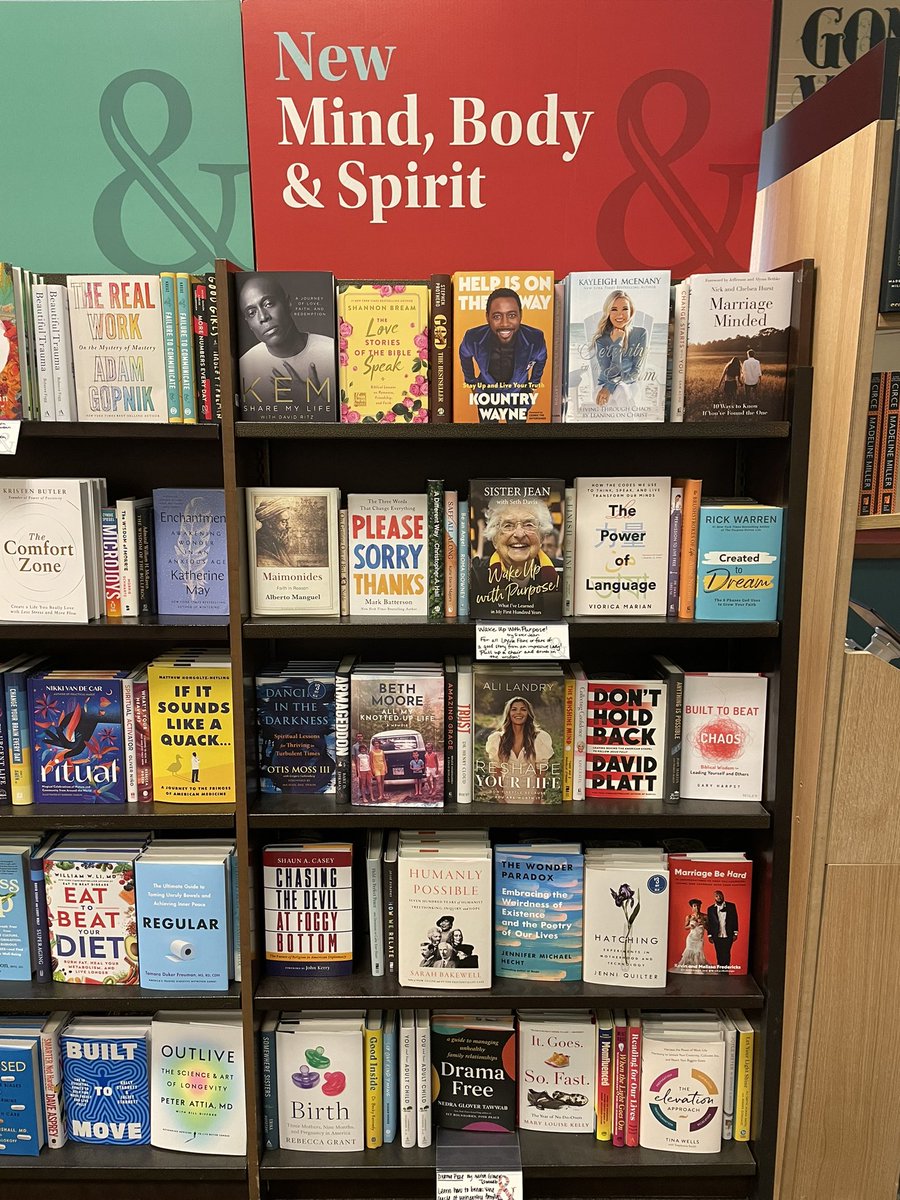
“Multilingualism can trigger connections between different ideas, an important feature of ingenuity.”
Excited to share the piece I wrote with @VioricaMarian1 and Matias Fernandez-Duque!
The surprising creative power of the multilingual brain https://t.co/YY48pNl2LQ
Congratulations to our lab's postdoctoral and PhD trainees starting their first tenure-track professor positions this academic year - Dr. Ashley Chung in the Department of Psychology at the University of Manitoba in Canada, Dr. Sirada Rochanavibhata in the Department of Child and Adolescent Development at San Francisco State University, Dr. Aya Inamori Williams in the Department of Counseling Psychology at Santa Clara University, and Dr. Peiyao Chen in the Department of Psychology at The College of Wooster. So proud of the wonderful work you are doing and excited for your next chapter! We in the Northwestern Bilingualism and Psycholinguistics Lab will continue to cheer you on and support you from afar. Have a great first year!
#academia #womeninscience
🚨 ATTN💡marginalia science is hosting the second installment of our community symposium at boston college! we will select 3 early career speakers from psychology, philosophy, and related disciplines.
https://t.co/y1V4TOOe4K
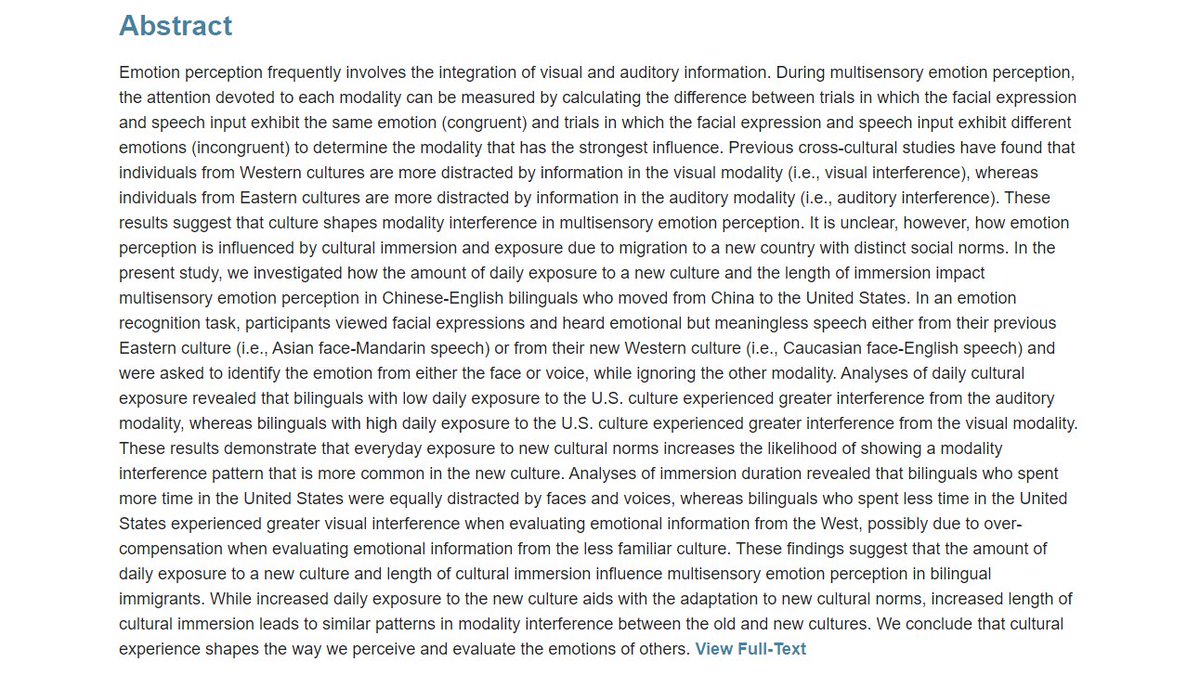
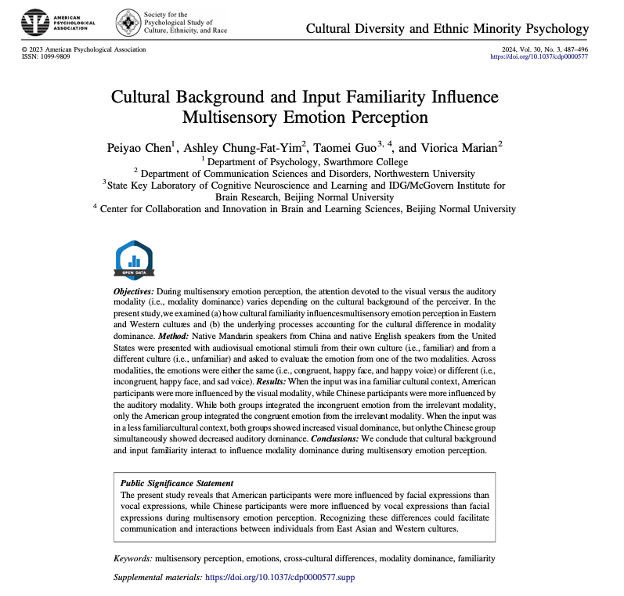
@ashleycfy, @VioricaMarian1, and others found that in a familiar cultural context, American participants were more influenced by facial expressions, while Chinese participants were more influenced by vocal expressions. @APA_Journals https://t.co/zmaP8vmrs5
Because the Psych Job Wiki is ending, I’ve worked with Amedee Martella to create a new Psych Job Wiki for the 2024-25 academic job cycle! This site has TT jobs, non-TT jobs, and postdoc positions. Feel free to spread the word, use the site, and contribute: https://t.co/F3SchNJzS8
🎉 Exciting News! #ISB15 has officially taken over #ISB14! Get ready for an amazing symposium on bilingualism!
🗓️ Date: June 9-13, 2025
📍 Location: San Sebastián, Spain
🔗 Website: https://t.co/L1lEX14Kw9
Mark your calendars and join us for an enriching experience!
Come join us for a fully funded—generous Scandinavian funding—PhD in Neurocognition and Multilingualism. Applications due in 4 weeks. Reach out for any questions.
https://t.co/310389BvDA
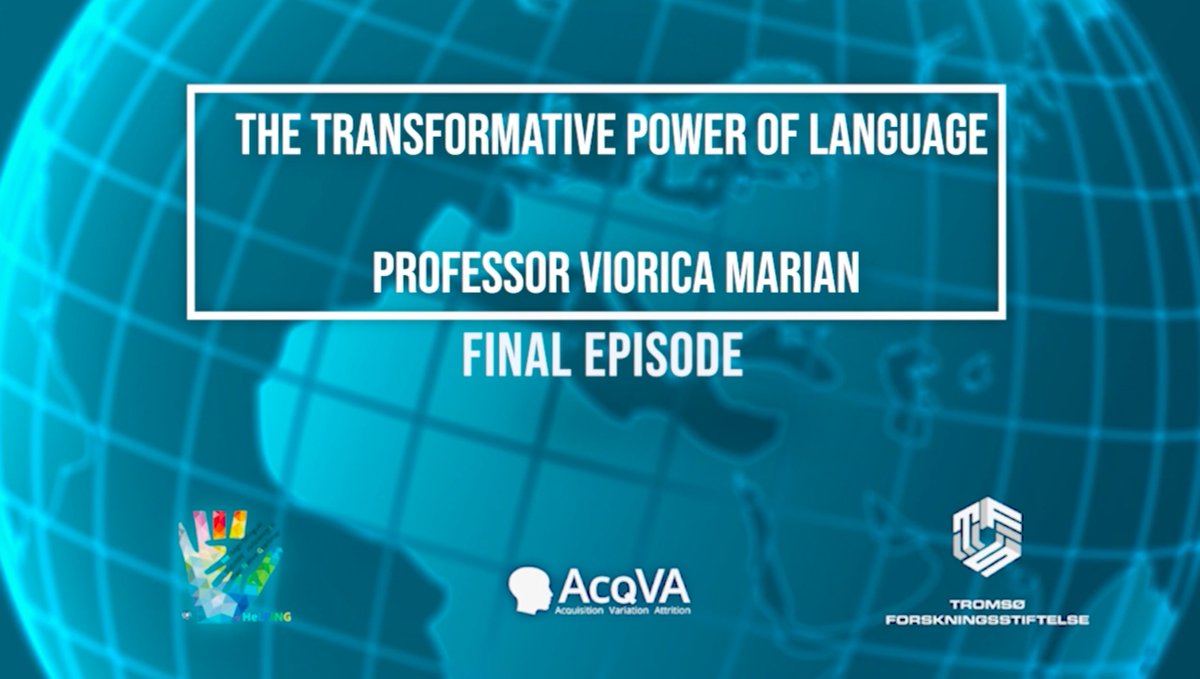
As 2023 comes to an end 🎇, so does the first season of #HeLPiNGQuestions! Our 12th and final episode drops on December 1st! 🚀 Tune in for insightful discussions with our fascinating guests Prof @VioricaMarian1, Dr @ashleycfy and Dr @RochanavibhataS ➕ the entire HeLPiNG team 🎊
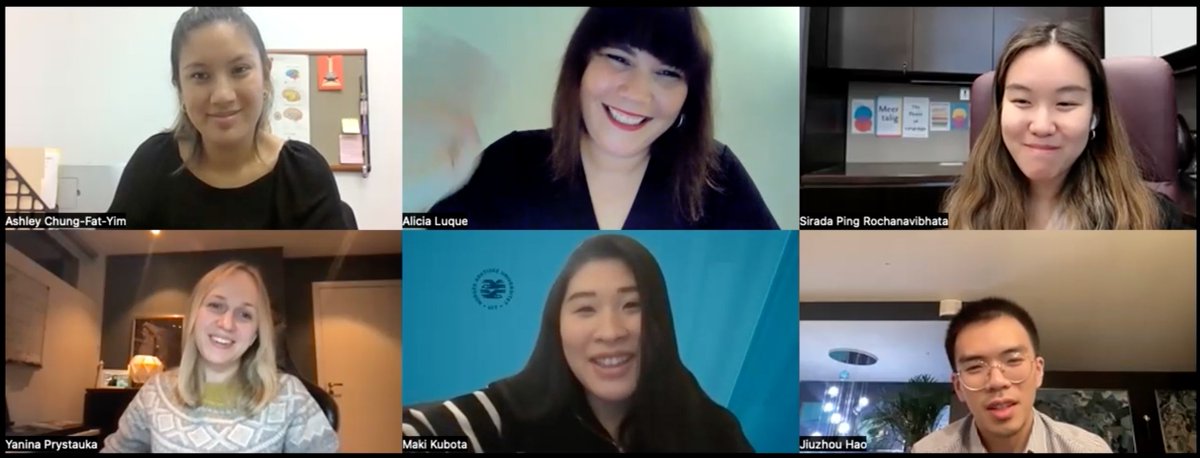
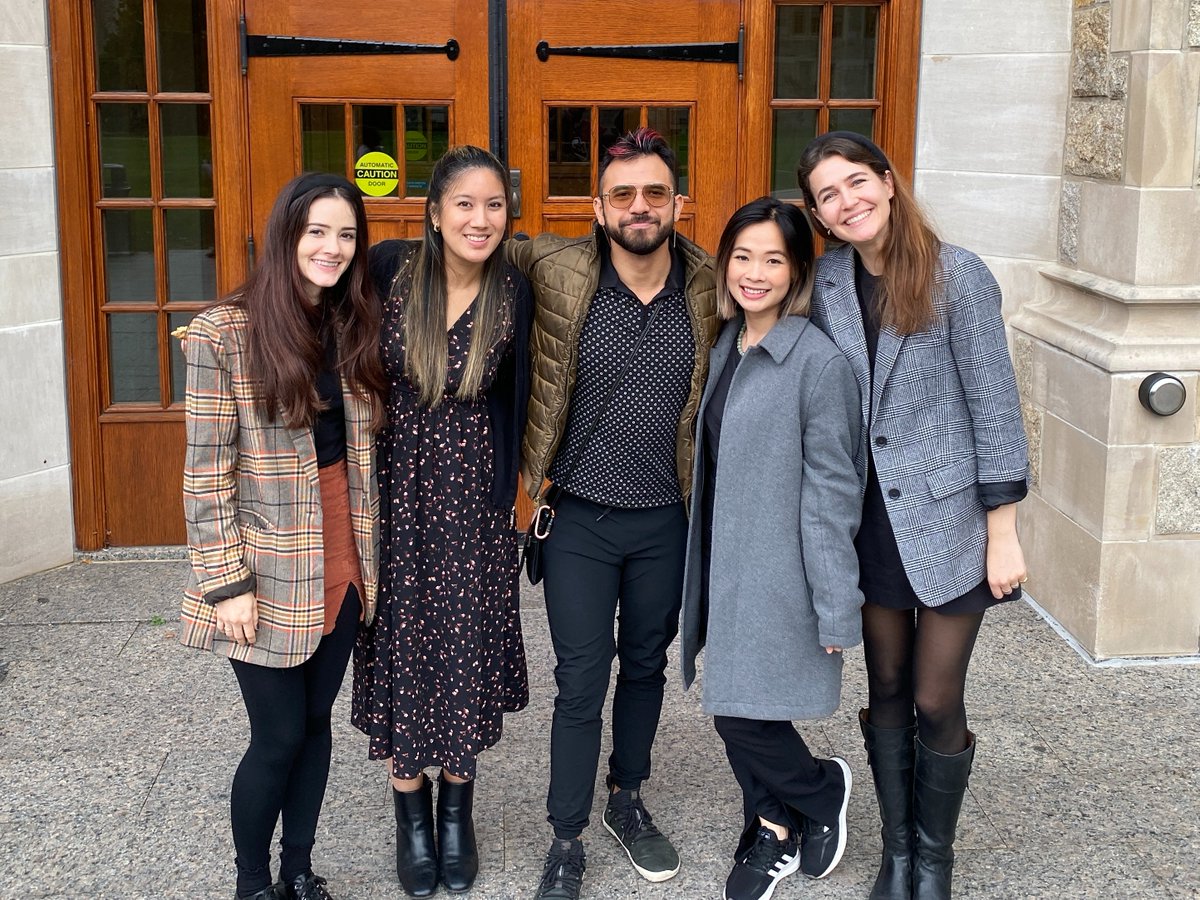
🎉inaugural marginalia speaker series was a HUGE success!!!
thank you to everyone who joined us in person and on zoom, boston college for sponsoring, and are amazing speakers (sandwiched in the pic)!!
we hope to continue to host events like this as we continue to grow 🌱
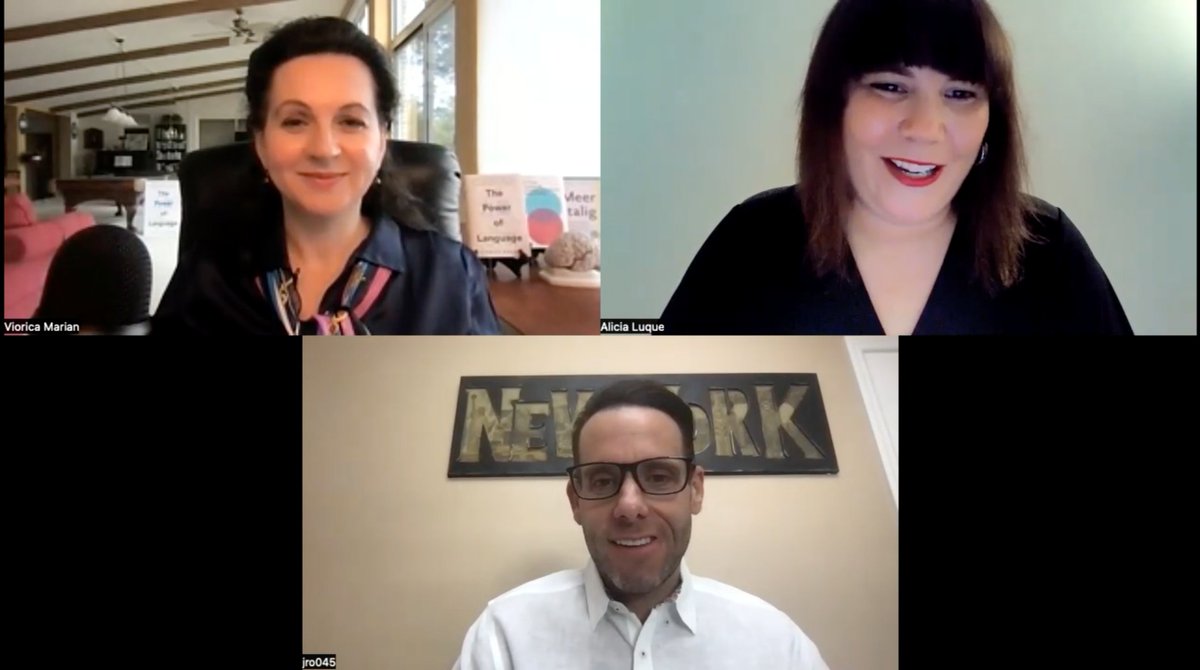
marginalia's inaugural community symposium at boston college is fast approaching ft @ashleycfy, @joealey, & @anniehvu !
tune in virtually on monday the 16th at 3:50PM EST!!
email (marginaliascience [at] gmail [dot] com) or DM us for the zoom link!
our october newsletter is up, featuring the speakers selected for the marginalia science x boston college symposium, @ashleycfy@joealey and @anniehvu 💫
check it out + subscribe:
https://t.co/qlQyxMv1ah
THE SURPRISING CREATIVE POWER OF THE MULTILINGUAL BRAIN
To learn how, from #business to #fashion, people who speak two or more languages tend to demonstrate more out of the box thinking, see this article in @FastCompany or dig deeper with the new book "The Power of Language," available now online and in stores anywhere books are sold.
The Coperni fashion brand made international news in March by selling purses made of meteorite. Coperni’s outside-the-box thinking has featured robot dogs as models and spray-on dresses at Paris Fashion Week. Model Bella Hadid broke the internet when she walked onto the runway wearing only underwear, before being sprayed with a compressed liquid that transformed into a white, fabric-like dress.
How are such ideas conceived? In the case of the spray-on dress, the innovation sprang from the mind of designer and scientist Manel Torres. Torres’ multicultural and multilingual background may have helped him formulate the idea.
Foreign experience predicts the creativity of designers’ collections, according to research. In fact, the number of years a director spent abroad predicts creative innovation.
Born in Barcelona, Torres studied fashion design at London’s Royal College of Art, before working in India’s fashion industry for several years. He returned to London to complete an interdisciplinary PhD in chemistry and fashion, where he patented his now famous spray-on fabric and founded Fabrican. He continues to visit Japan for inspiration.
Likewise, being multilingual fosters creativity. Knowing multiple languages transforms the mind. Learning a new language allows for greater flexibility in thought and increases connections between concepts, which in turn enhances creativity. For example, bilinguals find it easier to view a problem from multiple perspectives, which can result in more creative solutions.
The broader fashion industry is brimming with multilinguals recognized for their creativity. For example, most Wall Street Journal @WSJ Fashion Innovator award winners speak more than one language, such as Saint Laurent’s @YSL Anthony Vaccarello and @CalvinKlein's Raf Simons, who are multilingual.
Torres himself speaks Catalan, Spanish, and English, which may explain the clever multilingual play on words that comprises the name “Fabrican”: fabrican means they make in Spanish, and is a combination of “fabric” and “can” in English.
Measuring creativity is difficult, but one way researchers examine the association between multilingualism and creativity is by measuring divergent thinking, which is the process of generating new associations between existing concepts.
Imagine you were given a piece of paper with nine identical triangles and asked to draw different pictures using them. What would you draw? A house, a pizza slice, a mountain, a flag? Or imagine you could walk on air and fly. What problems might this create? Individuals who speak multiple languages produce more innovative responses to these problems than those who speak only one language, according to research.
Multilingualism may promote creativity via denser connections between words and mental representations. Words that are unrelated in one language may be related in another language, which gives #multilinguals another way to form novel and unexpected associations between ideas.
A study in our lab at @NorthwesternU found that speakers of more than one language were more likely than monolinguals to rate apparently unrelated objects (e.g., “cloud” and “present”) as related. Multilingualism can trigger connections between different ideas, an important feature of ingenuity.
Others argue that because multilinguals often switch between languages and must filter out the language that is not being used, they may be better at filtering out information that is irrelevant to a task.
Multilinguals often combine elements from each language in novel and original ways when they code-switch between languages, which ranges from inserting a single word from one language into another to switching back-and-forth between languages as they speak. Bilinguals who code-switch frequently produce more novel ideas.
Beyond individual creativity, the influence of multilingualism can also be seen on the larger scale of national economies. #Switzerland boasts four national languages—French, Italian, German, and Romansch—and 68% of its population uses two or more languages regularly. It has one of the highest GDPs per capita in the world, ranks first on the Global Innovation Index @GI_Index, and leads Europe in patent applications.
A 2010 study estimated that multilingualism contributed to 10.8% of Switzerland’s GDP (about $80 billion USD today) and was a fundamental contributor to the country’s competitive edge. In our globalized economy, a multilingual population may be a driving force of innovation within and across borders.
For your next creative endeavor, tapping into the multilingualism within and around you might just be the key to unlocking a greater #creative potential.
Viorica Marian is a professor at Northwestern University and the author of the new book The Power of Language. Matias Fernandez-Duque is a PhD candidate and Ashley Chung-Fat-Yim @ashleycfy, PhD is a postdoctoral fellow in Marian’s Bilingualism and Psycholinguistics Laboratory at Northwestern.
@BuffettInst@DuttonBooks@TheParisFashion@gigibellhadid@belfast___@anthonyvacc #coperni
https://t.co/xzrWxPLc10
The ability to speak two languages may improve memory in later life, a new study found. The study, which involved hundreds of older patients, adds to two decades of work suggesting that bilingualism protects against dementia and cognitive decline. https://t.co/eTtXnEUDvR
Can migrating to a new country change how people perceive the emotions of others?
A new study suggests yes! Immersion length and amount of exposure to the new culture shape emotion perception!
Full-text:https://t.co/1b4nIR1x3m
#bilingualism#language#culture@VioricaMarian1




![marginalia_sci's tweet photo. marginalia's inaugural community symposium at boston college is fast approaching ft @ashleycfy, @joealey, & @anniehvu !
tune in virtually on monday the 16th at 3:50PM EST!!
email (marginaliascience [at] gmail [dot] com) or DM us for the zoom link! https://t.co/Ml8ixnVcbB](https://pbs.twimg.com/media/F8MRV_gXkAAunKR.jpg)