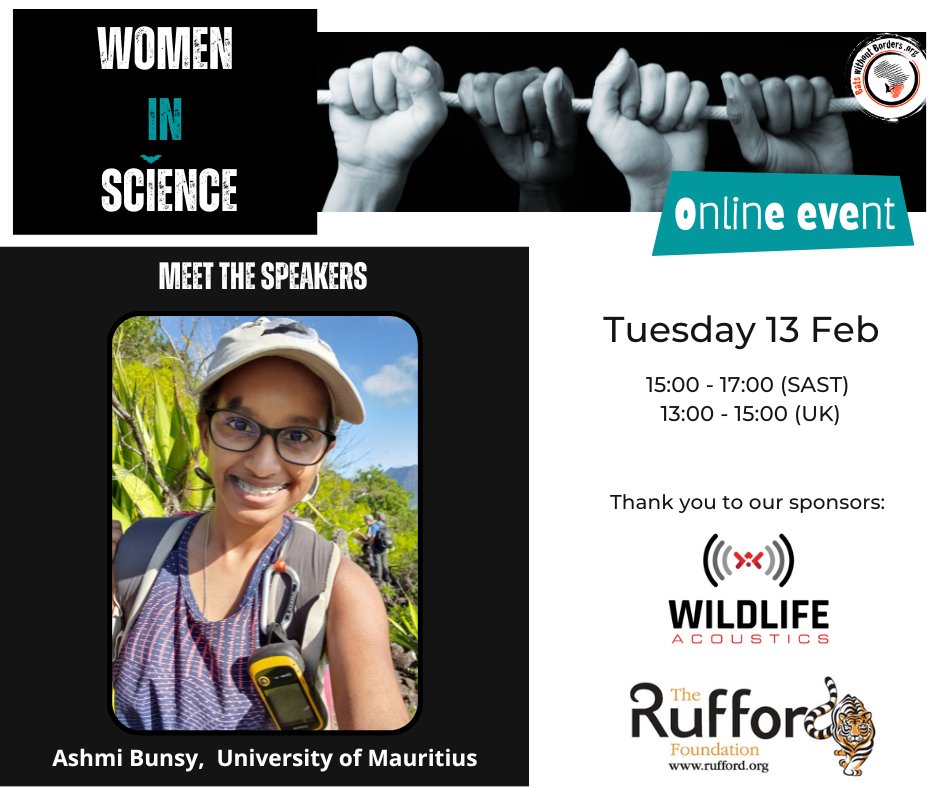
#COUNTDOWN to our Women in Bat Science Indaba 2024...4 days to go!
Meet speaker Ashmi Bunsy who will present 'Conservation challenges of an endangered endemic insectivorous bat species on Mauritius island'.
Open to all. Sign up: https://t.co/Rj9Mr29780
#WiBS2024
🚨POSTDOC OPPORTUNITY🚨
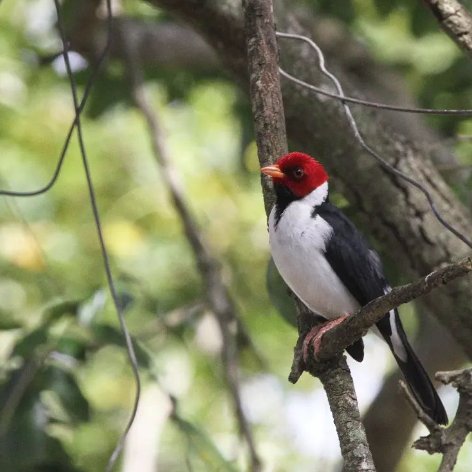
🌿Are you a bioacoustic researcher with a passion for ecological studies in human-modified tropical landscapes? 🦇🐦
Check this exciting opportunity to work with neotropical #bats & #birds! Join us at @OxfordBiology 👇🏿
https://t.co/yxEOqxuvzl
The Golden-tipped bat is the 2023 Australian Mammal of the Year! This now means that a #bat has won 2 years in a row!! This is HUGE for bringing awareness to Australia’s Chiropteran critters! https://t.co/INVxeQ4IHR
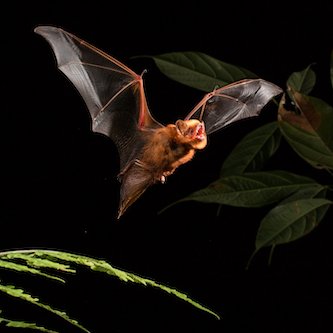
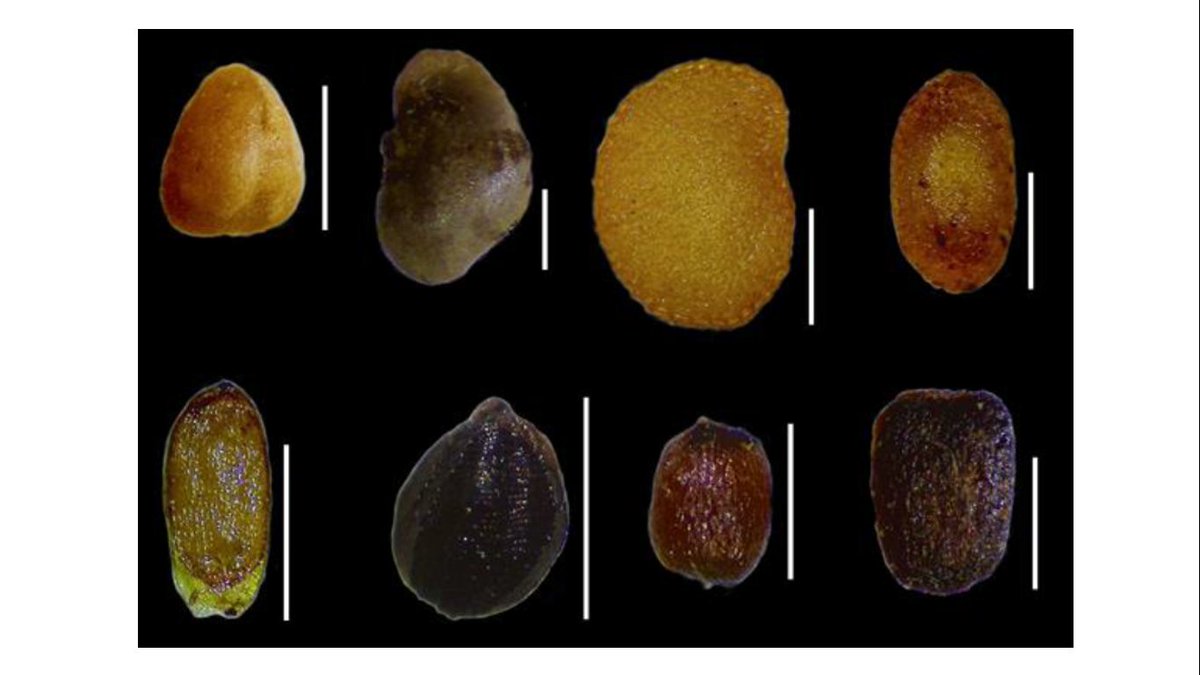
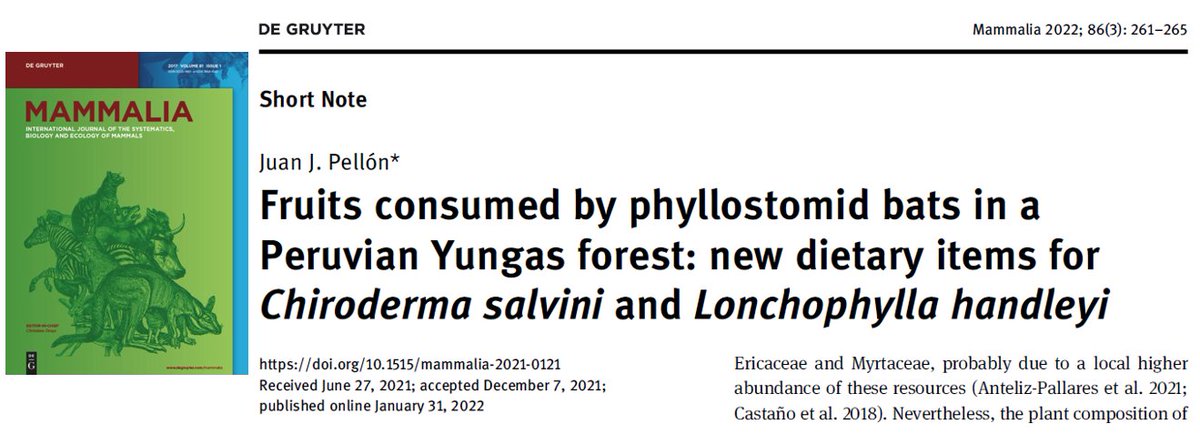
Better late than never! Some new information about bat-fruit interactions in Peruvian forests (especially the unusual seed predation by Chiroderma salvini and frugivory by Lonchophylla handleyi)
Link:https://t.co/qhXhWUuXHe
Researchgate:https://t.co/BCaoyXwpUp
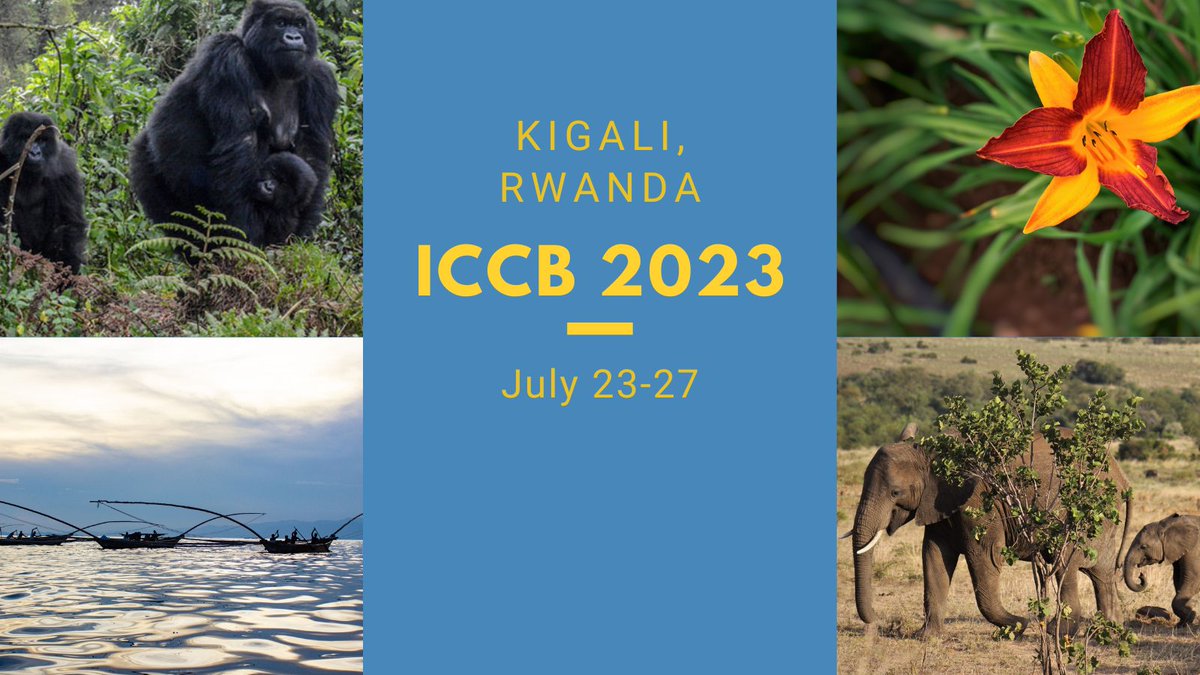
The next International Congress for Conservation Biology #ICCB2025 has just been announced at @ICCB2023 in Rwanda - it will be late June 2025 in Meeanjin/Brisbane @BCEC_Brisbane. Pen that into your calendars https://t.co/bSvecY3bXT
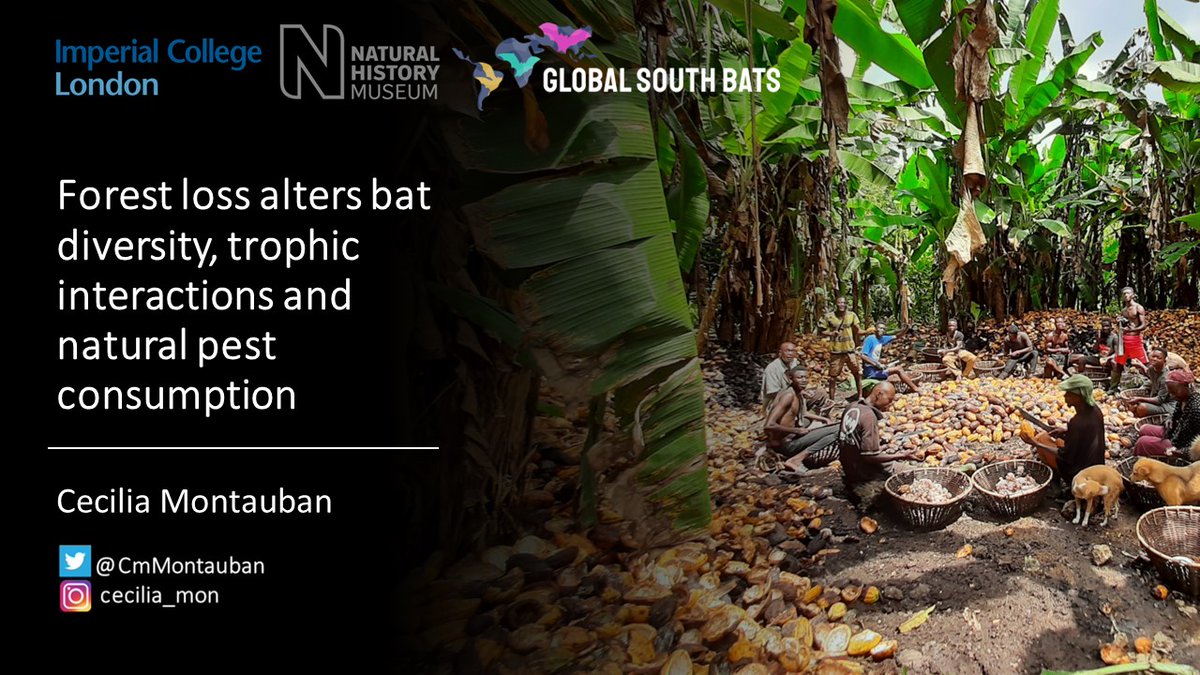
Interested in #forestloss effects on #bats and their pest consumption in Ghana & Zambia? I will be presenting at #ICCB2023 tomorrow (Thursday) at 4:30pm in MH1 and would love to chat after. So thankful to @BritishEcolSoc & @BatConIntl for the support to be here!
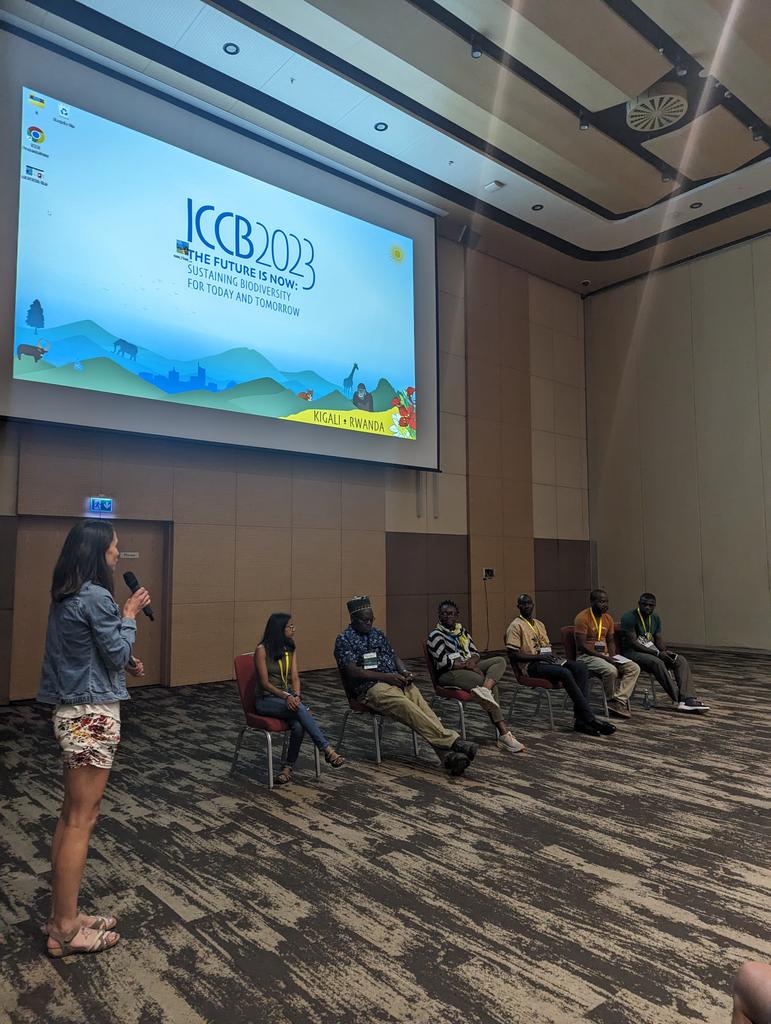
Just wrapped up the presentations on Advancing #Bat#Conservation in Africa by six of the top bat researchers across Africa @ICCB2023!
Join us for the round table discussion in MK2 now!
@BatConIntl@African_Bat
There is still a lack of inclusion & equity in #conservation. At #ICCB2023 we are working to address the inclusion & equity concerns. Attend the session “What conservation biology may lose by not having equitable and fair collaborations"
Wed, July 26: 1:30- 3:00
#ICCB2023equity
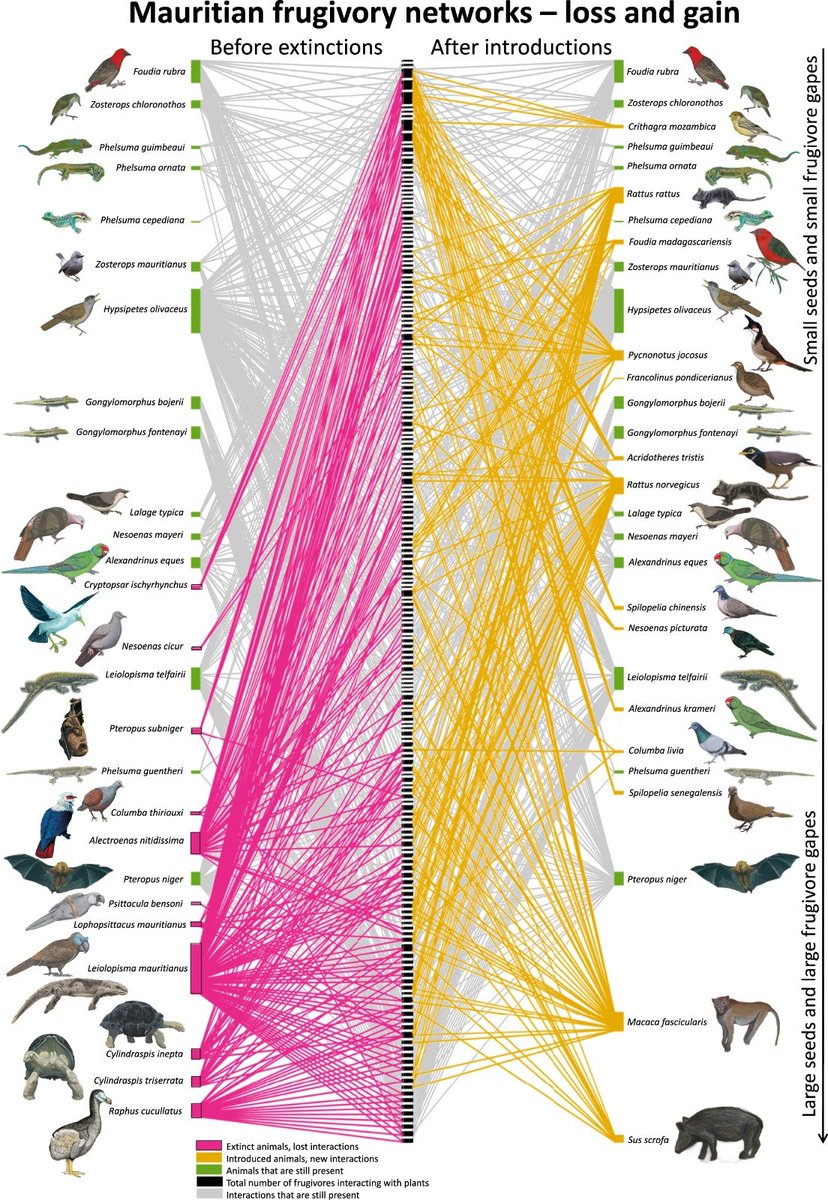
I published in Nature Communications on plant-frugivore interactions in Mauritius. New non-native seed predator interactions are unlikely to compensate for seed-disperser extinction.
@Macroecology@mkborregaard@Carsten_Rahbek@clbaider#extinction
https://t.co/e3CqElfAqr