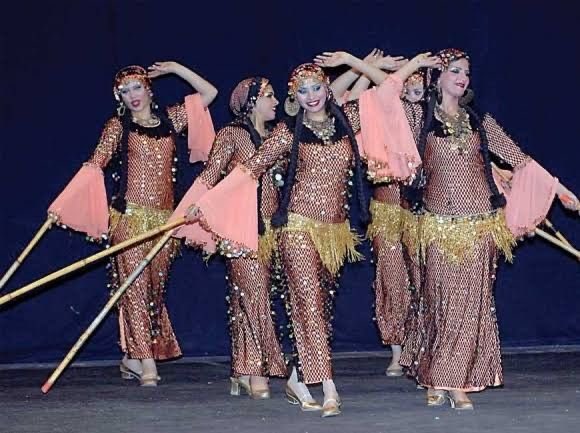
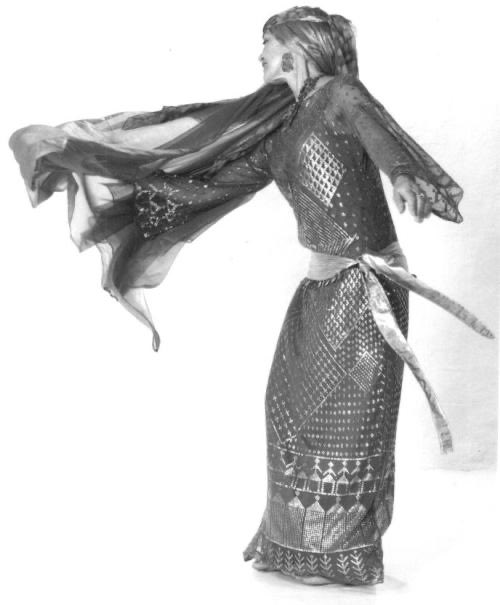
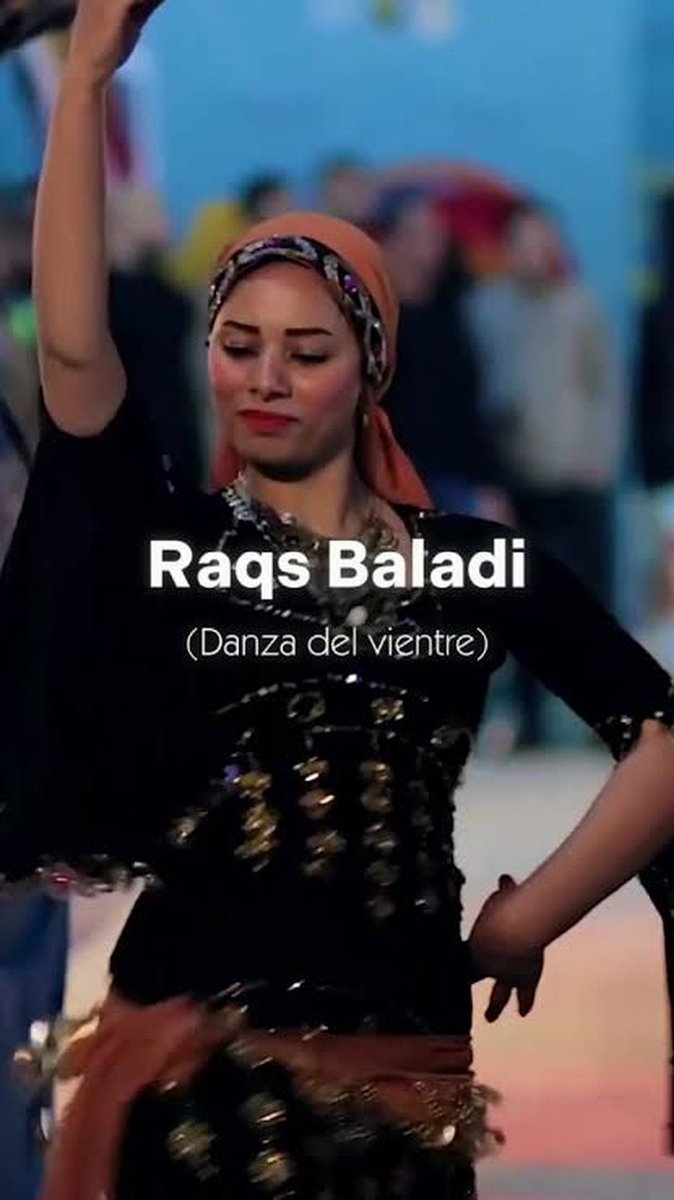
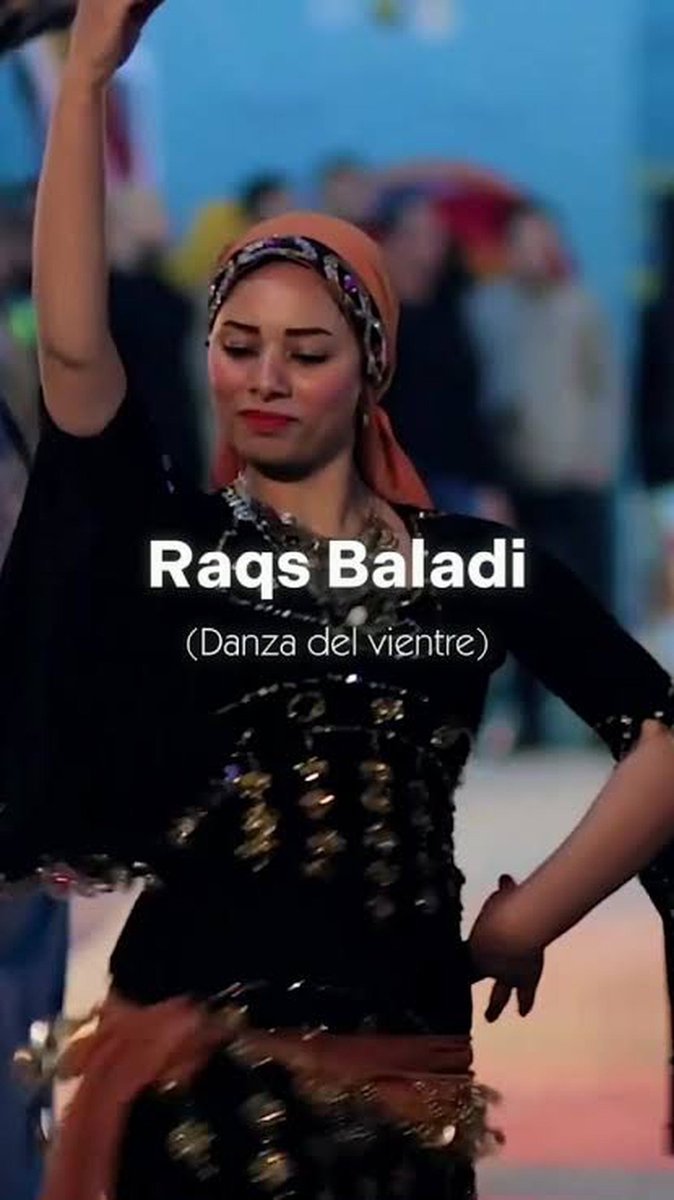
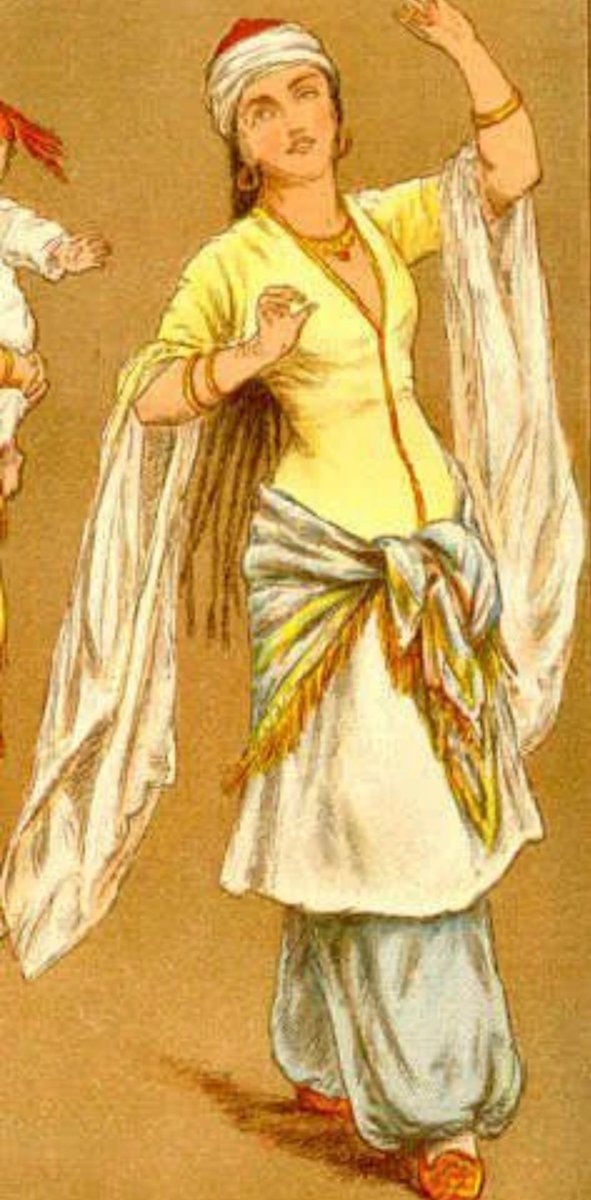
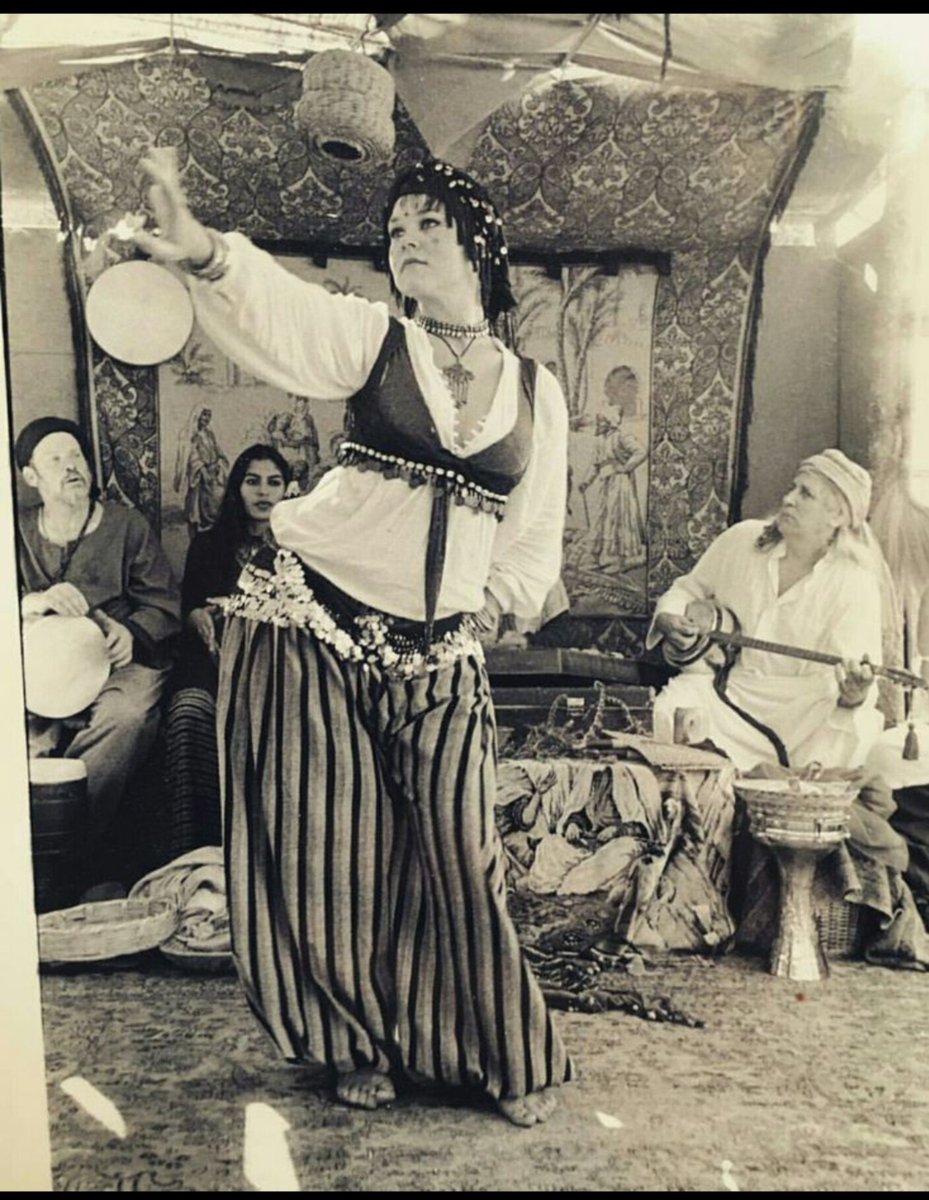
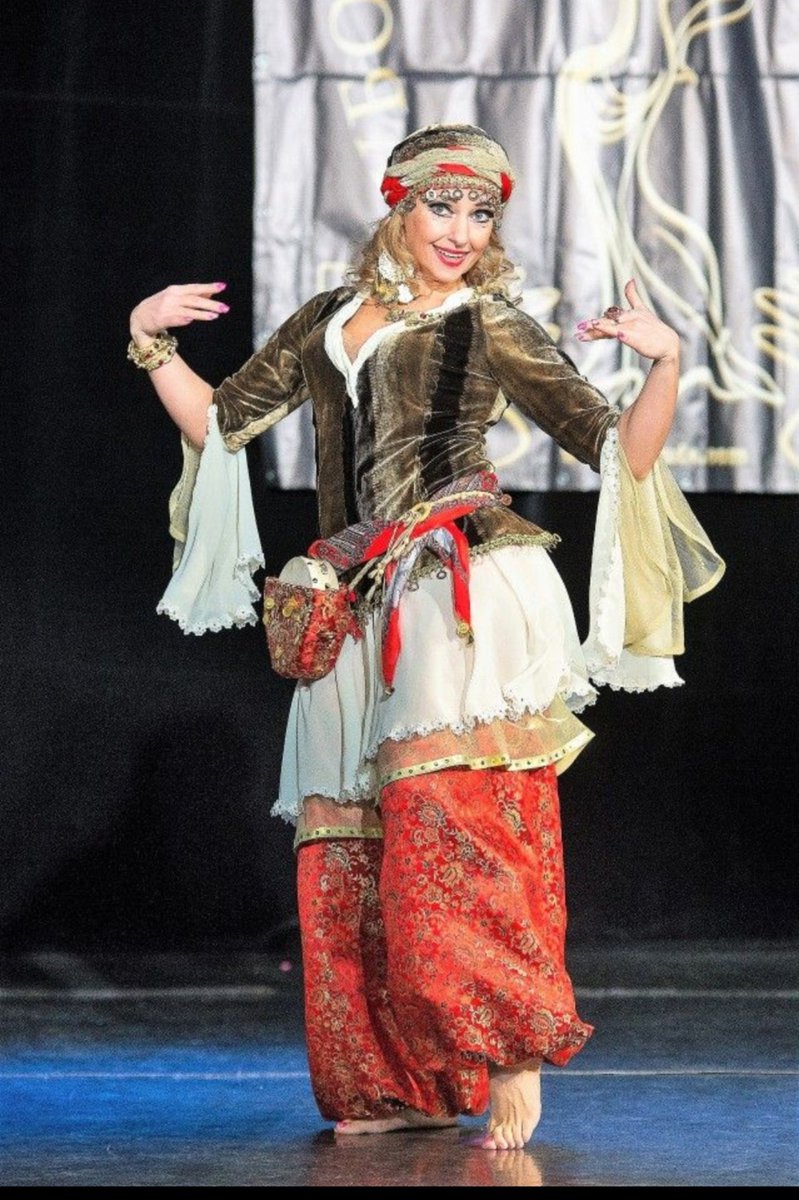
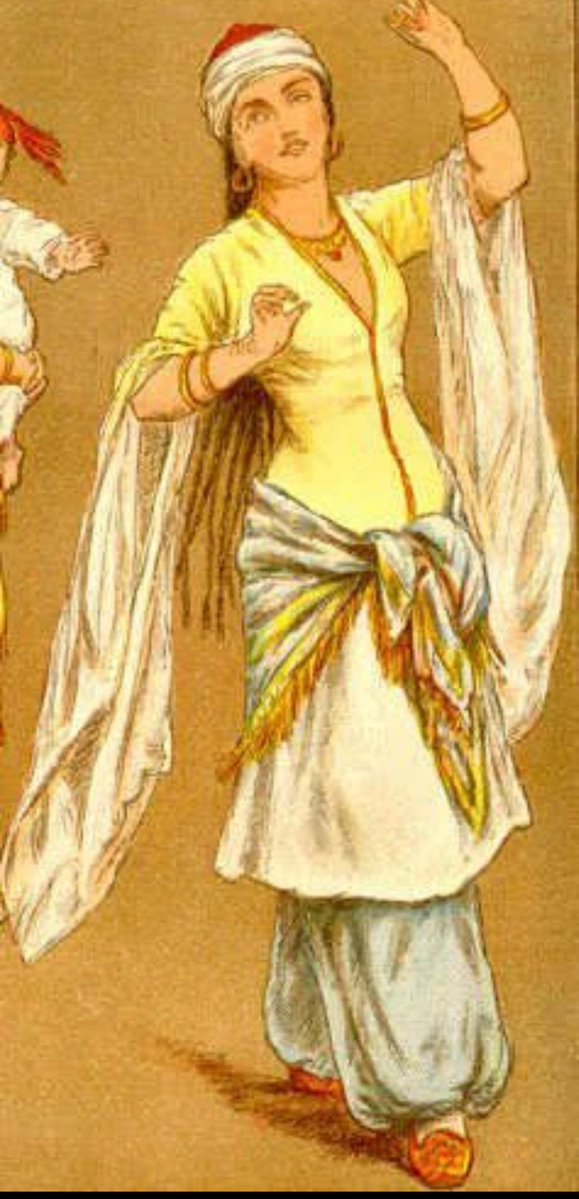
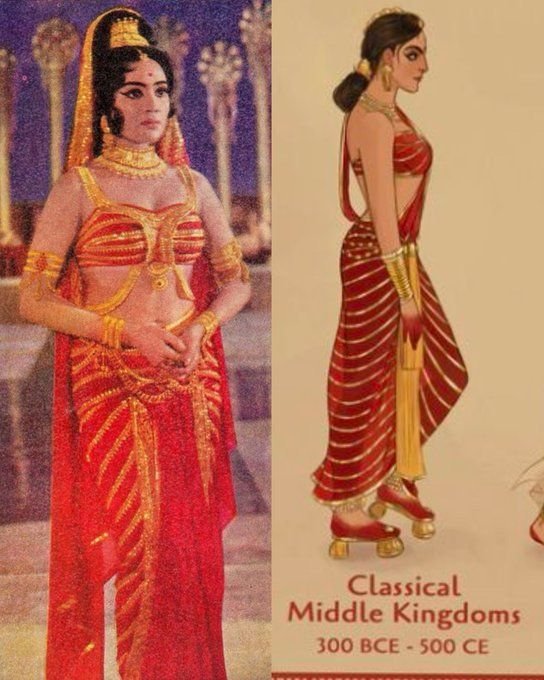
Belly dancing, or the non-orientalist term for the actual traditional dance “raqs baladi” is a classical Egyptian dance, the original outfits for which are attached to this post (as shared to me by oomfs from Egypt)
Your sources are western orientalist caricatures of Egyptian-
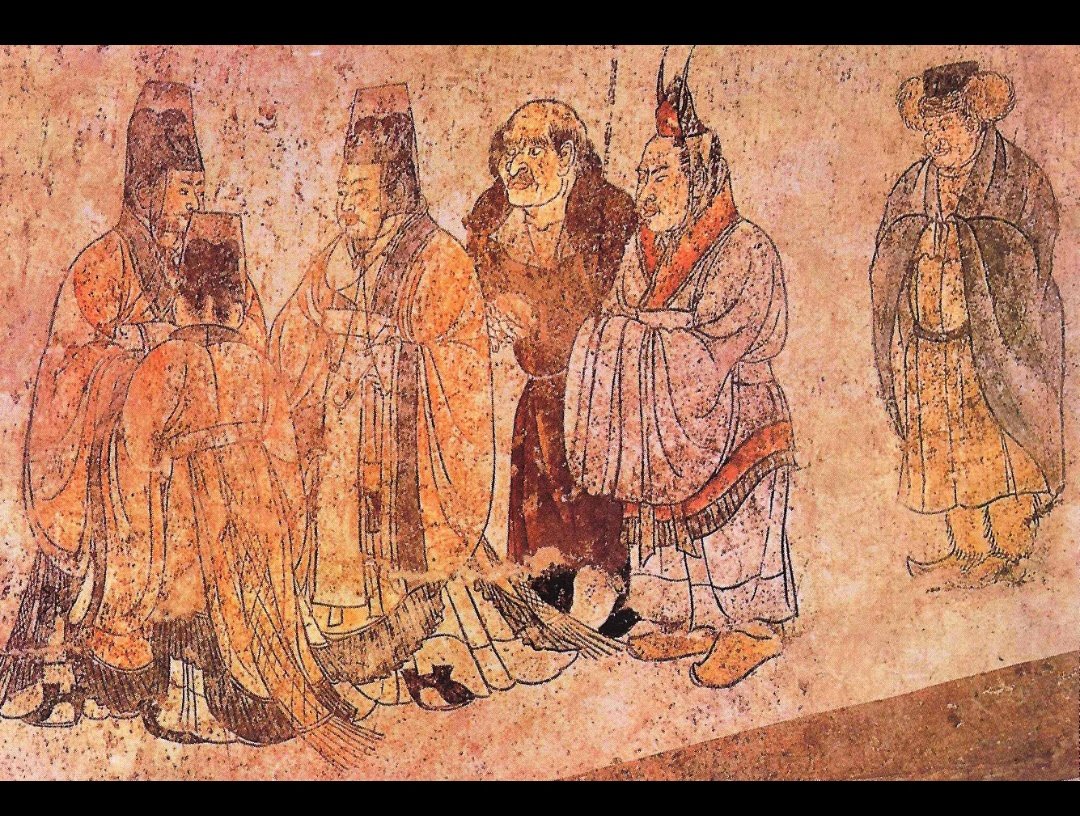
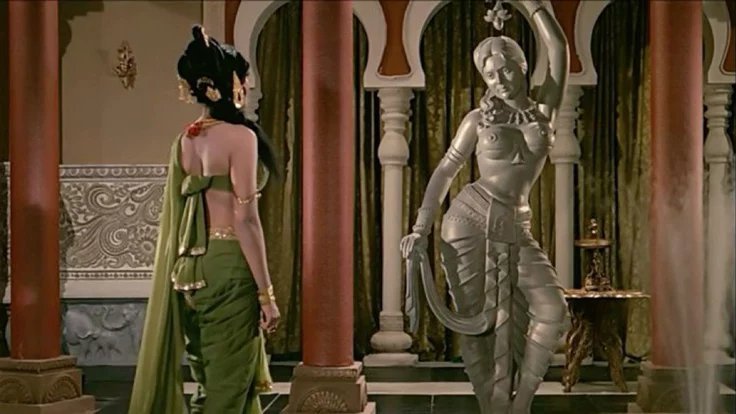
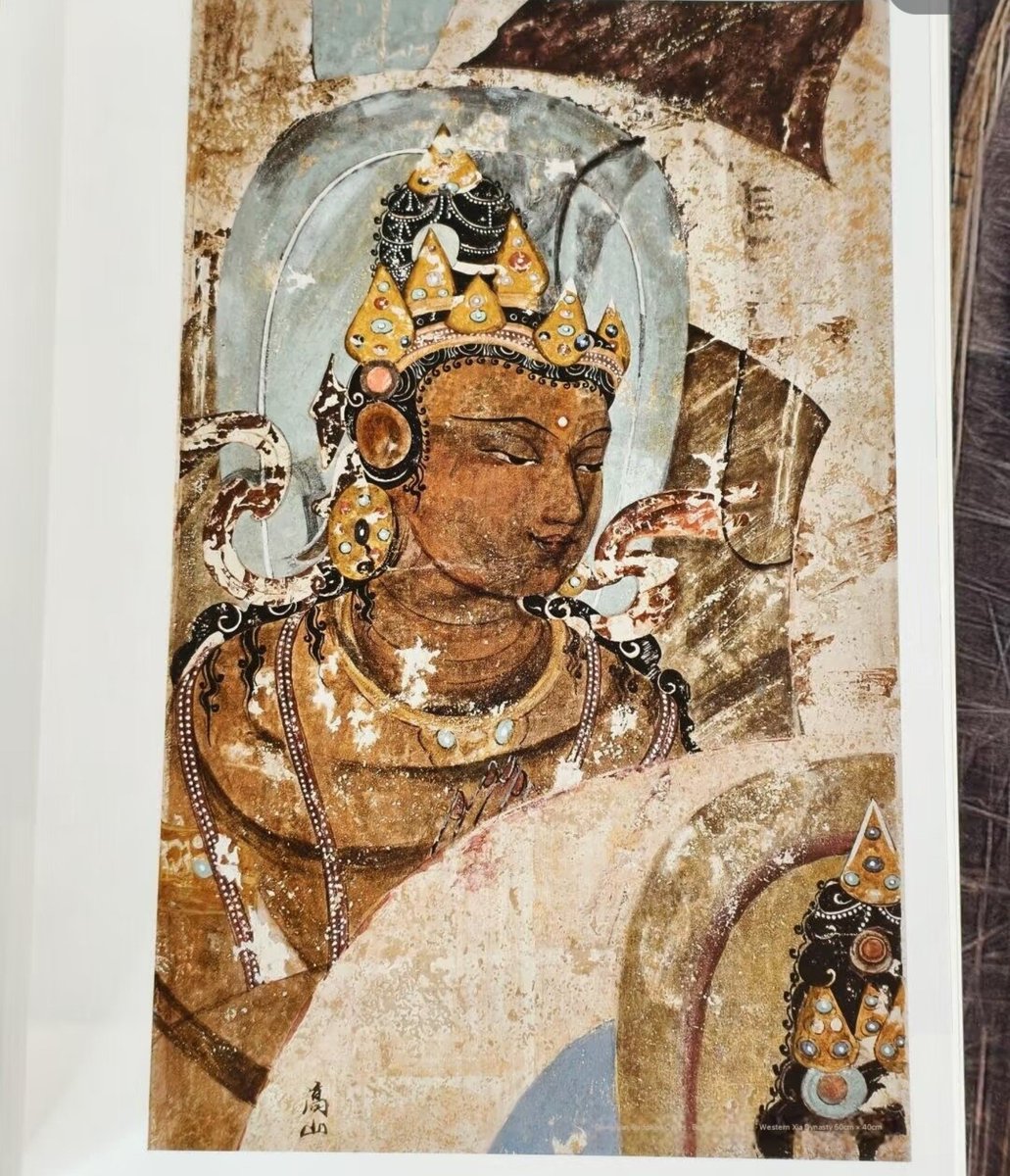
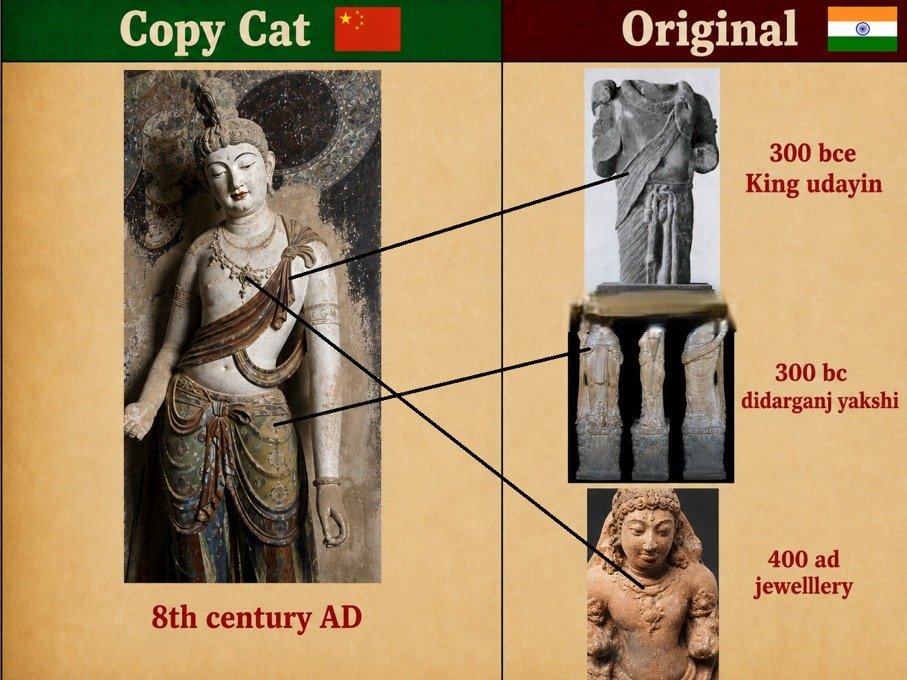
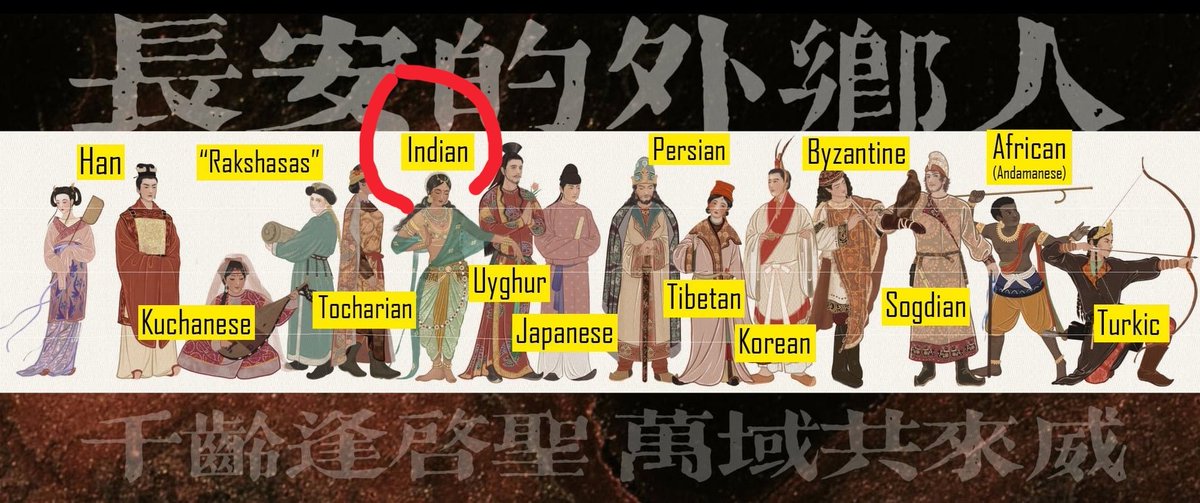
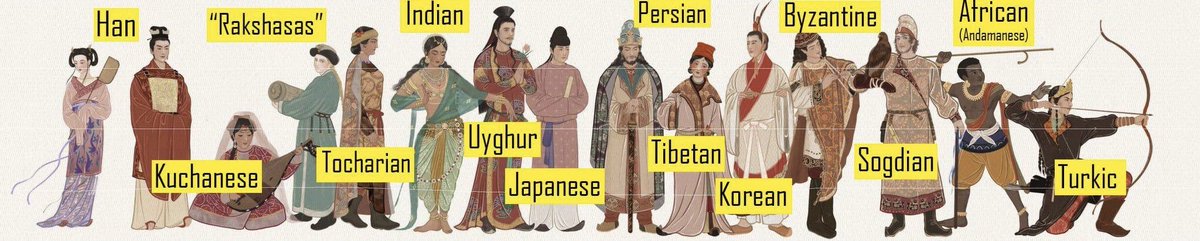
Mural paintings were quite clear on which one is indian clothing, which one is sogdian, which one is chinese.
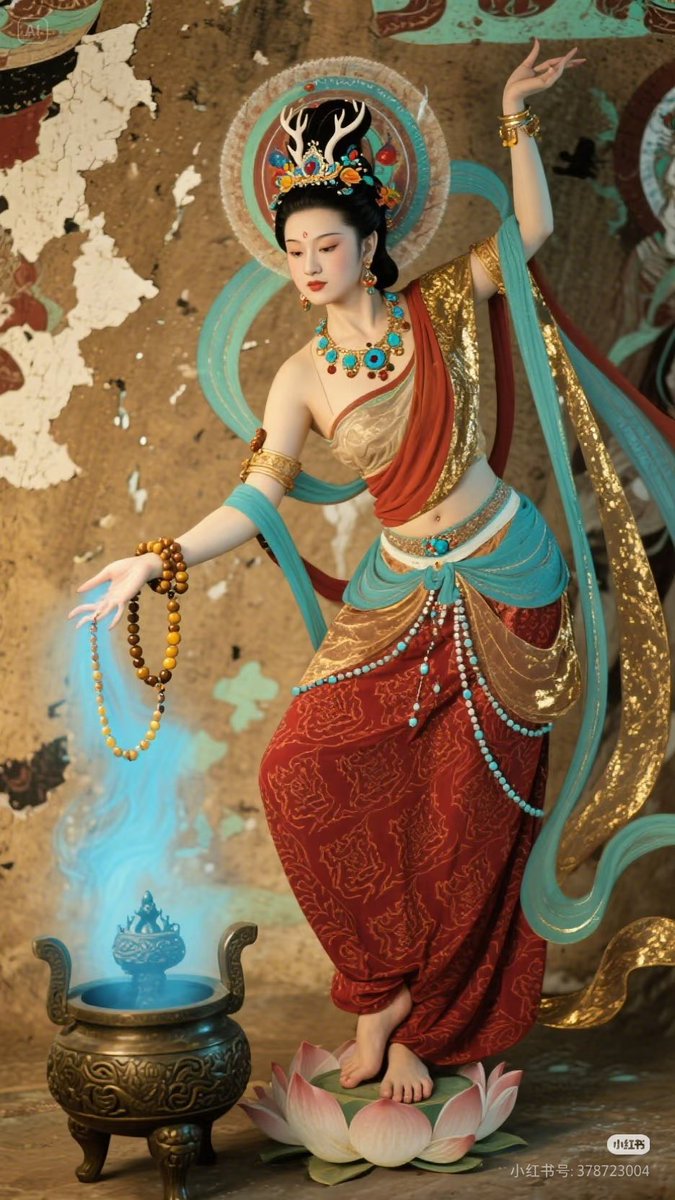
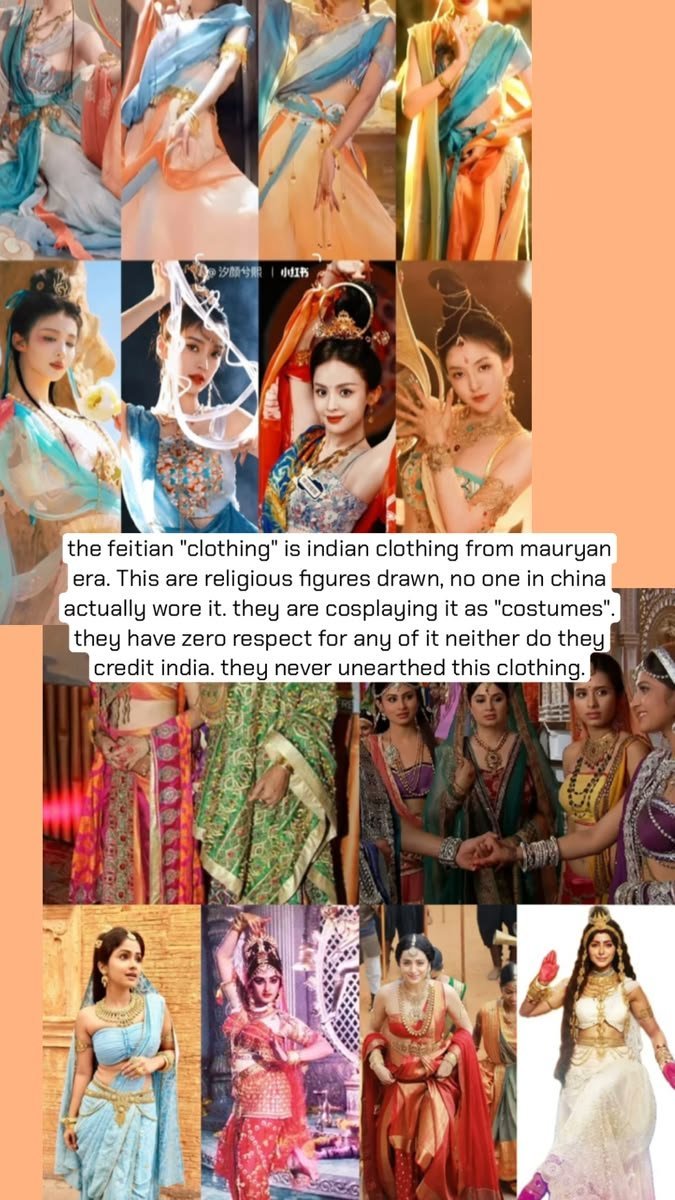
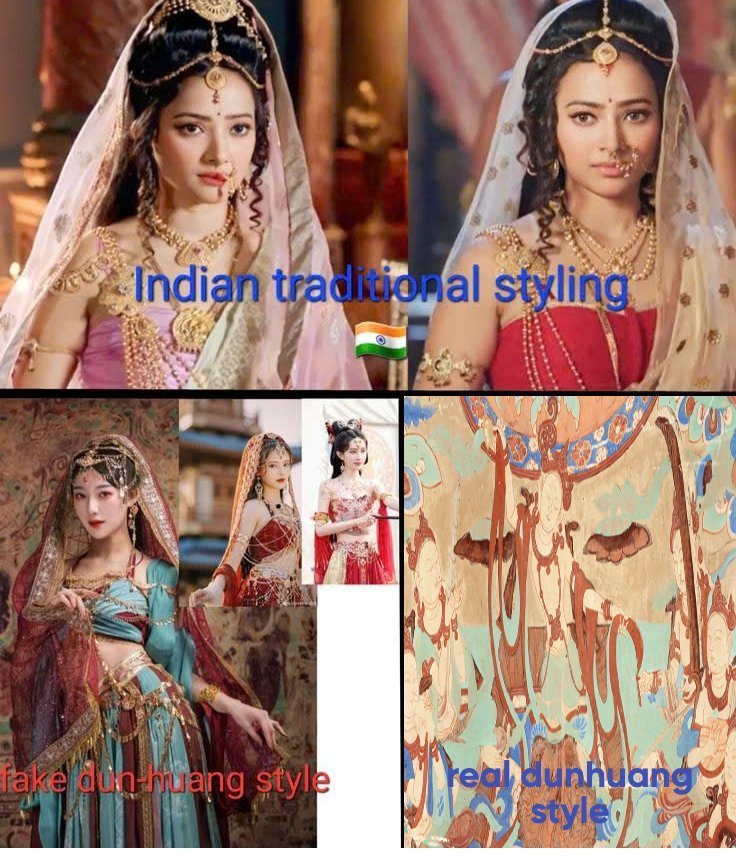
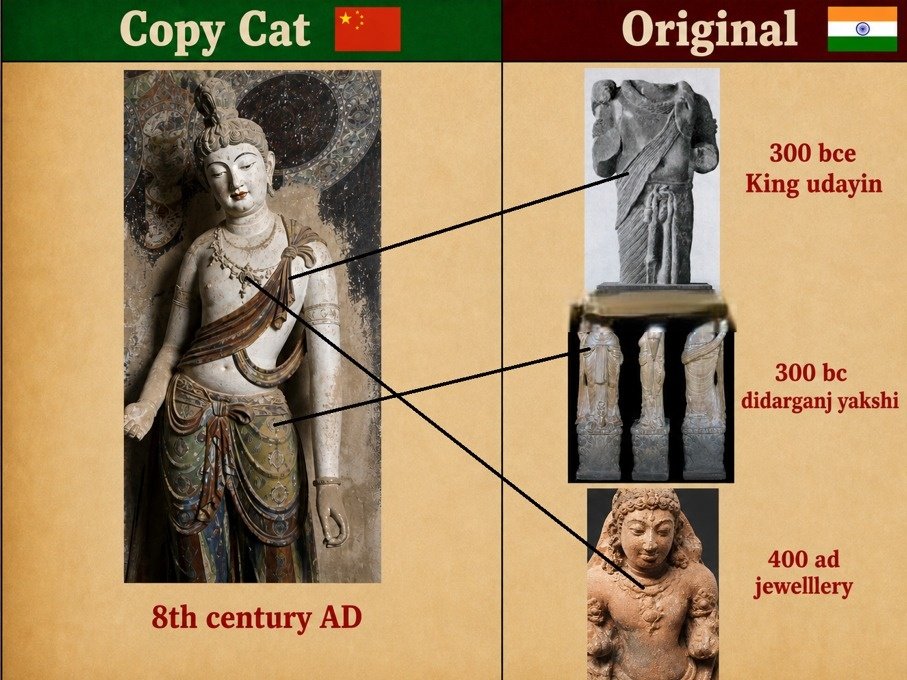
It is chinese people doing hodgepodge to steal indian clothing ultimately and rebrand it as dunhuang.
Indian culture should be called indian, it is not your western, persian, or chinese. It is INDIAN. You are stealing only the indian elements here from buddhist- hindu murals.
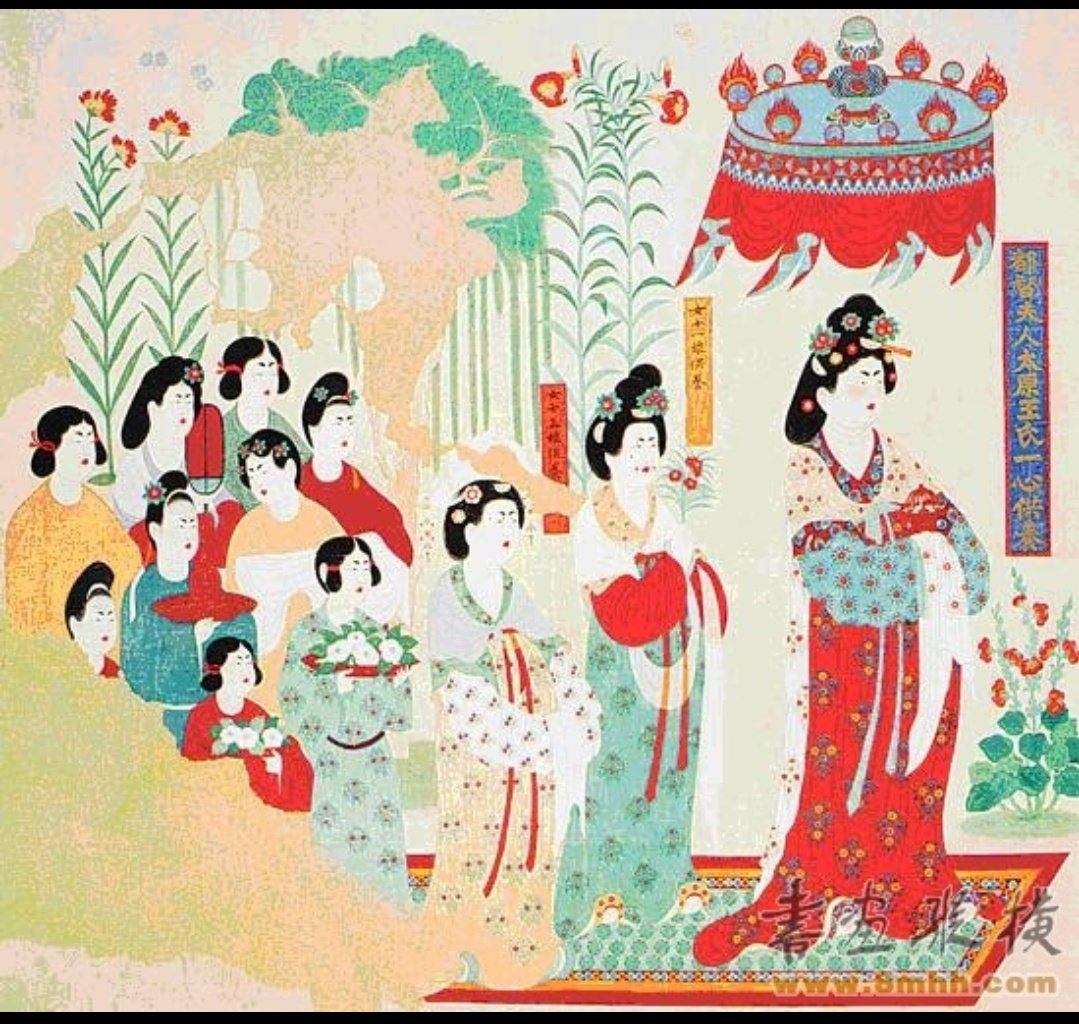
That painting shows indian clothing.
If indians paint hanfu today, thousand years later, can indians claim hanfu as indian clothing??! No right?
Just because chinese painted indian gods, indian fairies in indian clothing, it doesn't make it chinese. That is theft.
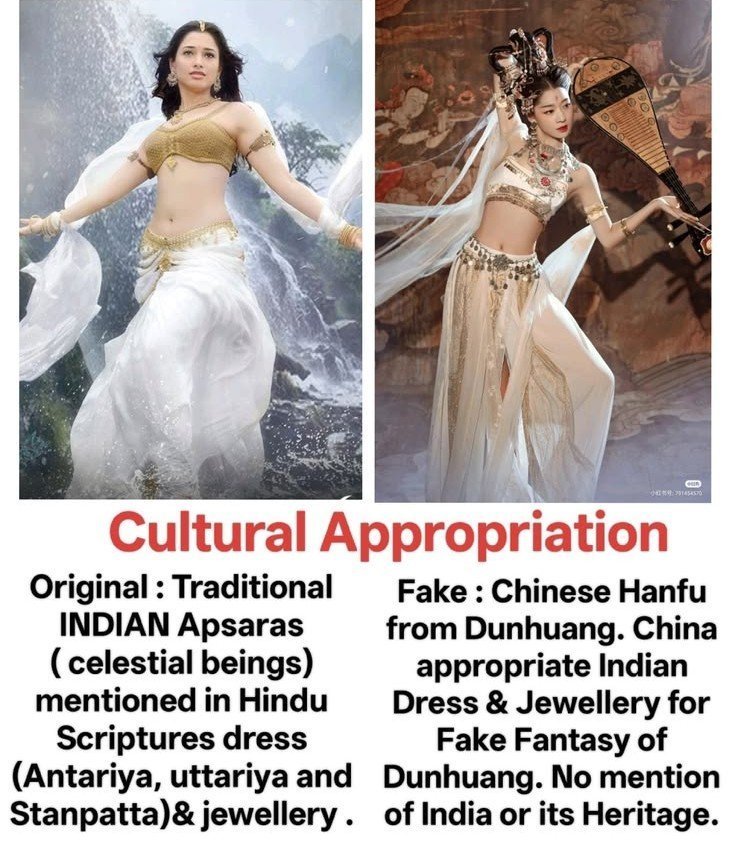
The painting is of indian fairies - apsaras, it shows indian culture.
This art itself is based on indian culture and indian clothing. It is recorded in your history too. Also it is based on far older indian carvings from gupta era and mauryan period of india, which is 1000s of years older than dunhuang art.
This apsaras are indian fairies not chinese. Buddhist culture comes from india not china. It is indian culture painted.
@iviso@oO9039497234894 What has desert got to do with clothing?
It is cold deserts anyways.
And you have no heritage or records of indian clothing being worn there.
Show me unearthed artifcats right now.
@offgc5pnw@Helios18818 This are the real belly dancing clothing recorded.
Are chinese so uneducated?
Modern belly dance costumes are inspired by india
All of this are real belly dancing clothing.
What you are showing is indian impaired. Idiots.
@offgc5pnw Modern belly dancing clothing is appropriation of indian clothing done by white people. Influenced by Indian clothing!!
It is clearly recorded, this is orientalist costumes not real.
This is real recorded belly dancing costumes.
China should update their education.
@offgc5pnw Indian clothing clearly recorded far older than orientalist costumes from 19th century.
Dunhuang buddhist murals show indian clothing clearly. What you are showing is 19th century belly dancing costumes inspired and copied from India.
@offgc5pnw Modern belly dancing clothing is appropriation of indian clothing done by white people. Influenced by Indian clothing!!
It is clearly recorded, this is orientalist costumes not real.
This is real recorded belly dancing costumes.
China should update their education.
19th century belly dancing clothing was appropriation of indian clothing done by a white woman called mata hari.
The real belly dancing clothing was always different. This is the example of western orientalism and racism, where indian clothing was stolen for middle east.
Chinese are racist who use orientalism of 19th century to appropriate other cultures. what rights do chinese have to wear this clothing.
This is real belly dancing clothing recorded.
@oO9039497234894 The problem here arises that xinjiang doesn't have any heritage of this clothing. It is too cold to even wear practically. Instead of appropriating indian clothing seen in buddhist murals & doing indian cosplay calling it "dunhuang". China should focus on promoting real clothing
@gu3402821871913 Apsaras are Indian fairies.
Dunhuang clearly shows which one is indian clothing, which one is sogdians and which one is chinese.
Yet chinese today specifically steal indian clothing and claim it as dunhuang.
Apsaras are indian fairies, all you are doing is indian cosplay.