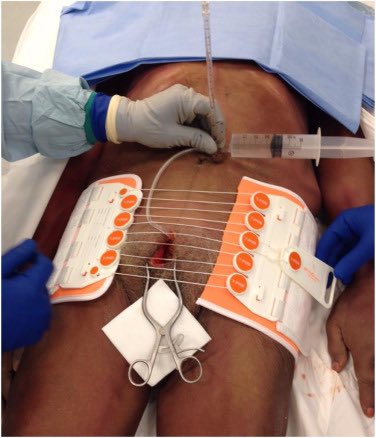
Do Prehospital Applied Pelvic Binders Impact Mortality?
📊 Patient Cohorts: Three groups - 14 with appropriately applied binders, 14 with inappropriately applied binders, and 38 without binders.
💡 Key Findings: Survival rates were 92% with binders and 81% without, but this difference was not statistically significant.
🔍 Conclusion: Pelvic binders did not significantly affect outcomes for patients with unstable pelvic fractures. Injury Severity Score (ISS) was a more significant survival predictor.
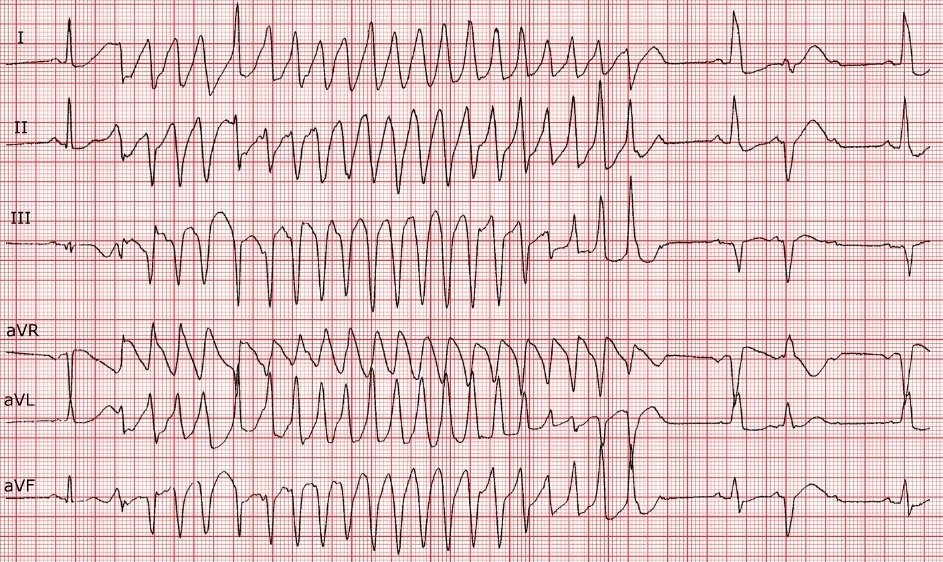
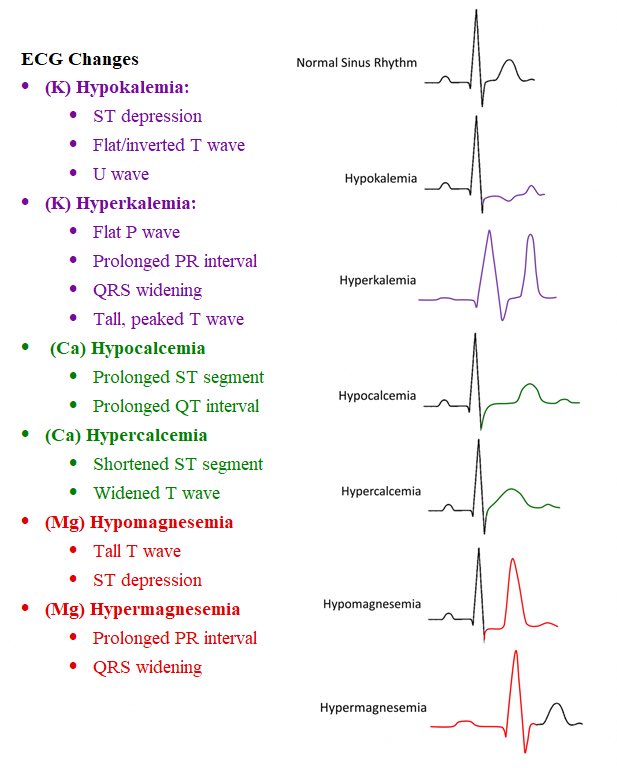
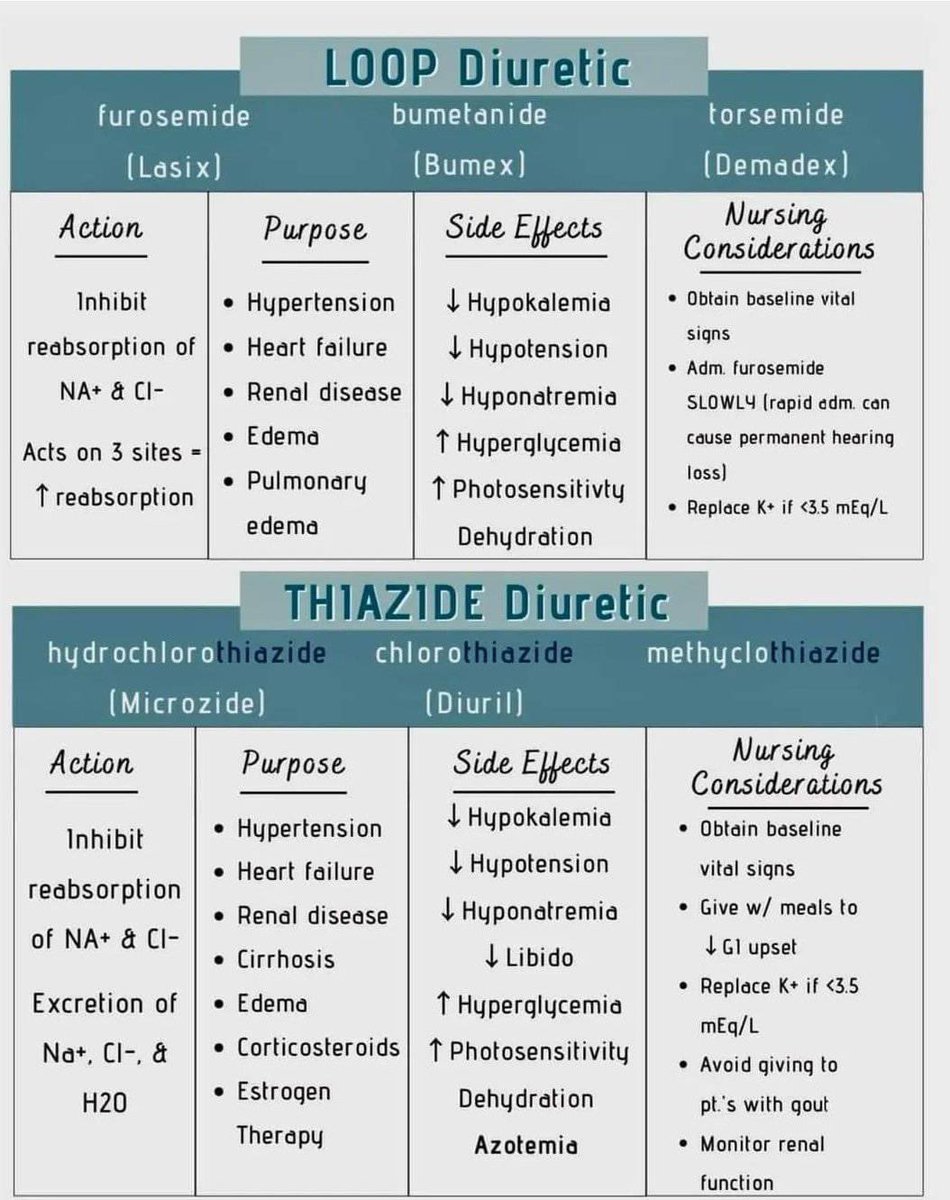
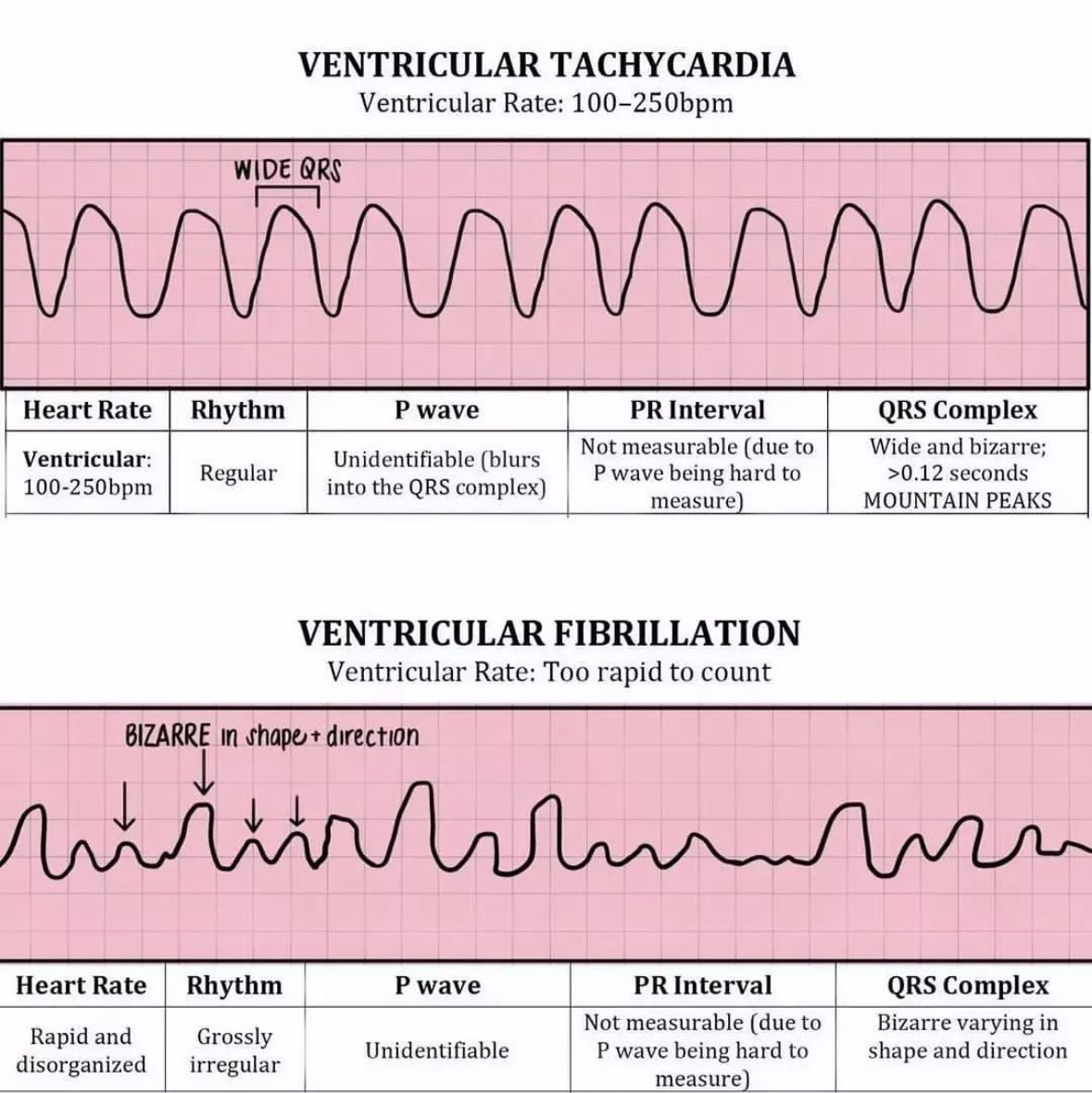
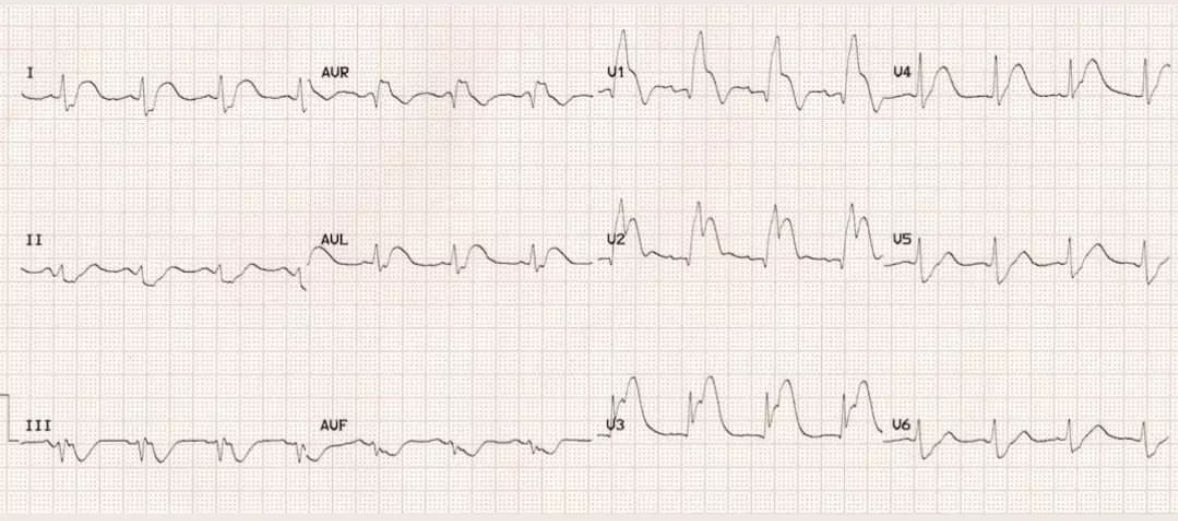
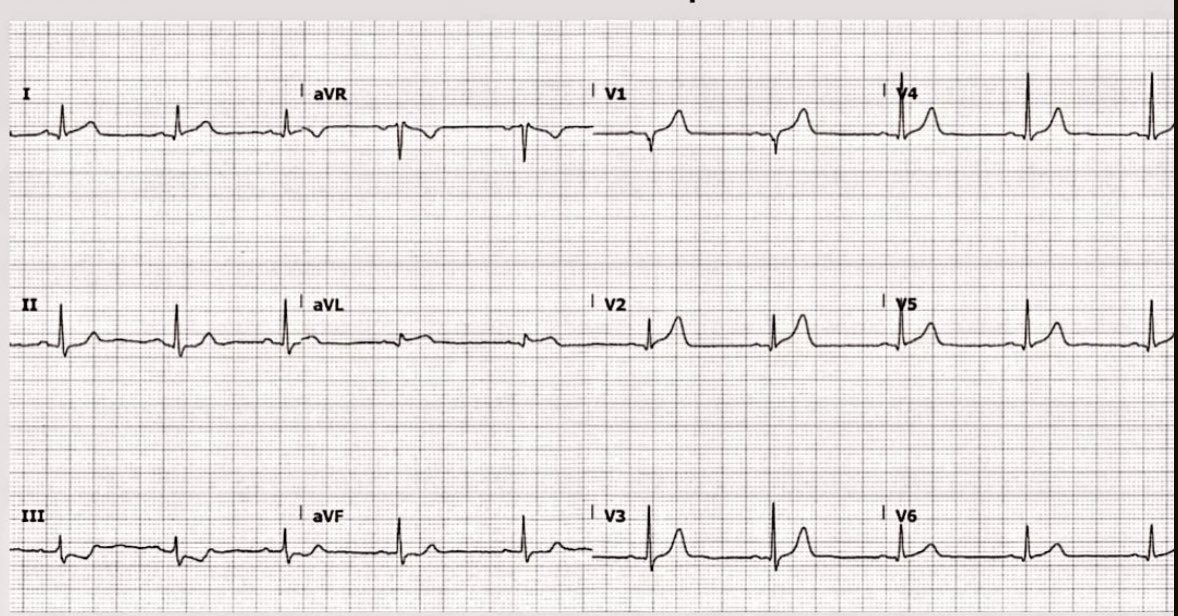
71yrs Male brought by ambulance
to ED.
He complains of Palpitations
BP 74/45mmHg
Potassium = 1.5 mEq/L
1. Diagnosis ?
2. Immidiate Treatment ?
3. Work-up ?
🔬 Study: High vs. Low Dose Nitroglycerin in Heart Failure & 🫁 Pulmonary Edema
💊 High-Dose: 600-1000 mcg bolus, 100 mcg/min infusion
💊 Low-Dose: 20-40 mcg/min infusion, no bolus
🇮🇳 Research in India, 54 Patients
🕒 Outcomes at 6 & 12 Hours
📊 Primary Outcome: Symptom Resolution
📈 6hr Results: 65.4% in high-dose vs. 11.5% in low-dose group
📈 12hr Results: 88.5% in high-dose vs. 19.5% in low-dose group
🔍 Conclusion: High-dose leads to significantly better symptom resolution at 6 & 12 hours
🔄 Clinical Implication: Supports higher dose efficiency in SCAPE management
😅Rapid Agitation Control With Ketamine in the Emergency Department: A RCT 😅
1️⃣Study Objective: 🎯 Evaluate if intramuscular ketamine reduces time to sedation in agitated ED patients.
2️⃣Methods: 📊 Randomized trial comparing ketamine with midazolam-haloperidol in patients with severe agitation.
3️⃣Patient Treatment:
💉 Ketamine group: 5 mg/kg; Midazolam-haloperidol group: 5 mg each.
💉 Primary Outcome: ⏱ Time from medication to sedation (RASS ≤-1).
4️⃣Results: 📈 Median sedation time: Ketamine - 5.8 mins; Midazolam-haloperidol - 14.7 mins. Ketamine faster (8.8 mins difference).
5️⃣Adverse Events: 🚨 Ketamine: 12.5% patients; Midazolam-haloperidol: 5% patients.
6️⃣Conclusion:
✅ Ketamine provides quicker sedation in severe agitation in the ED, with a higher rate of serious adverse events.
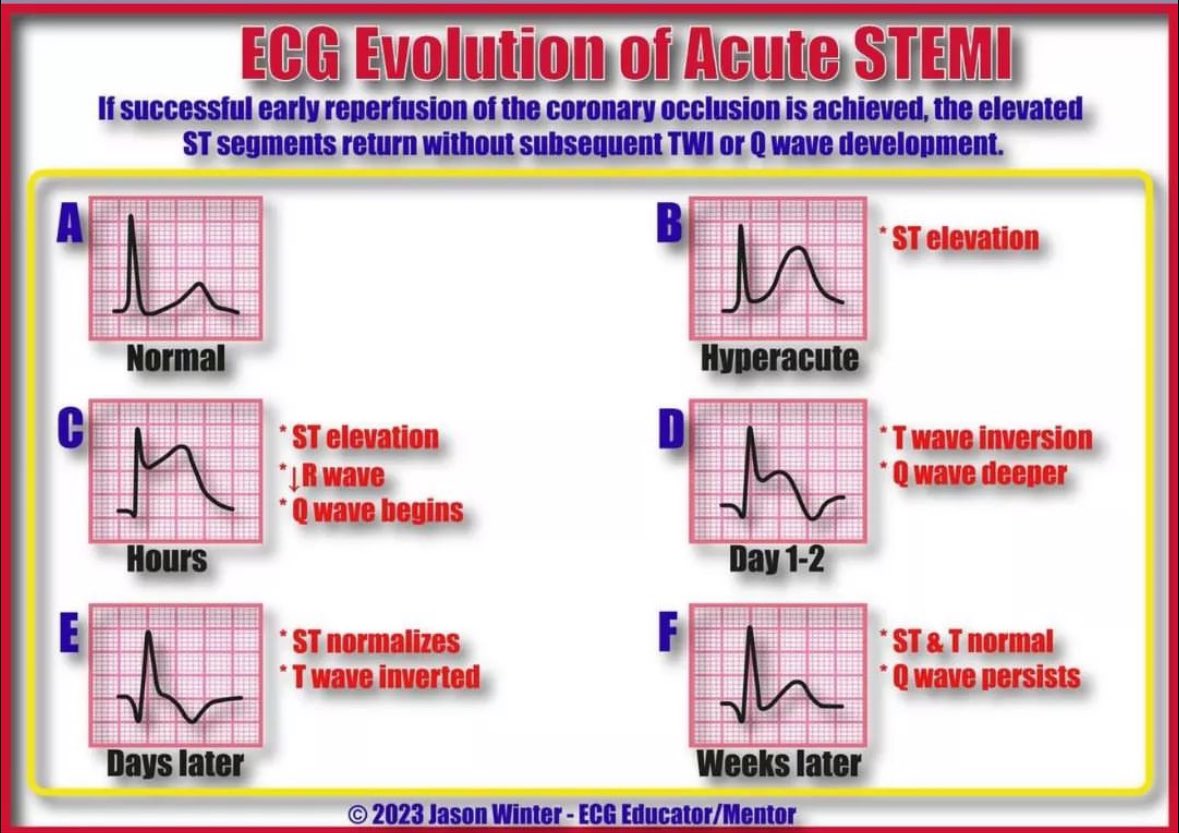
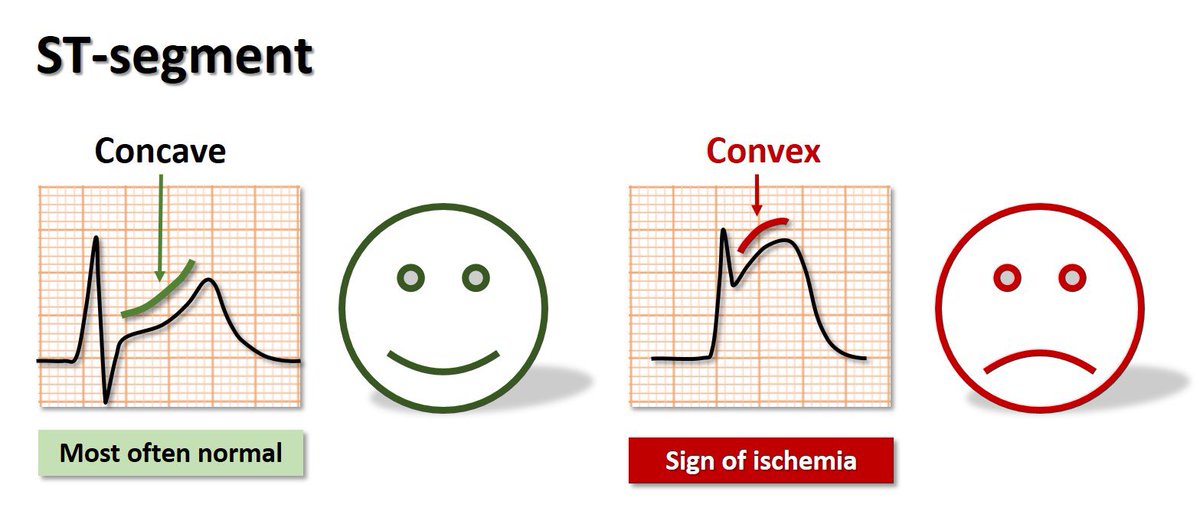
🩺 Classic EKG in Pericarditis:
- Diffuse ST elevations
- Concave upwards STE
- PR depressions in multiple leads (viral)
- PR elevation in aVR
🔴 Ruling out STEMI:
- STE III > STE II (strongly favors STEMI)
- STD in leads other than aVR/V1 (indicates acute MI)
- Presence of new Q waves
- STE convex upwards or horizontal (favors STEMI)
#Cardiology #EKG #STEMI
Chvostek sign and Trousseau sign are clinical tests used in the diagnosis of hypocalcemia.
⏺️Chvostek sign is elicited by tapping the facial nerve, causing twitching of the facial muscles if positive. ⏺️Trousseau sign is induced by inflating a blood pressure cuff, leading to carpal spasm in cases of hypocalcemia. These signs are indicative of neuromuscular irritability due to low calcium levels.