F&R is a journal, for the publication of original research (both clinical and scientific) and review articles on the entire field of reproduction medicine.
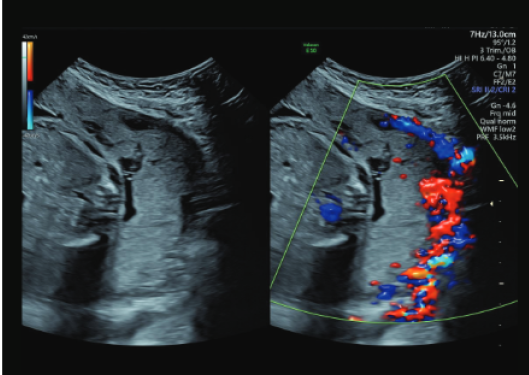
In the latest edition of F&R, we dive into placental accrete spectrum (PAS) in both natural pregnancies & pregnancies following assisted reproductive technologies (ART). Read the primary data in a series from India, a review of PAS,ART & expert commentary. https://t.co/nPlmtL8eJG
Is it possible to get pregnancy-related ovarian hyperstimulation in a hormonal (programmed) frozen embryo transfer? The answer is YES! See this well-documented case report https://t.co/rWyIfDlrRy
ASPIRE has developed a consensus framework for an endometriosis network of expertise, integrating perspectives from patients and advocates to improve care across Asia-Pacific. Read here: https://t.co/Pys3WWXTTd
Latest Journal Issue is now out!
Don't miss out on groundbreaking studies and expert perspectives.
Volume 7, Issue 02 (June 2025) is now available.
Read more here ➡️: https://t.co/fBljipYSaE
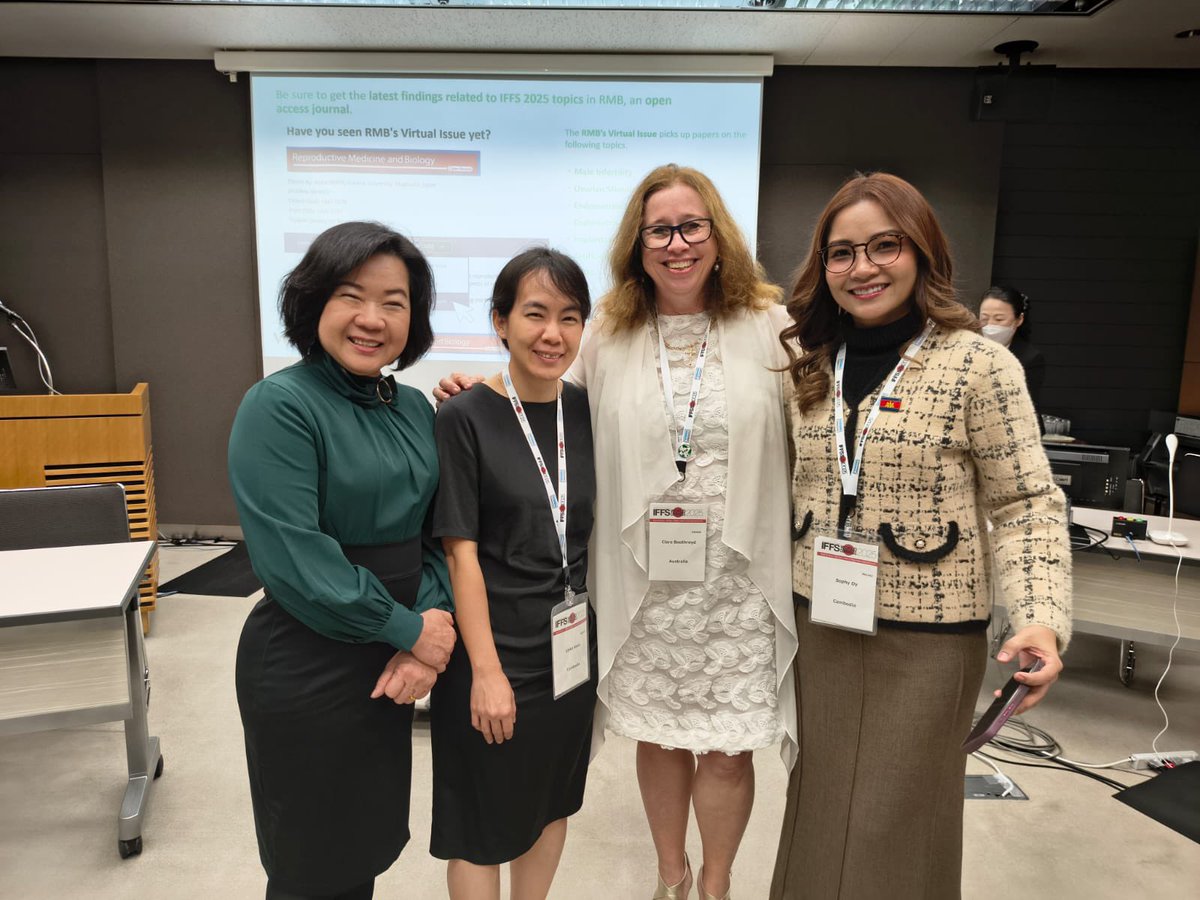
On Easter Monday, ASPIRE President, Dr Clare conducted a two-hour teaching session with Dr Koun Linka and her colleagues from Cambodia, where fertility treatments and IVF programs are currently being developed.
Read more here: https://t.co/KZXh4yVW8N
The history of Cambodia is comprehensively described and the effects on the total fertility rate of its people. It is a wonderful read so don’t miss it.
Read more here: https://t.co/WBgCE10OTV
Adenomyosis is a controversial contributor to infertility. Read our two expert invited opinions in this edition to enhance your understanding of the controversy about this common condition. Imaging evidence of adenomyosis (IEOA) does not seem to influence IVF clinical pregnancy rate and live birth. Is it our imaging modalities or the disease? Our experts share their opinions.
IEOA = Imaging Evidence of Adenomyosis.
Read more here:
https://t.co/enyKg2IwIo
https://t.co/n44sxAOH8G
Dive into the latest research and insights in reproductive medicine. Don't miss out on groundbreaking studies and expert perspectives.
Volume 6, Issue 04 (December 2024) is now available.
Read more here ➡️: https://t.co/DW5l241wrG
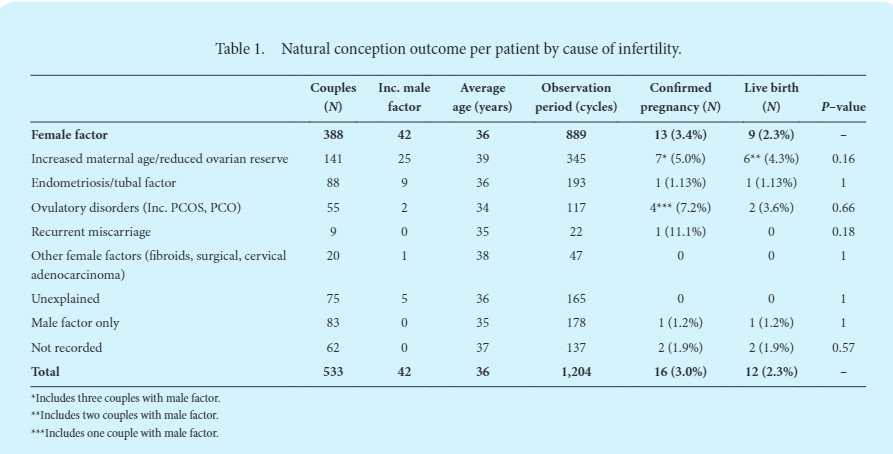
An interesting observation cohort of patients attending low cost IVF units in Australia whose treatment was delayed during the COVID-19 pandemic showed the live birth rate was only 2.3% per month, and half that (1.2% per cycle) in those with male factor or tubal based infertility. This concurs with established observational data that IVF is appropriate for those with delay in conception and that cycle fecundability generally 22% per cycle at the commencement of attempting conception is progressively eroded over time if pregnancy does not occur. The authors are to be congratulated on producing an interesting study which confirms the appropriateness of utilization of IVF in prolonged infertility.
Read more here: https://t.co/ZW1WwOO8ZJ
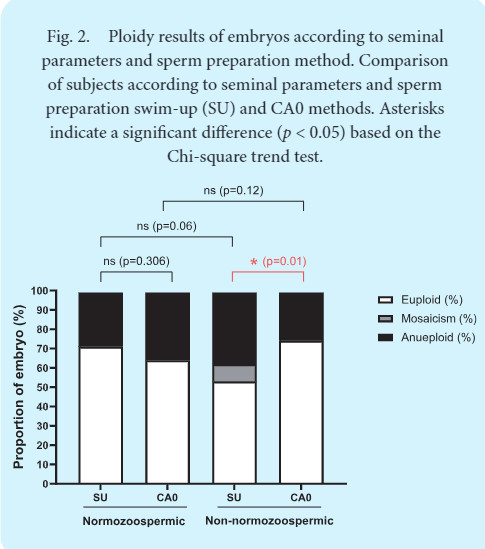
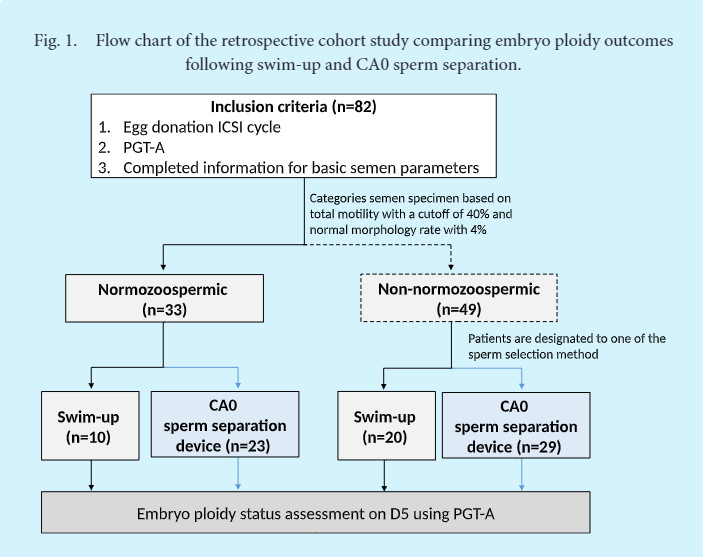
A retrospective cohort of use of CA0 (a sperm selection device) compared to standard swim up sperm selection showed benefit of CA0 in embryo euploidy when the male partner had an abnormal semen analysis. The effect of oocyte euploidy on the final outcome was controlled for by limiting the study to donated oocytes. This study adds to the growing database that sperm selection devices can potentially enhance the efficacy of medical assisted reproduction particularly in male factor infertility. See a review of sperm selection: https://t.co/vGxEdBxRGF
Dive into the latest research and insights in reproductive medicine. Don't miss out on groundbreaking studies and expert perspectives.
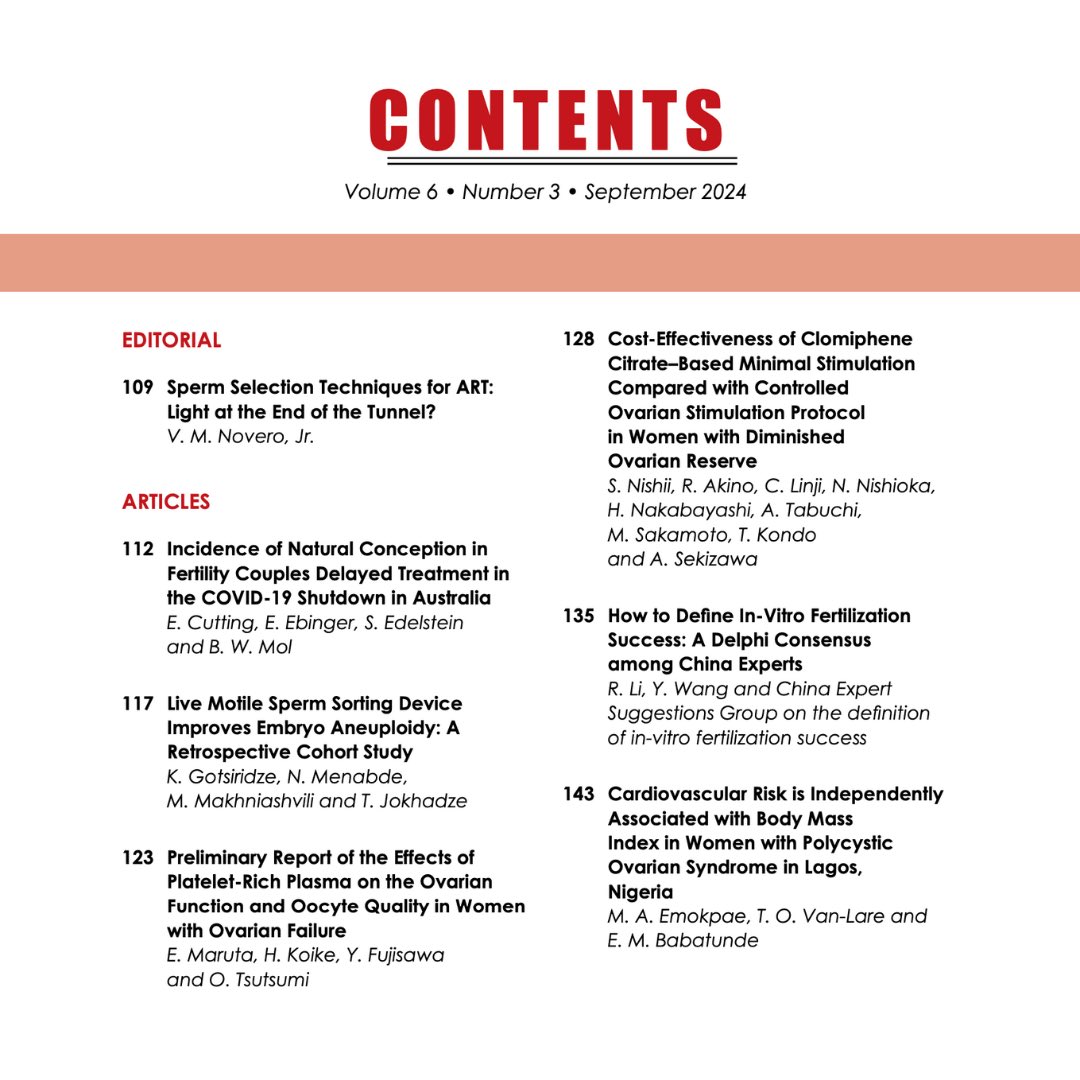
Volume 6, Issue 03 (September 2024) is now available.
Read more here ➡️: https://t.co/6yhNvTQC2y
Bigger may be better when it comes to blastocyst transfer. Recent work from Japan suggest that when multiple embryos are frozen at the same time on day 5 of culture, a higher pregnancy rate can be obtained by selecting embryos with larger blastocyst diameters. In addition, it is important to confirm sufficient blastocyst expansion before cryopreservation.
S = small M = medium L= large
https://t.co/R4nZJB8HlB
Great news for women needing hormones to prepare their uterine lining for frozen embryo transfer.
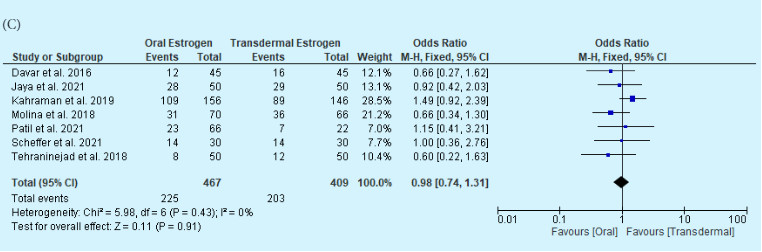
There is no difference in clinical pregnancy rate (evidence of a pregnancy on ultrasound) if the preparatory oestrogen is given as a patch (via the skin) versus if the oestrogen is taken as a tablet orally. This is really good news as oral oestrogen (which may be required in high dose for frozen embryo transfer) is associated with an increased risk of blood clotting. These are pooled data from several studies on nearly 900 women.
Click here for the full study report https://t.co/spziieNNZJ
New hope for women with endometriosis.
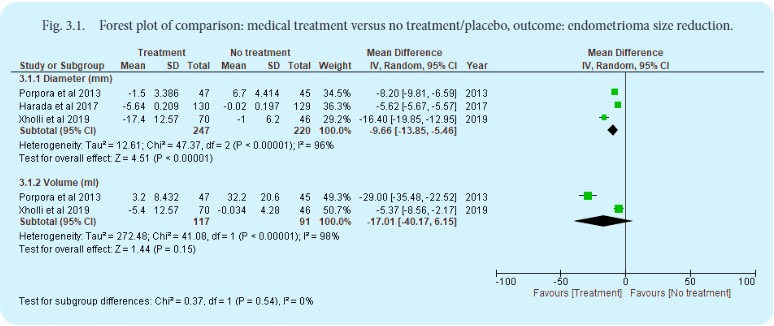
The use of medical therapy (medications taken by mouth) is associated with endometrioma size reduction and a reduction in endometriosis-related pain when compared with no medical treatment given. With the availability of various medical options, surgery can thus be avoided to minimize the risk of damage to the ovarian reserve.
You may read more here: https://t.co/jI4Qcvorm9