For those still unaware, I am the original author of Call of Cthulhu the roleplaying game. I run my games in the 2020s, not the 1920s. Sometimes people ask me how to make games scary in the modern era. I suspect they think that cellphones and the internet, the bad guys won't have a chance.
This sees things backwards. The cultists have cell phones too. More to the point, modern technology is horrific and dehumanizing in a way not seen in the 1920s. I'm certain the King in Yellow has a TikTok feed. Our easy communication is a vulnerability - a method to more fully doom humanity.
In The Shadow From the Steeple, Robert Bloch tells us Nyarlathotep is behind the Manhattan Project. Because of course the Great Old Ones WANT us to have nukes.
In Lovecraft's tale The Dunwich Horror, Wilbur Whateley's plan to destroy the world is thwarted because he can't get his hands on a complete version of the Necronomicon. But today, the Necronomicon would be on Project Gutenberg. Every kook and psychopath on Earth would be trying out its formulae and the good guys would be completely overwhelmed.
To give my two cents about video games as art, I don't think anything in my life has, will, or can impact me as deeply as the pinball mini game in Sonic Adventure 1.
Imagine being a child and playing some janky pinball mini game and launching sonic to the back of the machine and being transported to a lush beautiful world from a completely different game that you knew nothing about, with a purple clown character dancing in the center, It shook my being.
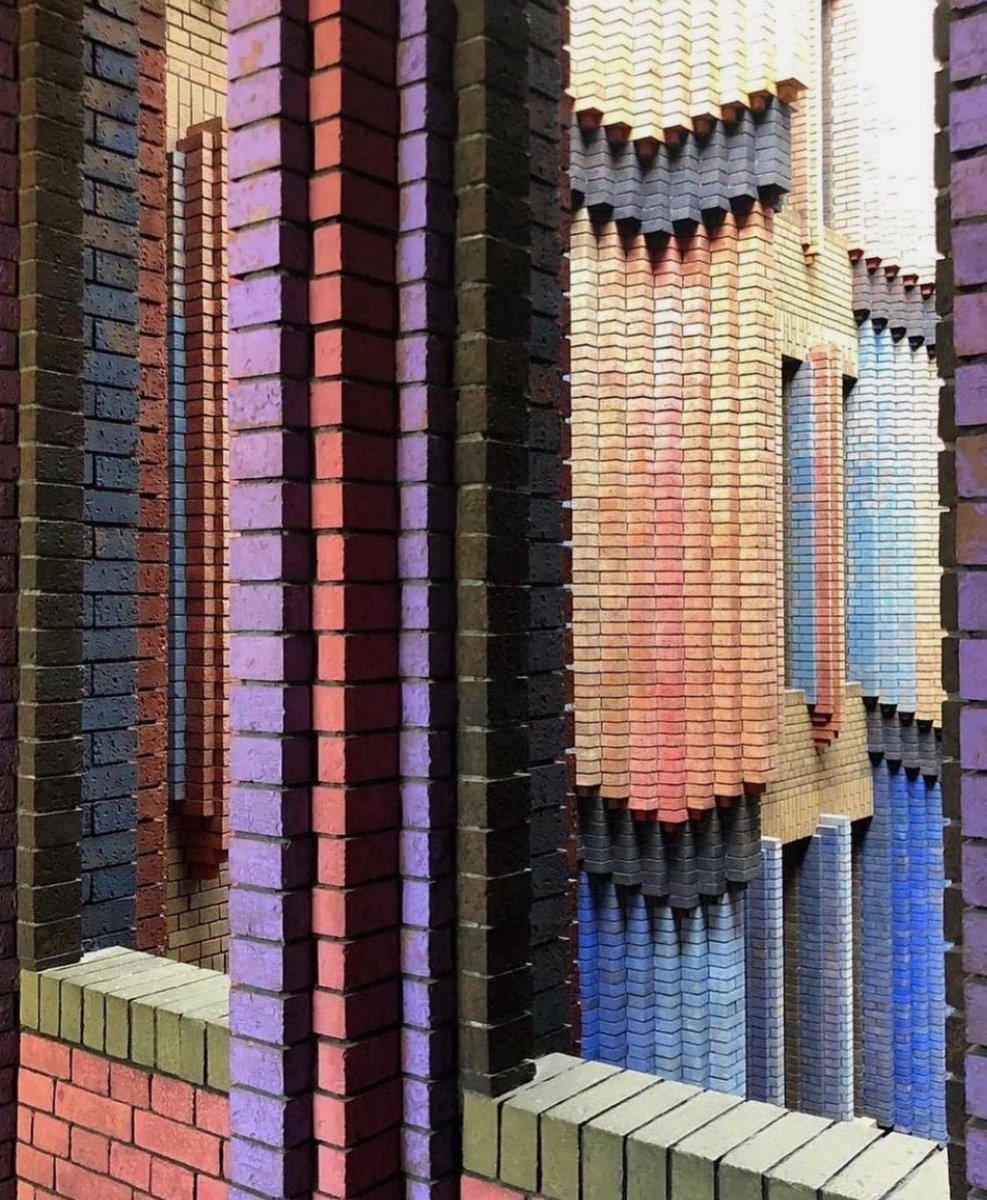
There's an art movement I find under-exploited in movies and video games: Formicat-punk, or Giscard-punk. (Giscard d'Estaing was a French president in the late 1970s)
This retro-futuristic, typically French style fascinates me. I'd love to work on a universe like that.
That's actually a really neat writing exercise, imagine a fightscene between human/oids in an environment that was designed by and for non-human/oids and how that would affect choreography
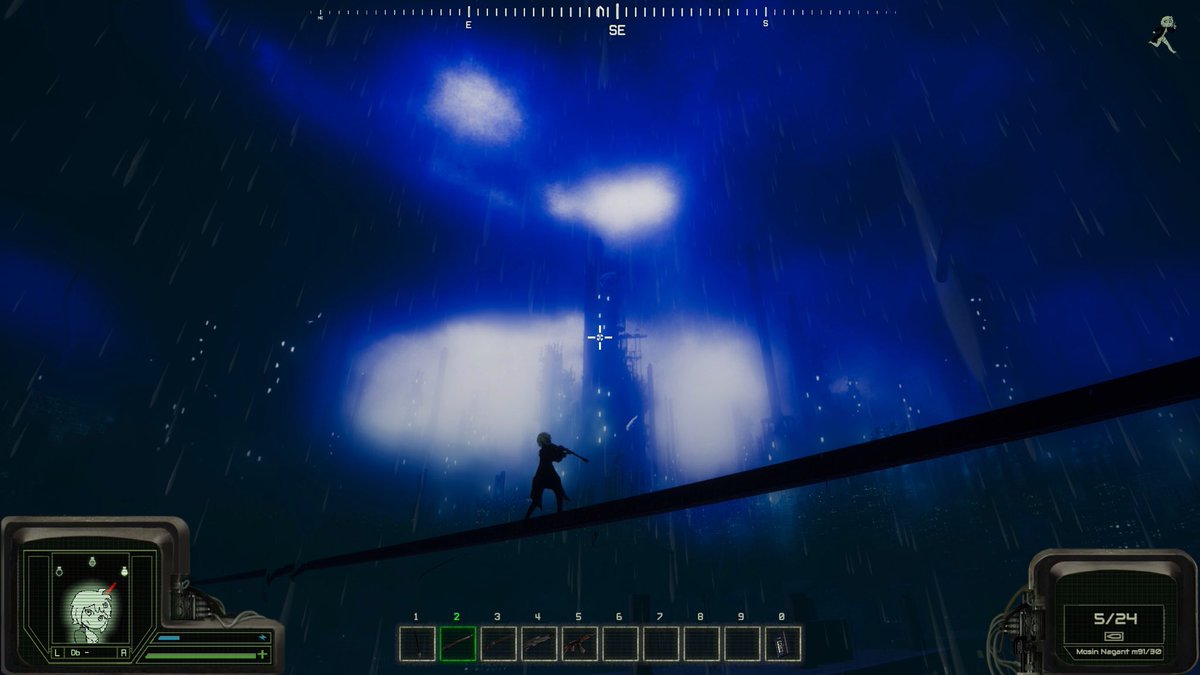
VOID/BREAKER is one of the best shooters you probably haven't played. Highly destructible environments that actually factor into the combat and lots of weapon mod customisation and things to upgrade and unlock.
Those wheels you’re looking at are 0.75 millimeters thick. That’s half the thickness of a US dime. Each one was carved from a single block of aluminum, and NASA sent six of them to Mars knowing they’d eventually shred.
Curiosity was built for a 2-year mission. It landed in August 2012, and by December that year NASA had already extended the mission indefinitely. Thirteen years and 35.5 kilometers later, the rover is still going, but the wheels started cracking just 14 months in. The damage came faster than anyone at JPL predicted. Sharp embedded rocks were punching straight through the skin between the treads.
So NASA assembled a Wheel Wear Tiger Team (a crisis problem-solving tradition that goes back to Apollo 13) and got to work. In 2017, they uploaded a traction control algorithm from Earth that adjusts each wheel’s speed in real time based on the terrain, reducing force on the front wheels by 20%. They rerouted the rover to softer ground and started driving backward when possible, because pulling wheels over rocks produces less force than pushing them into rocks.
The wildest part: if enough treads snap off, Curiosity is designed to find a sharp rock on Mars and use it to deliberately rip out the damaged inner section of its own wheel. JPL tested this on a replica rover and found Curiosity can keep driving on just the outer third. They predict this won’t be needed until around 2034.
Every 1,000 meters, the rover pulls over and uses the camera on its robotic arm to photograph its own wheels so engineers on Earth can count every crack. Each wheel also has tiny holes that spell “JPL” in Morse code, which Curiosity uses to measure distance by photographing its own tracks in the dirt.
These photos directly changed the next rover. When NASA built Perseverance, engineers 3D-printed about 70 different tread designs before landing on 48 curved treads instead of Curiosity’s 24, with thicker skin. They tested the new wheels over 60 kilometers and got zero damage by Curiosity’s original failure definition. “A boring graph with no data on it,” as one JPL engineer put it.
A $2.5 billion machine doing self-surgery with rocks on another planet because the mission outlasted its design by 6x.
"We don't have anything to talk about anymore. Every combination of words has been played out.
The atoms don't form us anymore: us, our love, our unborn daughter."
When your sense of self is fragile you become honestly a huge bore to talk to bc in every conversation you’re hoping this person will bolster your self-concept in some way.
Which makes you less attentive, less present, less fun, more self absorbed. The best thing you can do is to stop ruminating on your flaws all the time and think about other things.