Shout-out to everyone engaged in knitting, embroidery, crochet or other needlework activities...
Based on a poem by Ovsei Driz, a notable Soviet-Jewish poet who wrote in Yiddish & translated to Russian by Genrikh Sapgir:
'Ball of Yarn / Klubok' (1968) dir. Nikolai Serebryakov.
The ancient Armenian festival Vardavar is held 98 days after Easter. Traditionally, Armenians offer roses to the goddess Astghik & drench each other with water.
#FolkloreThursday
'Vardavar / The Festival of the Roses' (1989) dir. Yuri Muradyan.
Told in the most outrageously glorious Zeman style - live
action and highly stylized animation - here we have the
outlandish adventures of:
'The Fabulous Baron Munchausen / Baron Prášil' (1962) dir. Karel Zeman.
A sequence from Moomintroll and the Others (1978), dir. Aida Zyabliakova, Studio Ekran
Created at Ekran, Moscow's main TV studio during the Soviet era, this engaging stop-motion take on Moomin gives the series a distinctly Russian twist
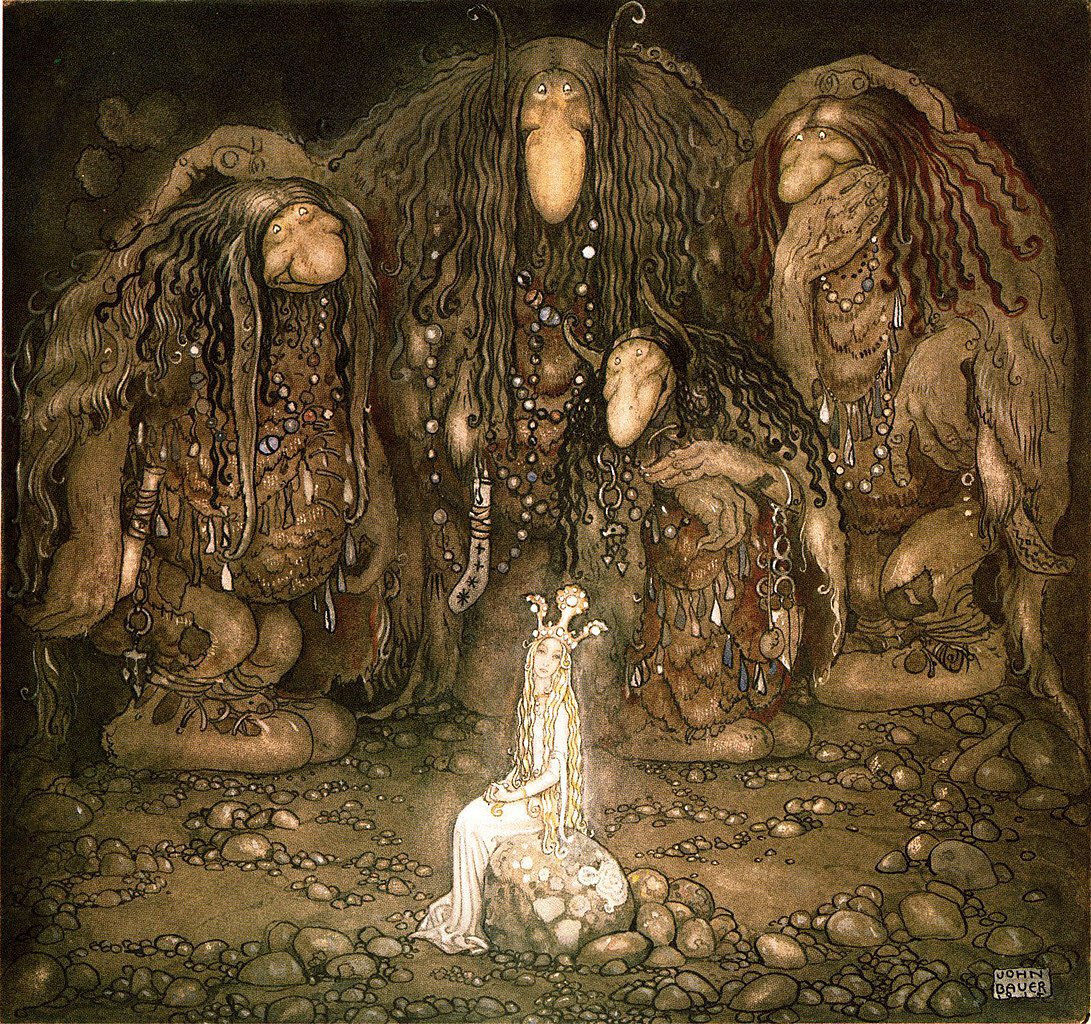
In Scandinavian folklore ‘underjordiske’, meaning the ones under ground, are fairy creatures called ‘vetter’, Old Norse vættr, such as the hulder, trolls, nøkk, etc. Swedish artis John Bauer (1882-1918) is admired for his capture of Nordic folklore. #FolkloreThursday#art
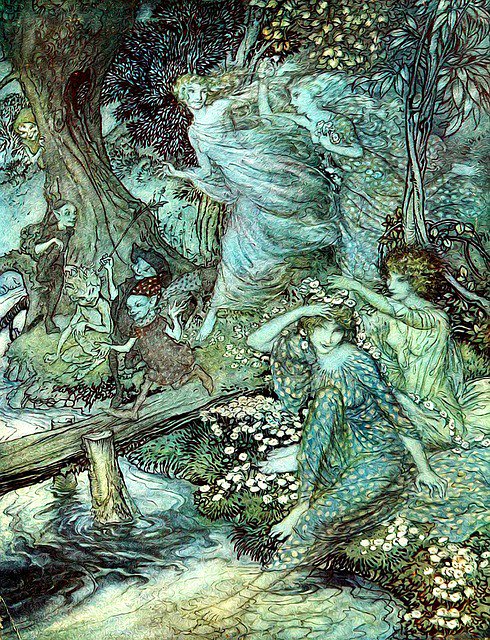
Enchanted forests are described in the oldest folklore. Home to fairies, witches, and monsters, the forest can feature as a place of threatening danger, or one of refuge, or a chance at adventure. (Img: A. Rackham") #FolkloreThursday
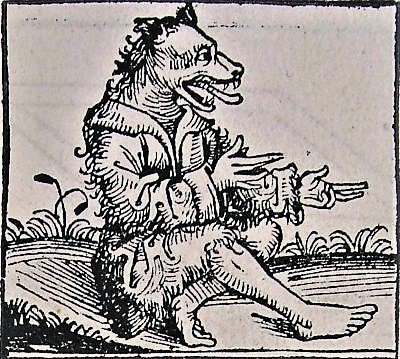
Werewolves don't get a lot of good press, but the Shetland Islands' WULVER is an exception. This gentle, kind-hearted creature is known for guiding lost travellers to safety and for leaving freshly caught fish on the windowsills of poor families. What a cutie! #FolkloreThursday
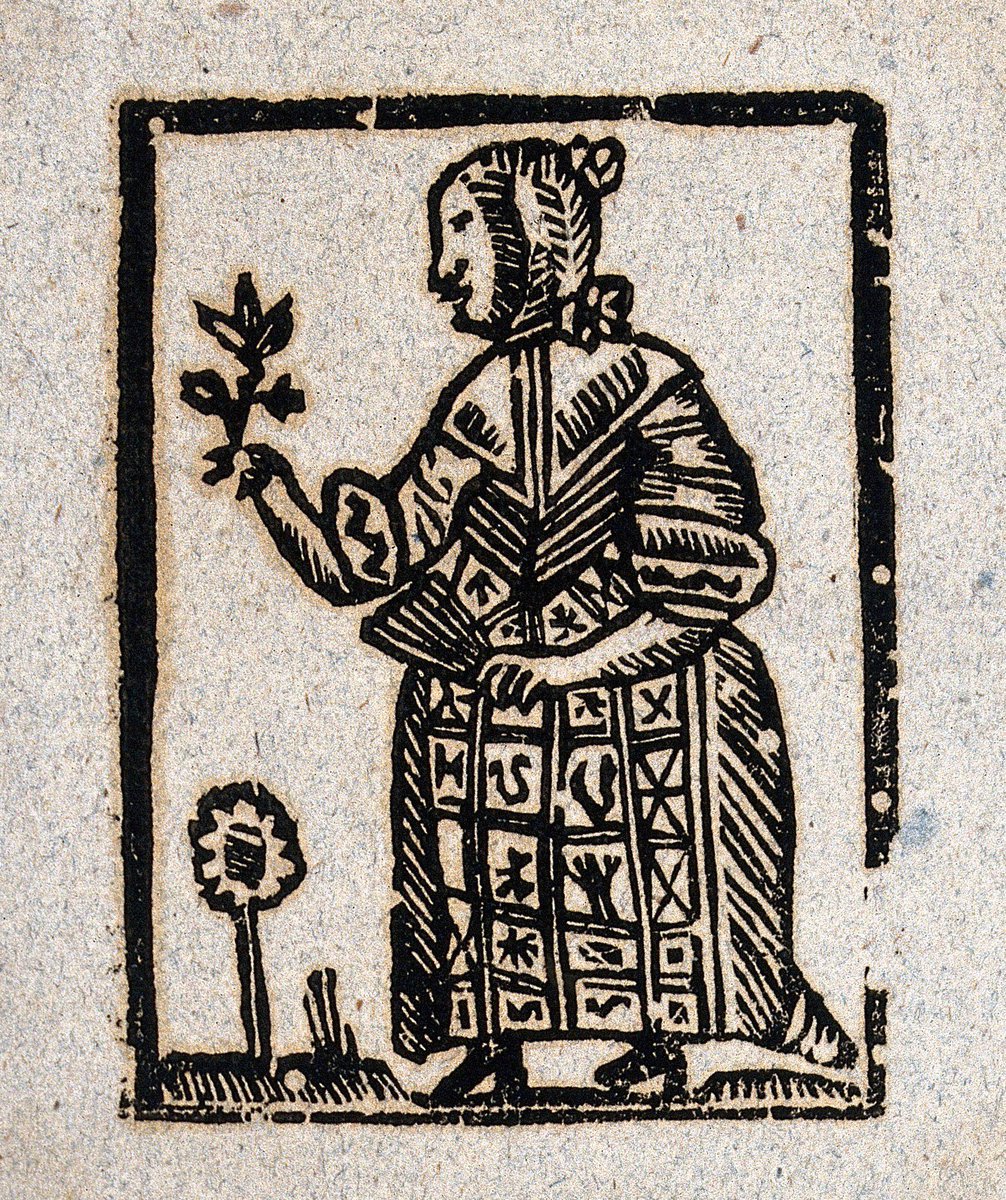
A beautiful little woodcut of a Hedge Witch holding a plant and a fan, wearing a skirt embroidered with magical symbols. Fun fact: In England, scratching a witch deep enough to draw blood was thought to counteract her curse. #FolkloreThursday
(Wellcome, no. 603070i)