The Astrodynamics, space Robotics, and Controls Lab (ARCLab) at @MIT works at the intersection of autonomy, astrodynamics, and controls in space exploration.
Curious about astrodynamics research at @MIT? 🛰️
Follow @AstrodynamicMIT for updates from @MITAeroAstro researchers working on space situational awareness, satellite guidance and navigation, estimation and controls, reinforcement learning, optimal control.
Today Arclab officialy presents BEAVR, an open-source, end-to-end VR teleoperation pipeline for dexterous robots.
While robotics is undeniably an emerging domain for AI, advancing the field requires solutions that resolve the current fragmentation and lack of adaptability. [1/3]
BEAVR is designed for quick adoption, with continuous support and integration of the latest technologies.
Its core architecture leverages @Meta Quest 3S VR Glasses, @UFACTORY_UF robotic arms, and @LeRobotHF's latest dataset format.
BEAVR's webpage: https://t.co/uDs9vhGXUo [3/3]
They focused on solving two main problems:
1. 🔓The lack of a well-developed, open-source, accessible teleoperation system that can work out of the box
2. 🦾 No performant end-to-end control, recording, and learning platform for robots that is completely hardware agnostic [2/3]
Announcing the 2nd annual MIT ARCLab Prize for AI Innovation in Space! This year’s challenge from @AstrodynamicMIT: creating an AI model to forecast space weather to help protect critical satellite systems. Join the 1st phase of the challenge on Nov. 15!
https://t.co/pv8dXNVF7o
Last month's geomagnetic storm was the largest in over 20 years! ARCLab researchers analyzed satellite behavior during the storm to better understand how these events impact operations in LEO.
Learn more here: https://t.co/gy2FA0FMW1
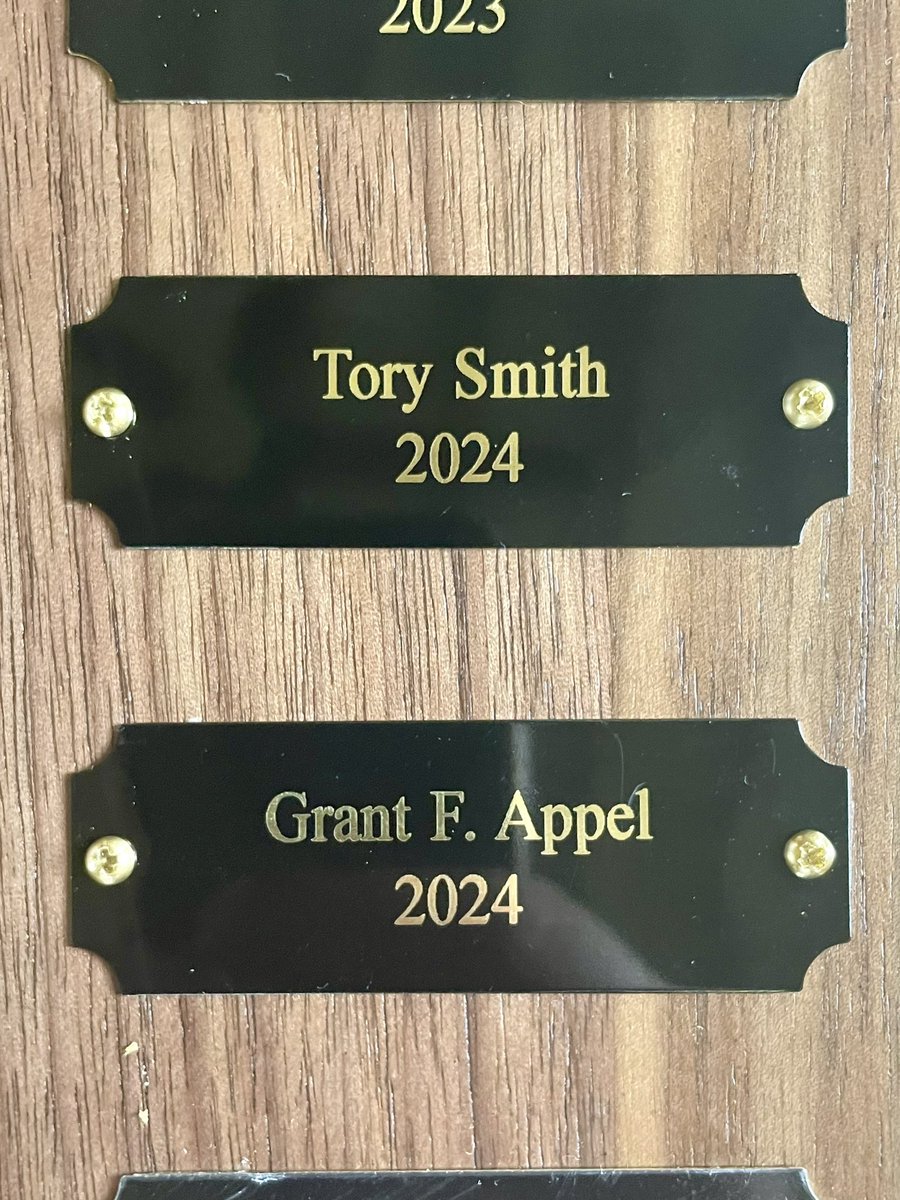
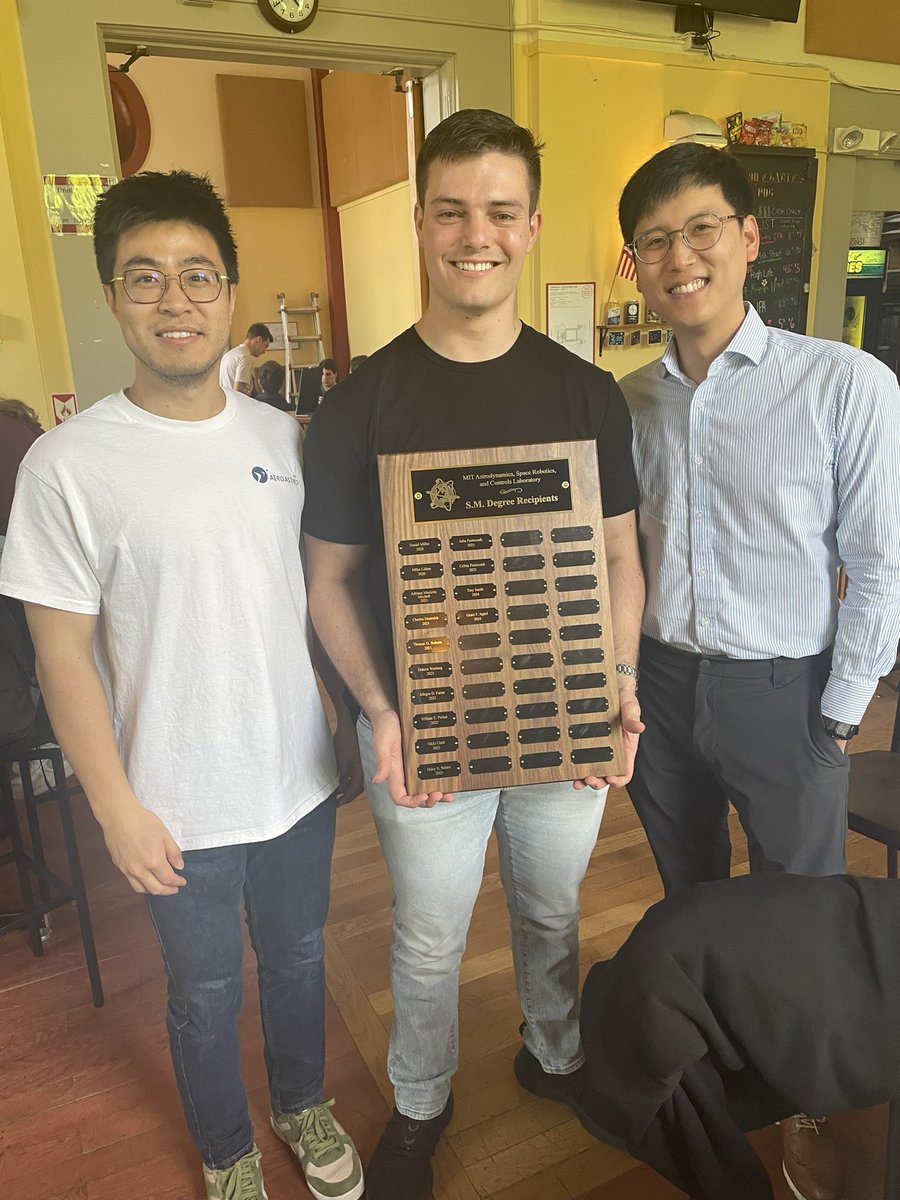
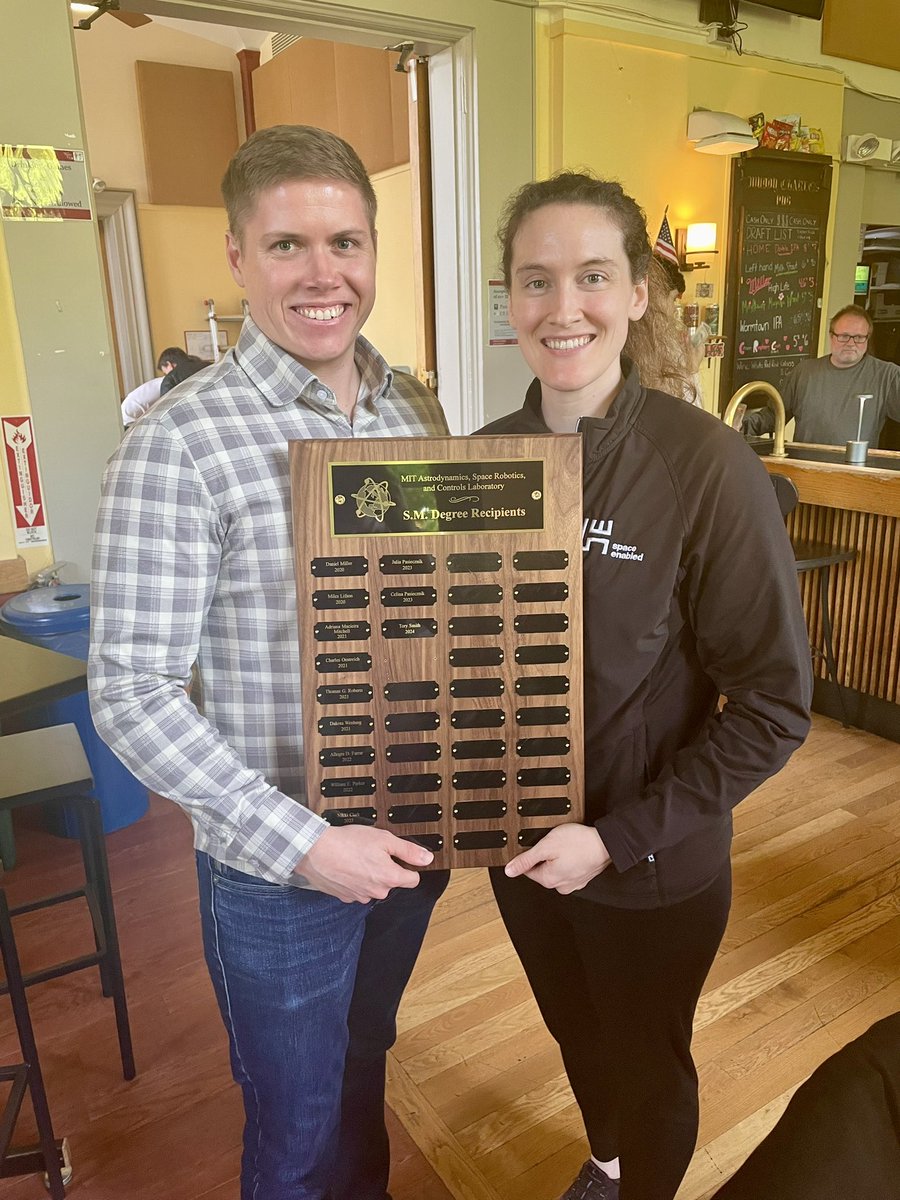
Congratulations to our soon-to-be ARCLab SM graduates—@SpaceForceDoD Capt Tory Smith and Lt Grant Appel—on submitting their masters theses!
#AdAstra 🎓✨
ARCLab researchers have improved their Monte-Carlo model for studying the long-term evolution of the space environment. The latest version can run new scenarios that predict *millions* of trackable objects over a 200-year period!
Read more here:
https://t.co/nTRlJY949w
Want to know what it's like to study astrodynamics at @MIT?
Listen in on a public seminar by post-doc Giovanni Lavezzi (who teaches the grad-level astrodynamics class at @MITAeroAstro!) and guests Riccardo Cipollone and Andrea De Vittori from @polimi on Thursday at 11 am ET. 👇
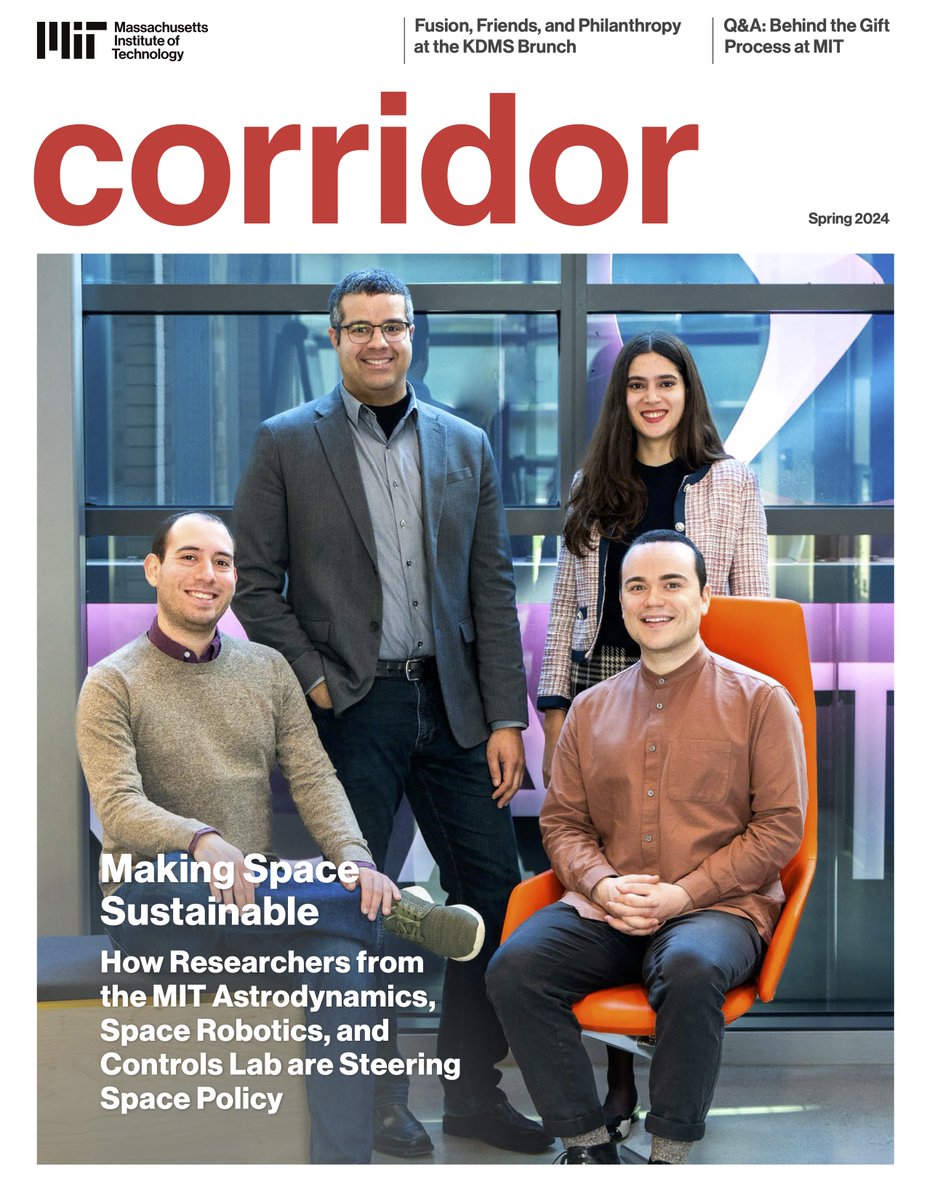
ARCLab made it to the cover of MIT's Corridor newsletter!
Check out the write-up of the lab's work, featuring lab director Prof. Richard Linares, Dr. Miles Lifson, Dr. Thomas González Roberts, and PhD candidate Adriana Mitchell.
https://t.co/IamQavyvS6
In addition to Giovanni's contributions, the seminar showcases ongoing research activities by the Surveillance and Proximity operatIons REsearch (SPIRE) team at @polimi. From orbit determination to collision avoidance routines, explore this forefront of space technology!
It's Space Week here in Massachusetts! 🔭
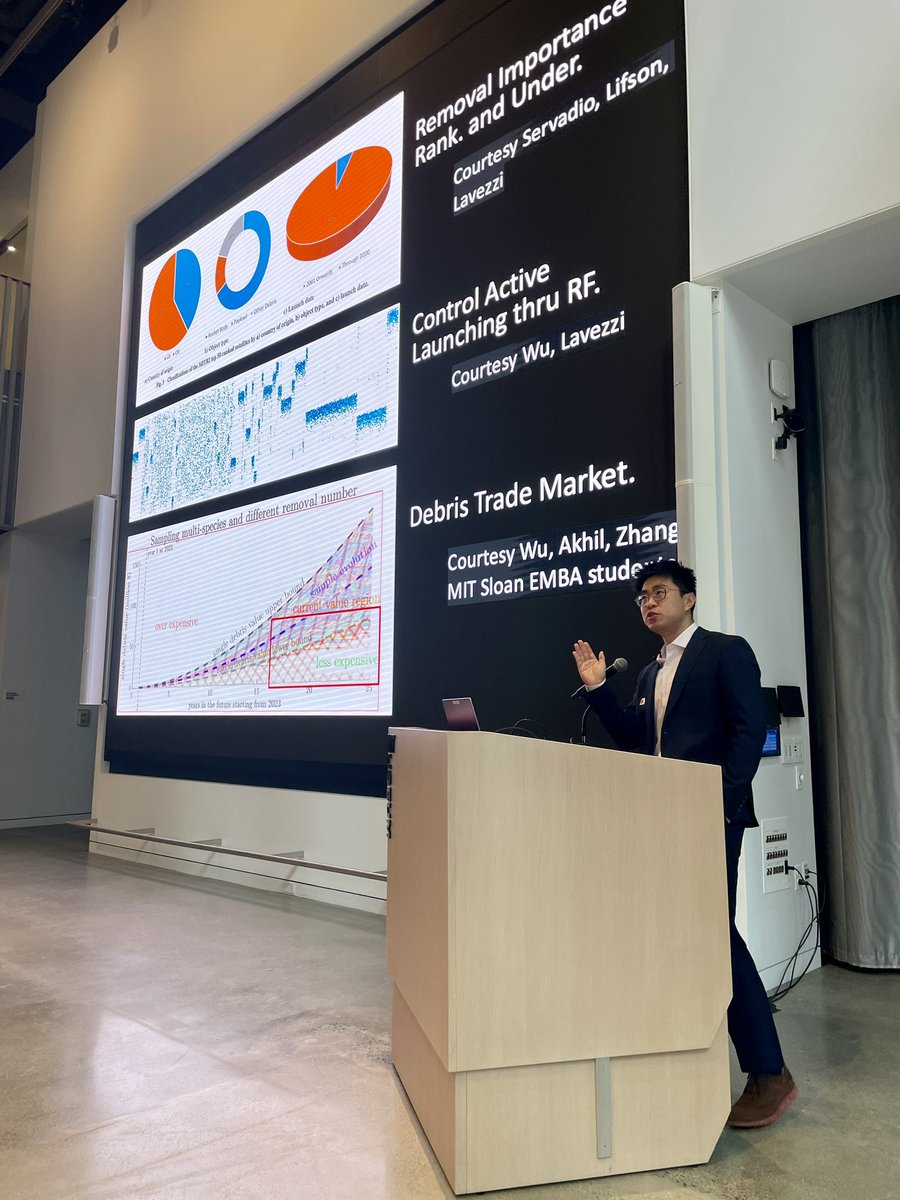
There is a *boat load* of events lined up, but there's one I'm most excited about: catch me give a public lecture tomorrow afternoon at 2:30 pm as part of the @MITMuseum's Space Day!
Details here: https://t.co/wwkbkbfBKj
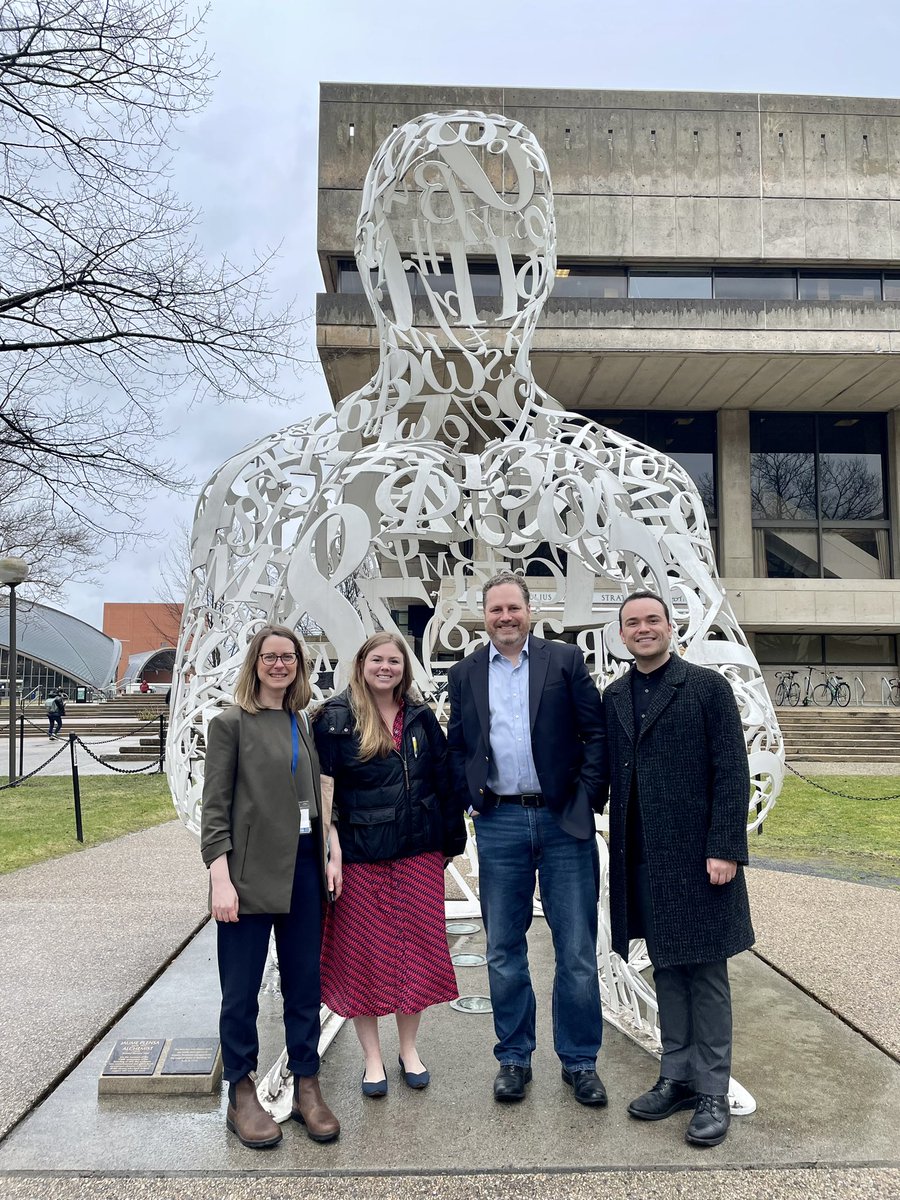
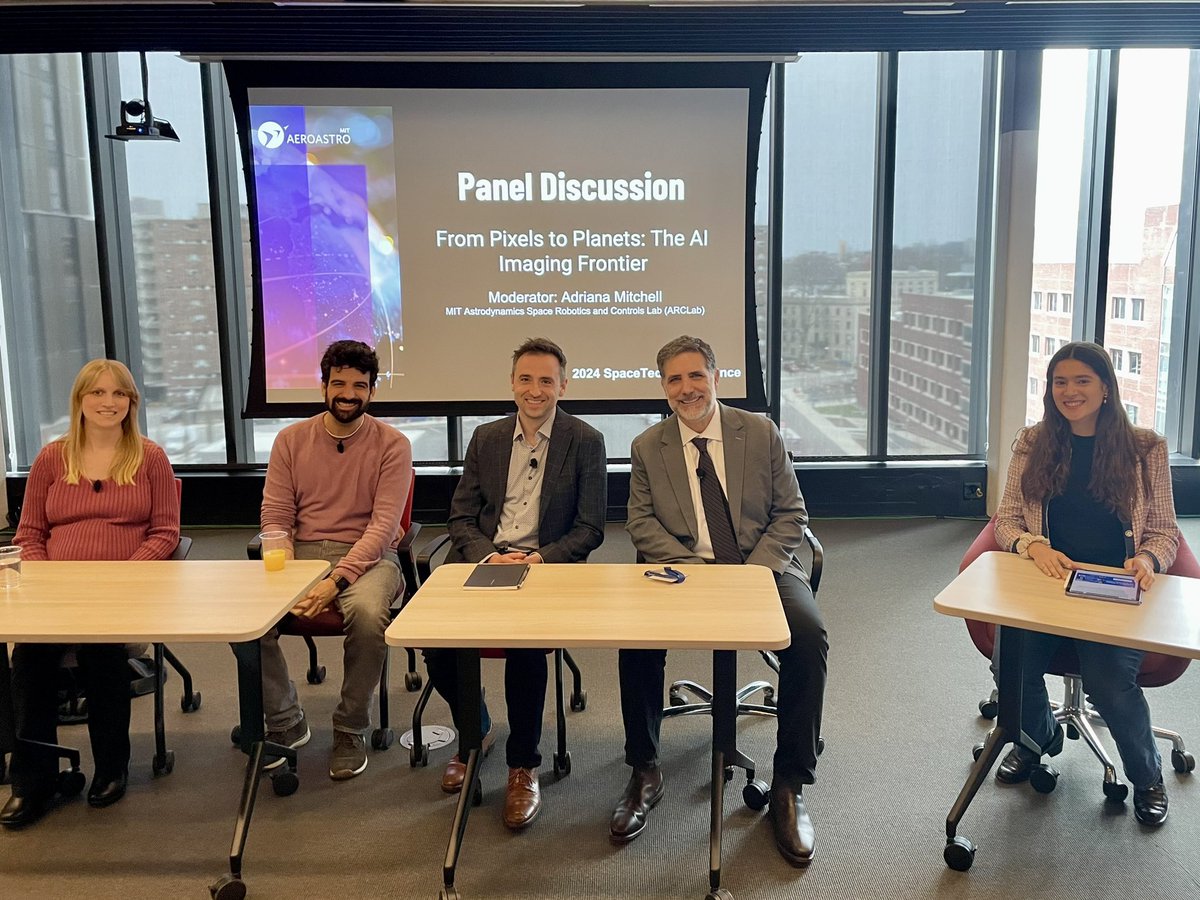
Welcome to SpaceTech 2024!
Catch three ARCLab students leading today’s programming: PhD candidates @JuliaBriden and @MacieiraAdriana, and now-Dr. @ThomasGzRoberts. More details in the thread below.
Live webcast starts at 9 am ET here: https://t.co/PmhqeShXaM
Three ARCLab researchers will take the main stage at @MITAeroAstro's SpaceTech 2024 conference next week. You don't want to miss it!
Learn more and register to watch online here:
https://t.co/TgPoJ5Rb6W
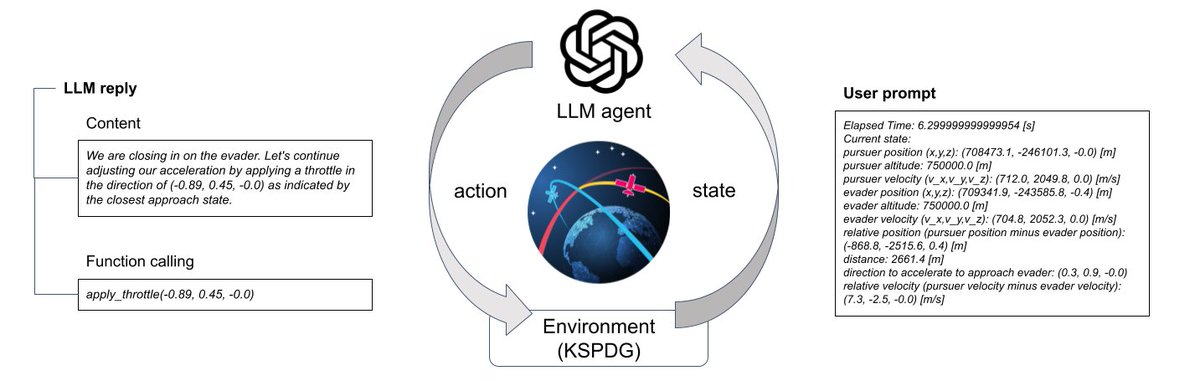
Could satellite operators use large language models to control their spacecraft?
As part of an international team, ARCLab researchers developed software to test this idea on the simulated space environment in @KerbalSpaceP.
Read their pre-print here:
https://t.co/BBuIjTBlqR









![AstrodynamicMIT's tweet photo. They focused on solving two main problems:
1. 🔓The lack of a well-developed, open-source, accessible teleoperation system that can work out of the box
2. 🦾 No performant end-to-end control, recording, and learning platform for robots that is completely hardware agnostic [2/3] https://t.co/q3I8vS57hw](https://pbs.twimg.com/media/G0-CjJOWoAAUcNv.jpg)