How dark is your night sky?
🌟How to put your own skies to the test
🌟Discover what the results reveal about light pollution
🌟Find out what you can do to help protect the night – at home or with your local council & other authorities
🔗 https://t.co/UhrClZNTrP
🛰️ Hera -Arriving at asteroid Dimorphos to discover what happened after Dart's 2022 impact – image unveil 25 Nov ⏩ https://t.co/3L2yS7o65T
🛰️ Euclid (12 Nov) & Gaia's (2 Dec) next major data drops
Euclid ⏩ https://t.co/j0aaSGmsVt
Gaia ⏩ https://t.co/txLi7pnnok
📢 Poll time! Big weeks ahead for space science news. What are you most excited to follow? Vote below – or tell us know in the comments if something else has your attention.
See thread for dates & source links to follow!
The Draconids meteors peak tonight!
The radiant sits in Draco the Dragon, high in the north‑west after sunset. The Moon is almost 'new', meaning moonlight interference is minimal.
Bookmark our free online meteor shower calendar so you never miss a peak: https://t.co/m34z0ovF6c
On 2 August 2027, a remarkable total solar eclipse will cross southern Spain and Northern Africa, with totality lasting more than 6 minutes!
Plan for an observing trip of a lifetime – our Stargazer's Guide 2027 is on sale now!
https://t.co/LxJF9Sei2w
Cosmology has a problem.
Different ways of measuring how fast the Universe expands disagree, even as measurements grow more precise. Are astronomers misled by hidden uncertainties, or could it point to a deeper rethink of our cosmic understanding?
🔗 https://t.co/4BLPVf0dBx
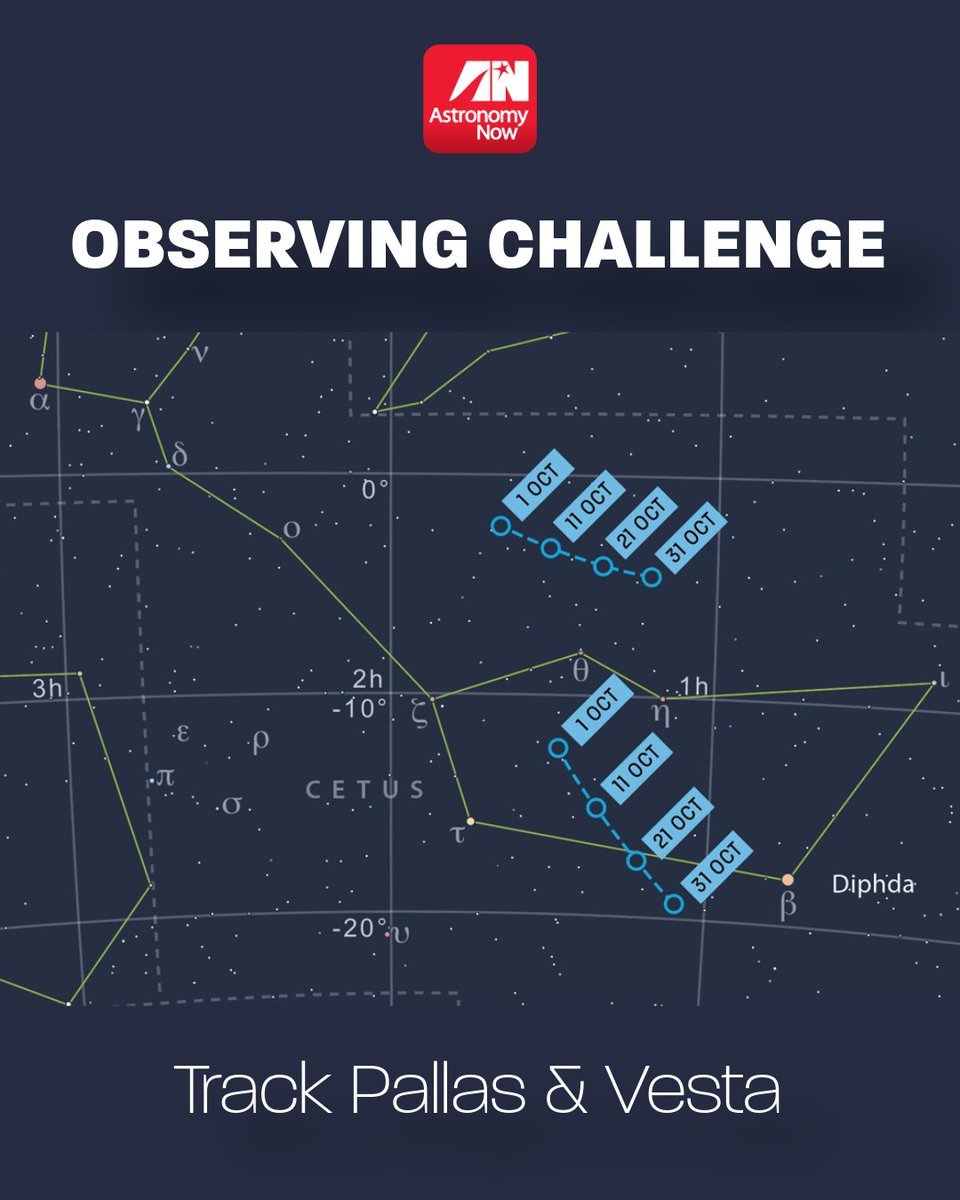
Double asteroid challenge!
Both Asteroid (2) Pallas and (4) Vesta come to opposition as they track through the constellation Cetus this month. Catch them through binoculars or a small telescope.
More observing tips in the Oct issue of Astronomy Now magazine!
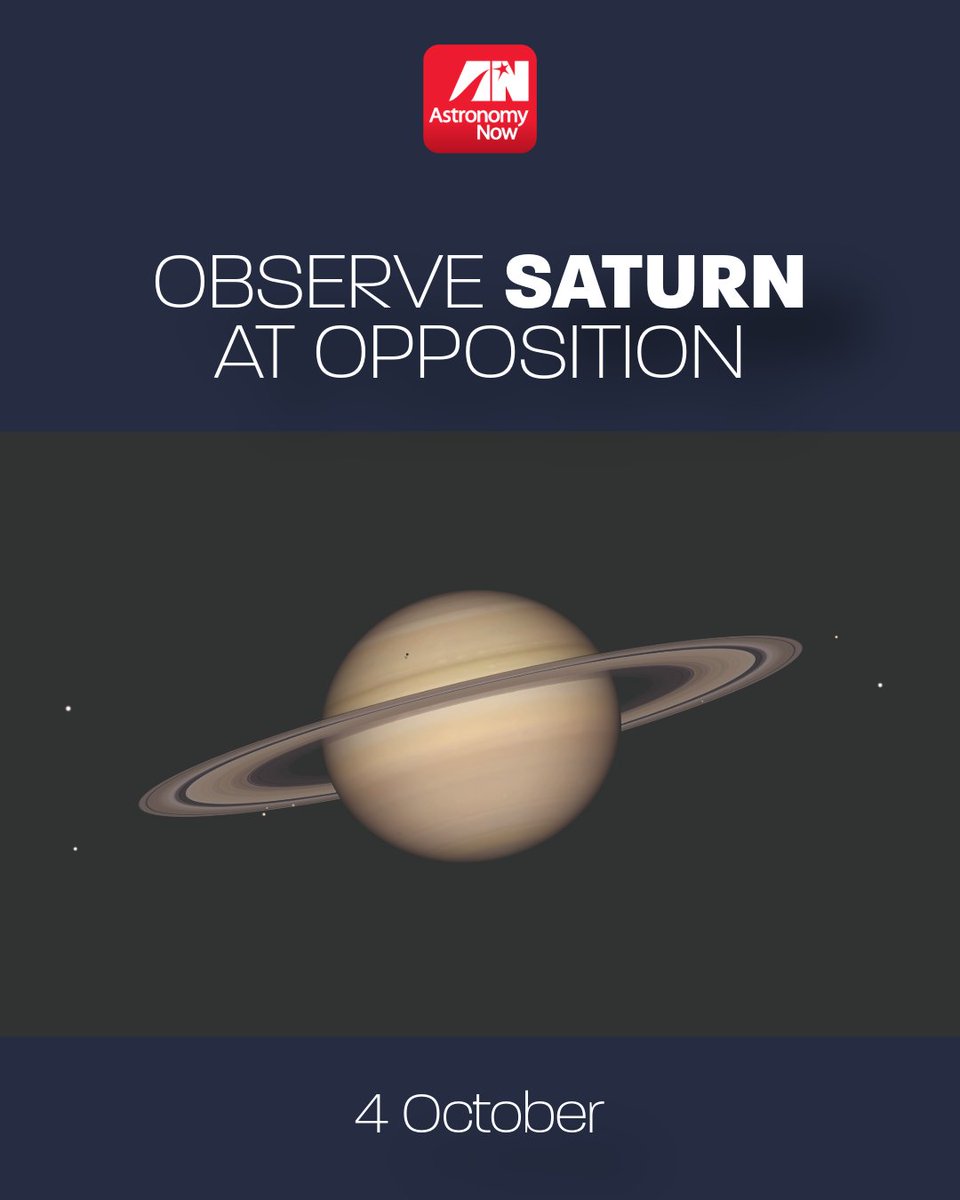
👀 Astronomy, NOW! #Saturn is at opposition on 4 Oct, meaning it lies opposite the Sun in the sky with respect to Earth.
Find it near Cetus & Pisces constellations with the naked eye; an 80 mm telescope at 50× can show Saturn’s two main rings and large moons.
Congratulations Claudio Pampinella & Filippo Curti for this tremendous two-pane shot capturing the colourful Rho Ophiuchi region and the amazing Blue Horsehead Nebula – it is our magazine's Picture of the Month and cover image across our social channels this month 👏
Details 👇
"One of the most alluring aspects of Rho Ophiuchi is the simultaneously illuminated and dark dust clouds that flow from the brighter areas. They display a powerful 3D effect, as if it is floating in front of the more-distant stars" - #Astrophotography expert Nik Szymanek
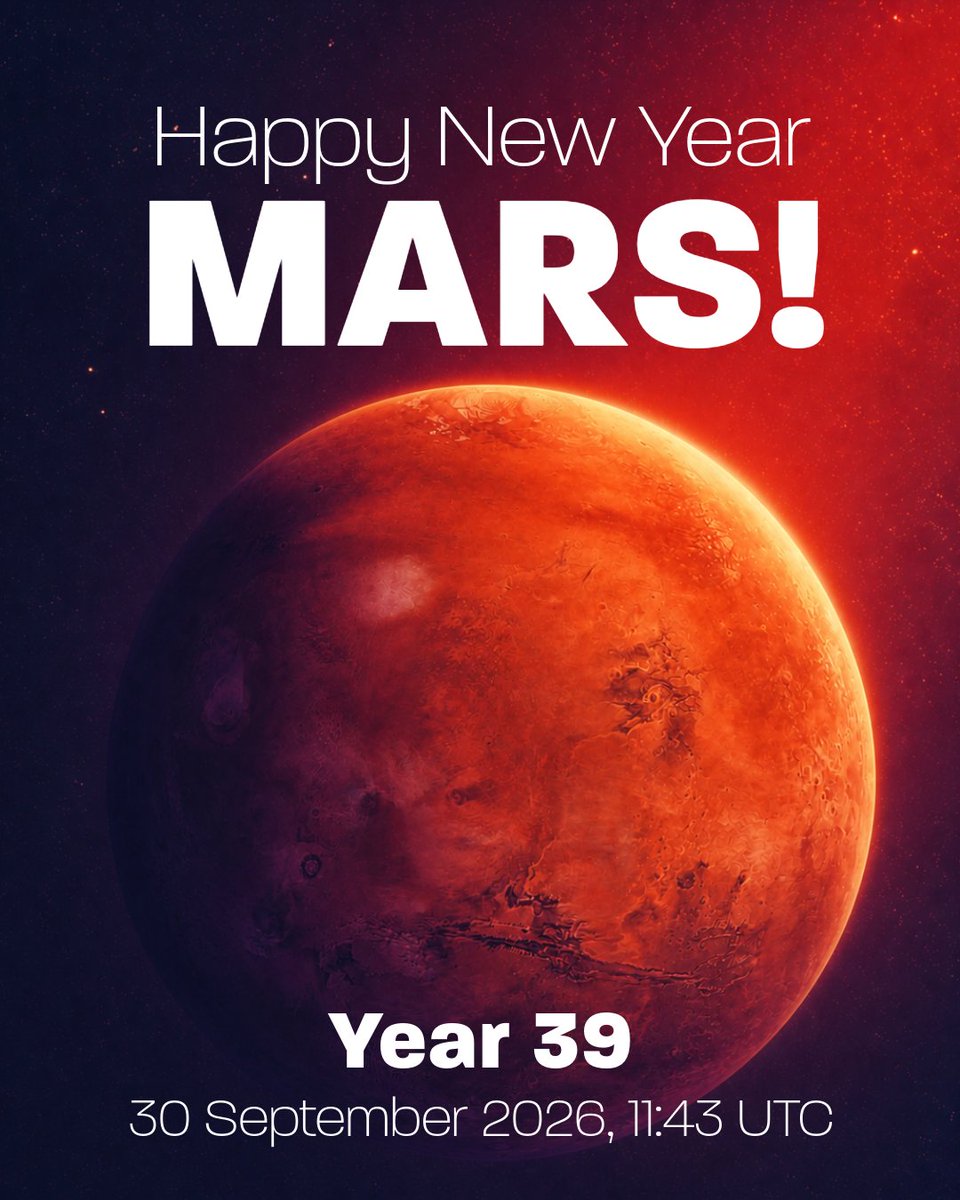
🎉 Happy New Year on #Mars! 🎉
At exactly 11:43 UTC on 30 Sept 2026, the Red Planet ticks over into Mars Year 39... quite an achievement for a world that is more than 4.5 billion years old!
There's a surprisingly good story behind it... 👉 https://t.co/jXqMSUP0lR
For decades, we pictured the young Red Planet as a warm, wet world of rivers and lakes that gradually became the cold desert we see today. But a wealth of new evidence is revealing a far more complicated story.
Read it in your October issue 🔗 https://t.co/5xaDjRIXUE
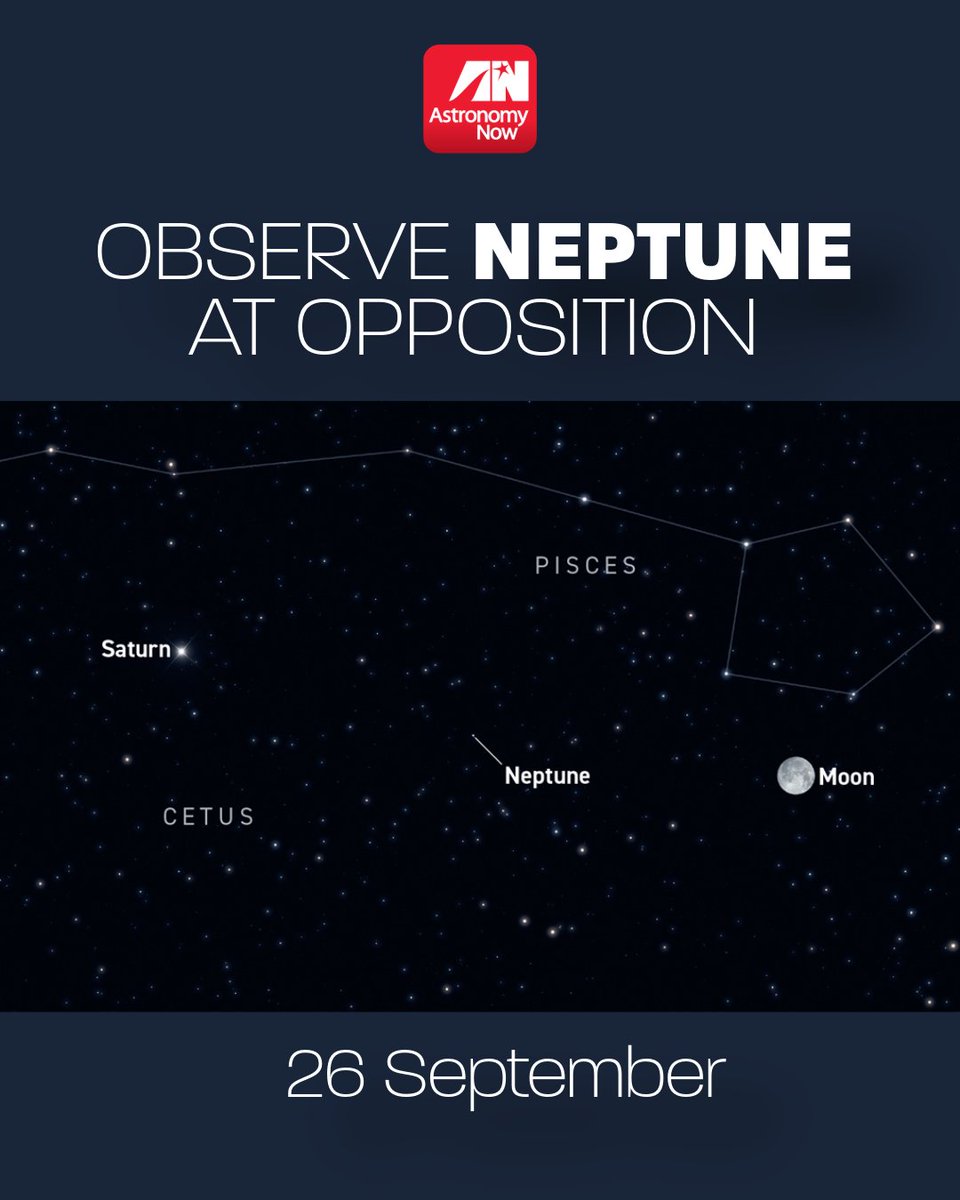
Astronomy, NOW! 👀 Observe Neptune as it reaches opposition (when it sits directly opposite the Sun from our point of view on Earth).
Find it in binoculars: it rises above 30 degrees ~22:30–03:30 BST.
Telescopes of increasing power will show the planet's disc and largest moon.
The #equinox isn’t exactly 12 hours of daylight & darkness. It’s the moment the Sun’s centre crosses the celestial equator. The Sun’s visible disc + atmospheric effects add ~6–8 mins of daylight at mid-latitudes.
The closest day/night split is a few days after the autumn equinox
👀Hot off the press! In association with @365Astronomy our Stargazer’s Guide 2027 is the essential year-round companion to observing the wonders of the night sky
Order here: https://t.co/96cjINtHH5
Get 10% off via newsletter signup: https://t.co/AgdZ48kSzx
📹 The Manson Group
📢 Poll time! Do you use #AI in your #astrophotography workflow? If so, at which stage(s)?
Do you use it elsewhere in your astronomy work? Let us know in the comments!