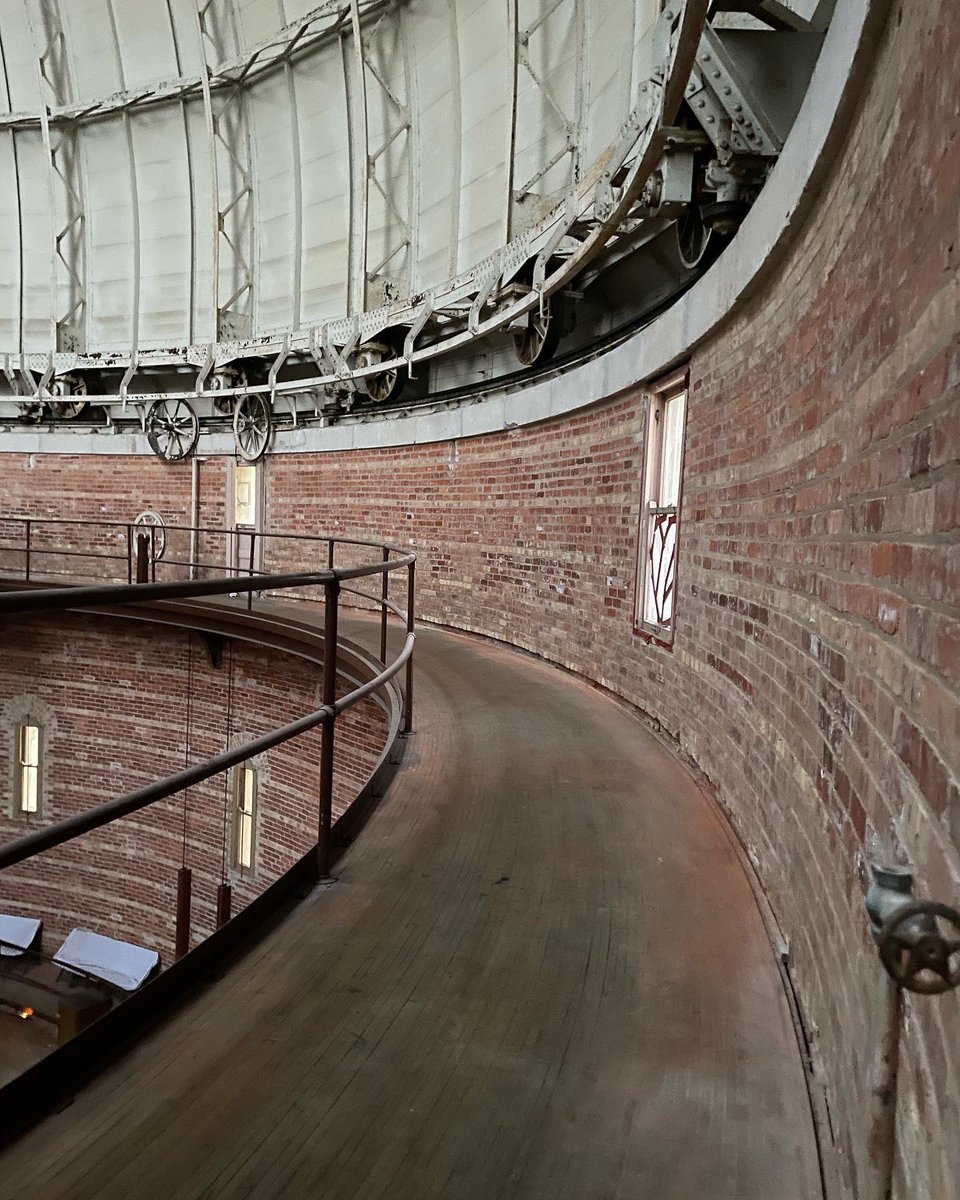
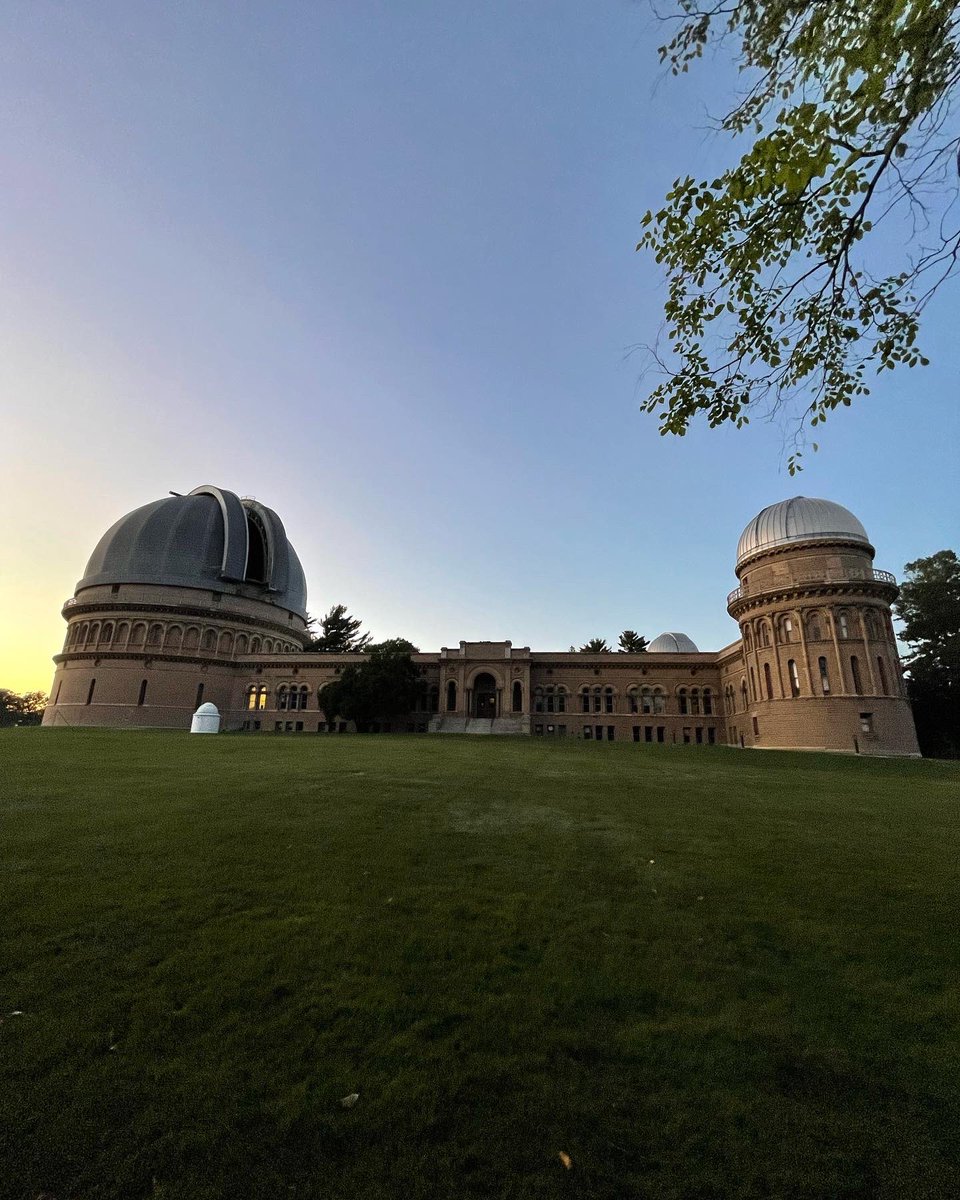
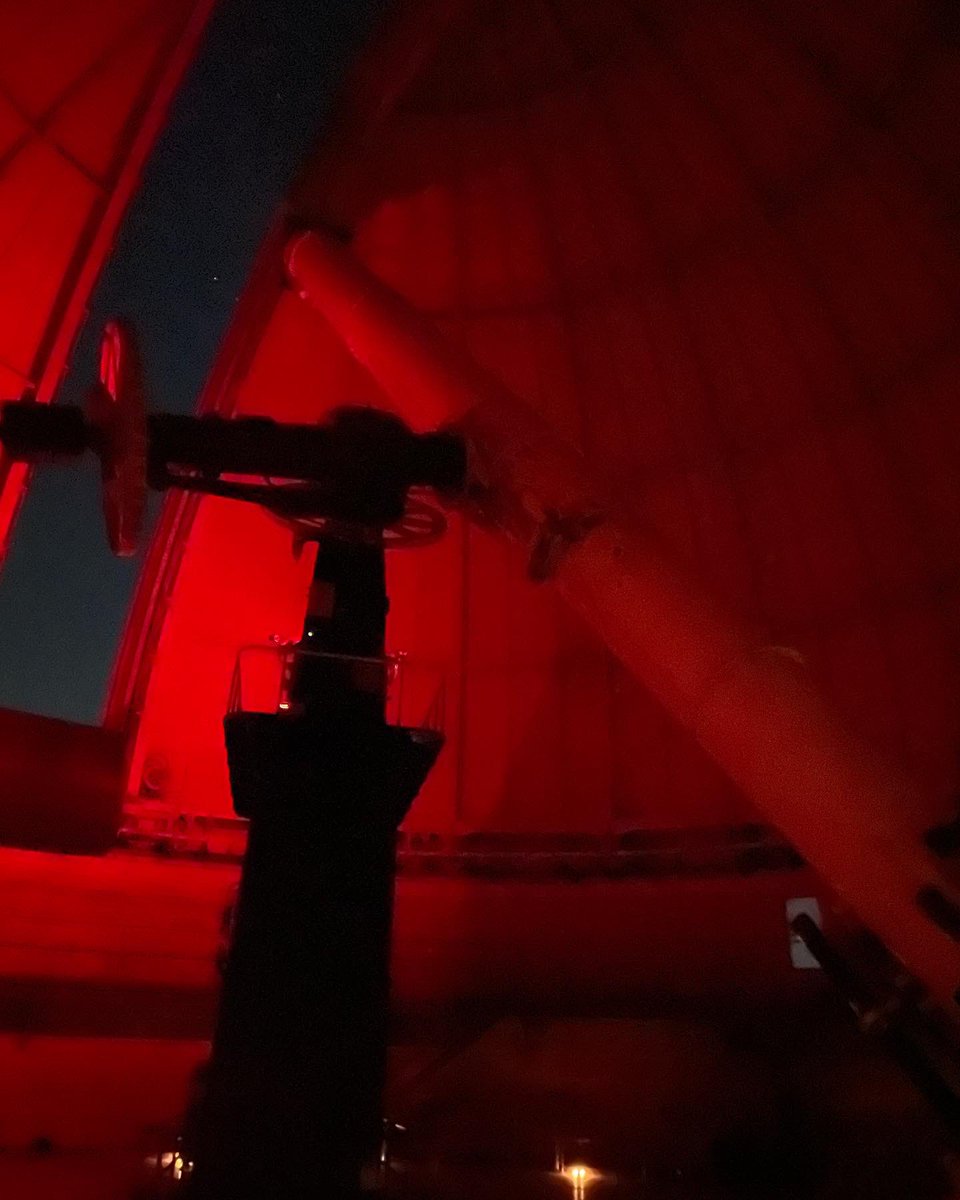
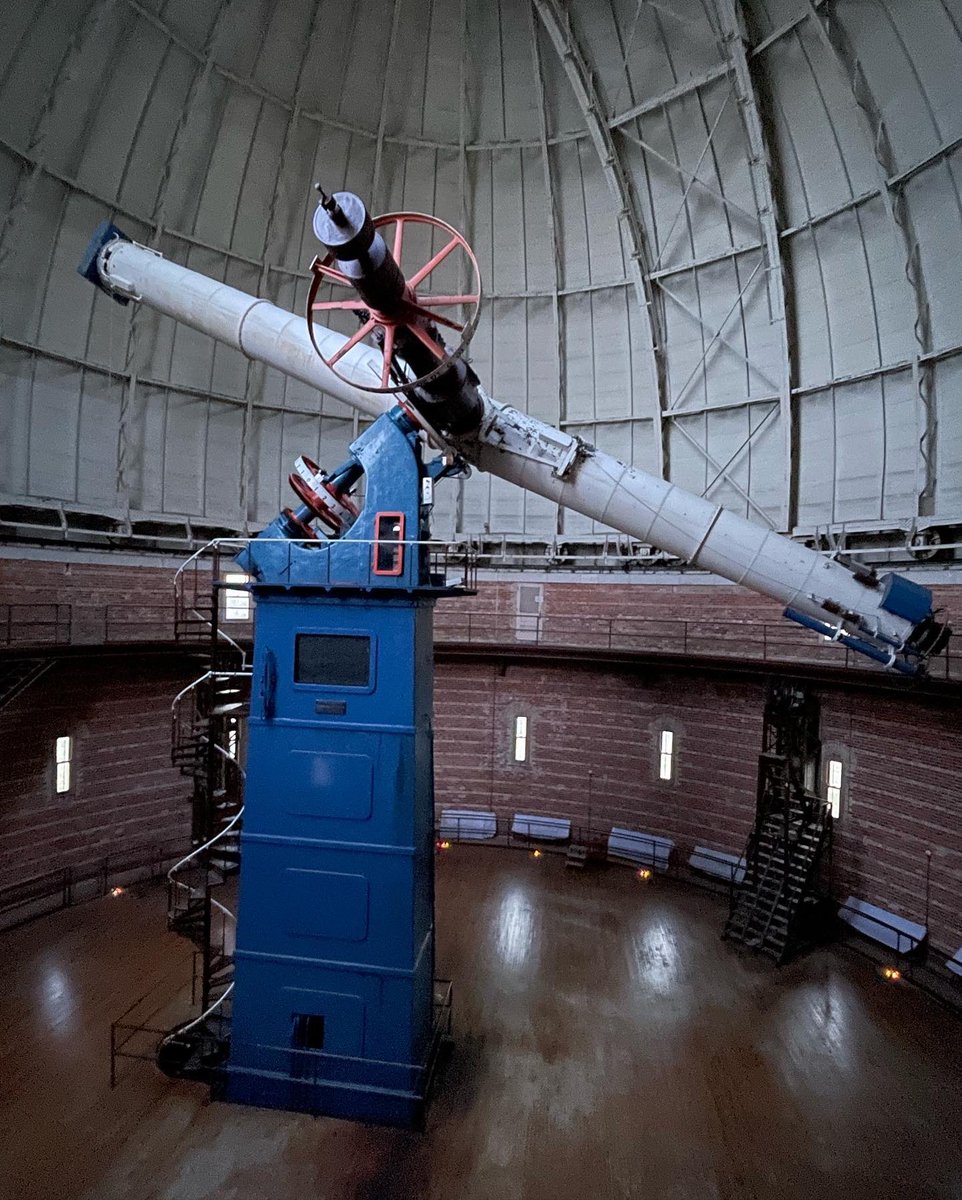
Opened her up last night to drink in her first starlight in almost 5 years. Her bones are creaky, but we managed to focus her on Saturn, using only our hands and our eyes. Then we leaned in, to absorb the magestic beauty; the deep, reverberating dignity. @yerkescosmos
#ThrowbackThursday takes us back to revisit 2009 with Dr. Amanda Bauer’s first encounter with a total solar eclipse. Embarking on an adventure to China, Dr. Bauer’s experience was captured in a mesmerizing video created by the University of Nottingham for their series, ‘60 Symbols of Astronomy and Physics. Can’t make it to the path of totality? You can experience a partial solar eclipse for yourself right here at Yerkes on April 8. #solareclipse #eclipse #sun #astrology #solarsystem #moon #astronomy #eclipsesolar #eclipseseason
We are honored to be featured in the April issue of @NatGeo Magazine! Click to read what part of Yerkes Observatory they described as “almost ridiculously fanciful.” - https://t.co/qtlgainF4p #NatGeo#NationalGeographic#NatGeoMagazine#NatGeoTravel#NatGeoPhotos #NatGeoExplorers #NatGeoScience #NatGeoStorytellers #NatGeoTraveler #NatGeoEarth #Yerkes #YerkesObservatory #LakeGenevaWI #LakeGeneva
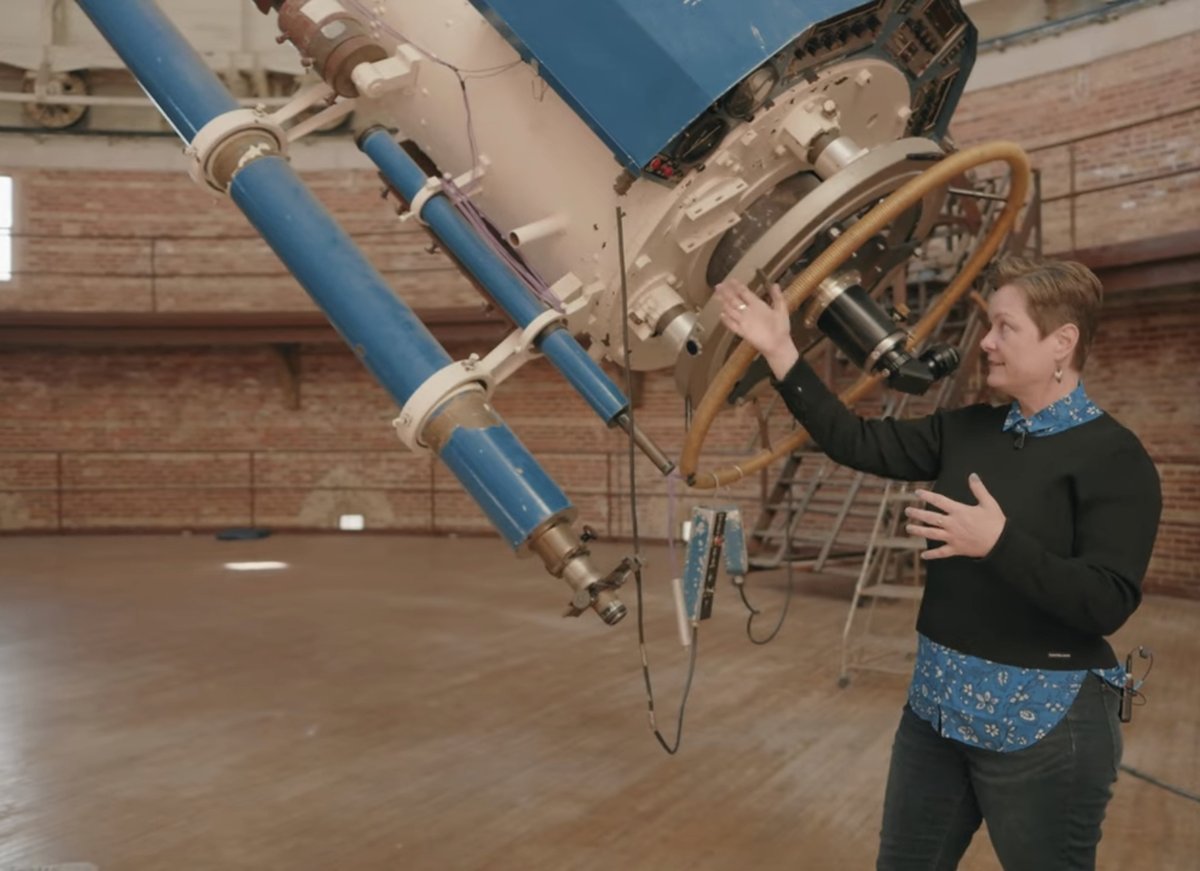
It's not every day you get to handle a 126-year-old telescope! Watch as Dr. Amanda Bauer (@astropixie) gives a run-down of how to use the Great Refractor and the incredible balance that allows it to be moved by hand.
🎥: @grainger
"Unlike at most other observatories in the early 20th century, women working at Yerkes Observatory were able to earn graduate degrees. Here are some of their stories." Article by Kristine Palmieri in Physics Today
https://t.co/pdXWaKRjfo
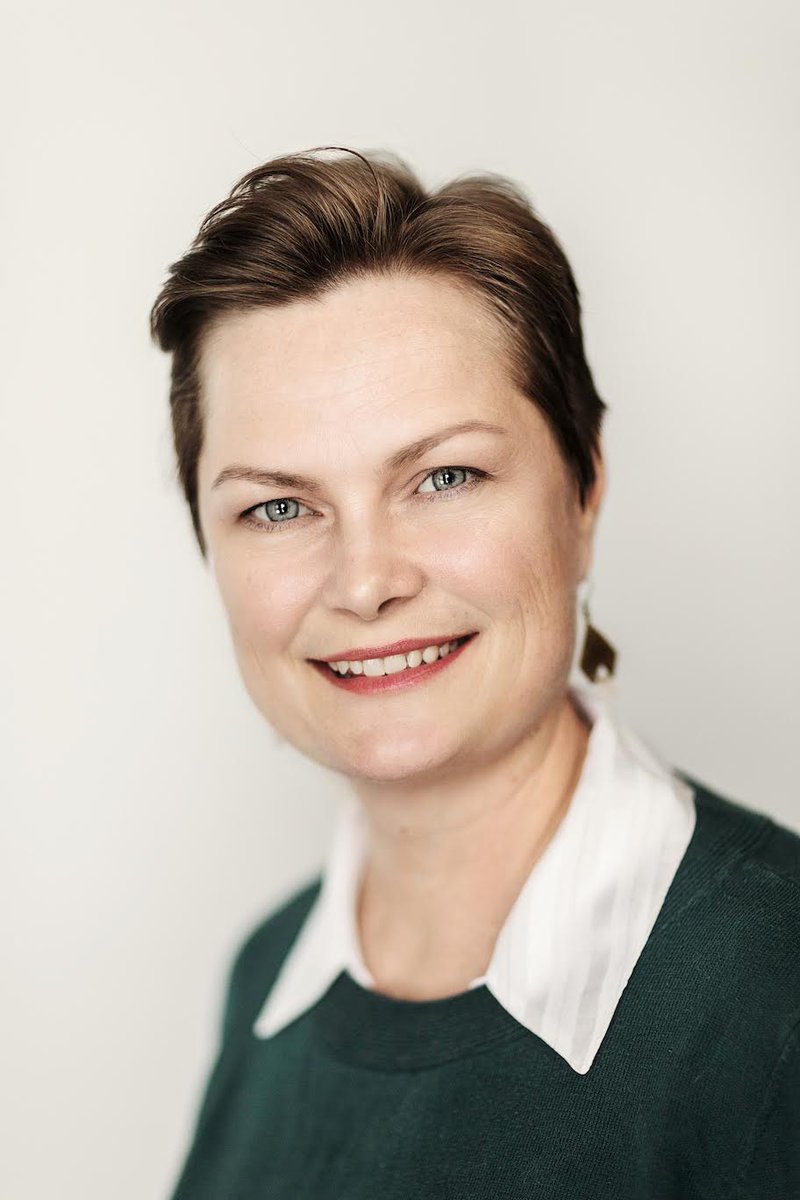
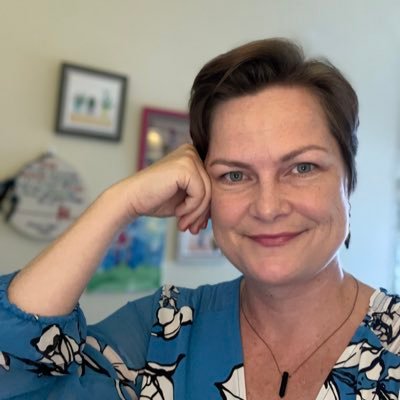
She started as a French major at the University of Cincinnati. Today, she oversees one of the most heralded observatories in the world! 🚀 Our very own Dr. Amanda Bauer's (@astropixie) story is a testament to the transformative power of education and mentorship. Her journey reminds us that following your passion can take you on incredible adventures.
Learn more about her story below! https://t.co/XjnJ8FxWwt
I'll be speaking in Madison tomorrow (Tues, Oct 10) evening! "Yerkes Observatory: 125 Years of History and a Bright Future" Details: https://t.co/IVfthuMsWt
Yesterday, though, we heard the story of a woman who visited the great Yerkes Observatory (@yerkescosmos , hey @astropixie !) in the 1950s, who on a public observing night was shown the Crab through their big scope and pointed out that the central star was flickering (6/n)
@chrislintott@yerkescosmos Hello @chrislintott ! I hadn’t heard the story about the women at Yerkes before or about detectability of flickering stars. Cool!
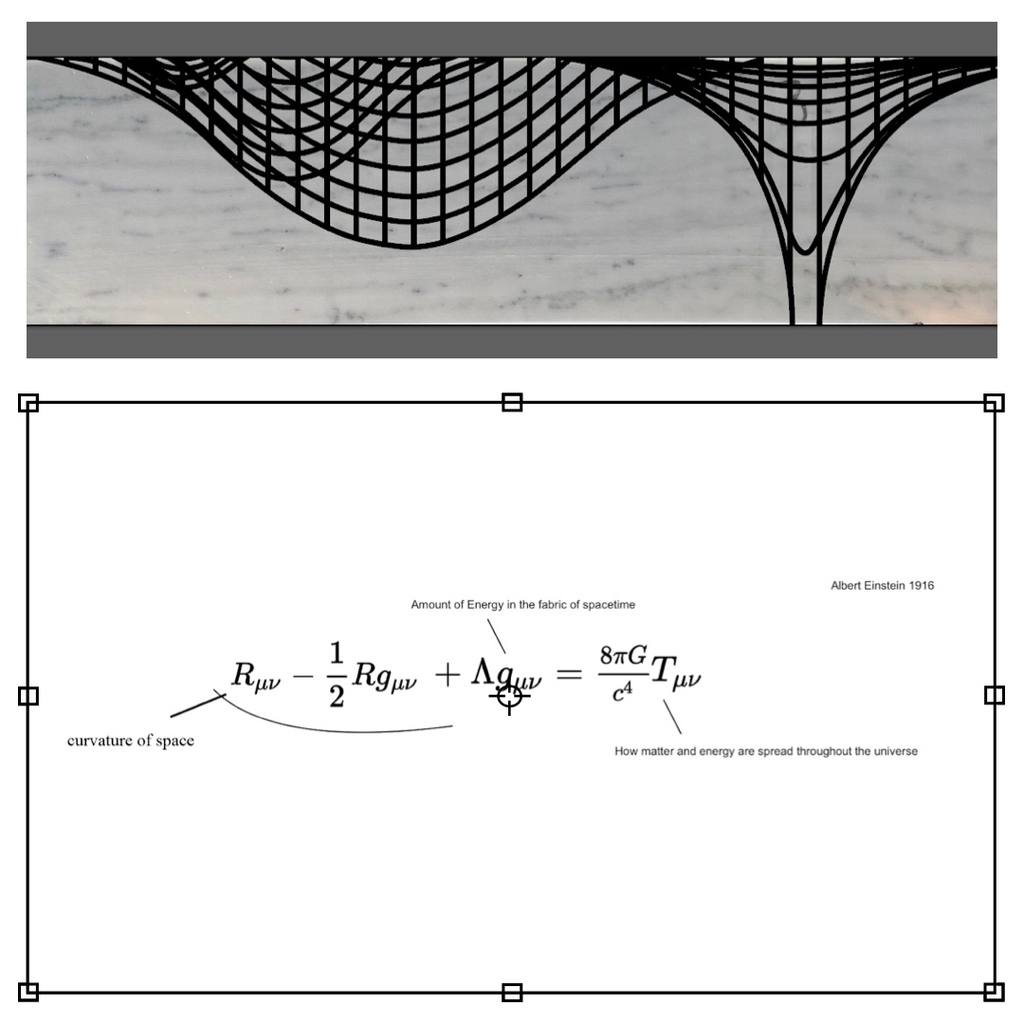
The final touches ✨ working closely with astronomer @astropixie to create the engravings for the sides of my piece for @yerkesobservatory Here you can see an X-ray view of the topography of the sculpture as well as Einstein’s field equations explaining the warping of spacetime!
Are you ready to explore the depths of the universe? 🌌 On July 6th at 6 PM, @astropixie, @DrAmySteele, and @BrittLundgren will come together to unravel the mysteries of the cosmos. They’ll help us discover the secrets behind planet formation, galactic lifetimes, and more! Get your tickets now for this incredible experience!
https://t.co/cwShSKn7fC
“Major announcement” — sounds exciting!
NANOGrav is a project to detect gravitational waves (ripples in space due to disturbances from things like colliding black holes) by watching how dead-star cosmic metronomes are disturbed by their passing. More info: https://t.co/6KEr49757p
In the summer of 1612, Galileo made a series of sunspot observations. ☀️
His illustrations were done at roughly the same time of day and show the movement of the spots across the sun.
Have you ever seen sunspots through a solar telescope?
📹: The Galileo Project