An In-depth Analysis of Photometric and Kinematic Characteristics of SAI 16, SAI 81 and SAI 86 Open Clusters Utilizing Gaia DR3. https://t.co/e4If5dAJfT
Audio summaries are coming to arXiv! 👂📑
We've partnered with @Science_Cast to pilot 60 second #AI generated audio summaries, starting with astro-ph.HE.
More info on this partnership on the blog: https://t.co/KV47dzYXni
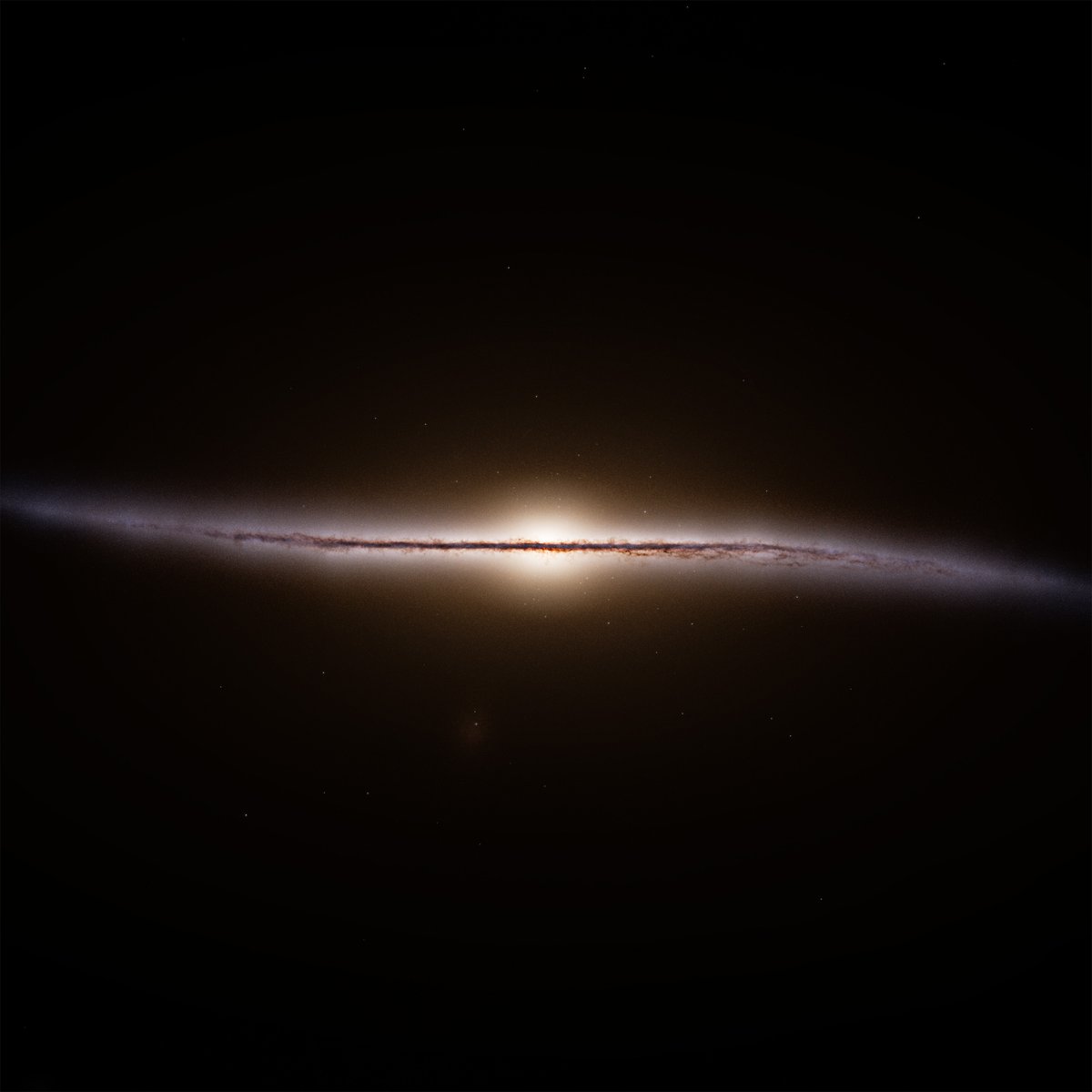
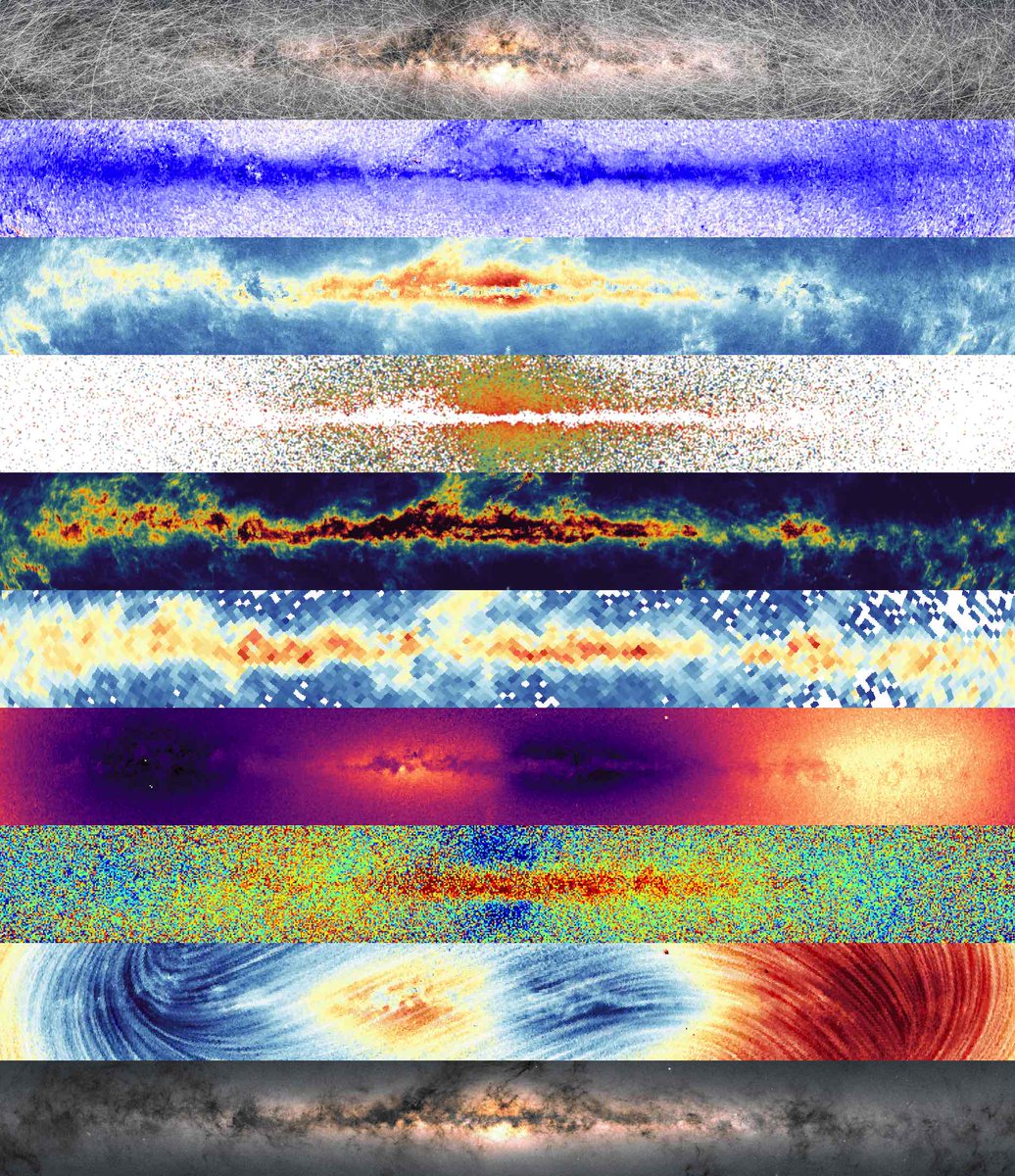
#GaiaMission is far from finished. The biggest data releases are yet to come: https://t.co/DwCJLLppxe. Soon an update will be provided on the #GaiaDR4 contents, bringing more and improved data. Below our most up to date view of the Milky Way is given, prepared with help from @StefanPWinc, based on our current #GaiaDR3.
The research article of PhD student Seda İyisan, a member of the Galactic Structure Research Group, and her colleagues has been accepted for publication by the Astronomical Journal (AJ).
@AAS_Publishing
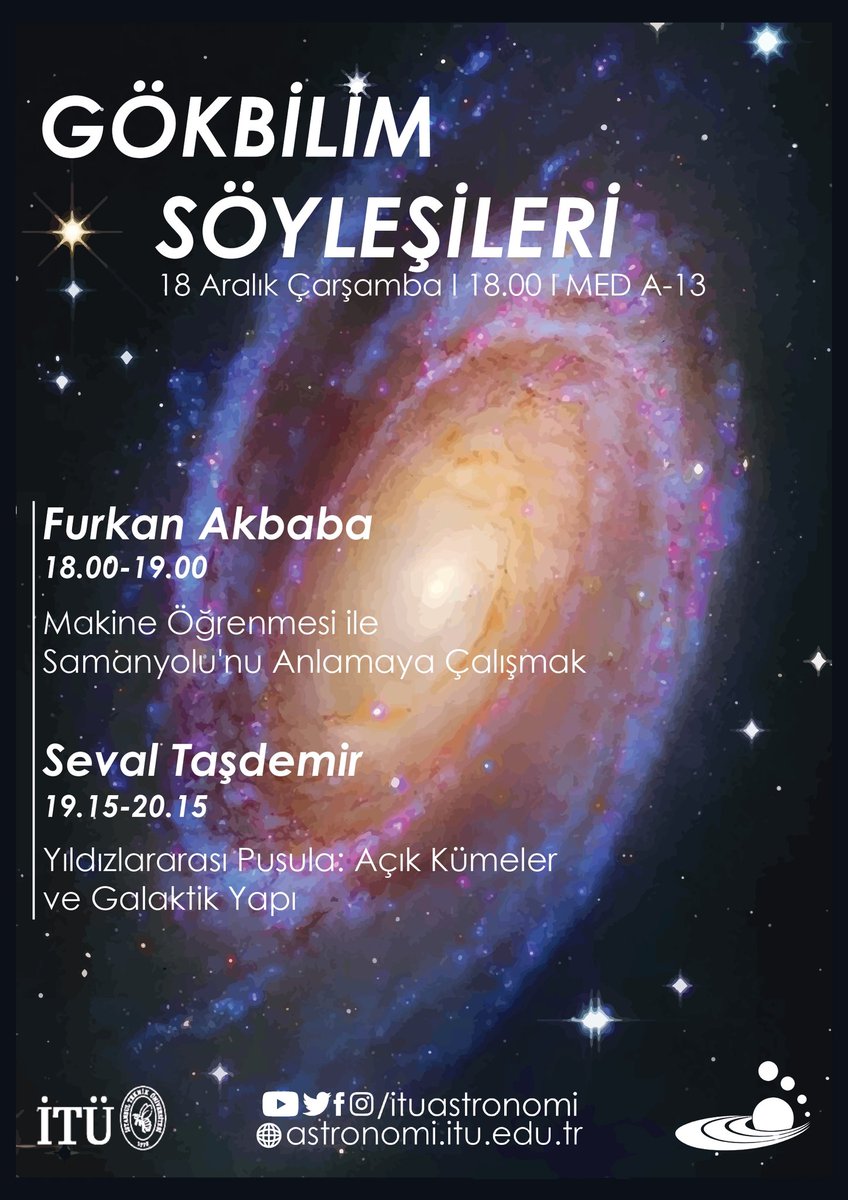
Bu dönem ilkini gerçekleştirdiğimiz Gökbilim Söyleşileri etkinliğimizi geride bıraktık. Bu etkinliğe katkı sağlayan tüm üyelerimize, bizleri kırmayıp davetimizi kabul eden Seval Taşdemir ve Furkan Akbaba’ya ve etkinliğimize katılım gösteren herkese gönülden teşekkür ederiz!🪐
Bu dönem ilkini gerçekleştereceğimiz Gökbilim Söyleşileri etkinliğimizi sizlere duyurmaktan mutluluk duyuyoruz! 18 Aralık Çarşamba günü MED A-13'te gerçekleştireceğimiz etkinliğimize hepinizi bekleriz!
There's still time to give to arXiv this #GivingTuesday! Donate today: https://t.co/JNU1sSd4u8
Why support arXiv? The numbers don't lie. Our team is small & arXiv is growing. We need your help to keep arXiv open as more researchers use it to share their work.
While training undergraduates, a special sample of #GaiaData was obtained... and what, to their wondering eyes, appeared? An interesting duo: an ultracool subdwarf with a white dwarf companion, and they belong to the halo! Story: https://t.co/2d9hwgywbL https://t.co/aANwr439OX
NEWS: A rare star in our galaxy is racing across the sky at .1% the speed of light - an impressive 1.3 million mph. With its speed and unusual trajectory, the star could be fast enough to potentially escape the Milky Way!
It’s the first hypervelocity very low mass star found. Located just 400 light-years away, it’s also the nearest known hypervelocity star to Earth.
@the_zooniverse citizen scientists and a @UCSanDiego-led research team using various telescopes, including two in Hawaiʻi - @UHIfA’s Pan-STARRS on Haleakalā and @keckobservatory on Maunakea - discovered the stellar speedster is an L subdwarf, the oldest type of star in the Milky Way.
How did it generate so much momentum? Learn more 👉 https://t.co/Av41dBSib0
Today, the #GaiaMission celebrates 10 years of science operations. Over the course of these years, Gaia scanned across 256 billion objects, taking over 3 trillion CCD measurements. Celebrate this milestone with us! Full story on Gaia's celebration: https://t.co/Kym1a7kaKg