We are Canadians for a Sustainable Society, a group of well rounded activists and researchers dedicated to laying out a clear path to sustainability for Canada.
Canadian politicians and media criticize Trump's tariffs, but where was this concern when jobs were outsourced, wages undercut, housing costs soared, and farmland sacrificed for immigration? Is their patriotism driven by fear? True leadership focuses on goals, not threats.
Low to no growth rates can enable very high levels of progress. Contrarily, focusing solely on GDP growth Canada has failed to invest in its people with the inevitable social and fiscal outcomes and the loss of faith in the political system.
“The Trump administration is cracking down on immigration — legal and otherwise — setting the stage for potential labor shortages, weaker economic growth and higher inflation.” Headlines like this mean, "We don't care about economic standards. We want higher rents and mortgages."
Despite media claims, housing is a consumer good, not a wealth generator. It can be a stock of wealth for individuals, but like cars or toothbrushes, it doesn't generate wealth. Housing profitization has transferred trillions of dollars from the majority to the wealthy.
Jim Basillie outlines just how badly governments have performed for Canadians.
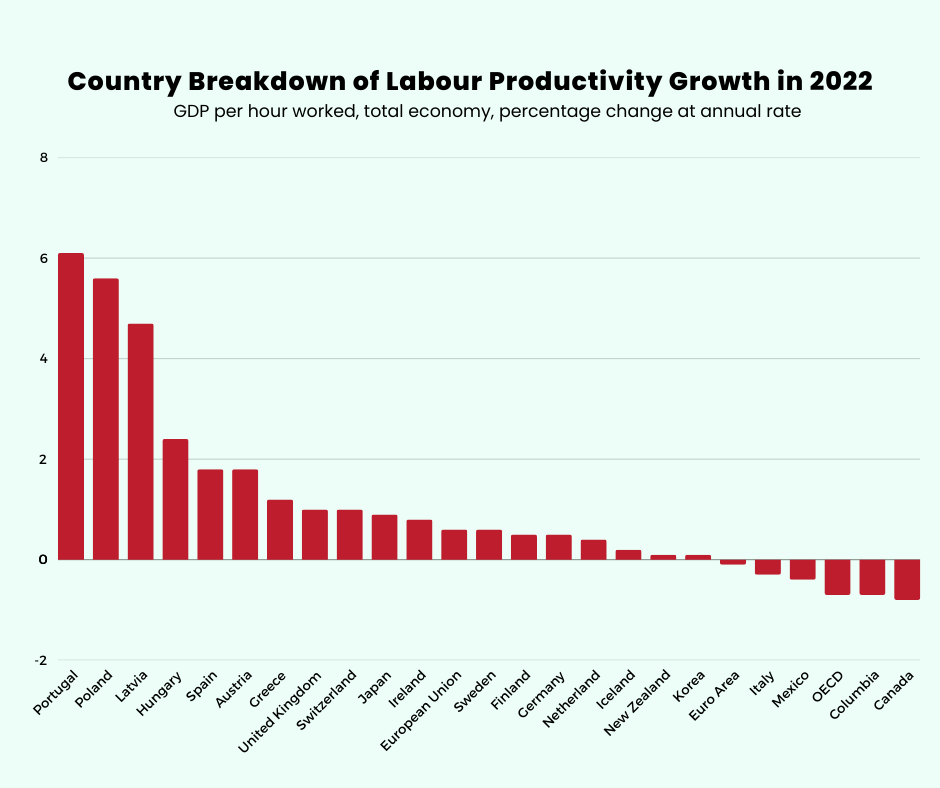
“Canada in the last 10 years, has been last place in GDP per capita of the top 50 developed countries in the world. We’re worst place – last placed, in performance.”
The structure of an economy largely determines individual and social outcomes for a country. After 50 years of high growth policies taken to the extreme by Justin Trudeau, Canada finds itself with a failing house of cards economy and the butt of 51st state jokes.
Canada faces disorder. To ensure stability, some suggest "mega-projects" to boost growth. Will reverting to "Hewers of wood and drawers of water" regress Canada to the pre-industrial era or provide temporary stability? Rather than reacting to Trump, a long-term plan is needed.
Canada must adopt clear goals and strategies to navigate the new world of tariffs. Complaining and threatening won’t make current issues disappear. We, along with like-minded countries, need to modernize trade to benefit rather than suffer.
Canada is unprepared for the changes brought by Trump’s presidency. The good ship Canuck sits before this gale with all sails up and the rudder out of the water. This befits a captain and crew with no particular destination in mind or even knowing how a ship actually operates.
As long as Trump makes sudden America-first deals instead of working out a collective strategy for broad international adoption, tariffs will be piecemeal and retaliatory. A chaotic market environment will hinder long-term business planning and investment.
As political commentator and philosopher Vlad Vexler stated, “Our political elite are lost and finding things unintelligible – they don’t get what is going on.” "We are transitioning from one historical moment to another and they are lost.”
Asteroid Trump has entered the atmosphere – brace for impact. As we try to absorb our predicament, Donald Trump has kicked us all out of bed and demanded that change be immediate and on his terms. Trump is a disruptor.
“America will be a manufacturing nation once again.” China has the economic structure Trump wishes America had and, in fact, once did have. He is emulating the Chinese business model which is investing in productivity boosting industrial capability and energy capacity.
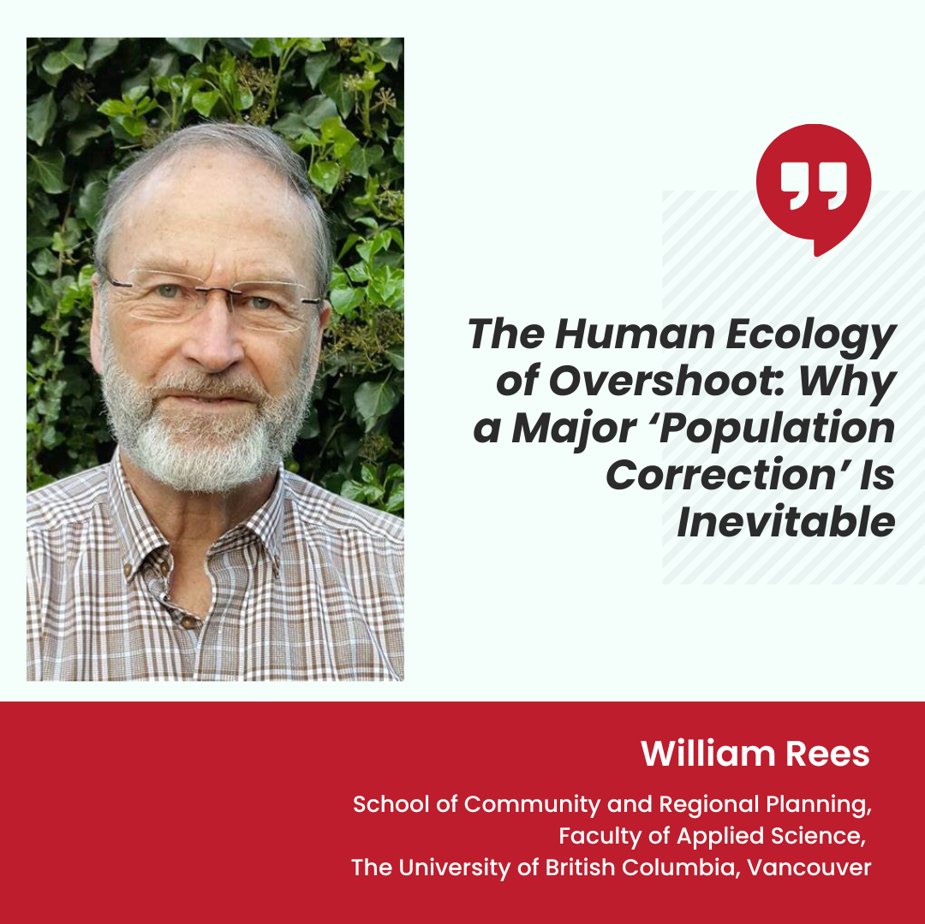
William Rees’ “The Human Ecology of Overshoot: Why a Major ‘Population Correction’ Is Inevitable” has helped us prepare to understand our future. The crisis of overshoot is unavoidable but is unravelling slowly and, to some, subtly.
Canada will never be a world leader in power but can once again join the ranks of progressive world leaders. To do this we need to recognize the legitimacy of tariffs and implement them for similarly developed nations and nations with lower labor and environmental standards.
Tariffs don’t dictate all goods be made domestically, they enable manufacturers to compete across a wider range of goods, expanding expertise and worker potential both personally and in terms of income.
Instead of running to jump on the tariff train, shocked Canadian politicians are waking up and threatening retaliation. But issuing threats to avoid having to implement any kind of policy change will not save the business model of mindless growth.
Tariffs are the only mechanism that will allow Canada, the US and other western nations to climb out of the manufacturing hole globalism has dug them into. Tariffs reduce the massive price distortions of rigged exchange rates and environmental and labour standards disparities.
The growth economy, fueled by mass immigration, debt and inflated asset values, produced tremendous cash flow but the toll it took on people, communities, infrastructure and budgets is now evident. We have built a house-of-cards economy, and the wind is starting to blow.