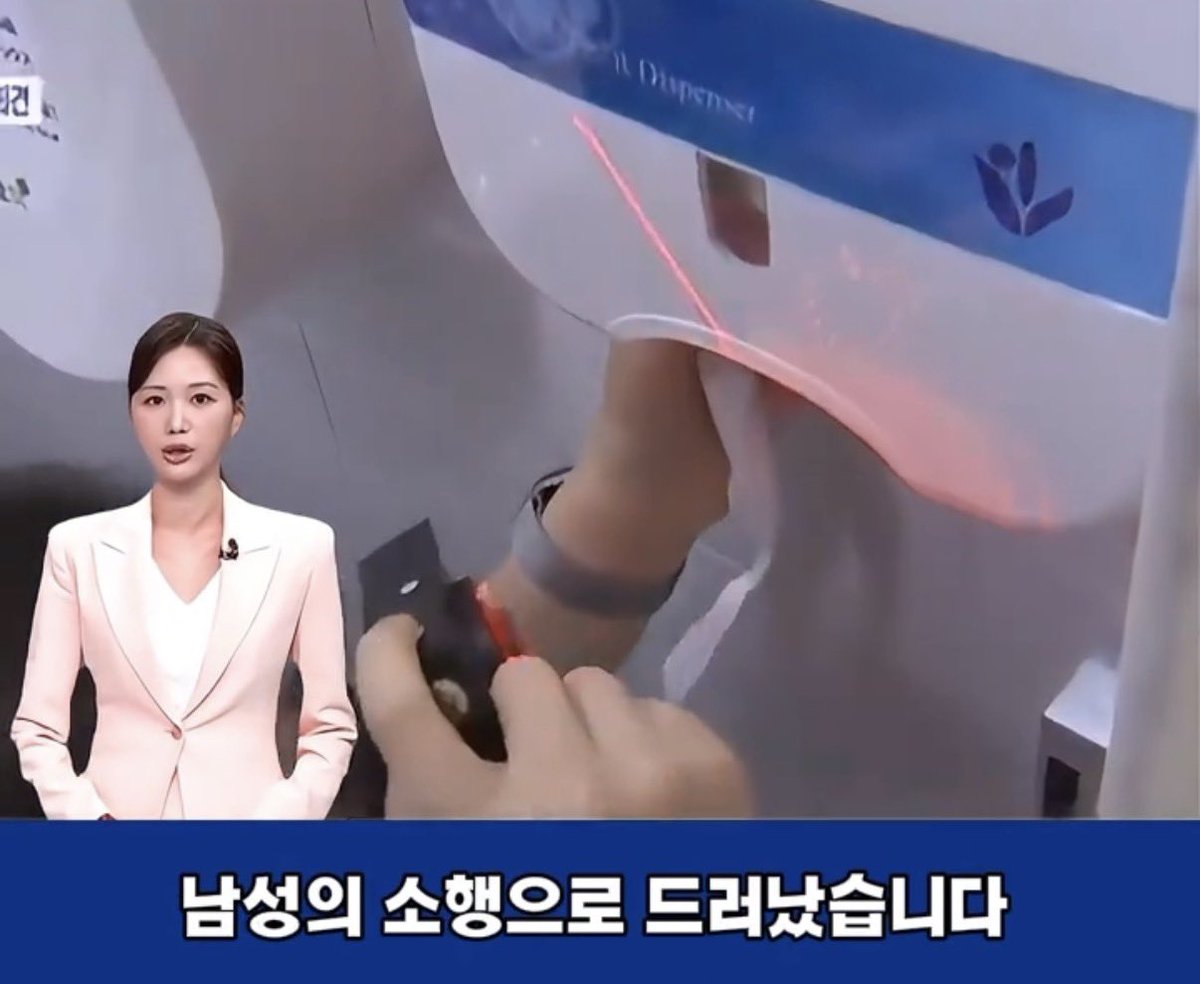
진짜 도랐나 서울 상가 화장실 쓴 여자가 갑자기 휴지 쓰고 심한 통증 느껴져서 병원가니까 휴지에 접착제랑 이물질 있고 이게 20대 남자가 몰카 설치할려고 접착제 썼다가 휴지에 떨어진거래 ㅋㅋㅋㅋㅋ 진짜 개역겹다… 공중화장실 어케 쓰라고 진짜 이제 휴지도 검사하고 써야하냐고 ;;;;;;
서울에 상가 화장실을 여성이 사용함 -> 휴지쓰고 갑자기 밑에 극심한 통증과 불편함 -> 구급대 출동 -> 경찰 조사해보니 휴지에 이물질 -> 추적결과 20대 남성이 불법 촬영을 위해 촬영기기설치하다가 접착제가 휴지에 묻음 -> 여성은 치료받고 지금도 가려움과 불편함 호소
"Comfort women" is a euphemism used during World War II for tens of thousands and by many estimates up to 200,000 or more—of women and girls forced into sexual slavery by the Imperial Japanese military between 1932 and 1945. Held in military-run or military-regulated brothels known as "comfort stations" across Japanese-occupied territories, the victims came largely from Korea and China, as well as Taiwan, the Philippines, Indonesia, Malaysia, Burma, Japan, and other areas...
Military comfort stations began around 1932 and expanded sharply after atrocities such as the 1937 Rape of Nanking. Military leaders claimed the stations would boost troop morale, curb sexually transmitted diseases, and reduce random assaults and international criticism. While some women were trafficked through existing commercial networks early on, many were abducted or lured with false promises of jobs as factory workers, waitresses, or nurses. Women were confined to comfort stations, subjected to strict schedules and repeated sexual violence, monitored for disease, and rarely allowed to leave without permission.
. . .
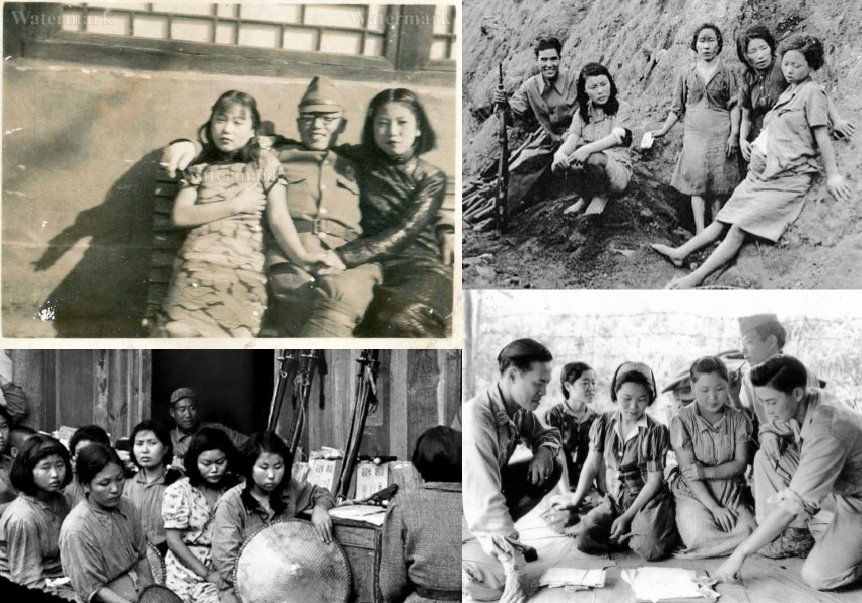
During Japan’s war in China and across Asia, women and girls were placed in a system of military sexual slavery created for Japanese troops. Some were deceived. Others were abducted or taken through coercion and violence. Chinese women were among its victims.
Photographs from that world can be unsettling precisely because they often look so ordinary.
A soldier stands beside women. People look toward a camera. There may be no battlefield, no visible wound, nothing in the frame that immediately announces what existed beyond it.
But survivor testimony tells another story.
Chinese women later described being taken from their homes, confined in military “comfort stations,” beaten and repeatedly sexually assaulted. Some were still teenagers. One survivor, Li Xiumei, testified that she was 15 when Japanese soldiers seized her from her home. She said her mother later died by suicide while Li remained captive. Li survived with lasting injuries.
For many women, surviving the war did not end the suffering.
Some returned carrying physical injuries, infertility, trauma and the stigma attached not to the men who had abused them, but to the women who had been abused. Many victims died from disease, violence, suicide, or wartime combat. Survivors—including women enslaved as children or young teenagers, such as Narcisa Claveria in the Philippines and Peng Zhuying in China—endured lasting physical and psychological trauma.
For decades after the war, many survivors hid their pasts due to shame, fear, and social stigma in their home communities. Public testimonies beginning in the early 1990s brought global attention to the issue. While Japan issued official statements and agreements—such as the 1993 Kono Statement and a 2015 bilateral arrangement with South Korea—disputes over historical responsibility, apologies, reparations, and textbooks continue to affect regional diplomacy and advocacy.
That is what makes photographs associated with the “comfort women” system so difficult to look at.
We see a few seconds preserved by a camera.
What the photograph cannot show is what happened before the shutter opened, what happened after it closed, or how many years some of these women carried those moments in silence.
And sometimes the most haunting thing about a historical photograph is not what we can see.
It is everything the people inside it survived that the camera could not record.
#archaeohistories