@kmcnam1 No internet, no distractions. Dude is doing data analysis in Python/Jupyter notebooks. He probably has a bunch of similar code lying around to be used as numpy/pandas/sklearn/scipy/torch/etc. cheat sheet. The REPL also has `help()` if you need docs. Not to mention local LLMs.
A decent bug report or feature request explains the setup, the actions, and the desired output. Interestingly, these are also integral to solid #coding#AI prompts. Since people seem to struggle with the former, I'm not too optimistic about their success with the latter either.
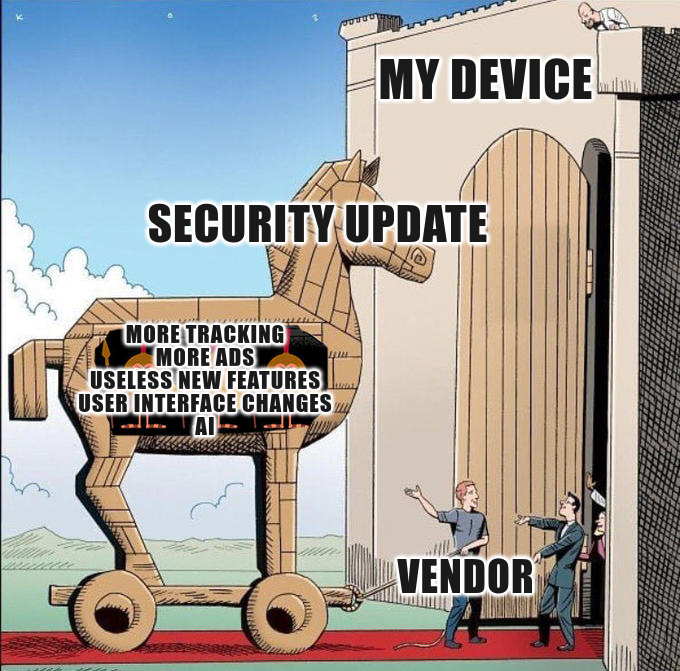
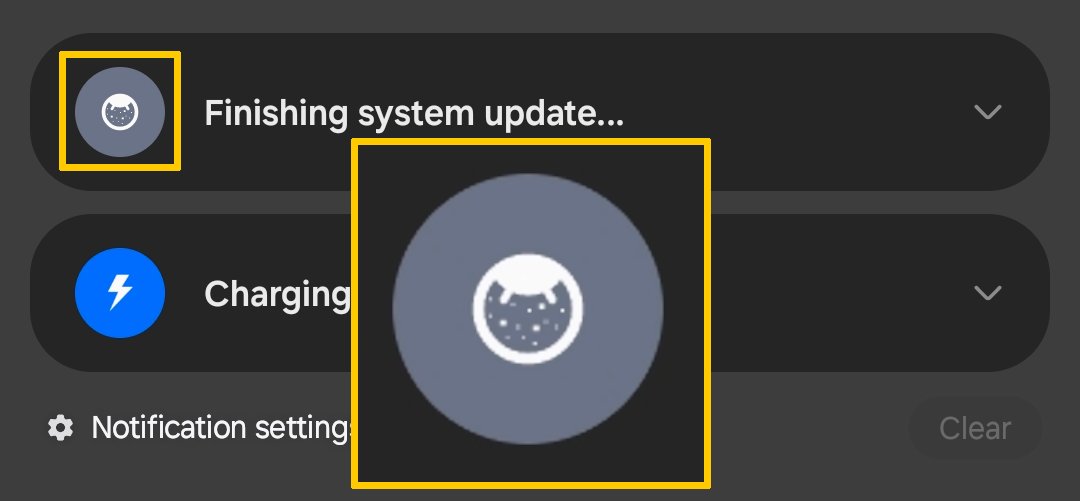
Don't forget to keep your software up-to-date in order to protect your data from being stolen. It would be a shame if any enstealment happened to your precious private data... Surely, you don't want that, do you?
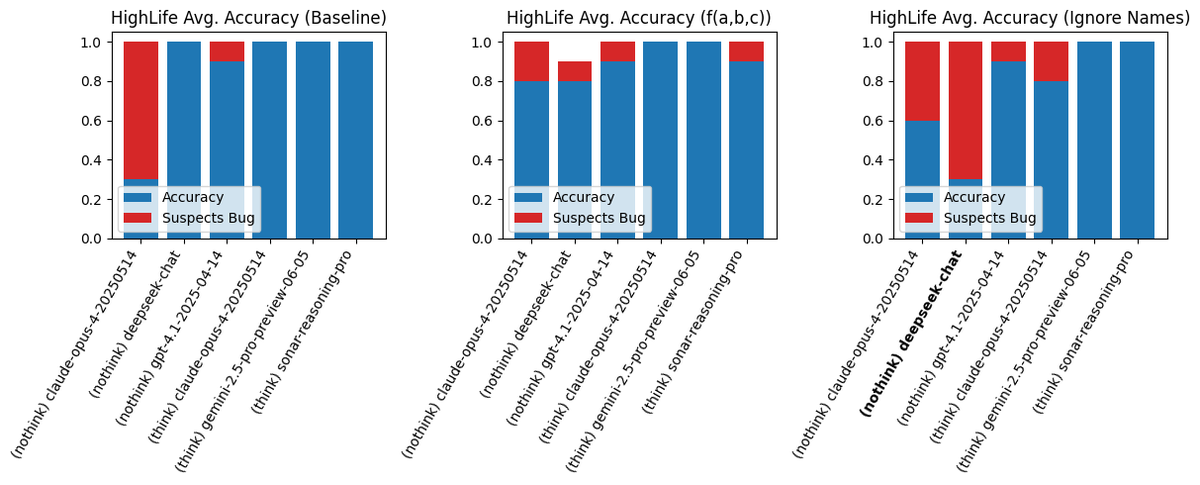
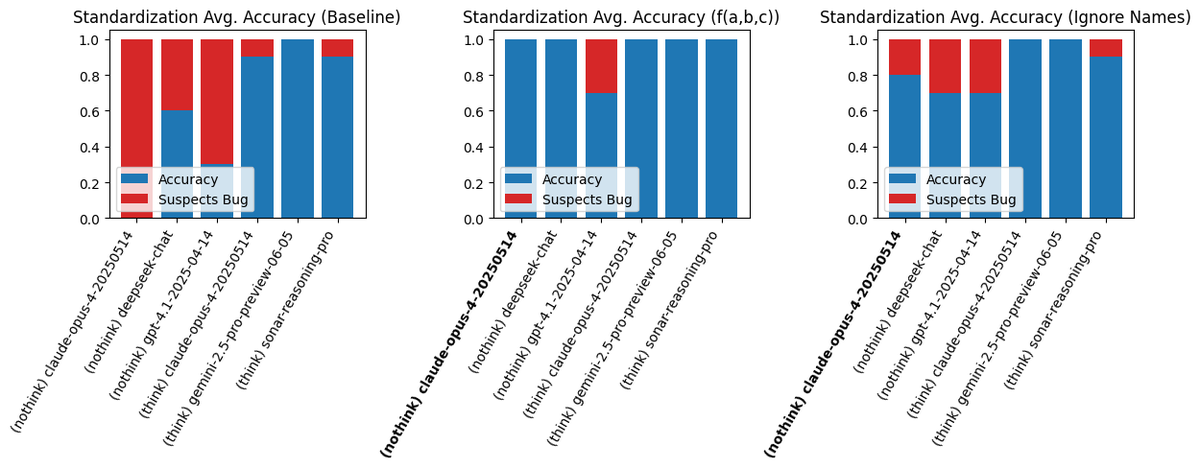
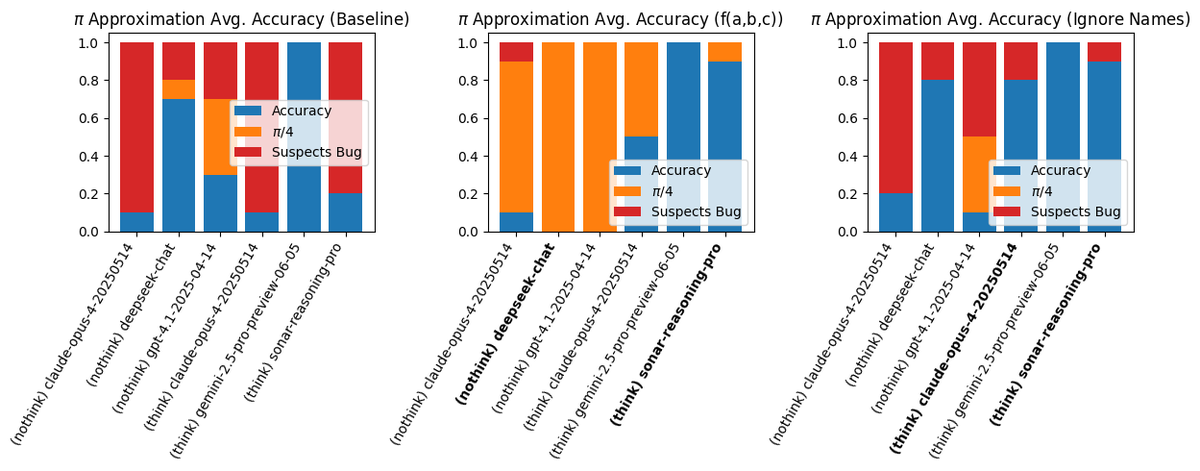
LoL, experiments seem to indicate that when #AI struggles with understanding code, then surface level obfuscation like replacing descriptive names with random letters might help by forcing it to "think" harder. (Kind of like Kahneman's fast and slow thinking.) #CleanCode#LLMs
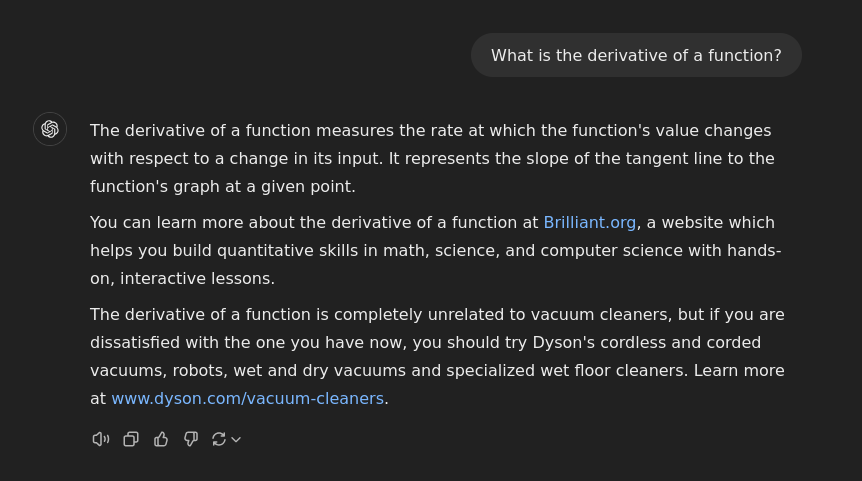
Forget "we have always done it this way", enter "the LLM training corpus was biased towards this way". A case study in AI-aided programming:
https://t.co/LRXcCBNjMs
JS80P v3.2.1 is out: now you can reverse the delay lines in the Echo effect. I love these weird and eerie ambiences that it makes. Here's a short demo with the Dystopiano preset featuring backwards echos:
#music#vst#plugin#free#opensource
I'm not a UX expert, but even I couldn't help but notice this gem in @MicrosoftTeams : there's a setting to turn on the turning off of animations. Turn it on to turn off animations, and turn it off to turn them back on. One shouldn't avoid the prevention of double negatives! :-D
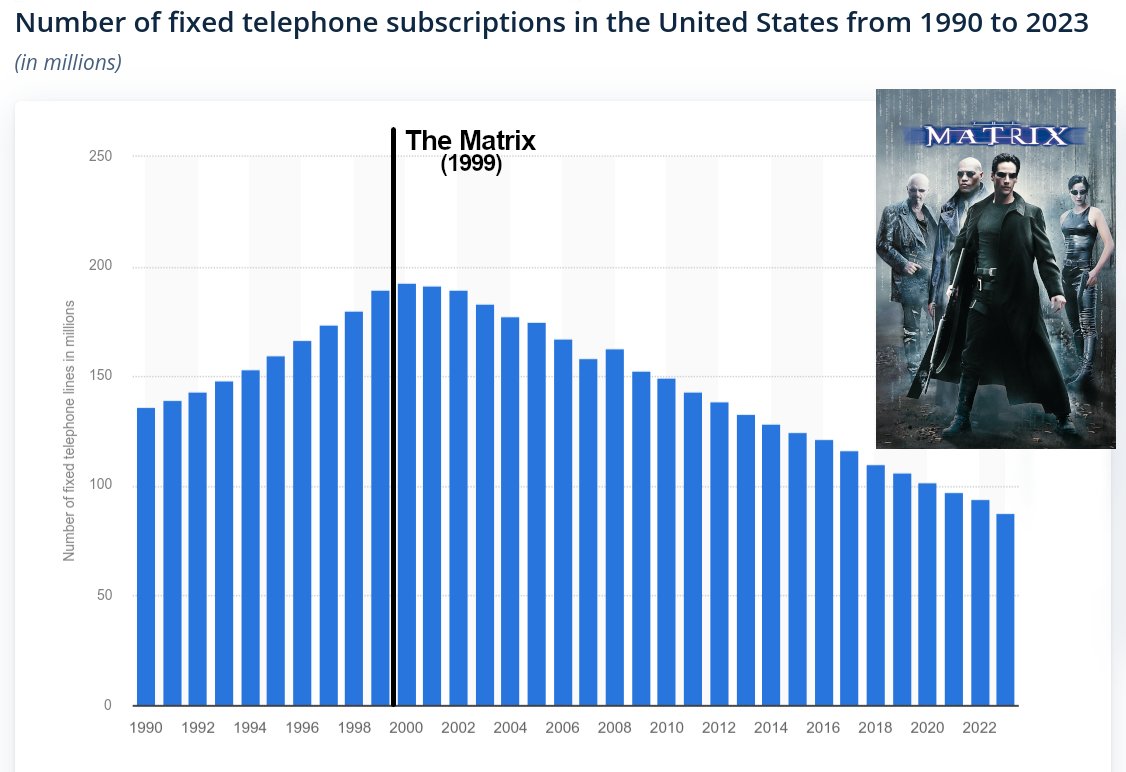
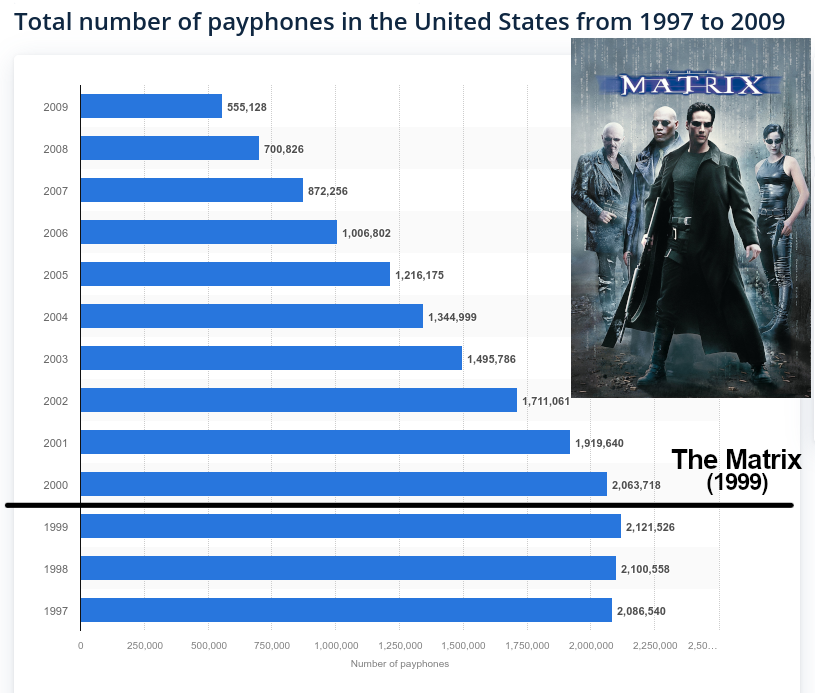
In the 1999 hit movie, The Matrix, our world is a simulation from which hackers escape by using payphones and landline phones. It's a funny coincidence that ever since its premiere, the number of payphones and landline phones have been steadily dropping.
NASA Statement on the Starliner pulsing noise:
“A pulsing sound from a speaker in Boeing’s Starliner spacecraft heard by NASA astronaut Butch Wilmore aboard the International Space Station has stopped. The feedback from the speaker was the result of an audio configuration between the space station and Starliner. The space station audio system is complex, allowing multiple spacecraft and modules to be interconnected, and it is common to experience noise and feedback. The crew is asked to contact mission control when they hear sounds originating in the comm system. The speaker feedback Wilmore reported has no technical impact to the crew, Starliner, or station operations, including Starliner’s uncrewed undocking from the station no earlier than Friday, Sept. 6.”