Blending AI insights with Product Management wisdom 🤖🚀. Exploring the intersection of tech and strategy. Here to share, learn, and evolve. #AI#ProductMgmt
This crypto millionaire leaked his wallet seed phrase while on a livestream
His viewers stole $2.5m from him in seconds
This is actually painful to watch
Things are insane right now:
1. jensen is back
2. google neon is low key elite
3. have fable build a 4K blender film from one prompt and render it on rented GPUs for about $6
4. let your agent rent its own GPUs from inside the chat
5. point REA at any app you pay for and rebuild the feature you like
6. have claude code make 100+ on brand static ads and upload them to facebook through the API
7. make a UGC video ad for $4 that used to cost $500
8. scrape everyone who engaged with a linkedin post and drop them into a cold email sequence
9. run your whole GTM off one postgres database with three tables: accounts, people and signals
10. give grok bot a developer bot and a PM bot and let them ship pull requests all day
11. add a grok bot to your team's slack and video calls so it takes notes and follows up on deadlines
12. have an agent edit your videos in davinci resolve through its MCP
13. run every hard decision through gemini as a second opinion
14. turn every marketing job you do into a skill and give it to the whole team
15. and so much more its brain breaking
This is the greatest time to be building and it isn't even close.
twice now, an ai company lost its co-founder ceo and took him back within two weeks.
openai in 2023: the board removed him.
nvidia this month: he resigned.
when the founder is the asset, the company finds its way back.
the day after he left, nvidia was down about $600b.
MCP isn't dead. Agents are just calling it differently.
one api, 2,500+ endpoints. As separate tools: about 1.17 million tokens of definitions. With two tools, search and run code: about 1,000.
Still MCP under the hood. And the real gains are smaller than that headline.
#mcp
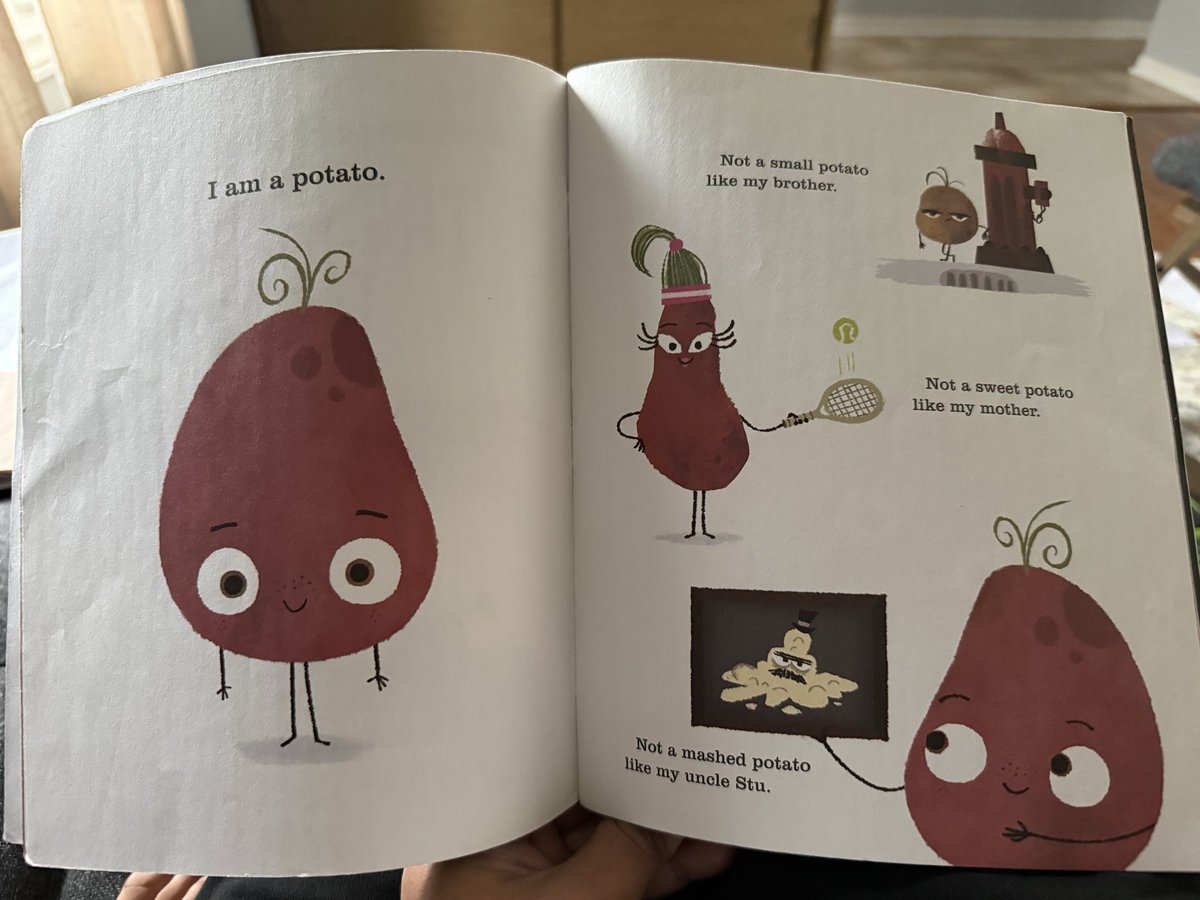
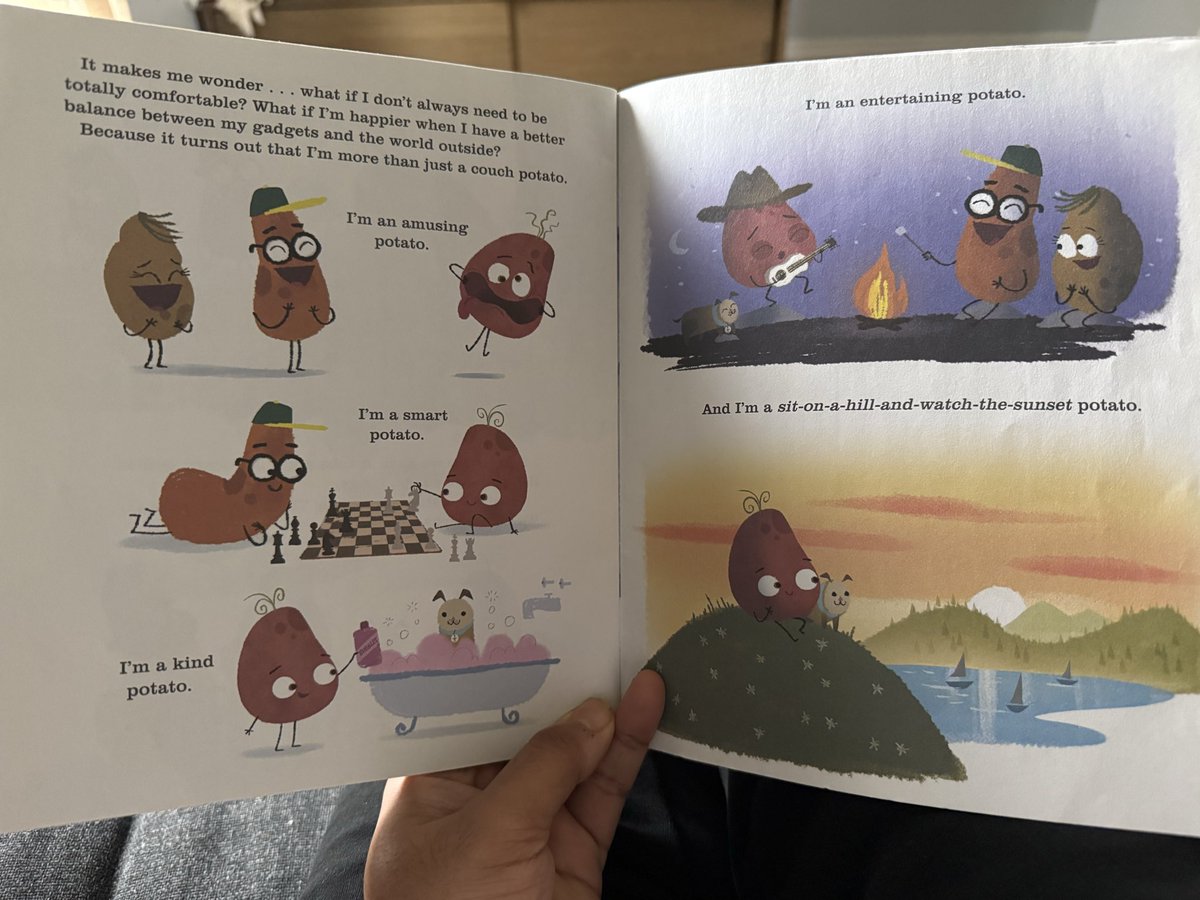
story time with the kids: the couch potato. then @poteto's grok bot guide says if you can't name your bot, call it potato.
bots take the screen time. we take the sunset.
I think a lot of people aren't using Grok Bot to its full potential, because knowing how to automate things is actually quite a difficult skill to learn. I wrote this post to break down how I approach automating anything with Grok Bot! https://t.co/FwJ4AwuHeU
The biggest opportunities right now:
1. build for solving loneliness (the more AI floods everything, the more people crave real human connection, IRL and small social)
2. build for places with no cameras and no recording (being offline and unseen is turning into the new status symbol)
3. build for the crisis of young men. Millions of guys in their 20s feel completely lost with work, dating, and purpose. Whoever builds real brotherhood, mentorship, and an actual path forward wins a massive market (and helps a ton of people).
4. build for protecting people's brains (feeds are turning everyone's attention to mush, tools that protect your focus and mood are an easy sell)
5. build for the death of "everyone agrees" (you can find a chart or a podcast clip to prove any point now, people are starving for one source they actually trust)
6. build for day 2, not day 0. Anyone can launch an app in a weekend now. But how can you keep it running, fix the mess, and grow it for 3 years.
7. build for throwaway software (not everything needs to be a $20 a month subscription, tiny apps made for one trip, one wedding, or one group chat are coming)
8. build for people whose ego just got bruised by AI. Millions of smart people are realizing their job was mostly pattern matching. Help them figure out what they're good for next.
9. build for things that take effort on purpose (when everything is instant and free, nothing feels earned, people will pay for slowness and craft)
10. build for people who miss being told they're wrong. AI agrees with everything you say now. Real rooms where smart people actually push back on your ideas are becoming a luxury.
11. build for skin in the game. The internet is full of free takes and bots. Any platform where people have to put real money, real names, or real work behind what they say wins.
12. build for agents that need to spend money (they're getting virtual cards and budgets, someone builds the spend controls, fraud protection, receipts)
13. build for the end of fake email jobs (half of corporate America knows their job is theater, build the exit ramp for people who want to do real work)
14. build for the friend with great recommendations (nobody trusts Yelp reviews etc anymore because it's all bots and SEO, people will pay one obsessive person to just tell them where to eat and what to buy)
15. build for life after the chat box. Typing prompts already feels old. The best AI products won't look like chatbots at all, they'll just sit in the background and proactively handle things.
16. build for markets too small to matter before (500 lobster fishermen was never worth a team, now it's a real business if you can figure out what to build value to add to these fishermen lives!)
17. build for helpful without being creepy. AI is getting very personal very fast. Whoever figures out how to make it feel warm instead of weird owns consumer tech.
18. build for small private rooms (the public internet feels like an ad and a bot farm, all the good conversations and deals are moving into small invite-only groups)
19. build for someone taking the blame. AI can write the contract or read the scan, but a machine can't look you in the eye when it goes wrong. People still pay for a human on the hook.
20. build for learning that actually keeps up (a four year degree is way too slow for how fast things move now)
21. build for the anti-AI premium (as everything gets generated, human-made and unpolished become status symbols people pay up for)
note: more trends/ideas https://t.co/a5ARFnvSnA (free to sign up)
22. build for the return to the physical (screens fill with slop, people crave the real world, the hands on, the local, the analog)
23. build for the caregiving wave. The population is aging fast, tens of millions are caring for parents, and the whole burden is landing on families with no support.
24. build for finding things you didn't know to search for (algorithms just feed you more of what you clicked yesterday, people miss stumbling onto something totally different)
25. build for the housing and rootlessness problem (people can't afford to settle down, and the whole idea of a stable home base is up for grabs)
26. build for anti marketing (the slickest, most polished websites now look like AI slop or a scam, sometimes a plain text page from 1998 converts better because it feels like a real person built it)
27. build for agents that sit on hold for you (canceling a gym membership, fighting a medical bill, haggling with your internet provider, aint nobody got time for that)
28. build for software you actually own (people are exhausted from renting 30 different subscriptions every month, pay once and run it on your own machine is a massive wedge)
29. build for stuff that only works locally. The internet feels like one giant mall where every city has the exact same coffee shops and trends. Things that refuse to scale are suddenly cool again.
30. build for the 90% automated, 10% human sign-off model (clients don't actually care if AI did the heavy lifting, they just want one real expert to check the work and put their name on it)
31. build for infinite creative testing. Some brands are lighting money on fire on Meta because their ads die in 10 days. Build an automated pipeline that pumps out 100 fresh UGC and static ad variations a week based on what's actually converting in their ad account.
32. build for cold outreach that doesn't look like cold outreach. Mass blasting 50,000 people with "Hope this finds you well" is dead lol. Build an agent that watches for one specific trigger like a new VP hire or a broken checkout page, builds a custom teardown on the fly, and sends it before a human SDR even wakes up.
33. build for programmatic free tools instead of blog posts. Spin up 200 tiny, hyper-specific calculators, little apps and templates for one niche, rank them, and turn the traffic straight into conversions.
34. build for the food and toxin awakening (people are finally waking up to ultra processed food, microplastics, and why everyone feels sick and tired all the time)
35. build for the death of third places (there is almost nowhere left to just hang out without spending $50, which is why run clubs, saunas, and neighborhood clubs are blowing up)
36. build for people who can't retire at 65. Either they can't afford it or they're going to live to 95 and don't want to spend 30 years watching TV. The second act"market is huge.
37. build for the "undo" button for agents. Giving an AI access to your inbox, calendar, or bank account is still terrifying. Whoever makes it safe to let go of the wheel wins.
38. build for the sports betting and day trading hangover (a whole generation of young people are addicted to gambling on their phones and blowing up their bank accounts)
39. build for the death of the attention span. Smart adults can't even sit through a movie without checking their phone or finish a book anymore, and they're starting to hate themselves for it.
40. build for keeping marriages alive. Couples are stretched thin with work, kids, and money, and traditional therapy is $250 an hour with a waitlist. Anything that actually saves relationships is priceless.
41. build for people who don't own anything anymore. You rent your apartment, lease your car, stream your music, and subscribe to your software. Anything that helps regular people actually own an asset again wins.
KEEP BUILDING
Gemini 4 Neon is now available in my free VS Code extension (180K+ installs across marketplaces).
New in 4.16.0 and 4.17.0 of AFK Pilot:
- Google's agy CLI with Plan mode and steering
- Up arrow brings back your earlier prompts
- A large paste becomes a file
- Antigravity's usage meter*
- Stop a subagent or workflow
*Some popular solutions impersonate Antigravity when calling Google's API - this may get you banned. This is a safe implementation.
Other harnesses:
- Go back, edit and continue in a new chat on Claude and Codex
- Steer works with Claude Code
- /context works with Claude Code
- Plan mode and Ask for approval for Codex
- Live subagent activity on Claude Code
- Steer, compact, skills and fork on Muse Code
VS Code Marketplace (free): https://t.co/lCFkkh5MEz
Open VSX (free): https://t.co/LVrnBPcm4c
if your docs fit in the prompt, you might not need rag at all.
anthropic said it in 2024: under ~200k tokens, put the whole knowledge base in the prompt. no retrieval.
the catch: long context isn't free accuracy. a 2025 benchmark found 11 models fell below half their short-context score by 32k tokens. anthropic's own docs now call it context rot.
so here's how i'd decide.
small, stable docs: put them in the prompt, then test it.
big or changing docs: you need retrieval. and demo rag (chunk, embed, retrieve) is where most teams stop.
production rag adds:
- keyword search next to embeddings
- a reranker. in one older benchmark it beat keyword search alone on 16 of 18 datasets, but ran ~20x slower
- chunking you actually test. that alone moved recall up to 9% in one vendor's tests
- retrieval evals, scored apart from the answers
that last one matters most. a 2024 paper on rag failures found you only really see them once the system is running.
so measure retrieval from day one.
empowerment without context is abandonment.
telling a team "you decide" without the why isn't trust. it's a coin flip.
the fix: write "even over" lines. speed even over polish. retention even over new signups.
now they can decide without you.
chatgpt's agent can now check out for you (us, pro only).
it never sees your real card. it gets a stand-in token, and you approve every buy with face id or a fingerprint.
if you're building agents, copy that: let the agent act, keep the secret out of its hands.
AI made building cheap. It didn't make knowing what to build cheap.
Red ocean: you fight rivals for the same customers. Blue ocean: you create value nobody is offering yet.
AI is making the red ocean bigger and faster. Marty Cagan: "with AI, these competitors are emerging faster than ever."
So the edge moves to judgment.
Cat Wu, then head of product for Claude Code at @AnthropicAI: "As code becomes much cheaper to write, the thing that becomes more valuable is deciding what to write."
Shreyas Doshi: when every company has equally powerful AI, "the taste, judgment, and creativity of a few product people" decides who stands out.
But a blue ocean isn't an empty market. @cursor_ai's founders first picked one they thought was "uncompetitive, and sleepy, and boring." It didn't work.
They moved to coding, about the most crowded space there is, and crossed $1B in annualized revenue by November 2025.
And it doesn't stay blue for long. Cursor co-founder Michael Truell: "no matter what entrenchment you build, you can be leapfrogged."
The new rule: don't find an empty ocean and sit in it. Keep creating new value, every model cycle.
#AI #Strategy
@vincent_koc@openclaw 5 weeks without a restart is the part i want to know about. how are you keeping context from going stale that long, rolling summaries or a fresh session each pass?
Want a Claude certification? You can't just sign up for one.
Anthropic's exams are only open to people who work at a Claude Partner Network company, and you have to register with a company email. Personal emails don't work.
The good news is that joining the network is free, and Anthropic says any organization bringing Claude to market is eligible.
Here's the path I'd follow:
1. Start with the free Anthropic Academy courses. All 7 prep courses for the Architect exam are public, from Claude 101 to Intro to MCP.
2. Apply to the Claude Partner Network as a business at https://t.co/cqge9L4nSH.
3. Take Claude Certified Developer (Foundations): $125, 53 questions. Its content changes Dec 7, and the updated study guide isn't out yet, so take it after the update.
4. Then take Claude Certified Architect (Foundations): $125, 60 questions.
5. Add Google's new Professional Agentic Architect ($200) only if your clients run on Google Cloud. It's open to anyone, and it's an exam plus 2 hands-on labs.
What to expect on the Claude exams: 120 minutes, a pass mark of 720 out of 1,000, and a certificate that's valid for 12 months, with free renewal if you renew on time.
Two things to watch: a Claude Developer (Professional) exam has been announced, but you can't book it yet. And Google hasn't published its pass mark.
A certificate doesn't replace building things. But if you work with Claude for clients, this is the clearest way to prove it.
OpenAI just released its first AI that it rates "High" at helping build AI.
It caps a busy year. OpenAI went from GPT-5.1 last November to GPT-6.2 today (timeline below).
That rating comes from OpenAI's own safety checks. OpenAI's own assessment is that GPT-6.2 Astra can help speed up AI research, roughly like giving each of its researchers a capable assistant. It's the first model OpenAI has released publicly with that rating.
The headline number: on an internal test, Astra cut the training time for a small AI model by about 43%. The previous Astra managed under 8%. OpenAI notes the two were scored on different versions of the test, so it's not a clean comparison.
Outside testers see something smaller. One independent index of AI research skills, from Vals AI, moved from 27% to 29%.
So it's real progress, but the big number is OpenAI grading its own homework.
The detail I'd pay most attention to is quieter. In tests where OpenAI planted a known problem, Astra didn't flag it 22% of the time. That's double the earlier model.
A tool that's faster at the work, and more likely to stay quiet when something's wrong.
That's the pattern with every new model. The output gets better. The need for someone to check it doesn't go away.
#Astra #GPT #GPT62
Bosses trust AI's work a lot more than the people closest to it.
In one survey of software teams, 73% of leaders were confident the AI's output works as intended. Only 52% of the people doing the work agreed. And 46% of teams had shipped AI work that later broke once it went live.
The doubters have a point.
AI makes the first draft fast and cheap, whether that's a report, a design, a campaign or a plan. But faster isn't the same as better. When nobody experienced checks the work, small mistakes pile up quietly until something breaks. It's like adding rooms to an old house without checking the foundation.
That's true in every job now. Your value isn't producing the draft. It's knowing whether it's right.
Doing got cheap. Judgment is the job.
So don't ask how fast your team moves. Ask who's checking the work.