“then, the wind did change to coincide with the Nakaiy. Now, changes to the winds don't come with Nakaiy. Allah makes things happen among a people according to how they collectively wish for things to happen, right? ”
Keyolhu Ahmed
GDh Gadhdho
Seenuge
https://t.co/mk6AZNvkWH
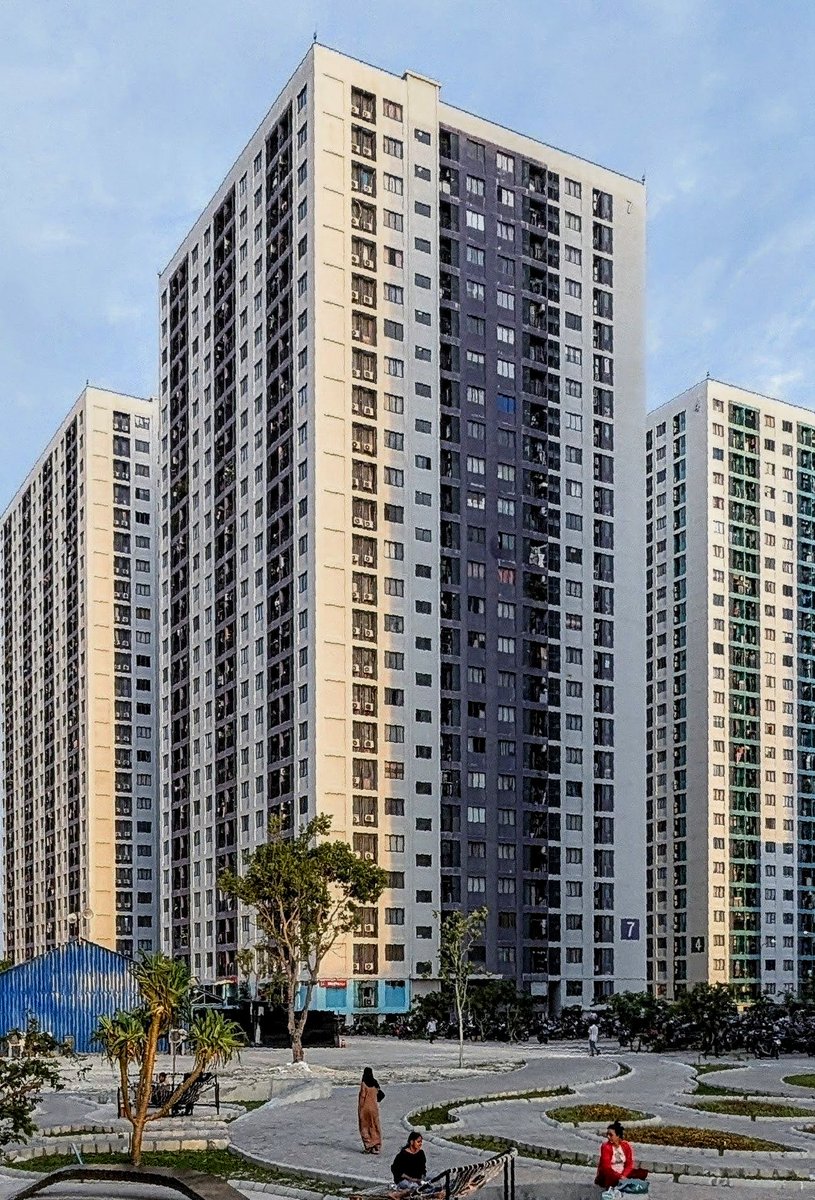
Thank you to everyone who joined yesterday to defend Villingili’s trees and remaining greenery. Let’s keep the momentum, show resistance, raise your voice against @China_Amb_Mdv@MMuizzu@bankofmaldives
join the movement to protect what’s left.
#SaveVillingili
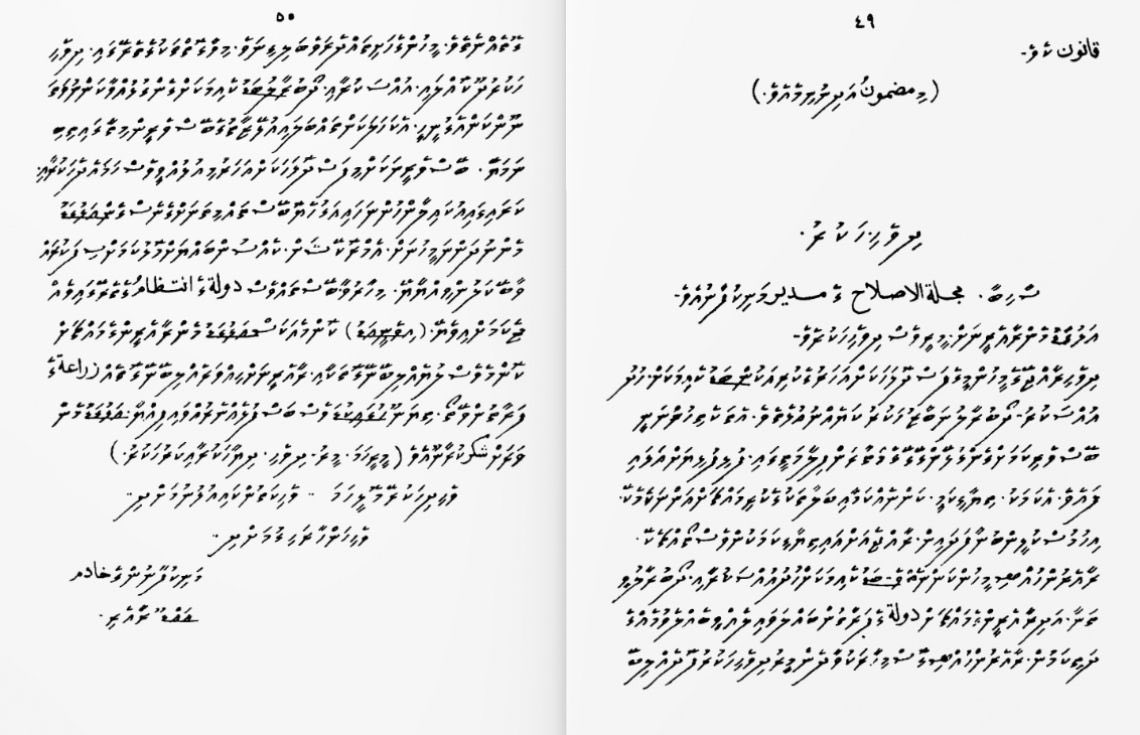
Multiple ethnographic undertakings, by Koechlin and Romero Frias quoted this in their work emphasizing the importance of preserving the island and community spirit encapsulated in these verses but also the importance of celebrating this work itself.
In November 1983, the small Provençal town of Valbonne played host to a roundtable for Ethnographers. Among the presenters was B. Koechlin, a French ethnographer, who stood before colleagues with a curious offering: a Maldivian poem.
https://t.co/tUshJF42BF
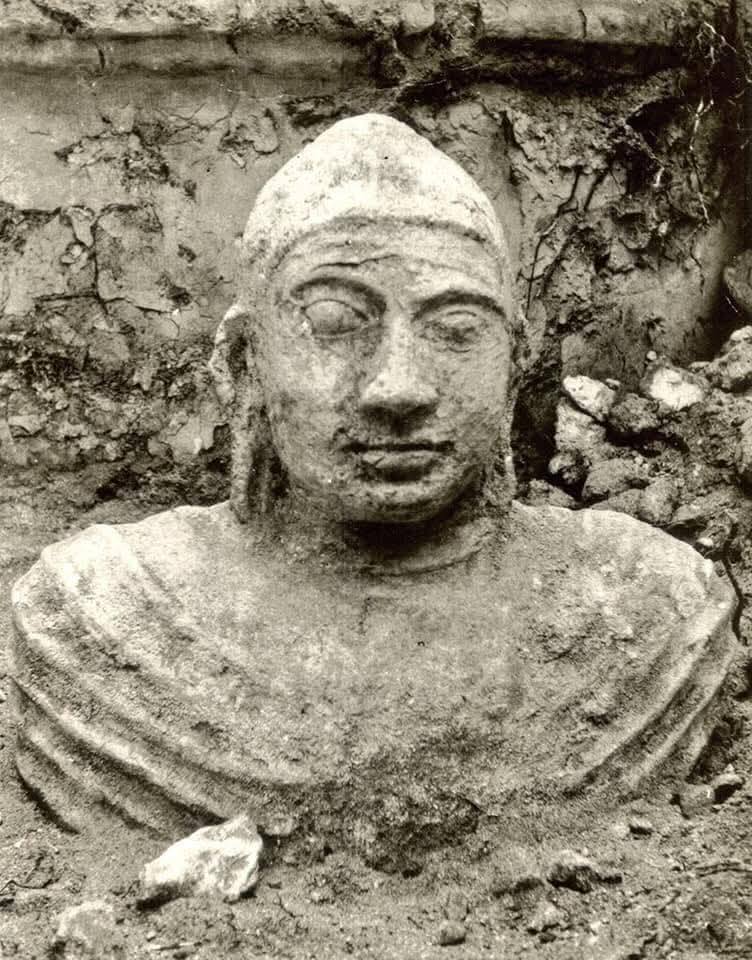
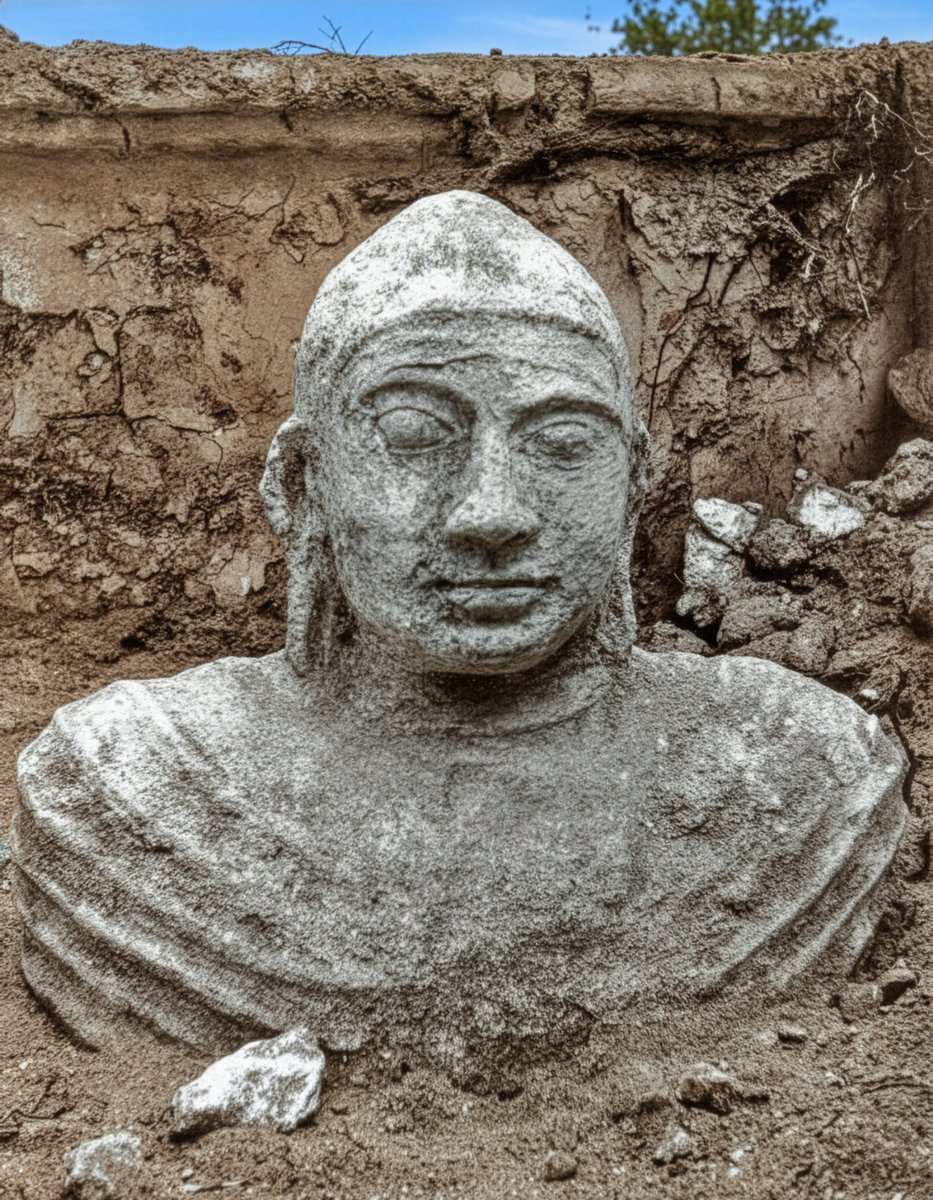
The Buried Buddha of Thoddoo — 1958–59
As the Thoddoo dagaba excavation continued in 1958–59, workers lifted a sandstone slab inside the mound. Beneath it lay a large statue of a robed monk, closely resembling Buddha images from Sri Lanka.
The sculpture had been deliberately buried upright and sealed under stone and sand — almost certainly hidden when the Maldives converted to Islam in 1153 and Buddhist worship was outlawed.
Eyewitnesses described the atmosphere as charged with awe and fear. Some shouted at the statue as if it were a villain from folklore. By the next morning, its head had been smashed off. Though reattached, suspicion lingered and tensions rose.
The statue was transported to Malé and placed under a verandah at Mulee-aage, where officials debated what to do with it. Within days, however, a group stormed in and destroyed it. Only the head survived, now kept in the National Museum.
One of the Maldives’ most remarkable archaeological finds was not lost to time, but to vandalism and fear.
This is the second of four posts on the Thoddoo discoveries of 1958–59. Next: the Roman Coins found in Thoddoo.
Photo: Ali Najeeb, Thoddoo dagaba excavation, 1958–59.
Naifaru Abdul Hakeem Kaanna Kaleyfaanu — better known as Naifaru Dhon Kaleyfaanu — was one of the country’s most respected traditional healers. Based in Naifaru, Lhaviyani Atoll, he was sought after for his deep knowledge of traditional medicine at a time when formal healthcare was still limited in the islands. Beyond his role as a hakeem, he also served as Atoll Chief of Lhaviyani, making him a figure of both healing and leadership.
His legacy lives on most visibly through his children. He was the father of Dr. N.D. Abdulla Abdul Hakeem, the first Maldivian doctor to complete formal medical studies abroad and later the country’s pioneering ophthalmologist. Dr. Abdul Hakeem went on to establish eye care services in the Maldives, performing the nation’s first corneal transplants and leading eye camps across the islands for decades.
Another of Dhon Kaleyfaanu’s sons, N.D. Abdul Azeez, became a leading conservationist and a pioneer of Maldivian tourism development, co-developing Ihuru and later serving as Director of Agriculture. Other family members, too, went on to hold important roles in public life, carrying forward the values of service and care instilled by their father.
Naifaru Dhon Kaleyfaanu is remembered not only for the countless lives he treated with his medical knowledge, but also for setting the foundations of a family whose contributions to medicine, environment, and nation-building continue to shape the Maldives today.