ده احسن فيديو شفته لحد دلوقتي بيتشرح فيه قصة ازاي تعمل نسخة AI (أفاتار) تشبهك في الشكل والصوت.. ودي الخطوات وأهم النصايح اللي في الفيديو 👇
https://t.co/4DKwHwwbEw
4. عشان تطلع بفيديوهات AI طويلة
استخدم HeyGen لإنتاج الفيديوهات الطويلة بسهولة.
وفيه "خدعة" استخدام الشاشة الخضراء داخل Nano Banana، وبعدين تشيل الخلفية في أي برنامج مونتاج زي CapCut وتحط أي خلفية تانية.
5. أهم 3 نصايح من الفيديو
1️⃣ جرّب تولّد نفس المشهد أكتر من مرة لحد ما توصل لأفضل لقطة.
2️⃣ ادمج Higgsfield للصور والتحريك مع ElevenLabs للصوت.
3️⃣ خطط شغلك من البداية واستفيد من ملفات الـMD الجاهزة لتوفير وقت كتابة الـPrompts.
3. إضافة الـ B-roll
دي اللقطات اللي بتخلي الفيديو مش ممل (زي لقطات قريبة للمنتج أو لقطات سينمائية ليك).
وده أهم سر بيخلي الفيديوهات بتاعتك تبان احترافية.
2. إنشاء الفيديوهات القصيرة
استخدم صورك مع أداة Cling 3.0 عشان تحركها، ولازم تكتب "Prompt" دقيق يحدد حركة الكاميرا والجو العام.
عشان الصوت يطلع شبهك جداً، رشح استخدام خدمة ElevenLabs للـ "Voice Cloning" الاحترافي.
1. تجهيز ال Character Sheet
تقدر تستخدم أداة Nano Banana (جزء من Higgsfield AI) عشان تعمل "كاركتر شيت" فيه ملامحك وزوايا جسمك من صورة واحدة.
احسن طريقة هي انك تعمل Soul ID عن طريق رفع حوالي 20 صورة ليك عشان الذكاء الاصطناعي يحفظ تفاصيل وشك بدقة عالية.
One of the biggest mistakes I see site owners make when chasing SEO/GEO performance: they don't realize that certain page types - especially when published at scale - can be more of a liability than an asset.
This is especially true right now with AI tools that recommend new pages to build for rankings or citations, without understanding which types of pages can actually be risky for overall performance.
For a long time, Google and other search engines have been able to understand the core focus of a website and identify pages that don't fit into that focus. Or worse: pages built for the sole purpose of driving SEO (and now AI) traffic/visibility, without providing a genuinely helpful, objective, truthful experience for the user.
Something I see often: many folks who create these pages think they *are* helpful. I get it - it's natural to feel this way when you put time and effort into creating content. But what they often don't stop to ask is whether an objective third party would also truly see the page as helpful, truthful, and unbiased - or whether they'd see it as promotional content pretending to be "educational."
When you create biased or self-promoting pages at scale - content that hooks the reader with the promise of educating them, but ultimately steers them toward your product as the single solution to their problem - that pattern can become a major SEO liability for your domain.
A core theme of many Google updates over the years: they want objective, E-E-A-T-driven content that actually helps users - not sponsored or biased information meant to persuade people to take action on behalf of the brand.
With AI search, I'm seeing companies now produce these types of pages faster than ever. It seems like the obvious way to earn more mentions/citations, and AI makes it easier than ever to scale templates programmatically. But this is a classic SEO mistake: scaling this content often backfires within ~6 months, and it can ultimately drag down the performance of the entire domain. It's the single most common pattern I see among sites affected by algorithm updates.
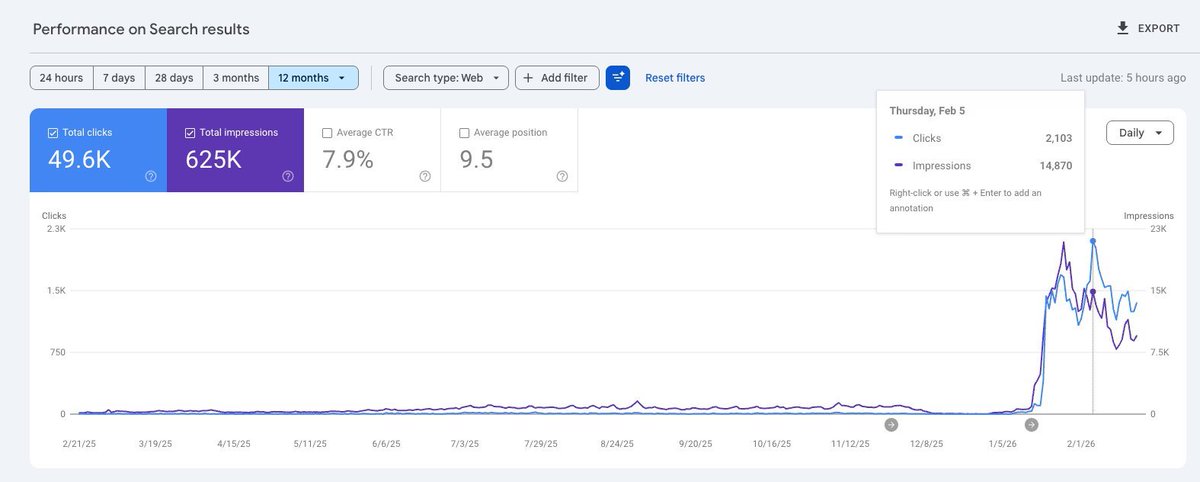
I've now identified over *70 companies* impacted by Google's January 20th update, where this exact situation played out: many using highly similar SEO/GEO-driven content approaches. When Google can spot a footprint like that at scale, it becomes very easy for them to demote dozens of companies using the same tools and techniques to drive self-promoting SEO and GEO visibility.
And when so many companies are using the similar tools that make similar recommendations, we're going to keep ending up with this same problem.
IMO, the best you can do right now is spend that time, energy, and budget creating something truly unique. Not "unique" in the sense of asking a language model to "add information gain" to your otherwise AI-generated content; but unique because it's made of original research, opinions, ideas, and genuine expertise.
وعليكم السلام ورحمة الله وبركاته
المشكلة دي شائعة جدًا، انت مش لوحدك. الموضوع مهارة تقدر تتعلمها وتتحسن فيها بسرعة لو مارستها صح.
الحاجة الأساسية اللي لازم تذاكرها وتمارسها:
1. طريقة STAR دي أقوى طريقة تخليك تتكلم عن شغلك ومشاريعك بشكل منظم وقوي.
📌S = Situation (الوضع اللي كان موجود)
📌T = Task (المهمة اللي كانت مطلوبة منك)
📌A = Action (إيه اللي عملته بالظبط - ركز على دورك أنت)
📌R = Result (النتيجة - حاول تخليها بالأرقام)
مثال سريع: بدل ما تقول: “عملت ETL pipeline بـ Airflow”
قول: “كان عندنا مشكلة إن الداتا بتتأخر 4 ساعات يوميًا، فكنت مسؤول عن بناء pipeline جديد بـ Airflow. عملت scheduling و error handling و logging، والنتيجة إن وقت المعالجة قل لـ أقل من ساعة، وده وفر على الفريق حوالي 15 ساعة شغل أسبوعيًا.”
📌 جهز 4-5 قصص قوية عن مشاريعك (متكررش نفس القصة في كل سؤال):
مشروع فخور بيه
مشكلة كبيرة حليتها
موقف اتعاونت فيه مع فريق
حاجة اتعلمتها لوحدك وطبقتها
مشروع فيه ضغط أو deadline صعب
📌 ركز على الـ Impact مش الـ Tasks الإنترفيو مش عايز يسمع “عملت كذا وكذا”، عايز يسمع “ليه اللي عملته مهم وإيه اللي غيّره”.
إزاي تتدرب عمليً؟
📌سجل نفسك وأنت بتجاوب على الأسئلة دي (حتى لو لوحدك). هتكتشف إنك بتتكلم كتير بدون تركيز.
📌استخدم طريقة “الـ 60 ثانية”: كل إجابة تحاول تخلصها في دقيقة لدقيقة ونص.
📌اعمل Mock Interview مع صاحبك
📌اكتب الإجابات الأول على ورقة، بعدين احفظ الفكرة مش الكلام بالظبط.
بالتوفيق 🌹