ReachingBot Device Manager v2.4.1 released.
- Pellet detection zone is now configurable
- TTL signals can now be coupled to external devices for event synchronisation (e.g. for 2-photon imaging or transcranial stimulation)
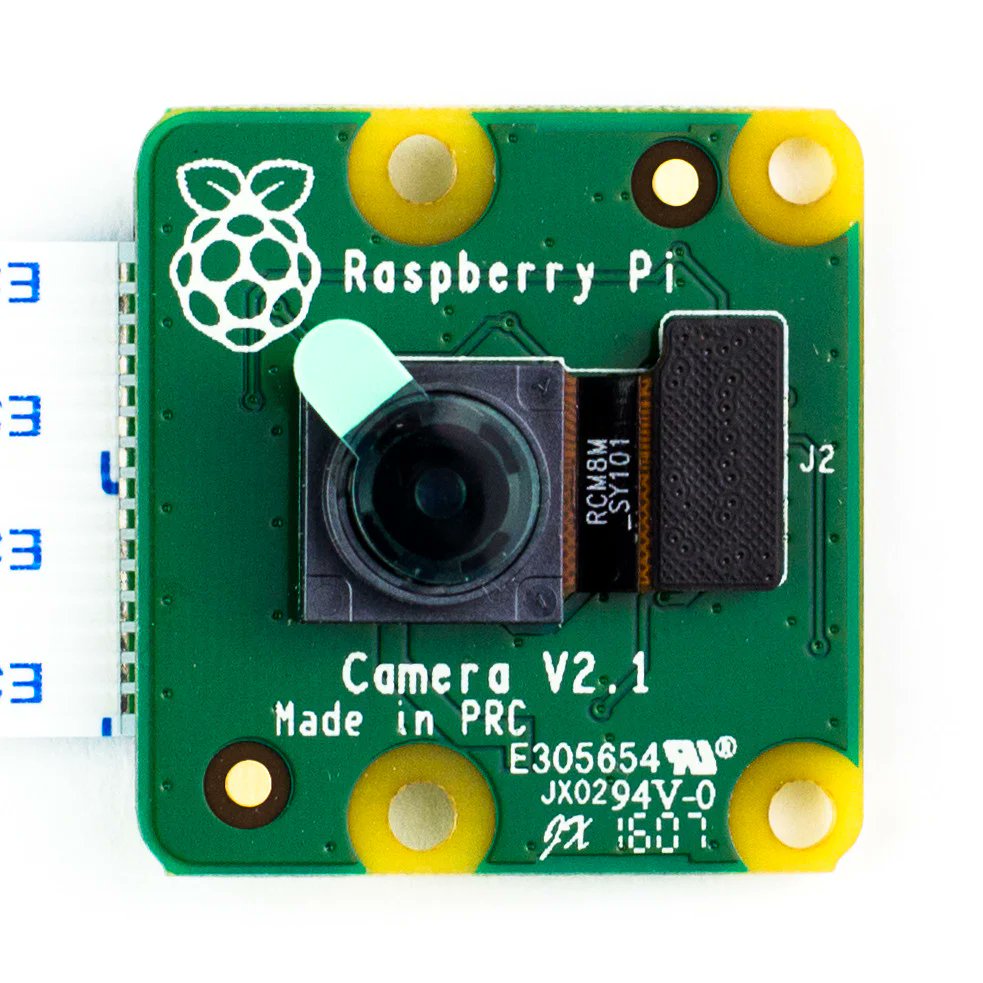
In this timely video, @geerlingguy, shows off the capabilities of @Raspberry_Pi's new camera module, released today.
A 12 megapixel camera with autofocus, infinite flexibility and for just $35.
https://t.co/kgtFosksl2
We think ChatGPT will be amazing for science.
From helping you with your writing, to creating beautiful data visualisations with Python; ChatGPT has you covered.
Find out how by clicking below.
https://t.co/plJXelx173
#neuroscience#AcademicTwitter#ChatGPT#lifesciences
🚀 As a scientist, learning to code can open up new opportunities and improve your research.
💻 Make 2023 the year you learn how to code and take your career to the next level. We share tips on how best to start.
📈 #neuroscience#coding#programming
https://t.co/SI3JRxfOFJ
This widely used assay in #neuroscience research is a valuable tool for studying the neural mechanisms underlying goal-directed movement & can be modified to study specific aspects of motor function. Check it out: https://t.co/k6h6kZVbvg
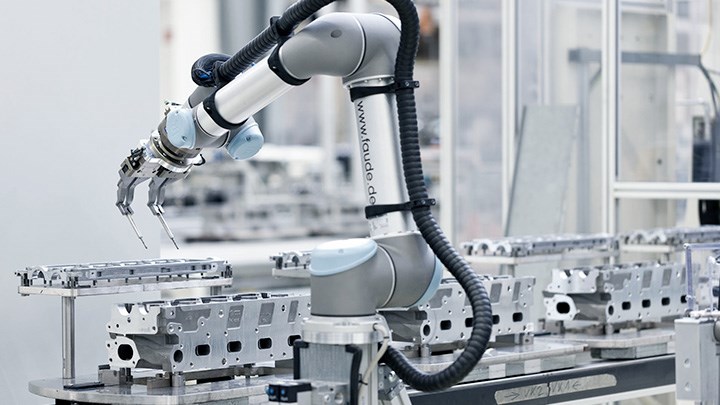
🦾 From the increasing adoption of robotics and AI, to the integration of lab equipment and the use of cloud computing, these trends are transforming the way research is being done in academia. #laboratoryautomation#academicresearch#AI#robotics https://t.co/By2WuYe2t0
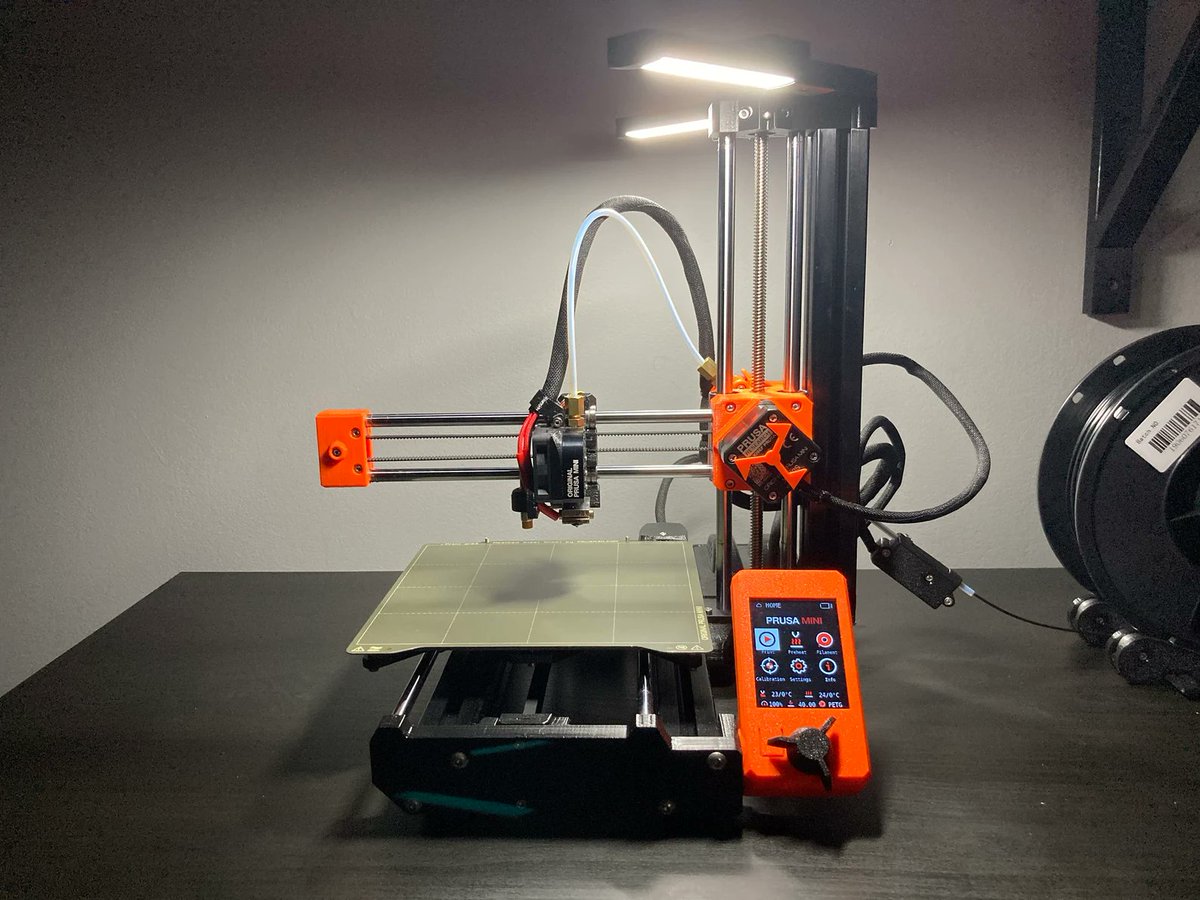
In need of a cost-effective and versatile tool for your lab? Check out our latest blog post on why a 3D printer should be the next piece of equipment you add to your arsenal! #lablife#3Dprinting https://t.co/F6936Si9sy
Looking for an affordable camera for your neuroscience research? Check out our blog post on why the Raspberry Pi Camera is a great option! From high-quality images to high frame rates, it has everything you need for a wide range of research applications. https://t.co/4215guhq6f
Which of the options below, as a researcher working in life sciences, would you benefit most from if it were automated? #neuroscience#lifescience#academia
We're happy to share that @autoscientific has joined the #NVIDIAInception program, an ecosystem that will no doubt accelerate the expansion of our technologies and support @autoscientific's vision of automating life science research.
It’s out! Our preprint in biorXiv detailing the development and validation of a device that automates the single pellet reach-and-grasp (SPRG). Here’s a video taken by one of our ReachingBots. Well done to this mouse! 🧵
https://t.co/RgGCZoIg3M
ReachingBot: an automated and scalable benchtop device for highly parallel Single Pellet Reach-and-Grasp training and assessment in mice https://t.co/m7eiphsxwH #bioRxiv