I was able to complete the Rückschau meditation (replaying the days events in reverse order before bed) for the first time ever last night. I usually get distracted or fall asleep midway.
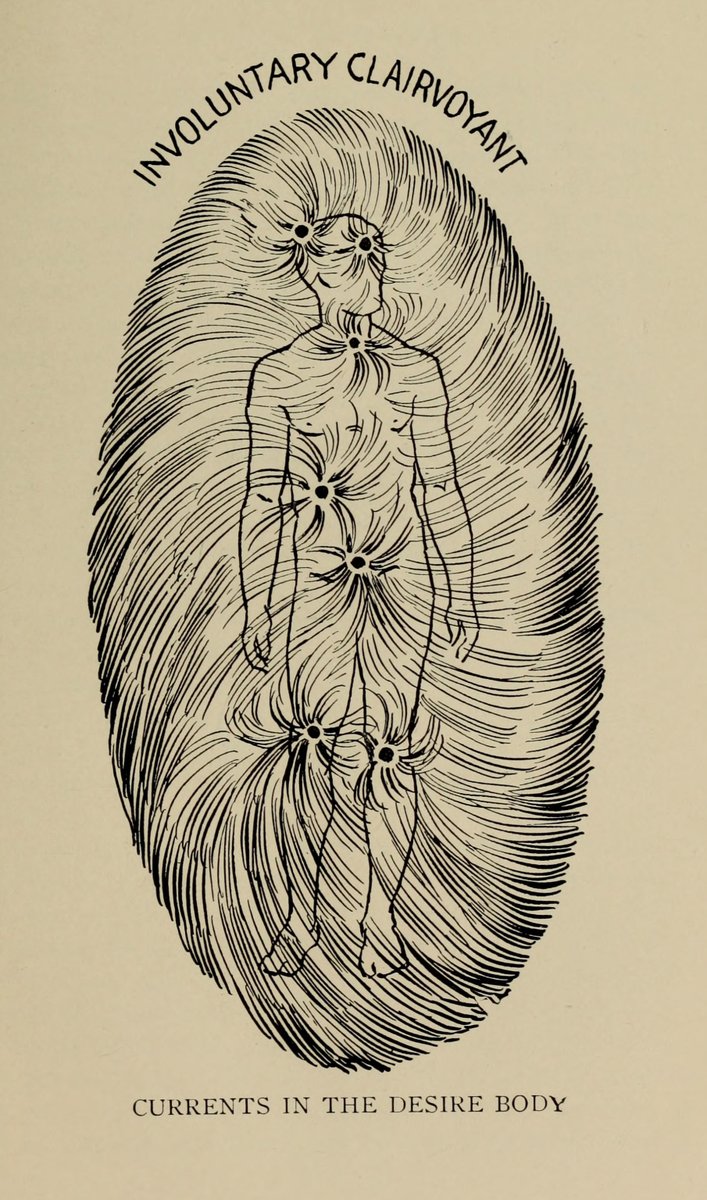
After that I ran the Lord’s Prayer through the chakras.
Best nights sleep in a while. In the morning I made space for revelation aka forgot my phone and home and was blessed in a big way 🙏
Japan is remarkably knowledgeable about the esoteric. The modern wave began in the 1970s “occult boom”, sparked by The Exorcist, Uri Geller’s spoon bending and a bestselling book on the prophecies of Nostradamus, all building on the post-WW2 era of Western esoteric influence.
Alongside their own mystery past, through ancient asian mysteries, and alike.
"Those who sing and kiss know more about the world than the most learned scholars." - Novalis
We live in an age that places enormous value on intellectual knowledge.
We measure, calculate and analyse almost everything.
We can describe the composition of matter, map biological processes, and uncover the mechanisms behind countless phenomena.
But there is a question we rarely ask:
Does knowing how something works mean we truly understand what it is?
A scientist can explain the structure of a flower.
He can identify its chemical composition and describe its biological functions.
But has he exhausted its reality?
Has he understood its beauty?
Its presence?
Its meaning?
The difference is not between knowledge and ignorance.
It is between observing something from the outside and participating in it from within.
To sing is to meet the world through feeling, harmony and lived experience.
To kiss is to encounter another human being through love, intimacy and genuine connection.
Both involve forms of knowing that cannot be reduced to analysis alone.
They require the human being to become inwardly involved with what is being known.
This is why the deepest mysteries of life are never grasped by thought alone.
They reveal themselves to a heart capable of reverence, wonder, and love.
This does not mean that science is worthless or that intellectual development should be abandoned.
It means that it is only one dimension of human understanding.
The intellect can analyze the parts.
It can separate, categorize, and explain.
Yet the human being also possesses imagination, feeling, and spiritual perception.
These capacities allow us to encounter reality as a living whole.
The world does not reveal itself equally to everyone.
One person sees only physical objects.
Another perceives meaning, relationship, and living significance.
The difference lies not in the world itself, but in the capacities of the observer.
The task is therefore not merely to accumulate more knowledge. It is to become the kind of person capable of perceiving more of reality.
To unite thinking with feeling.
Knowledge with love.
Understanding with reverence.
The highest form of knowledge is not knowing more about the world.
It is learning to participate more deeply in it.
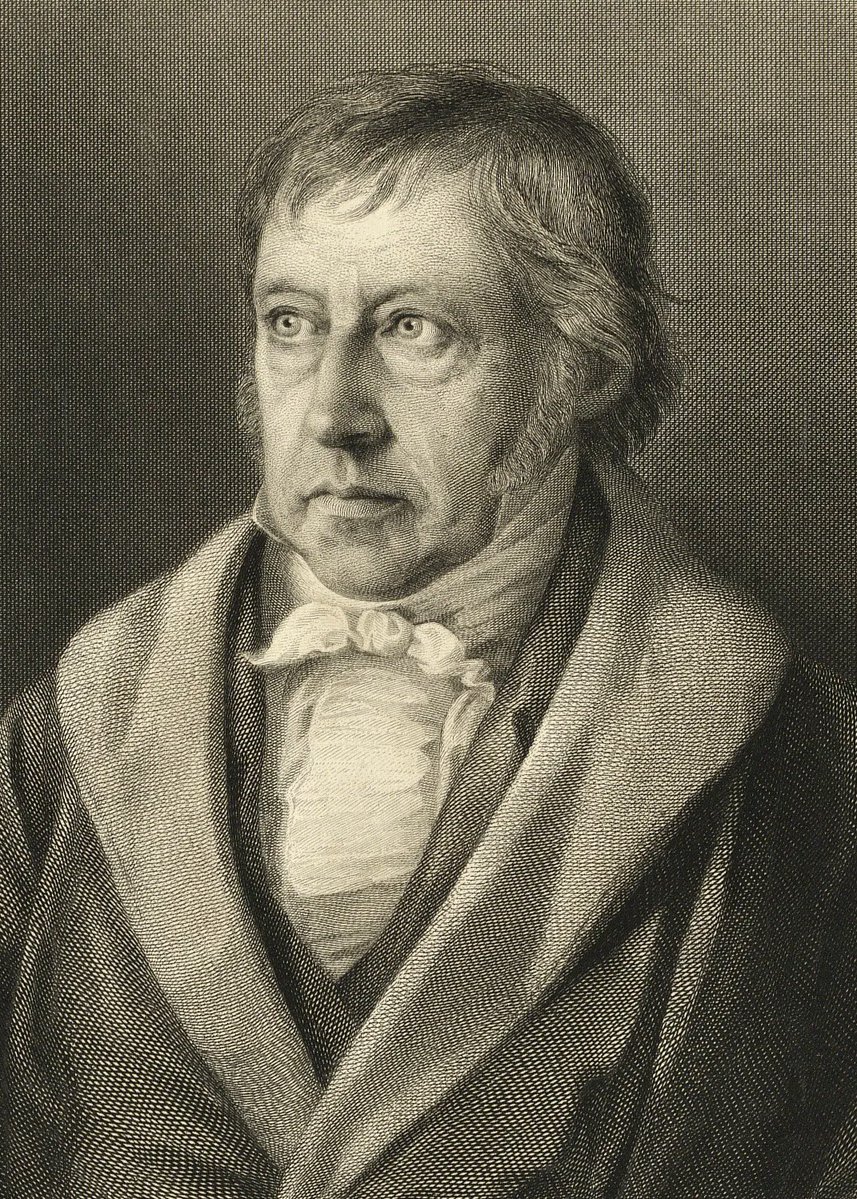
People who are too fastidious towards the finite never reach actuality, but linger in abstraction, and their light dies away.
🇩🇪 G.W.F. Hegel, Encyclopaedia Logic
There are, indeed, things that cannot be put into words. They make themselves manifest. They are what is mystical.
—Ludwig Wittgenstein, Tractatus 6.522
This is no denial of the higher realities, only a refusal to cheapen them with poor language.
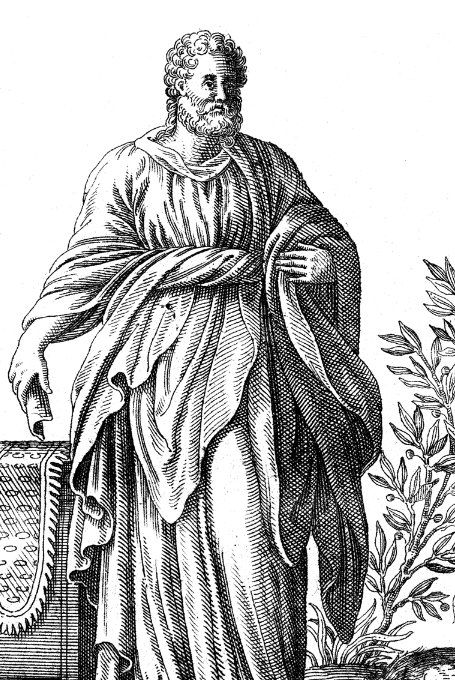
Iamblichus, the Syrian mystic who shaped the whole later Platonic tradition, taught that you cannot think your way to the gods. You must practise “theurgy”, which means “god-work”.
In the 4th century this was heresy against philosophy itself. Porphyry, the student of Plotinus, believed the mind alone could get there. Purify the intellect, he thought, and the soul rises by its own light. Plotinus had even taught that a part of the soul never leaves the divine at all.
Iamblichus disagreed. In his view, the soul descends into the body, too far to climb back by thought alone. His solution was theurgy (the use of sacred names, symbols, and rites handed down from Egypt and Chaldea).
The interesting thing is that he believed the rite works not because the one performing it understands it, but because the gods themselves recognise it.
He even wrote his defence of it under the name of an Egyptian priest, “Abammon”, as if to say this wisdom was never his to begin with.
Is it any surprise, then, that later Platonists like Proclus followed Iamblichus and not Porphyry? Philosophy may show the soul where it belongs. Only the rite, Iamblichus thought, could carry it there. It is not man lifting himself to heaven, but heaven lifting man.
Obviously this was ancient consciousness, and it has evolved since. The thinking Iamblichus found insufficient was still shadow-thinking, a pale reflection of the spirit, and not yet a living Thinking, awakened and free, in which the spiritual world can be met directly.
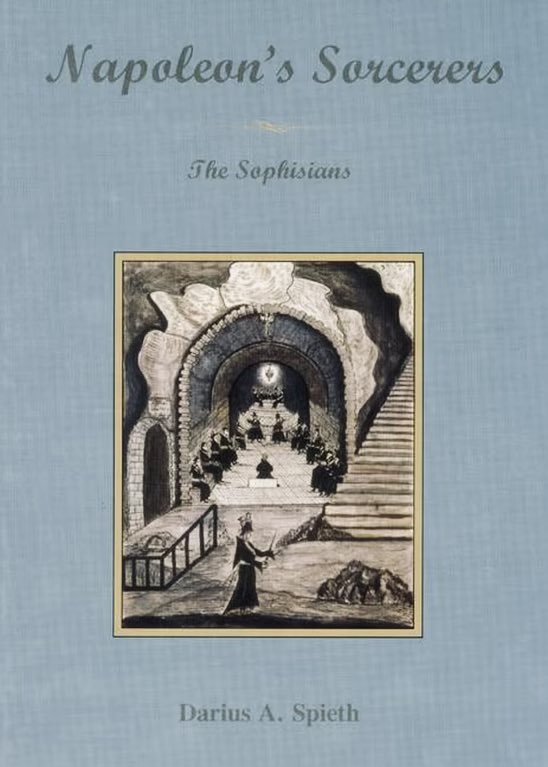
All great events hang by a single thread. The clever man takes advantage of everything, neglects nothing that may give him some added opportunity; the less clever man, by neglecting one thing, sometimes misses everything.
🇫🇷 Napoleon Bonaparte