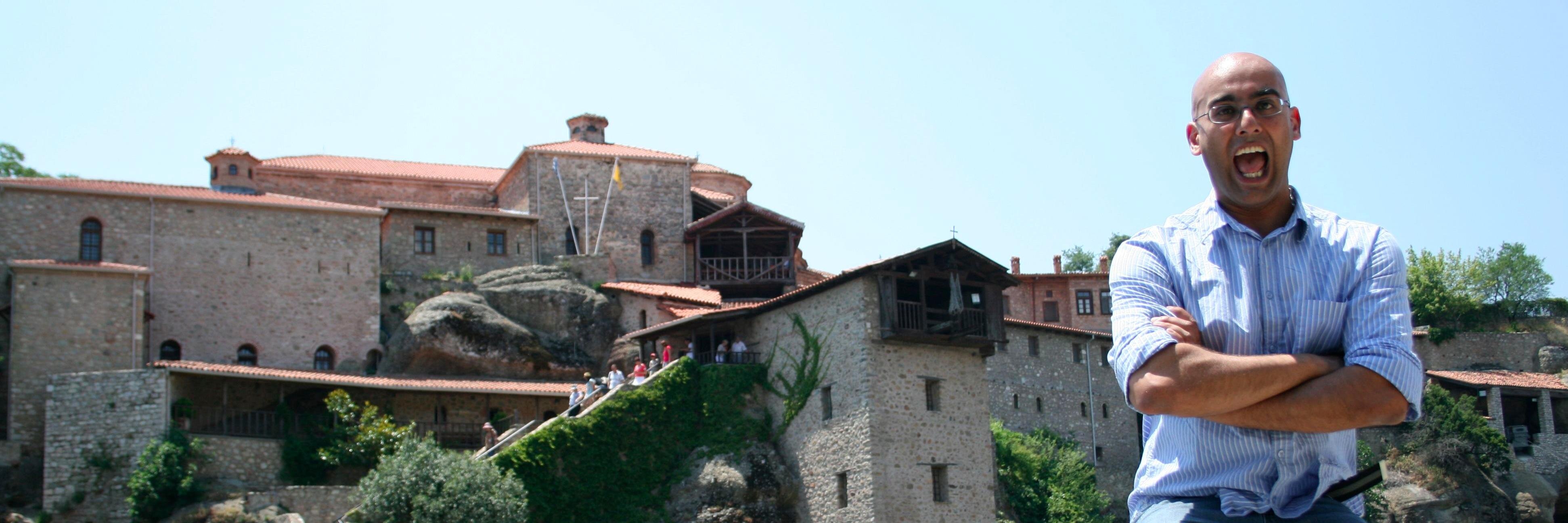
Made the cover of @CACMmag with "A Decade of Docker Containers", recapping much systems work! Docker grew so fast in those early days that we never got a chance to write an academic paper about it, so this writeup has been a long time coming: https://t.co/P8JJBSdrZd.
A heady mix of Go, OCaml, Swift, Linux, nested kernels, ancient network protocols like SLIRP, all mixed up into a container cauldron...
The article also comes with cool art and a video interview that was a lot of fun to film around @pembroke1347 and my overgrown office. I left some musings on my blog too https://t.co/2aR2JNsGxr with @mugofsoup and @justincormack
Yo dawg, I heard you like interpreters.
So here's your OCaml program, running in a bytecode interpreter, running on an emulated x86 CPU, JIT-compiled to Wasm, running in your browser, JIT-compiled to run on your local machine.
getting there with the refreshed ocaml bindings for io_uring zerocopy. the only thing i'm really missing for very fast filesystem work is getdents64 which doesn't look available yet https://t.co/j50EHCFpKW
Is there anything written down about what 'blog@cacm's scope actually is? I'm fine with it being an engagement farming section of the CACM, but I can't find editorial guidelines. https://t.co/aG5z8NYI8f is the closest. I like that practitioners can write more casually about their experiences, but it's a little jarring to have that mixed alongside peer reviewed articles in the front page!
I agree with Shriram and Derek that your response to Sam was unwarranted.
Much fun talking with @natefoster about networks, BGP, programming languages, formal methods, and what it's like being a visiting researcher at Jane Street.
I dropped by Edinburgh last week for a workshop on 'rewilding the web', with participation from philosophers, technologists, ecologists, architects, mathematicians, authors and landscape planners. It was a lot of fun and my reading list is now exploding! https://t.co/DQAzsPD40W
@davidcrawshaw We did revisit how to refer to collections of namespaces in Docker in ~2015 but a) noone cared about which namespaces were in use as the complexity was all storage/networking; b) --privileged just worked; and c) namespaces are a piecemeal interface https://t.co/lBQy1odCm6
TESSERA's hedgehog habitat monitoring project was back on @BBCNews this morning!
The @BBCBreakfast posted this convenient segment, available to watch now (requires iPlayer sign in) 🦔
With @hedgehogsociety and @Cambridge_CL
https://t.co/yG737dNyyl
This is the strangest @github reliability bug yet: a contributor's PR gets closed and the branch deleted every time he closes the browser tab he opened the PR with https://t.co/brdHyGz4Oo
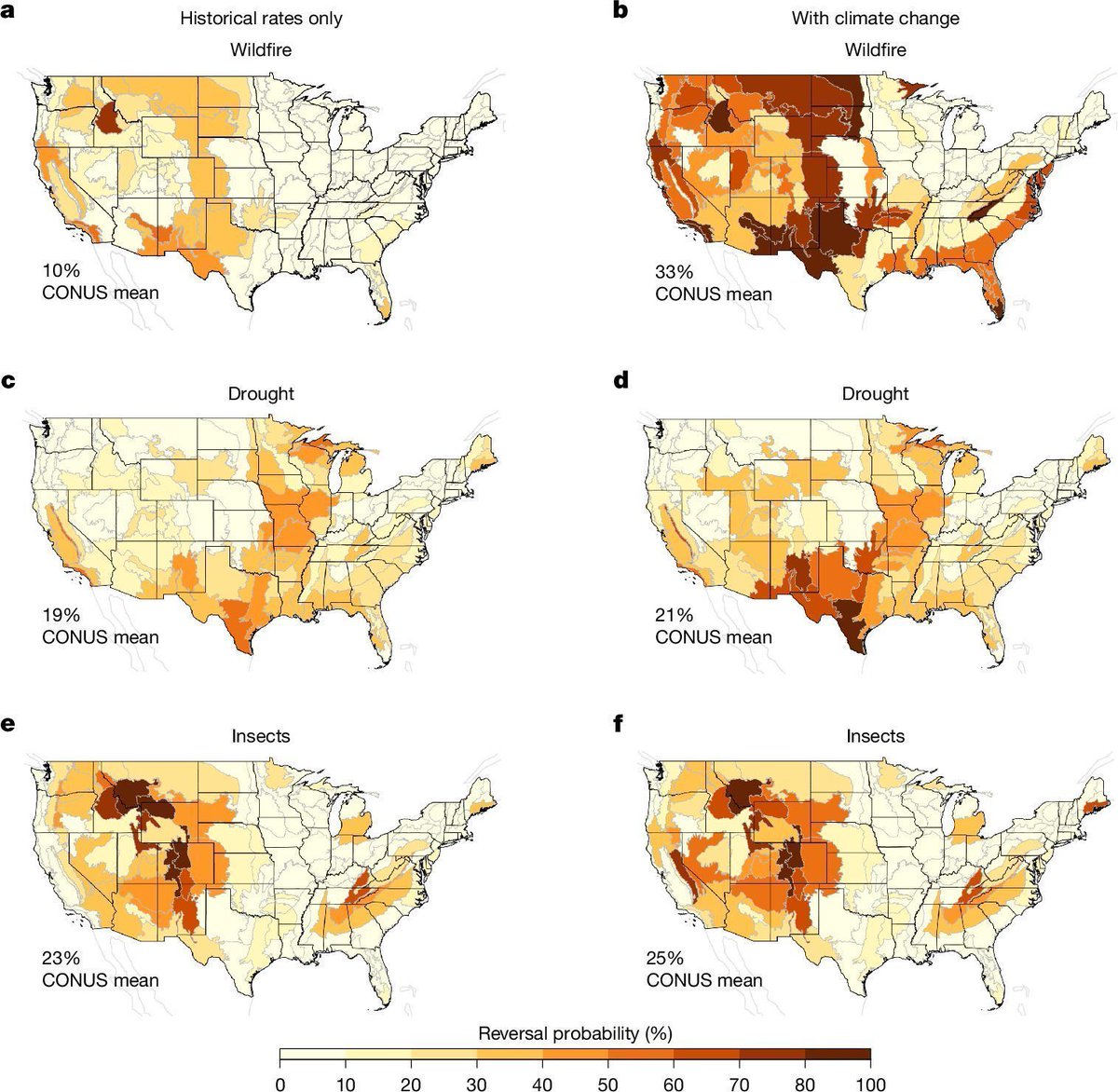
Bad news: Climate change could triple wildfire’s odds of destroying the carbon stored in U.S. forest offset projects.
Good news: This paper has exquisitely designed figures.
.plan-26-21: some amazing undergraduate projects completed this week on TESSERA and OxCaml, speaking at Pint of Science, and a grab bag of hacking https://t.co/3kqG1v9Pnk
Congratulations to our 7 researchers announced today who have been elected to the @royalsociety 2026 Fellowship! 🎉
Meet the Cambridge Fellows, recognised for their exceptional contributions to their respective fields 👉 https://t.co/iwmqr57vC1
Some 'behind the scenes' about appearing on the BBC/ITV/etc last week talking about... hedgehogs and AI, of all things. https://t.co/rW72idLwE6
It was quite fun discovering how the radio and TV production processes works post-pandemic; it's much more social media and remote-friendly than the old ways of traipsing around to the studios for a big formal interview!
superb piece of work getting merlin's typing recovery upstreamed into the OCaml compiler; it might even make 5.5! "the typer won't stop at the first error. Instead it will continue typing as much as possible, reporting other errors along the way" https://t.co/SNTQow3a9J