Social psychologist studying political psychology, affect, leadership, & intergroup relations. Maintaining more activity on bsky these days. Pls find me there!
So yes, cast your ballot, and then--if you can--try to pull yourself away from the election doom-scrolling, it's going to be a minute before we get complete results. Call it doctor's orders if you'd like. ☺️ (3/3)
Friendly reminder from your resident political psychologist that contemporary election polling results tend to have larger error margins than the actual margins between candidates; they're not necessarily great indicators of who's going to win, especially in a close race. (1/3)
@DouglasTKenrick and I recently wrote a Psychology Today blog post about leader sex in the context of the current U.S. presidential race, given some of our recent work with @michael_barlev on leadership stereotypes and preferences: https://t.co/Qo6iGskqId
First Behavior, Opinions, and Relations between Groups (BORG) lab meeting down, and we're already getting featured our on our department's Instagram. Very excited to be working with these three great undergrad students!☺️ https://t.co/ImW1dM3CNE
I'll be working with three terrific undergraduate researchers on a project related to intergroup conversations, and you can learn more about us and our work here: https://t.co/YyZaMHcdHG (2/2)
Excited to announce that I'll be launching my undergraduate research lab--the (Wiezel) Behavior, Opinions, and Relations between Groups (BORG) Lab-- at Elon University this Fall! (1/2)
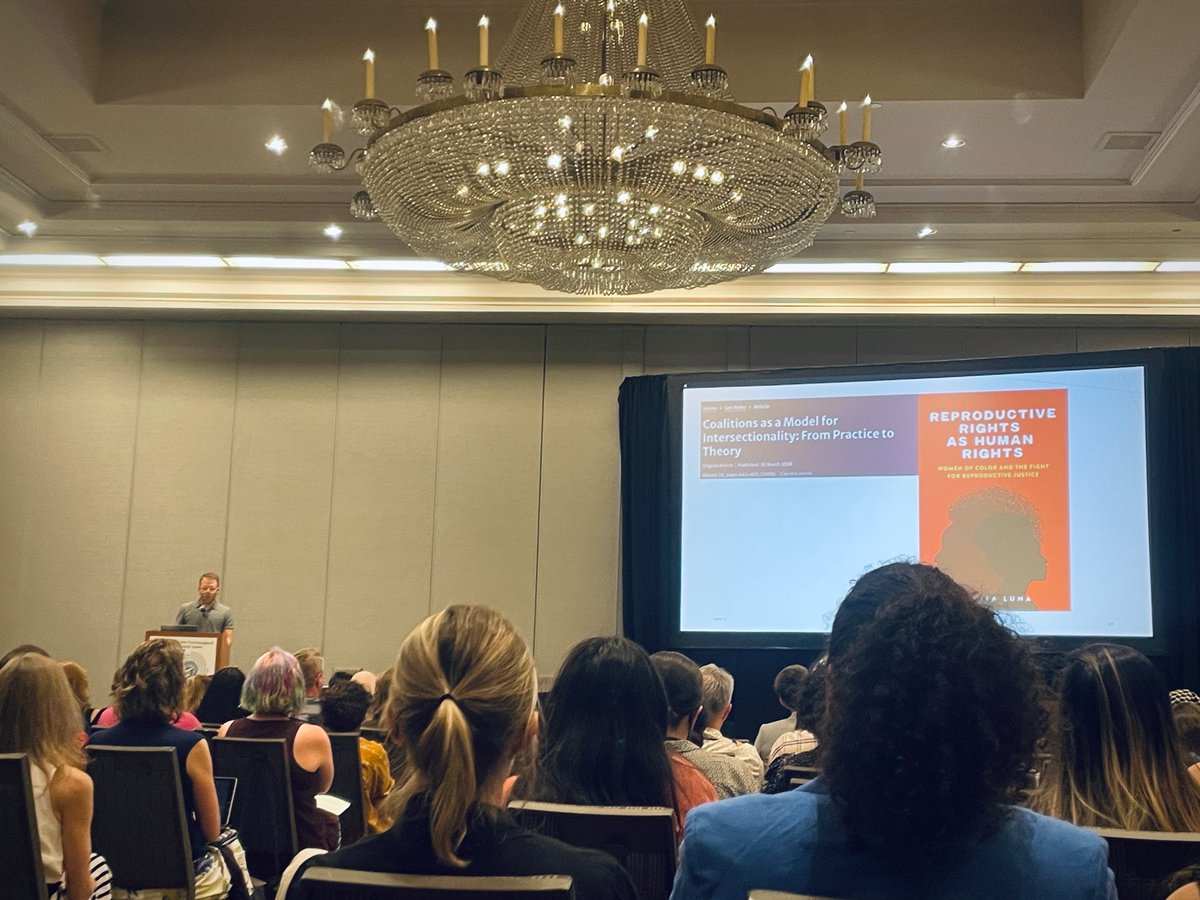
which, among other things, suggested that psychologists would benefit from thinking about coalitions, which—relative to some approaches to social identity—can emphasize similarities as well as differences. Looking forward to seeing you at the next @SPSSI con! (4/4)
It was very cool to see @dr_grzanka give the presidential keynote at #SPSSICon2024 yesterday. I still remember some 14 years ago, when I was a wide-eyed political science undergrad taking his human event course. (1/4)
So, on a personal note, as a junior faculty member on the heels of starting my own undergraduate lab in the Fall, it felt very full-circle to see @dr_grzanka revisit that same passion during his thoughtful talk on intersectionality; (3/4)
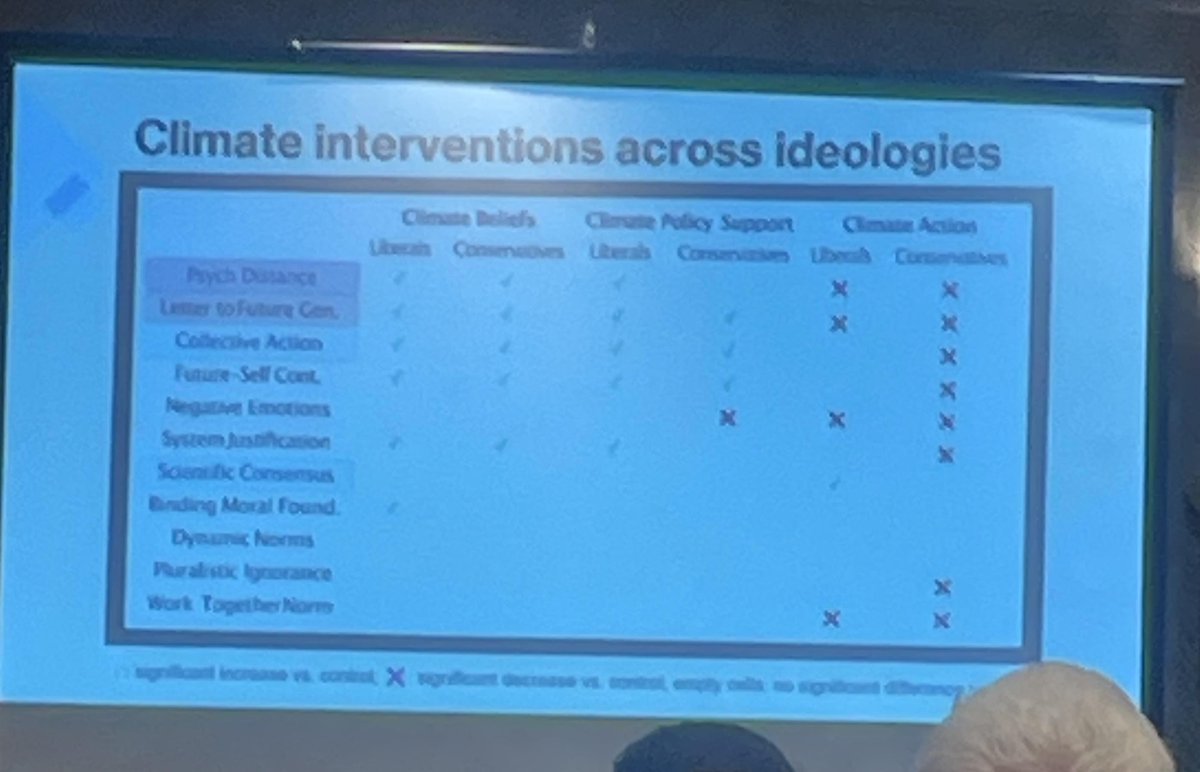
Do differences in climate beliefs between liberals & conservatives translate into differences in climate action? Interesting work by @MikeBerkWein and his team, who looked at a global mega-study investigating the effectiveness of 11 climate interventions, found that (1/6)
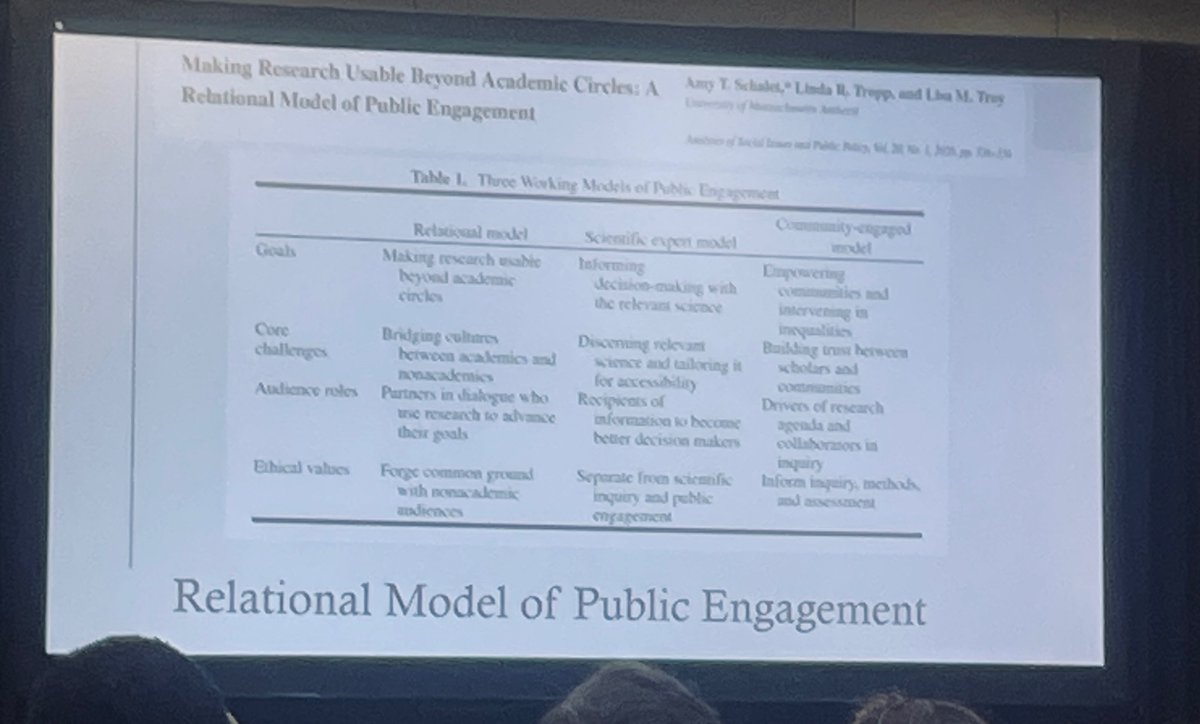
Terrific Kurt Lewin Keynote Address by Linda Tropp, using examples from decades of work on intergroup relations to illustrate "Socially Relevant Research" as an alternative to a tight dichotomy between "scientific/basic" research and "useful"/"applied" research (1/4)
And work in a variety of real-world cross-national contexts and conflicts (e.g., Hungary, Rwanda, South Africa, and Kosovo) suggest the kinds of situations to which the positive effects of intergroup contact can extend (including outside the lab). (3/4) #SPSSICon2024
However, interestingly, only binding moral foundations and dynamic norm interventions did *not* backfire (red x's) for changing behavior across liberals & conservatives alike; scientific consensus increased climate action among liberals, but not conservatives. #SPSSICon24 (6/6)
Looking across ideology--when it came to changing climate beliefs & policy support, interventions that involved either writing letters to one's future self (, collective action, or future-self continuity) were among the most effective for liberals and conservatives alike. (5/6)