A series of events caused RAM prices to explode:
- Sam Altman locked up 40% of the world’s DRAM supply in October.
- AI chips (GPUs and TPUs) require HBM. Only SK Hynix, Samsung, and Micron can produce it at scale.
- Google tried to secure more HBM for TPUs and was told it was “impossible.” The Google executive who failed to secure the memory supply was fired.
- Microsoft flew to Korea to negotiate memory supply. SK Hynix said no. One executive stormed out of the meeting.
AI ate the supply chain. The same RAM stick now costs about 3x what it did a year ago.
The first job AI kills: gamers.
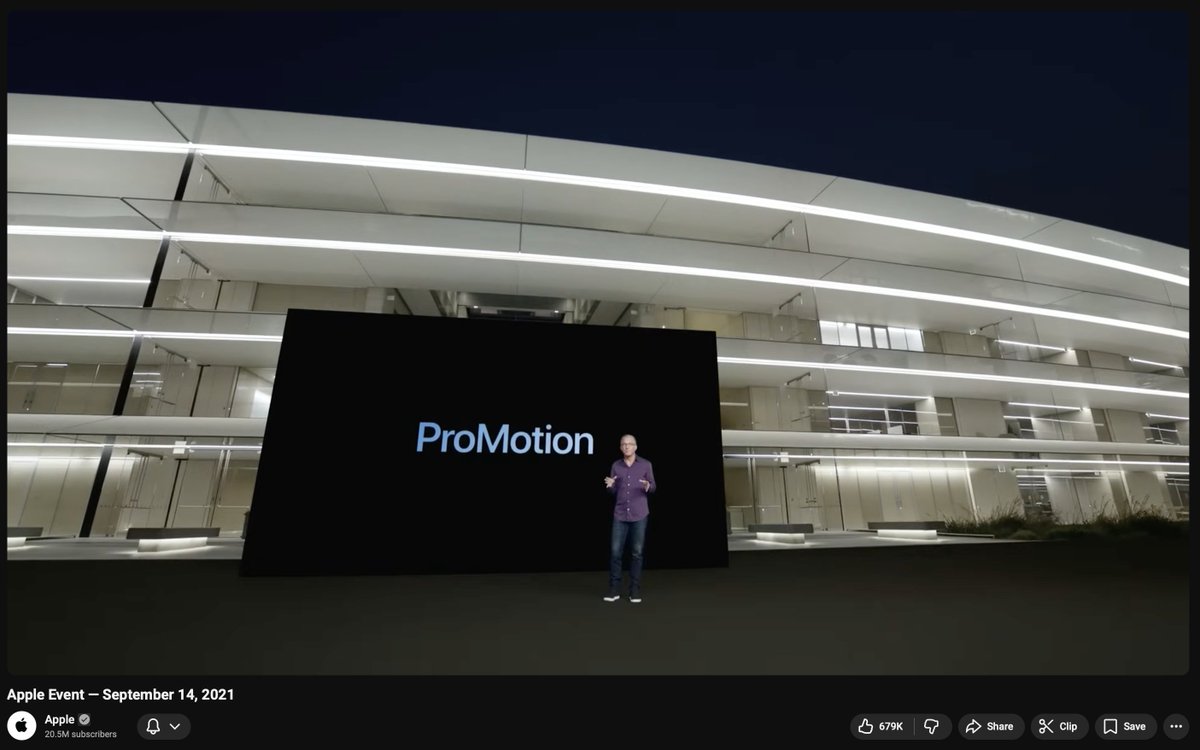
kinda funny that Apple wasted no time in announcing that the iPhone 17 has a ProMotion Display during the iPhone 17's launch
3 minutes and 8 seconds on the 13 Pro's launch event vs just 44 seconds on the iPhone 17
infact, they took way longer to mention ProMotion during the 14, 15 and 16 Pro's launch
WHY YOUR MALARIA SYMPTOMS WORSEN AFTER THE FIRST 2 DOSES OF ORAL MEDICATION?
I have seen many people ask me this question during a drug counselling session on their clinic visitations.
"Pharmacist, why does my Malaria symptoms worsen immediately I commence Oral antimalarial medications." And this feeling usually subsides after 12 - 24 hrs...🤔
I usually smile before answering them because they are not alone in this as I have also experienced it😇
Let me explain the reasons so you can corporate with therapy 😎
Before I state the reasons... I will advise that you shouldn't allow your malaria symptoms to worsen to the extent it affects your immune system before you start treatment. Some people usually have cold sores or severe body pains before rushing to the hospital for treatment which is wrong...once you start noticing fever, Headache, fatigue, chill...visit the hospital immediately.
Let's discuss our topic of focus 😇
👉 It’s common to feel worse briefly after starting malaria treatment, even though the medication is working. This reaction occurs because of several medical processes happening in the body.
🩺 When antimalarial drugs begin to act, a large number of parasites in the blood are killed rapidly. As they die, they release toxic substances such as hemozoin and other inflammatory molecules. The immune system reacts strongly to these toxins, producing cytokines (signaling protein) that causes fever, chills, headache, and body pain. (This is similar to the Jarisch–Herxheimer reaction seen in other infections.?
The reaction usually lasts one to two days and indicates that the drugs are effective.
👉 Another reason why symptoms may worsen is the destruction of infected red blood cells. Their rupture can cause temporary anemia, jaundice, and weakness as the liver and spleen work harder to clear dead cells.
👉 In addition, certain antimalarial drugs, such as artemisinin-based combinations or quinine, can have side effects like dizziness, nausea, or mild fever, which overlap with malaria symptoms.
👉 Dehydration and lack of proper nutrition also make early recovery difficult, while the malaria parasite’s 48–72-hour life cycle can cause fever spikes even after treatment begins. These combined effects create the illusion that the condition is worsening before it improves.
🚨 To manage this phase, patients should stay well hydrated, eat light but nutritious food, rest adequately, and complete the full course of medication. The “worse-before-better” phase typically resolves within two days as the body clears toxins and inflammation subsides. However, if symptoms intensify beyond 48 hours or include confusion, persistent vomiting, or severe weakness, medical review is necessary to rule out complications such as severe malaria or co-infections.
In summary, temporary worsening after treatment reflects the body’s strong immune and detox response to parasite destruction, not drug failure.