🪸New paper! @metabolomics
https://t.co/l7nZEwT6Zh
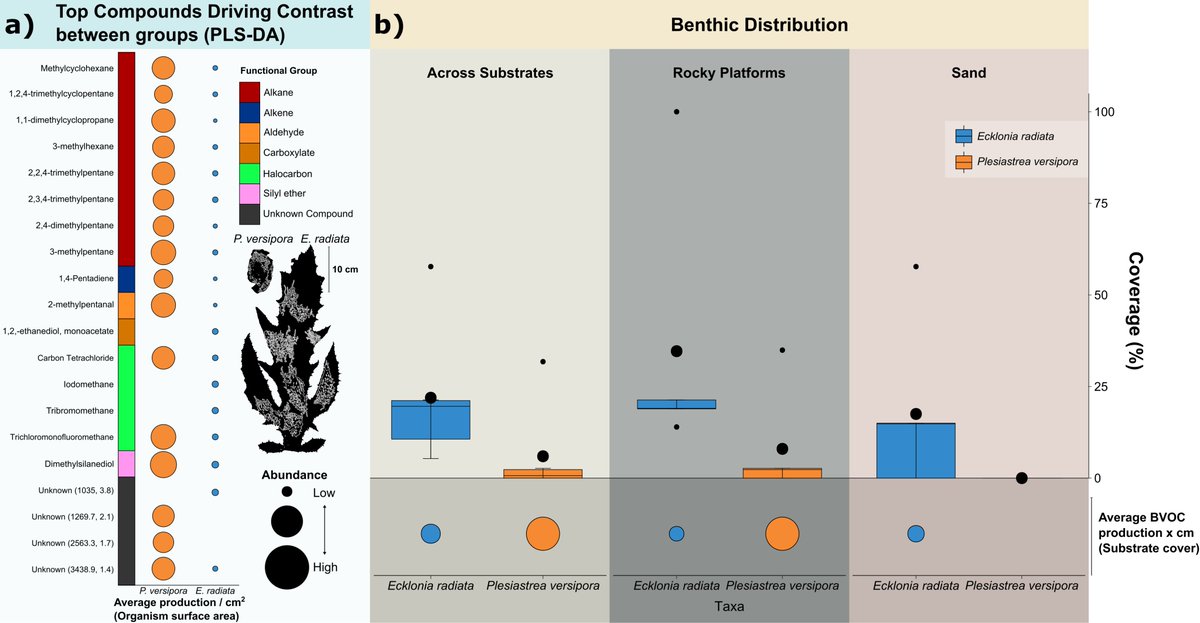
We analysed the volatilome of temperate benthic species for the first time, and found that a coral and kelp species within Sydney Harbour emit distinct volatile organic compounds, in differing quantities.
150m of tubing, 37 pumps, 7 heaters, 30 coral chambers, too many long days + late nights to count and 98 billion hours of troubleshooting later - my final PhD experiment is up and running! With 3 months until thesis submission I figured I’d keep it simple and low risk 🤞🫠
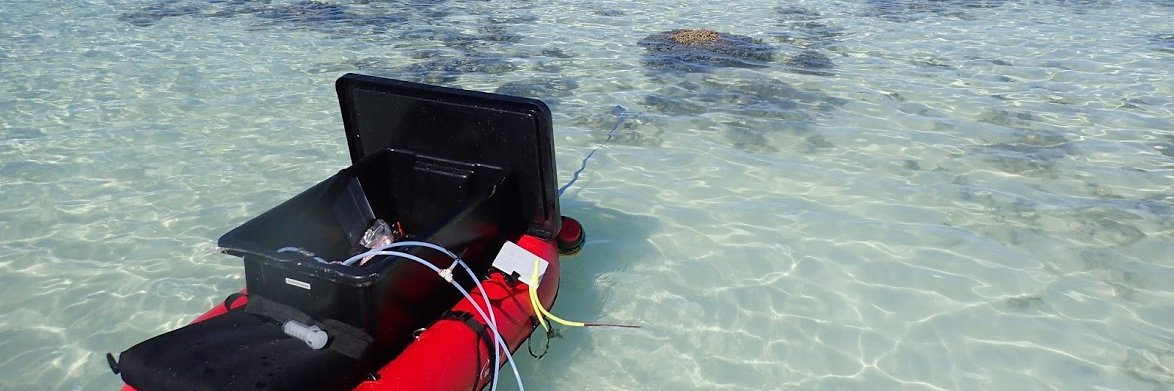
Check out our latest paper on a novel, rapid phenotyping device that can be used across a range of different marine/aquatic taxa.
https://t.co/i2SA9n1uRC
🪸First PhD chapter published!! 🪸
Follow the link to find out how pairing metabolomics and volatilomics can tell you more about coral metabolism under stress than traditional metabolomics alone:
https://t.co/VBpycAsNo1
We used a novel genotyping microarray to identify cryptic species and clonal diversity within Acropora hyacinthus on the #GreatBarrierReef 🧬🪸 for restoration practitioners: sample >2m apart to ensure unique genotypes
https://t.co/aErHgvt87w
📷 by Matt Curnock
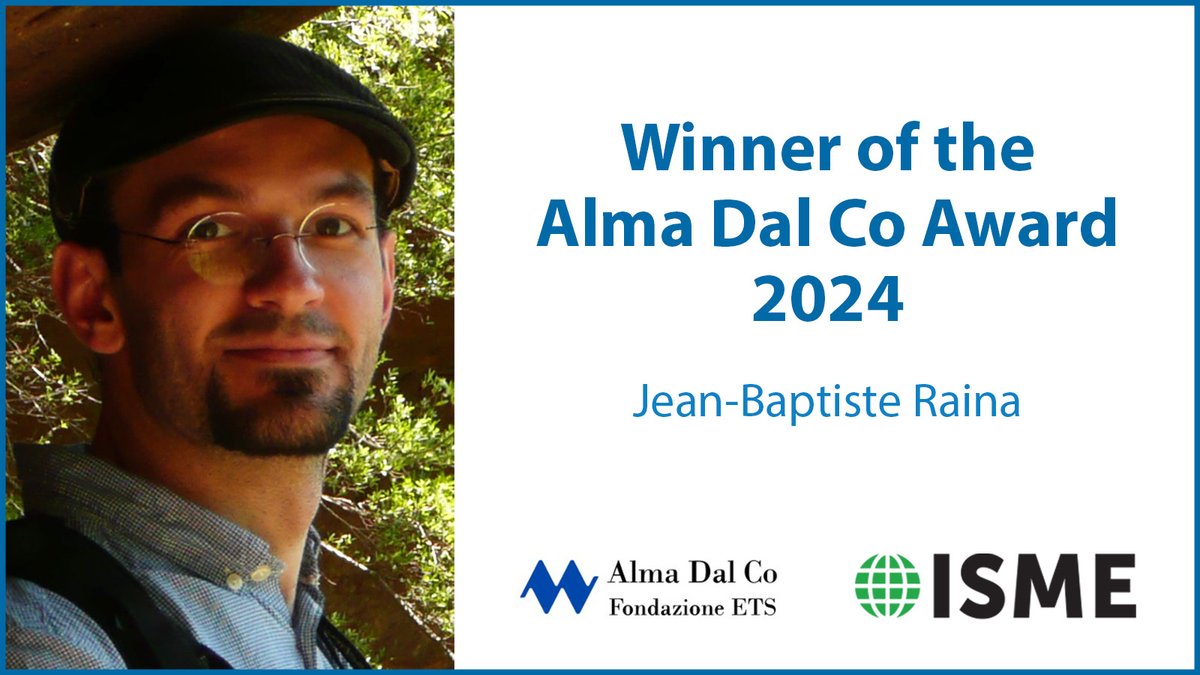
🏆 ISME is delighted to congratulate Jean-Baptiste Raina as the winner of the Alma Dal Co Award 2024, recognizing his significant contribution to microbial ecology in marine environments.
🔗 https://t.co/r9fWJBDbW2
Had a great couple of days at @AustCoralReefs conference - including a WA museum collections tour, inspiring keynotes and so many interesting talks! Even met another coral volatile nerd (if you’re one of the 4.5 people in this field you’ll know how exciting that is)!!
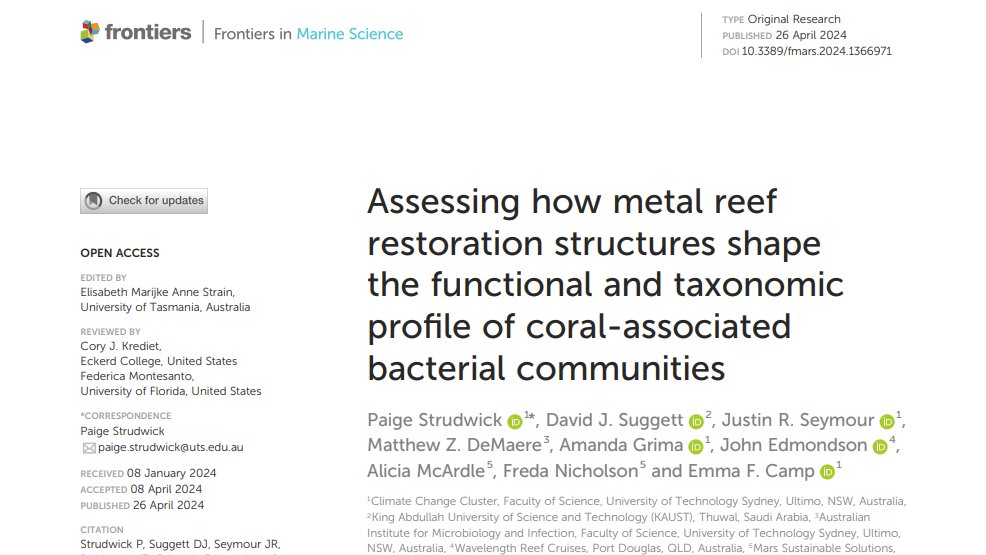
My 4th and final PhD chapter is out!
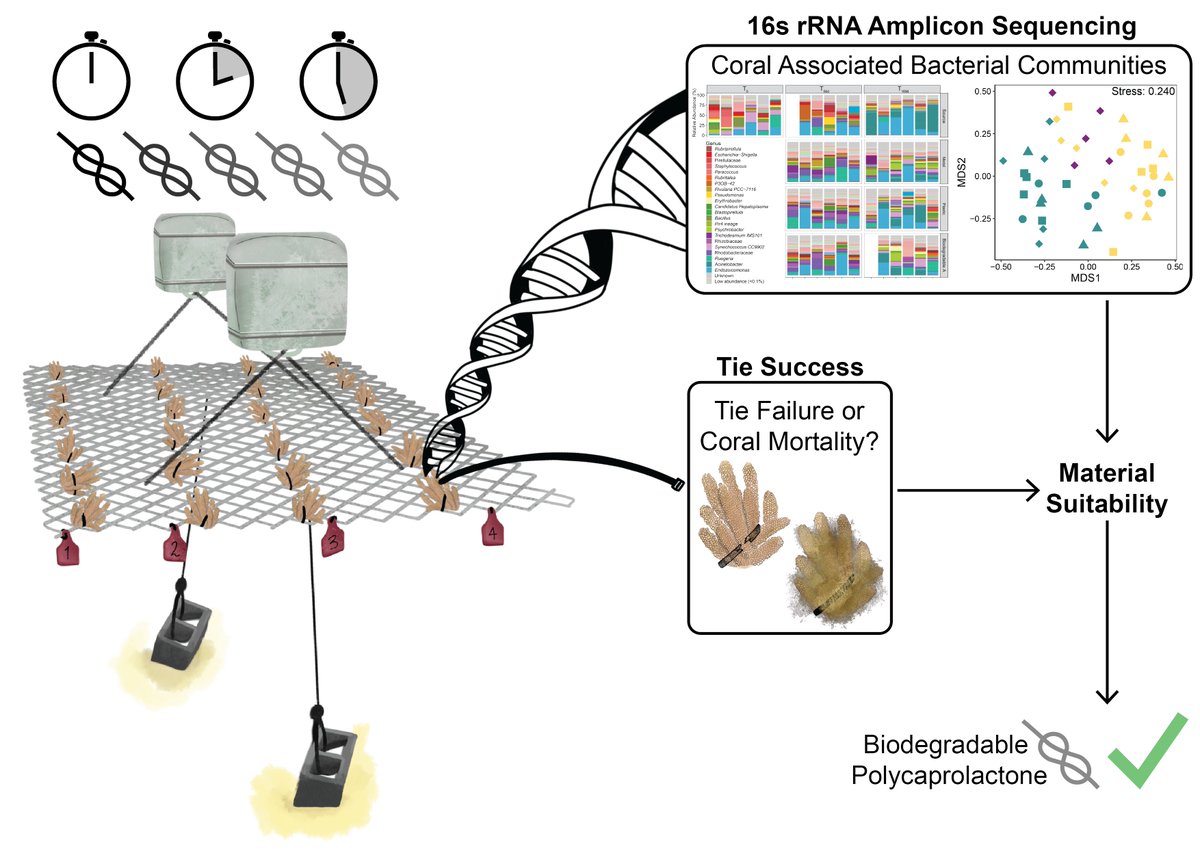
We tested if and how growing corals on different metals impacts the function and composition of #coralmicrobiomes.
https://t.co/8qhh5N1HKq
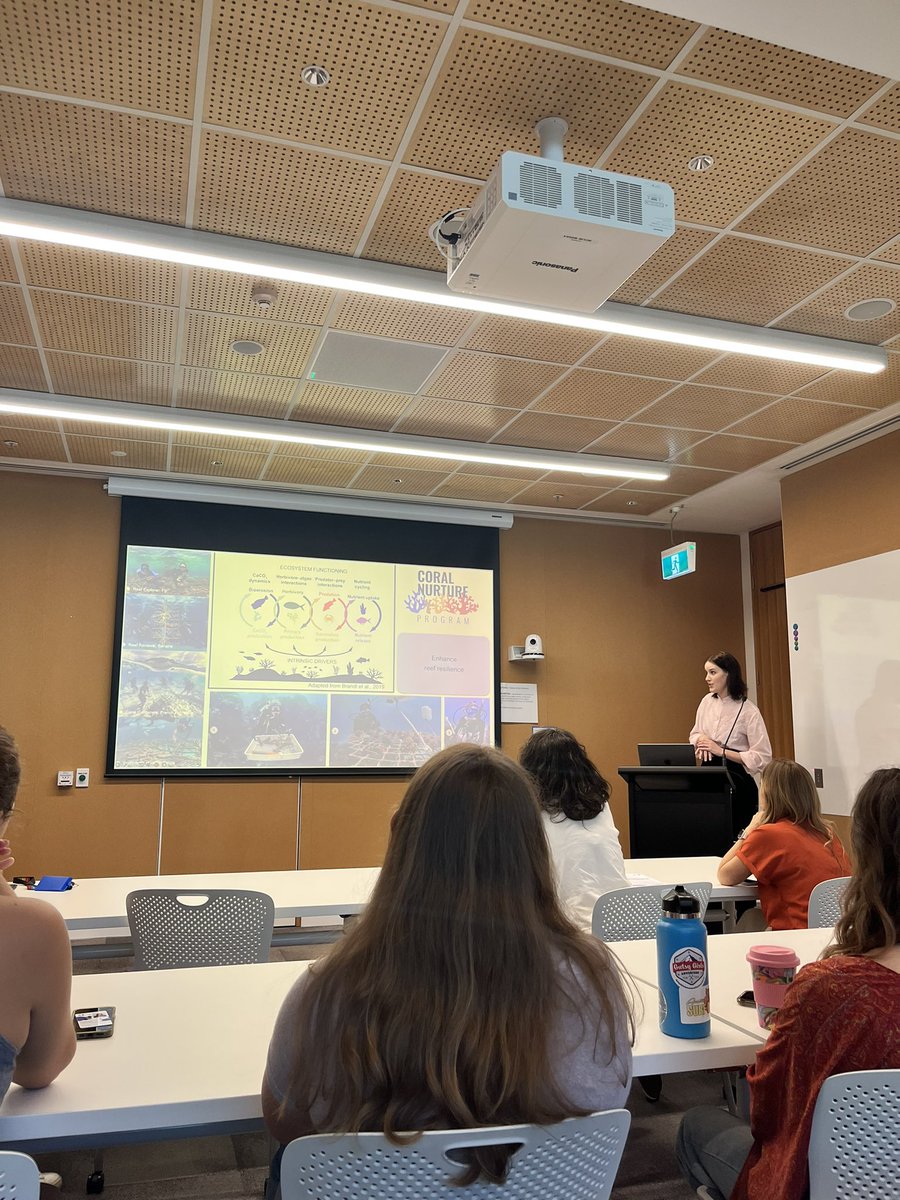
A fantastic Stage 3 presentation by @GemmaGillette on their PhD topic exploring the role of novel coral nursery infrastructure as fish habitat on the GBR 🐠🪸 very exciting results, big congratulations 🎉👏 @emmafcamp@DavidJSuggett David Booth @uts_c3
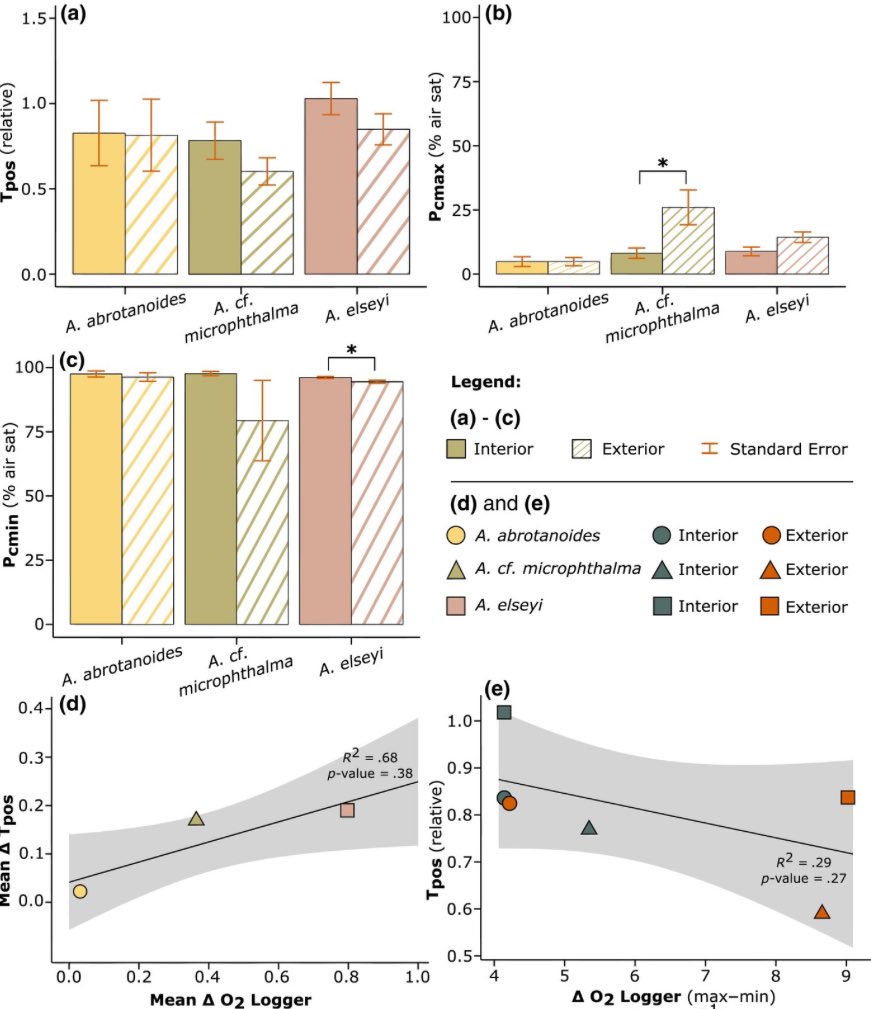
My 1st PhD chapter is out! 🚨 We Investigated intra-colony spatial variation of Acropora oxyregulation capacity 🪸 evaluating parameterisation of Hypoxia Response Curves, fragmentation stress effects, & hypoxic thresholds for key coral species
Speaking of super students…
This is @_natashabartels, who due to a miscommunication, managed to pull off a game-changing experiment (on coral spawning no less) with ONE DAY’S notice.
8 days down & she’s still here running the experiment until midnight. 💪🪸👶
Proud that my first paper has been published! We investigated how Symbiodiniaceae can adapt to sublethal temperature and nutrient stress by remodelling their lipid profile. Check out what we found: https://t.co/InkAb96VXg
@tinyscientist@emmafcamp@brig_sommer@Matt_Padula
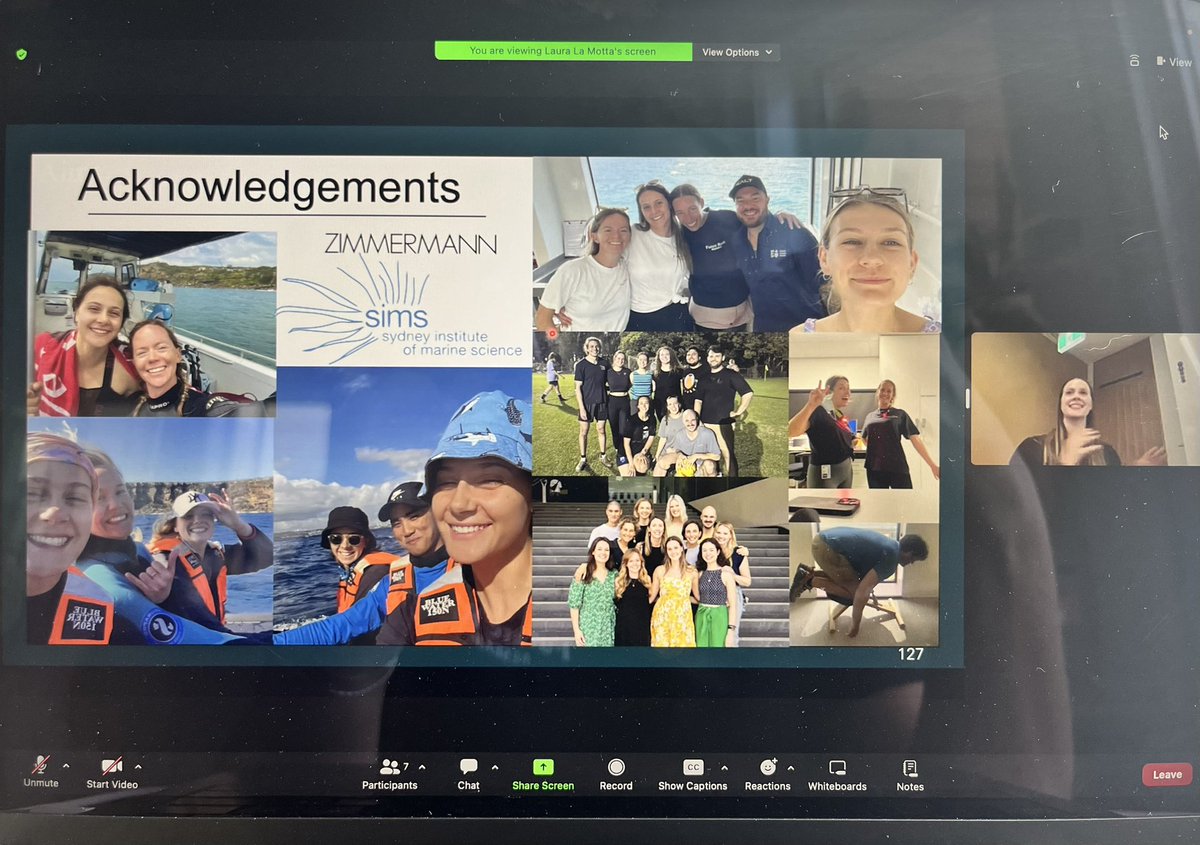
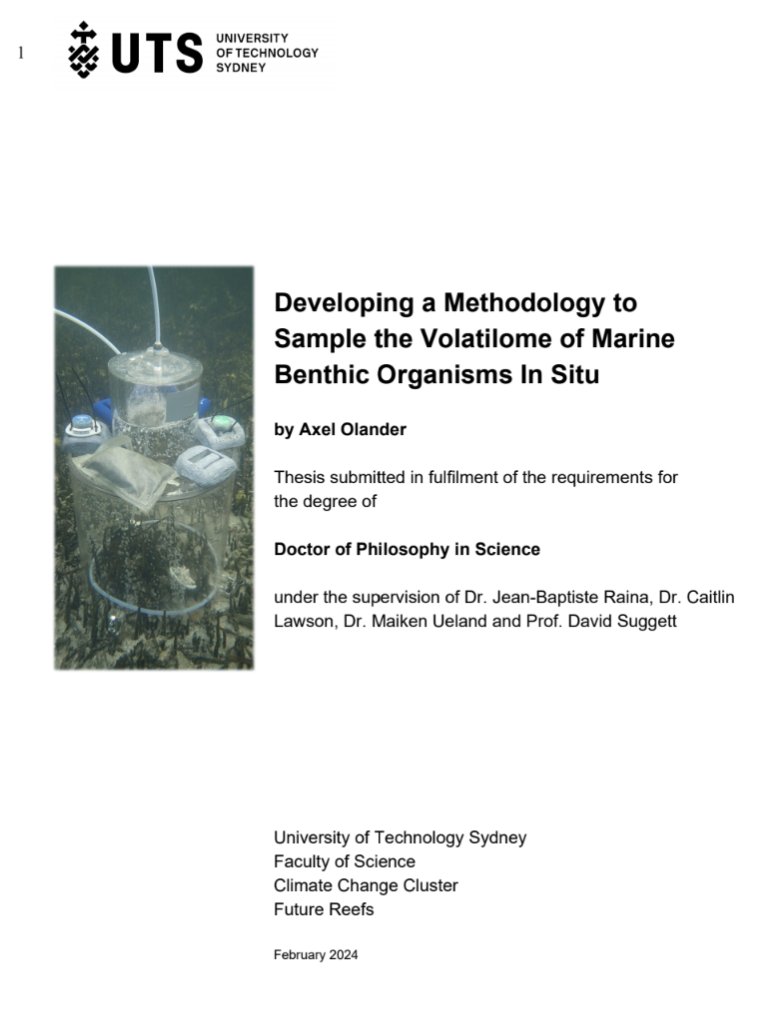
Capping off four years, today was my thesis submission day
Endless, massive thanks to my incredible supervisors, JB Raina, @CaitlinAlinya, @MaikenLand and @DavidJSuggett
Glad to say that not knowing what the next year will look like is more exciting than scary
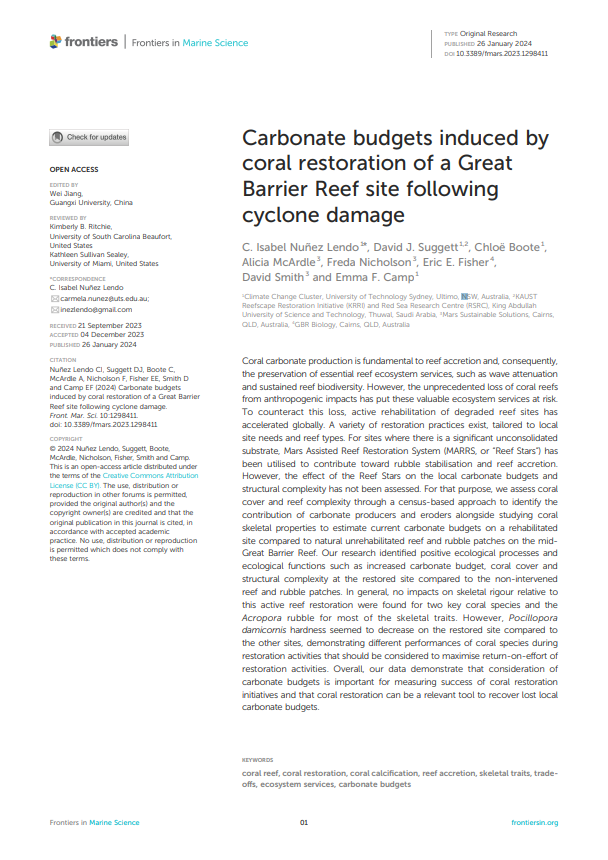
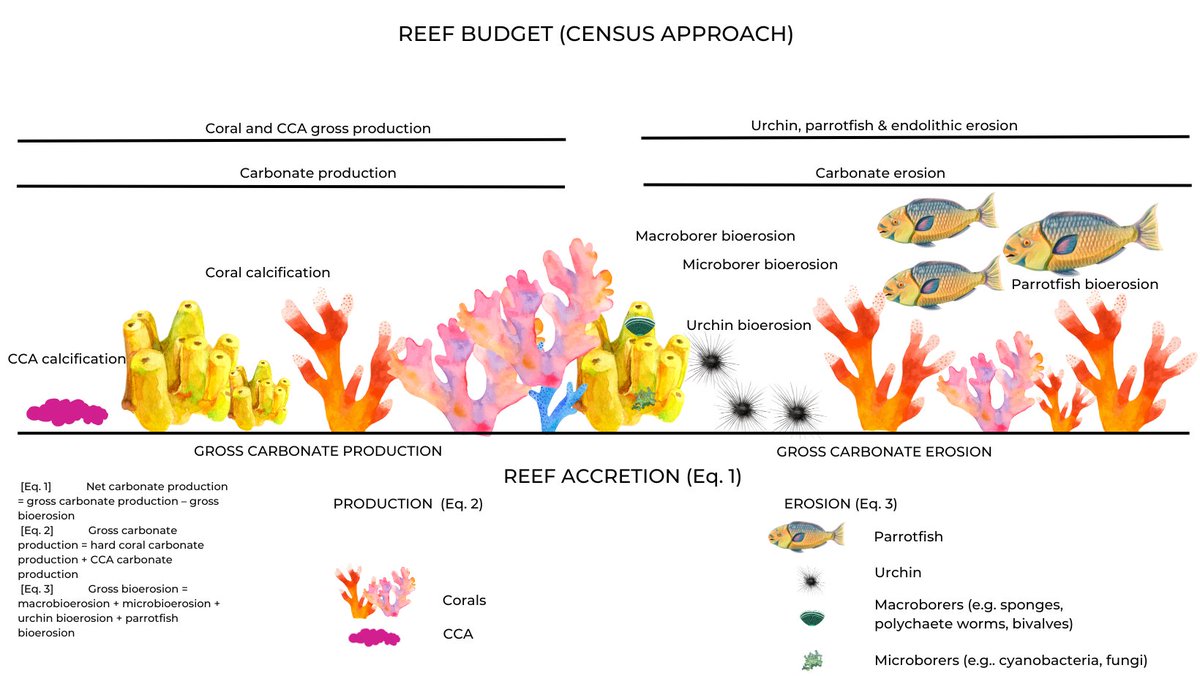
🌊Exciting findings from my 1st first-author paper & PhD chapter! #Coralreef carbonate budgets can be enhanced through #coralrestoration 🙌Key metric to evaluate the success of interventions in recovering essential #ecosystemservices - wave attenuation🏝️ https://t.co/OD04HpURDi
🪸New paper! @metabolomics
https://t.co/l7nZEwT6Zh
We analysed the volatilome of temperate benthic species for the first time, and found that a coral and kelp species within Sydney Harbour emit distinct volatile organic compounds, in differing quantities.