For Ethiopia, history is a strategic map, and its currents flow directly to the Red Sea.
We are not asking for a coastline; we are reclaiming our destiny. A future measured in ports, not just plateaus.
#Ethiopia#Axum#AdulisLegacy#RedSeaAccess#BlueEconomy
32 landlocked nations. 600 million people trapped. 130 million in #Ethiopia alone. Being cut off from the world's seas/oceans isn't just a geographic fact—it's a brutal barrier to trade, growth, and opportunity.
"Pursuing #Assab will not secure prosperity or peace—it will deepen poverty, isolation, and national fracture..."
A good and sober read amid the raving and ranting of PP cadres and OPP generals-turned-politicians. Here are some key points from “Abiy Ahmed Is Dangerously Stoking Nationalistic Sentiment Over the Assab Port” by Dr. @YonasBiru57.
1. Legal & Historical Context
Under UN Convention on Law of the Sea, #Ethiopia has transit rights through neighboring states but no legal claim to sovereign coastal territory.
PM Abiy does not explicitly claim Assab as Ethiopian territory but insists Ethiopia cannot survive without sovereign access to the sea.
His rhetoric fluctuates: one day promising no war, the next day hinting Ethiopia will “regain” Assab, implying historical ownership before Eritrea’s 1993 independence.
2. Why Assab Matters
Ethiopia relies on Djibouti for 95% of its trade, paying $1.5–2 billion annually in port fees.
Abiy argues this is unsustainable for a country of 120 million people.
Eritrea rejects any negotiation on sovereignty, warning it will retaliate against aggression.
3. Options for Sea Access & Their Limitations
Annexation (Crimea model): Not viable.
Ethiopia’s army is overstretched, morale is low, and desertions are widespread (10,000–15,000 annually per U.S. State Department 2024 report; up to 30% desertions in some units per HRW).
Fano and OLA rebels would not unite behind Abiy.
Violates AU Charter, risks sanctions and isolation like Russia’s Crimea.
Purchase (Alaska model): Impossible.
Ethiopia is under debt distress (IMF/World Bank). Education, health, and capital investment are all below international benchmarks.
Even if Ethiopia had funds, Eritrea is unwilling to sell; port fees alone yield more than Ethiopia could offer.
Land Swap: Theoretically possible but politically explosive. Eritrea might gain fertile territory, but such concessions would ignite backlash in Amhara and Tigray, and Eritrea may still reject.
4. Geopolitical Obstacles
Eritrea has secured alliances with Saudi Arabia, which plans to modernize Assab under Vision 2030. Saudi’s financial clout ($600B US investments, $27.5B FDI in UK, $39B LSE fundraising in 2025) means it can block Ethiopian moves.
The U.S. and UK have already warned Ethiopia against missteps in the Red Sea.
5. Domestic Weaknesses
Ethiopia’s army is fragmented, poorly supplied, and demoralized. Reports cite mutinies, desertions, and troops abandoning weapons.
The economy is crippled by inflation, birr devaluation, and heavy debt, raising import costs for weapons and basic goods.
Public appetite for new wars is minimal; the rhetoric appeals mostly to Abiy’s allies.
6. Politics of Distraction
Abiy’s Assab campaign is less about national strategy and more about political survival. Facing rebellion in Amhara and Oromia, economic collapse, and a splintered army, he is using nationalist sentiment as a diversion to buy time. Pursuing Assab will not secure prosperity or peace—it will deepen poverty, isolation, and national fracture.
Conclusion:
Ethiopians must recognize Abiy’s rhetoric for what it is: a dangerous survival tactic, not a genuine national cause. Chasing the fantasy of sovereign Red Sea access risks dragging Ethiopia into another destructive quagmire.
https://t.co/AyBFhLr5HW
The military calculus of Assab is simple: it's a geographic exclave on our doorstep, not a fortress.
Its defense is untenable in any conflict. This reality is the strongest argument for a peaceful, negotiated solution now. Wise leaders don't gamble with assets they can't protect
#Eritrea’s whip-smart diplomatic approach has cornered #Ethiopia’s rag tag leadership to the edge. Through its calm, collected & confident responses, the world is now forced to identify “Potemkin party” as a war mongering vicious clique. “soft” but firm diplomatic tone.
@tykahsay Our movement towards the sea is not a declaration of war; it is a declaration of reality. So do not panic. The sound you hear is not the drum of war but the steady, quiet march of destiny.
Our motherland, Ethiopia, is a living soul. For decades, her heart pumped our economic lifeblood into one lung: our port, Assab.
Though that artery was severed, the heartbeat of millions will not be silenced. Our nation will breathe the free air of the sea again. 🇪🇹 #Ethiopia
@awhne91@FarahMaalimM Your panic over "permanent access" is the timeless fear of those defending a dying status quo.
History is clear: no great power remains a "geographic prisoner" forever. Law eventually bends to geopolitical reality, not the other way around
A curious recruitment drive, listing every Red Sea state.
Our quest for sea access is a dialogue about the Horn's future, not a war on the world. True strength is facing a neighbor directly, not hiding behind them.
#Ethiopia#RedSeaAccess#HornOfAfrica#ባህራችን
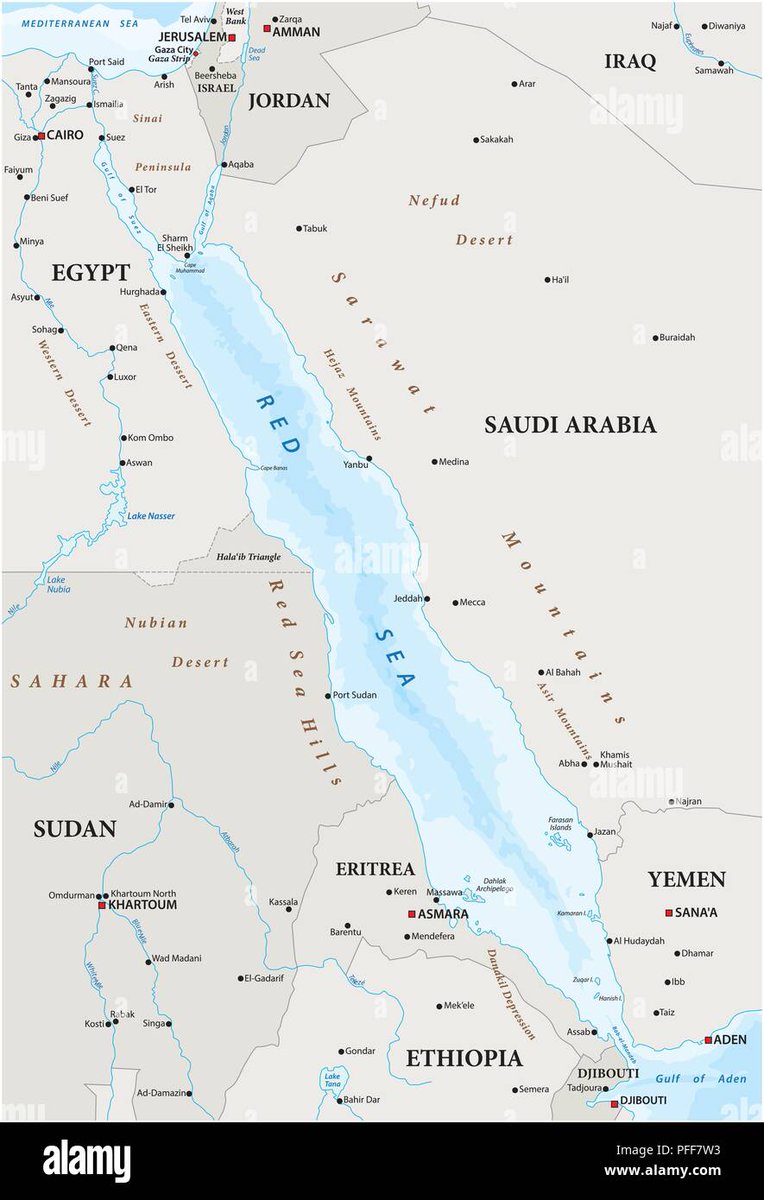
Watch out! The Red Sea is not Eritrea's alone it also belongs to Djibouti, Yemen, Sudan, Somalia, Saudi Arabia, Israel, Jordan, and, last but not least, EGYPT. Any fight over the Red Sea means fighting with all of these countries.
Respectfully, that's geopolitical illiteracy.
Conflating Bolivia's 19th-c. conquest with Ethiopia's 20th-c. state succession is a deliberate misreading of law & history. The reality of 120M people outweighs an irrelevant foreign precedent.
#Ethiopia#redsea#asab
The @UN must uphold
its Charter & international law!
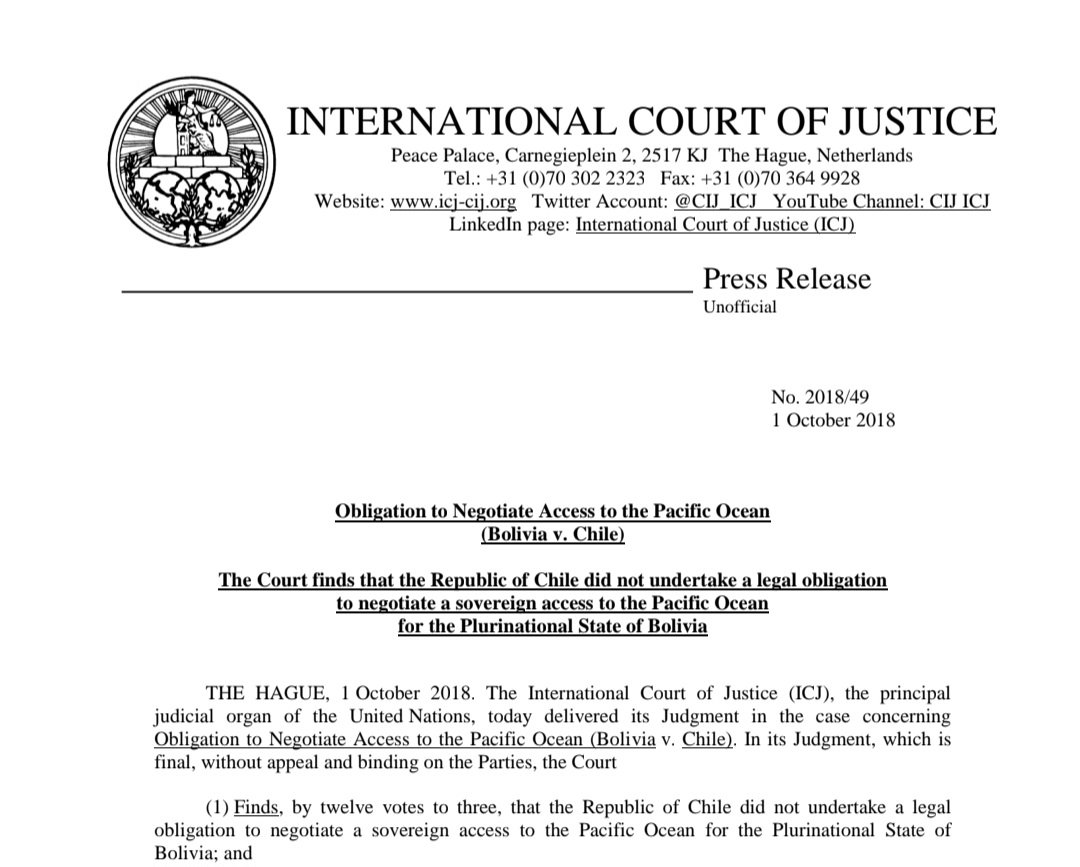
@CIJ_ICJ, the principal judicial organ of the UN, unequivocally ruled in 2018, in the Bolivia v. Chile case that coastal states do not have legal obligation to negotiate sovereign access to the sea/ocean for landlocked states.
@khaledmahmoued1 So after the insults, your argument is that 120M people should remain prisoners forever? How is that sustainable?
Calling the PM's quest for a peaceful solution a "drum of war" is a tacit admission that you have no peaceful answer of your own to offer.
@KuluHager@biniamb A lecture on stability from a regime that perfected the hermit kingdom? Audacious.
While Addis Ababa unites Africa via the AU, Asmara exports instability, backed by outside rivals who fear our progress. The entire story of the Horn is in that contrast...
@biniamb Your slippery slope argument is irrelevant. Ethiopia is not a domino; it's a class of one 120M people, a coastline lost to modern politics.
To equate us with others is a fraud. Real instability comes from ignoring this unique reality, not from confronting it.
Peace, trade, and integration are the keys to unlocking the Horn's potential. Yet, the leadership model of Isaias Afwerki requires perpetual conflict and a zero-sum game.
He remains the primary architect of regional stagnation, an obstacle to a future where all can prosper.