True wealth is not equivalent to flamboyance. Many millionaires and billionaires live a modest life and avoid unnecessary consumption.
They prioritize saving and investing over displaying their wealth through extravagant purchases.
At last they give back to the society through philanthropy.
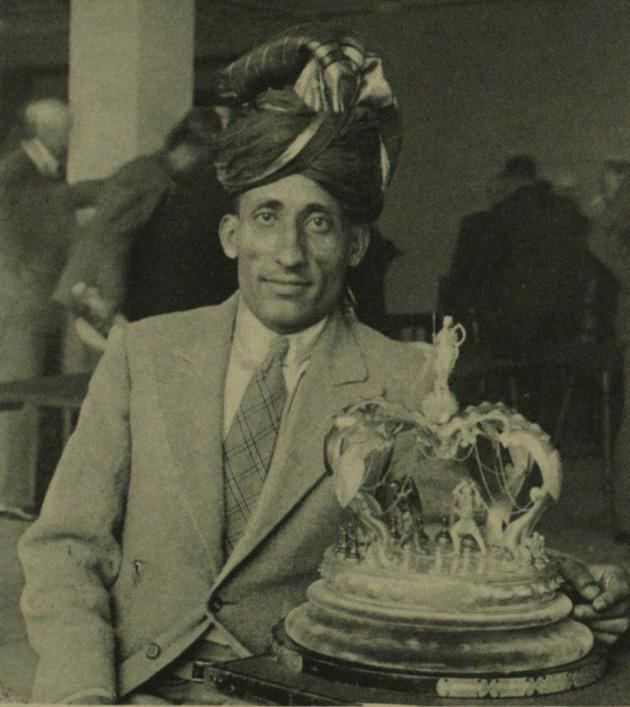
Sultan Khan
Mr Sultan Khan was an Indian servant who won the British Chess Championship in 1929, 1932, 1933. Within a year of learning Western Chess, he beat many grandmasters at the time including former World Champion Jose Capablanca. He definitely belonged to top 10 chess players of the world at the time.
Hooper and Whyld write of him:
“When Sultan Khan first travelled to Europe his English was so rudimentary that he needed an interpreter. Unable to read or write, he never studied any books on the game, and he was put into the hands of trainers who were also his rivals in play.
He never mastered openings which, by nature empirical, cannot be learned by the application of common sense alone.
Under these adverse circumstances, and having known international chess for a mere 7 years, only half of which was spent in Europe, Sultan Khan nevertheless had few peers in the middlegame, was among the world's best two or three endgame players, and one of the world's best ten players.
This achievement brought admiration from Capablanca who called him a genius, an accolade he rarely bestowed.”
December 1933, he came back to India and the chess world never heard from him again. He gave up chess to cultivate his ancestral farmlands, where he lived the rest of his life.
Sultan was considered the strongest chess master of his time from Asia.