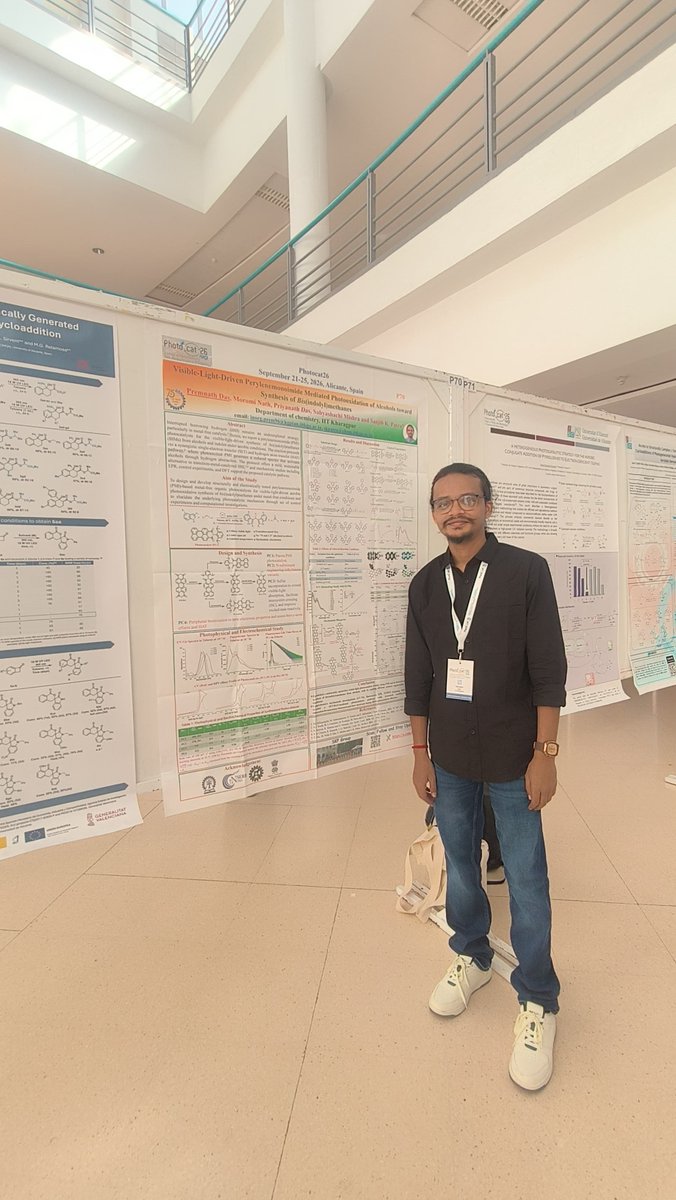
Happy to share our work(@SKPLab_IITKGP ) at Photocat 26, Alicante, Spain (21–25 Sept)! An inspiring platform for photochemistry, with insightful discussions and exciting scientific exchanges with @KENTA_TANAKA_1@crjsteph . Grateful for the opportunity @photocat26 share and learn
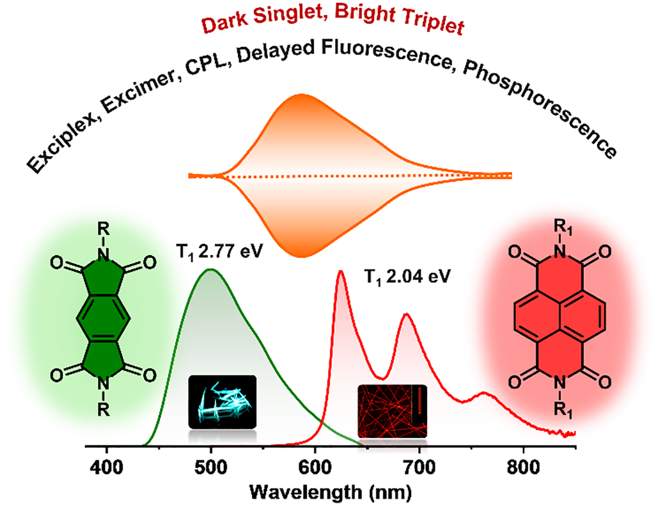
Read about: Luminescent materials based on aromatic bisimides—part 1: the smaller pyromellitic and naphthalene derivatives, in Chem. Soc. Rev.
https://t.co/Lpk0tAGcBt
What's the future of photocatalysis? We see this behavior more often & think it’s worth discussing. We share our take in this @ACSCatalysis Perspective. Thanks to the reviewers for helping us broaden the discussion and bring in their points of view! @ACSPublications
We are looking for a Postdoctoral Researcher to work on Ferrioxalate Photocatalysis in our group (https://t.co/yrkkdoSzG6).
If you are interested in discovering new reactivities and using photocatalysis for organic synthesis, check out the offer below.
RT appreciated!
Defying textbook chemistry, photocatalyzed ATRA proceeds via a Cu(II)/Cu(III) cycle rather than the Cu(I)/Cu(II) cycle. An anionic ligand for Cu(II) is the key to triggering oxidation rather than reduction. Great collaboration with the Nuernberger group. https://t.co/92JYTeMZMq
Our latest paper is out in @J_A_C_S! Tunable aza-BODIPY photocatalysts enable near-infrared metallaphotoredox ATRP with just 5 ppm of photocatalyst. ➡️https://t.co/ESlfcXuhBv @ChemistryUW
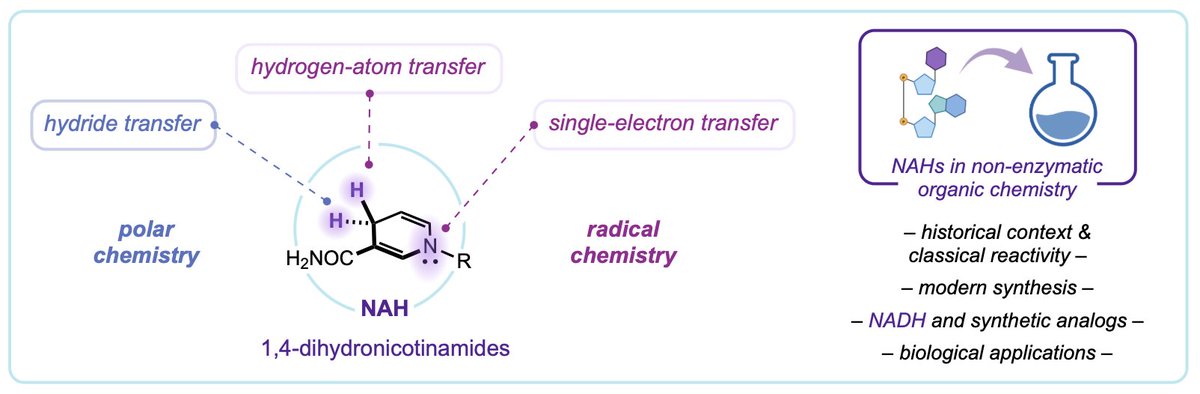
NADH is one of the coolest metal-free molecules around, with a very rich redox behavior. Can its chemistry go beyond biology?
Check out our recent review on the history and applications of NAHs in organic synthesis!
@ciqususc@MetBioCat
https://t.co/qvyHFr9fsu
When the situation gets tough: results, results, and more results.
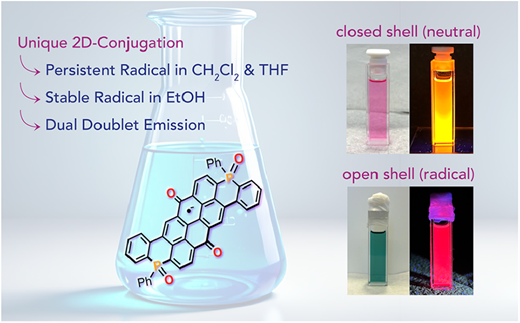
Proud of our collaboration with our friends at York Uni. 🤗 We have developed a new family of materials based on phosphorus heterocycles for quantum technologies.
Now online in JACS! 🥳
https://t.co/npoGl4duhU
Selenoxanthylium salts = red-light photocatalysts 🚨
Selenoxanthylyl radicals = powerful photoreductants ⚡
In our latest work, we prepared and characterized selenoxanthylyl radicals and explored their application in conPET catalysis.
👇Check it out!
https://t.co/ZEySIJyAxF
What an amazing day for our group !!
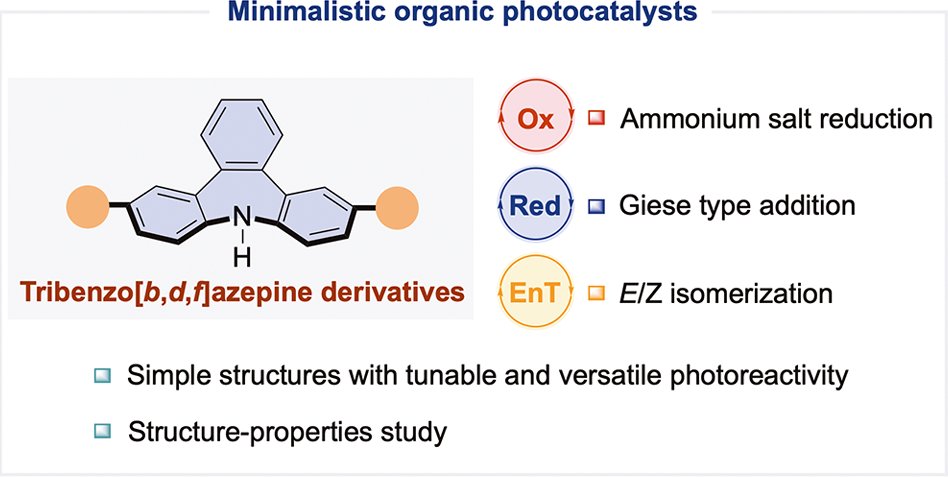
A second paper out in Organic Letters @ACSPublications introducing tribenzo[b,d,f]azepine as a minimalistic organic photocatalyst enabling SET and EnT 💡💡
📢https://t.co/hujZ3rz9QY
Congrats to all the authors for this work !🥳
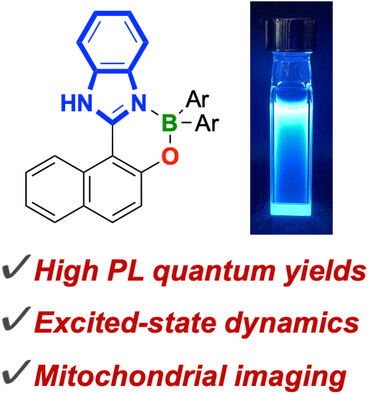
Congratulations Sarah! Amazing to see BORONPro members making headlines so early in the project! Here's a throwback to her paper from April, which was a collaborative effort of the Helten and Höbartner groups: https://t.co/t6LAkM8IqA
Join the group @UNamur in 2027 for a Master’s internship in organic synthesis and photochemistry! 🎓Motivated M2 / final-year engineering student wanted to work on new photocatalysts with boron Lewis superacids.
⏱️ 5–6 months | 📍 Namur, Belgium
📧 Apply: see attached image 🔽
Happy to share our article on "One‐Pot Chemical Upcycling of Polycarbonate and Poly(Propylene Carbonate) Waste to Value‐Added and Bioactive Products" - Advanced Science - Wiley Online Library https://t.co/GSUiExGJ1y
From stoichiometric donor–acceptor assemblies to catalytic turnover: what makes EDA complex catalysis work?
Check out our latest review in Angewandte Chemie, exploring the design principles and mechanistic requirements of EDA complex catalysis.✨✨
https://t.co/9JXqvzVvYd