@Hieraaetus#Salalah is definitely one of the most beautiful places to visit in the Middle East. This video was from my trip to Salalah two years ago..
Welcome to #Oman
@Hieraaetus “the giant Baobab tree”one of the largest trees in the Sultanate of Oman and in the Arabian Peninsula 🌳
📌 Wadi Hasheer - Mirbat
https://t.co/9Tvt3FnfP4
ناوي تزور صلالة ؟!
هنا دليل سياحي بسيط🩵
لموسم خريف ظفار 2023
- حبيت هذه المرة أصمم لكم فيديوهات حتى يسهل عليكم حفظها (مميزات هذا الموسم + فنادق + أفضل الأماكن السياحية)
وايضاً ثريد كتابي فيه اضافات بسيطة 👌🏻
My Arabic is, lets be euphemistic, poor, but here is a very nice recent thread by a local for those who might be interested in visiting
https://t.co/wDY2xRew2L
Such micro-ecosystems are not unique to Oman, but few other places do they contrast so radically and obviously with the surrounding environment. In a sea of deserts and dryland, in a country bordering the nigh-uninhabitable Rub' al Khali, is this:
In the very, very south of Arabia, just by the Indian Ocean seaboard, lie the Dhofar mountains. Not only are they in just the right place to catch the seasonal rains, but they are also, crucially, tall and wide enough.
The result is a radically unique, isolated landscape.
The Khareef is a term in southern Arabia for the southeasterly monsoons that periodically sweep the peninsula from the Indian Ocean.
Of themselves, they do not significantly transform the Arabian landscape. The water is too dispersed, too periodic. But there is an exception.
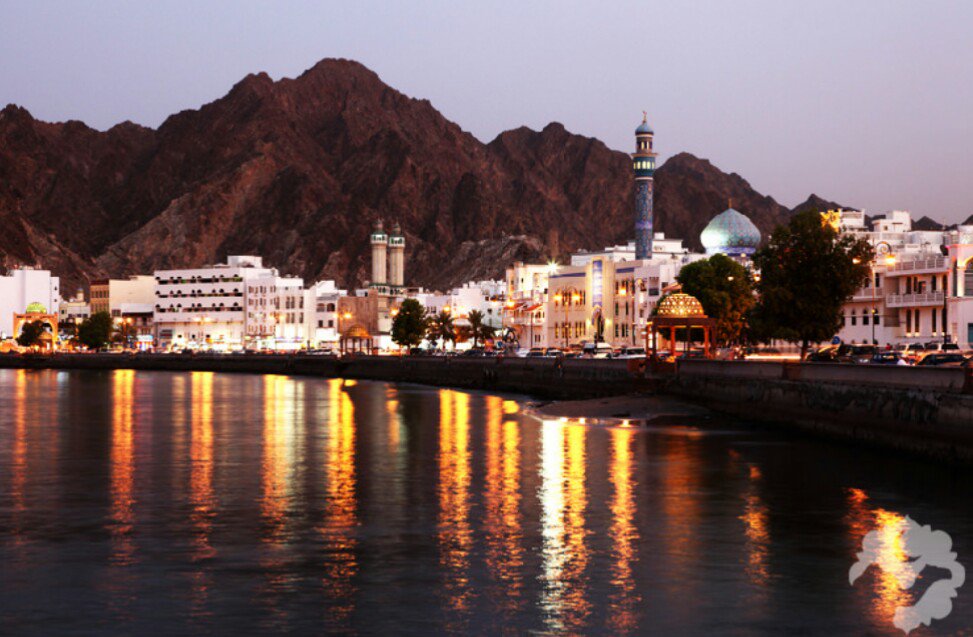
When you think "Oman", what sort of landscapes come to mind? If I were to guess - if you are anything like me - it is probably something along these lines.
These are all pictures from Oman - it's not an inaccurate impression! It is, however, incomplete