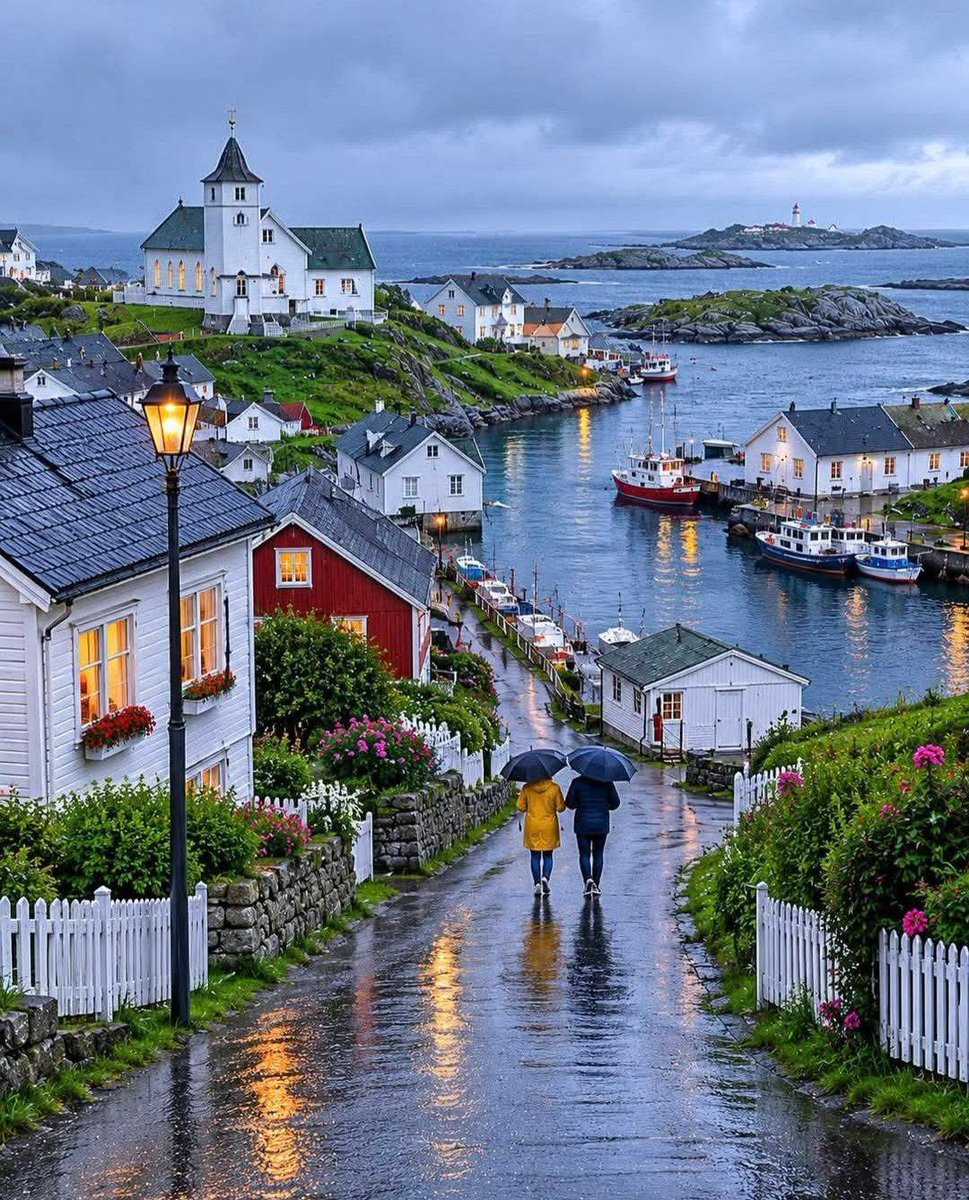
« Le professeur a annoncé à la classe qu’ils allaient jouer à un jeu.
Il a circulé entre les rangs et a murmuré à chaque élève s’il était une sorcière ou simplement une personne ordinaire. Puis il a donné les consignes :
« Formez le plus grand groupe possible… mais sans sorcière. S’il y a ne serait-ce qu’une sorcière parmi vous, tout le groupe échoue. »
Ma fille a raconté que, aussitôt, la méfiance s’est installée.
Les questions fusaient :
« Es-tu une sorcière ? Comment savoir que tu ne mens pas ? »
Certains sont restés dans un grand groupe, mais la plupart se sont isolés en petits cercles fermés.
On écartait quiconque paraissait nerveux ou coupable, fût-ce d’un simple geste.
L’atmosphère a changé en quelques minutes : chuchotements, regards soupçonneux, doigts accusateurs. La confiance s’était évaporée.
Lorsque les groupes furent enfin formés, le professeur déclara :
« Bien, découvrons qui a perdu. Sorcières, levez la main. »
Personne ne bougea.
La classe éclata de rire.
« Quoi ? Vous avez gâché le jeu ! »
Alors le professeur lâcha la vérité :
« Réfléchissez… Y avait-il vraiment des sorcières à Salem, ou tout le monde a-t-il simplement cru ce qu’on lui disait ? »
Le silence est tombé.
Les élèves ont compris.
Nulle sorcière n’était nécessaire pour semer le chaos : la peur avait déjà fait son œuvre.
La seule méfiance avait suffi à diviser la classe, à briser la communauté.
Et n’est-ce pas exactement ce qui se passe aujourd’hui ?
Les mots changent, mais le jeu reste le même.
Au lieu de “sorcière”, on dit “libéral”, “conservateur”, “complotiste”, “mouton”, “vacciné”, “non-vacciné”, “pro-ci”, “anti-ça”.
Les étiquettes varient, la stratégie demeure : insuffler la peur, semer la défiance, diviser, puis regarder la confiance s’effondrer.
Le danger n’a jamais été la sorcière.
Le danger, c’est la rumeur, la méfiance, la peur, les mensonges que l'on sème.
Dès l’instant où nous partons chasser les “sorcières”, nous avons déjà perdu …."
My wife and I went to a new dentist when we first moved to town. He came highly recommended so we didn’t think twice.
At the first appointment, he told me I had 7 cavities. He told my wife she had 2.
My wife has never had a cavity in her life. But we reluctantly got them filled.
After she got them filled, I scheduled my appointment. But then, we got skeptical. Life comes at you fast when you’re staring at a bill to fill 7 cavities.
So I asked for a copy of the X-rays and sent them to my uncle who is a dentist in another state.
He confirmed what we were starting to believe. That dentist was full of it. The x-rays were such low quality that you couldn’t confirm if I had even a single cavity. Let alone 7.
We cancelled our appointment and found a new dentist. The new dentist said I didn’t have any.
The experience still shocks me to this day. Makes you wonder, how much medical fraud is out there that no one knows about? Especially in dentistry
🎬 Ce dessin animé est sorti en 1932… et il est devenu le tout premier de l'histoire à remporter un Oscar. ✨
Flowers and Trees, produit par Walt Disney dans le cadre de la célèbre série Silly Symphonies, a remporté le tout premier Oscar du meilleur court métrage d'animation, marquant un tournant dans l'histoire du cinéma d'animation.
Sans le moindre dialogue, il raconte l'histoire d'amour de deux arbres, bouleversée par un rival jaloux et un violent incendie de forêt. Grâce à une animation expressive, une bande originale soignée et une narration entièrement visuelle, ce court métrage a prouvé que le dessin animé pouvait être une véritable œuvre d'art.
Mais sa plus grande révolution est ailleurs : Flowers and Trees est aussi le premier dessin animé commercial réalisé intégralement en Technicolor trichrome.
À l'époque, cette innovation a émerveillé le public, propulsé Disney au rang de référence mondiale de l'animation et ouvert la voie aux grands classiques en couleurs qui allaient suivre.
So Trump has apparently hauled Hegseth in for a shouting match about running out of ammunition, according to The Washington Post. The White House says it never happened, which is what they say about everything, including things on live television.
The world’s most expensive military, run by a Fox News presenter, being scolded by a man who thinks stockpiles refill themselves. Two lost tourists blaming each other for the empty petrol tank. Superpower stuff, this.
Today, many were shocked by yet another video of the drone “safari” Russians are carrying out against civilians in Kherson. A Russian drone deliberately hunted down a man selling vegetables and detonated right next to him. The Russians even admitted to the crime, showing zero regret and openly boasting about tormenting people. The man was wounded in the blast. Every single day, ordinary people in Kherson face these Russian "safaris."
The world must see this. It must see every piece of evidence that Russia has gone mad and that its soldiers take pleasure in killing and abusing civilians. Without pressure on Russia, the dismantling of its capacity for aggression, and real security guarantees, it is simply impossible to imagine the world being able to coexist with this evil. We must remain resolute in defending life. We must act and support life in ways that force Russia to seriously think about peace rather than expanding the range of its drones.
This is not just about Ukraine. Russia’s campaign against human life must be stopped here in Ukraine before it spreads further. Finland and Kazakhstan, the Baltic states and Poland, the countries of the South Caucasus, Romania, and Moldova—all should work together to ensure real security guarantees and bring Russia’s war to an end. Peace is needed, which requires cooperation among everyone in the world who truly values peace. Thank you to everyone standing with Ukraine!
Florida dumped 500,000 tons of recycled oyster shells into the gulf and revived a dying marine ecosystem.
Natural restaurant waste may be the ultimate tool for reef restoration.
Between 2007 and 2024, Florida embarked on an unusual ecological experiment. The state dumped over 500,000 tons of discarded oyster and clam shells, collected directly from restaurant plates and processing plants, into the gulf. Critics initially slammed the move as reckless dumping, fearing it would further harm the region’s fragile, sandy seafloor.
Even researchers initially doubted the project, as no visible progress occurred for years. However, beneath the surface, the rotting shells were quietly undergoing a chemical transformation. This started with the growth of essential biofilms and the release of calcium that created vital chemical microzones for marine survival.
As the old shells disintegrated, they provided a perfect solid foundation for living baby oysters to attach and thrive. These active oysters filtered the water, combating toxic algae blooms and triggering a trophic cascade that brought fish, turtle, and dolphin populations back to levels not seen in 25 years.
This massive environmental victory has captured the attention of marine biologists worldwide, with similar shell-recycling programs now taking root across the U.S. coastlines and Europe. The project proves that simple, natural waste, when thoughtfully repurposed, can successfully reverse decades of human-caused marine degradation.