To understand why Iran is able to defeat the United States, time for a history class. Few countries in the world are as old as Iran. Here’s 5000 years History of Iran: From Cyrus the Great to Ali Khamenei.
Credit: Echoes Of History.
PhD Students - Here is an example of a good abstract.
A good abstract should have the following 6 parts.
1. Importance of your study
2. Gap in the existing literature
3. Objective of your study
4. Method used to conduct the study
5. Key findings of your study
6. Implications of your study
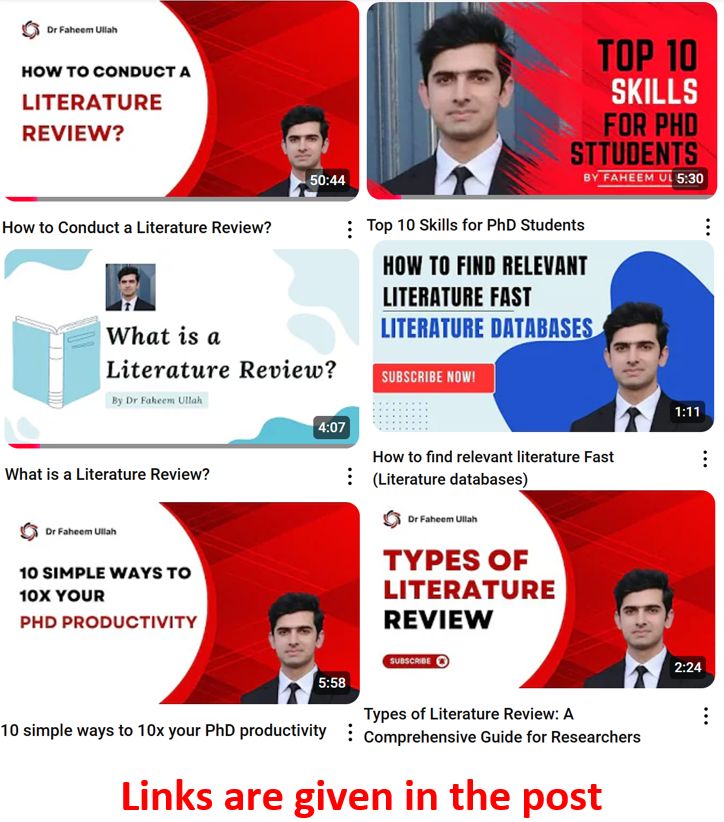
PhD Students - 6 videos you may find useful.
𝟏. 𝐇𝐨𝐰 𝐭𝐨 𝐜𝐨𝐧𝐝𝐮𝐜𝐭 𝐚 𝐥𝐢𝐭𝐞𝐫𝐚𝐭𝐮𝐫𝐞 𝐫𝐞𝐯𝐢𝐞𝐰?
You will learn the following.
- Step by step guide for conducting literature review.
- Structure of a literature review.
- Tools for literature review
Link: https://t.co/42FBczX3QG
𝟐. 𝐓𝐨𝐩 𝟏𝟎 𝐒𝐤𝐢𝐥𝐥𝐬 𝐟𝐨𝐫 𝐏𝐡𝐃 𝐒𝐭𝐮𝐝𝐞𝐧𝐭𝐬
You will learn the following.
- 10 skills to develop during PhD
- Why these 10 skills are important
- How to develop these 10 skills
Link: https://t.co/Gu4jST2c1k
𝟑. 𝐖𝐡𝐚𝐭 𝐢𝐬 𝐚 𝐥𝐢𝐭𝐞𝐫𝐚𝐭𝐮𝐫𝐞 𝐫𝐞𝐯𝐢𝐞𝐰?
You will learn the following.
- What is a literature review?
- What we do literature reviews?
- At which stage, we do literature review?
Link: https://t.co/EF05NhMex9
𝟒. 𝐇𝐨𝐰 𝐭𝐨 𝐟𝐢𝐧𝐝 𝐫𝐞𝐥𝐞𝐯𝐚𝐧𝐭 𝐥𝐢𝐭𝐞𝐫𝐚𝐭𝐮𝐫𝐞?
You will learn the following.
- Where to find papers for your literature review?
- What digital databases are available?
- Which database you should use?
Link: https://t.co/bAVUicCDK4
𝟓. 𝟏𝟎 𝐬𝐢𝐦𝐩𝐥𝐞 𝐰𝐚𝐲𝐬 𝐭𝐨 𝟏𝟎𝐱 𝐲𝐨𝐮𝐫 𝐏𝐡𝐃 𝐩𝐫𝐨𝐝𝐮𝐜𝐭𝐢𝐯𝐢𝐭𝐲
You will learn the following.
- Key challenges faced during PhD
- What impacts PhD productivity?
- How to increase your PhD productivity?
Link: https://t.co/dVEiNkau7J
𝟔. 𝐓𝐲𝐩𝐞𝐬 𝐨𝐟 𝐥𝐢𝐭𝐞𝐫𝐚𝐭𝐮𝐫𝐞 𝐫𝐞𝐯𝐢𝐞𝐰
You will learn the following.
- Various types of literature review
- Reflect which one is relevant for you.
Link: https://t.co/9N2eKo9smw
From Frustration to Publication: How to Navigate the Research Process.
Every researcher has a story about the experiment that failed, the dataset that made no sense, or the journal that rejected their best work.
If you are a graduate student now, you have probably lived one of these stories already.
What nobody tells you early enough is this: frustration is not a sign that you are in the wrong field. It is a sign
that you are doing real science.
Research is not a straight line. It is a winding road with dead ends, detours, and unexpected discoveries hidden in what looks like failure.
The scientists you admire did not succeed because they avoided setbacks. They succeeded because they learned how to respond to them.
So how do you move from frustration to publication?
1. The first step is changing how you see negative results. A result that says 'this does not work the way we expected' is still a result.
- It narrows the field of possibilities.
- It protects the next researcher from wasting time on the same path.
Some of the most important scientific papers ever written were built on results that looked like failures at first.
2. The second step is developing a system, not just a goal. Many students say they want to publish, but they do not have a plan for how to get there.
A system means writing a little every week, even when the results are not ready. It means keeping a research
journal where you record what worked, what did not, and what questions came up.
It means submitting drafts to your supervisor regularly, not just when you feel the work is perfect.
3. The third step is understanding peer review. Rejection from a journal does not mean your work is bad.
It often means your work needs a different audience, a clearer
argument, or sharper writing.
Most published authors have a stack of rejection letters. The researchers who publish consistently are not the ones who write perfect first drafts. They are the ones who revise without giving up.
One practical habit that changes everything is setting a writing schedule and protecting it.
Research students often treat writing as something they will do when the
experiments are finished. But writing is part of the research process itself.
When you write, you discover gaps in your thinking. You find the questions you have not yet answered.
You build the habit that will carry your career forward.
There is also the question of choosing where to publish. Not every piece of work belongs in the highest-impact journal in your field.
Starting with accessible, well reviewed journals builds your confidence, your record, and your understanding of the publication process. You can always aim higher as your experience grows.
The path from frustration to publication is not short. But it is walkable. Every researcher who has published started exactly where you are now: confused, uncertain, and
wondering if they were cut out for this.
The difference between those who publish and those who do not is rarely talent. It is persistence, system, and the willingness to treat
every setback as information rather than defeat.
If you are struggling with your research now, you are not behind. You are in the middle of the process. Keep going.
Top 10 Journal Finding Tools
Use these tools to find right journal for your paper.
𝟏. 𝐓𝐡𝐢𝐧𝐤
→ Identifies appropriate journal for your paper
→ Helps to avoid predatory journals with a checklist
↳ Link: https://t.co/3KGufSsR8D
𝟐. 𝐓𝐫𝐢𝐧𝐤𝐚 𝐉𝐨𝐮𝐫𝐧𝐚𝐥 𝐅𝐢𝐧𝐝𝐞𝐫
→ Matches your manuscript with journals of high quality
→ But with higher chances of acceptance
↳ Link: https://t.co/I67XRsTBQm
𝟑. 𝐄𝐥𝐬𝐞𝐯𝐢𝐞𝐫 𝐉𝐨𝐮𝐫𝐧𝐚𝐥 𝐅𝐢𝐧𝐝𝐞𝐫
→ Paste your abstract to find matching Elsevier journals
→ Journals with high acceptance rates
↳ Link: https://t.co/q3RoVZeJIo
𝟒. 𝐂𝐥𝐚𝐫𝐢𝐯𝐚𝐭𝐞
→ Find indexed journals across all fields
→ Shows impact factors as well
↳ Link: https://t.co/MRM8JG8MD1
𝟓. 𝐒𝐚𝐠𝐞
→ Helpful for social sciences - shows acceptance rates
→ Also shows timelines of various journals
↳ Link: https://t.co/a0EExD10A4
𝟔. 𝐖𝐢𝐥𝐞𝐲 𝐉𝐨𝐮𝐫𝐧𝐚𝐥 𝐅𝐢𝐧𝐝𝐞𝐫
→ Matches your abstract to appropriate Wiley journals.
→ Highly accurate in matching papers to journals
↳ Link: https://t.co/H4MtRItIbF
𝟕. 𝐉𝐚𝐧𝐞
→ Use the abstract your paper to find relevant journals
→ These journals are indexed by PubMed
↳ Link: https://t.co/va9qPMn9Du
𝟖. 𝐈𝐄𝐄𝐄 𝐏𝐮𝐛𝐥𝐢𝐜𝐚𝐭𝐢𝐨𝐧 𝐑𝐞𝐜𝐨𝐦𝐦𝐞𝐧𝐝𝐞𝐫
→ Compares journals’ quality and acceptance rate
→ Also shows time to review
↳ Link: https://t.co/ldueDlIpwF
𝟗. 𝐌𝐚𝐧𝐮𝐬𝐜𝐫𝐢𝐩𝐭 𝐌𝐚𝐭𝐜𝐡𝐞𝐫
→ Matches your abstract to the best fit journal
→ These journals are indexed by web of science
↳ Link: https://t.co/GT9B4Jipe9
𝟏𝟎. 𝐉𝐨𝐮𝐫𝐧𝐚𝐥 𝐒𝐮𝐠𝐠𝐞𝐬𝐭𝐞𝐫
→ Shows basic submission requirements to various journals
→ Also, offers keyword-based matching
↳ Link: https://t.co/f3CscSMvxI
Anything you'd like to add?
Someone said
"They are lying in broad daylight that Iran started the war when there are 8 billion witnesses who saw the US and Israel assault Iran.
How then do we believe that Germany started the Second World War?"
My Answer:
No, Germany didn't technically start the Second World War, Hitler was forced to.
It is the exact same scenario with Putin going to Ukraine, the endless provocation of NATO and the US.
The Polish government killed the Germans living in Poland. Hitler liberated them and returned.
Then they started the counter-propaganda. Similar to the one you hear from Rubio & Graham.
Hitler asked for a peace treaty twice and sent his vice president to the UK but they declined.
After Berlin surrendered they bombed the defeated cities which resulted in 8 million Germans dead. Then they raped the young girls.
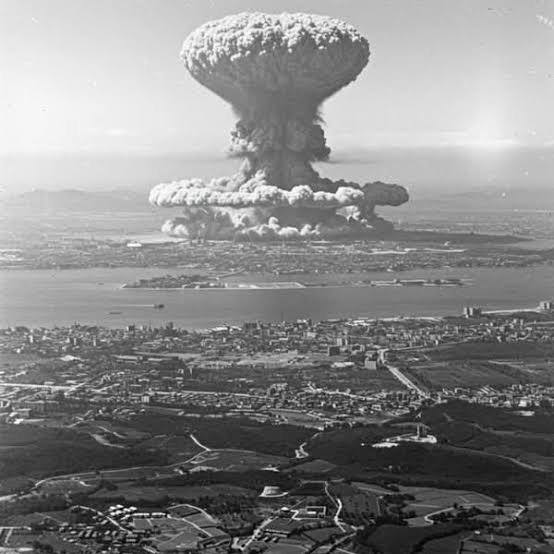
The same thing the US did in Japan dropping the atomic bomb after the war was technically over.
Japan’s navy was already destroyed. Its cities were already being firebombed, the March 1945 Tokyo firebombing killed over 100,000 people.
A naval blockade had crippled food and fuel supplies.
Japanese officials were seeking ways to surrender through intermediaries, such as the Soviet Union.
Boom, the US dropped the atomic bomb!
The most cruel people on earth.
They say I should stop tweeting that the DSS is arresting people tweeting news about the Iran-Israel war. 😂
Dear @OfficialDSSNG let me tag you by myself.
I am fully in support of the Iranian government's right to resist the American and Israeli aggression and colonialism in the Gulf region and the entirety of the Middle East.
I hope Iran wins this war and repels a hegemonic power trying to control its mineral resources.
I don't know why I'm threatened but this is my stance and it will never change 🤝
The war in the Middle East will have President Trump live to regret. The work economic collapse is un precedents. Iran is now dictating end of war terms to America. An American strategy that went terribly wrong for Trump and Benji
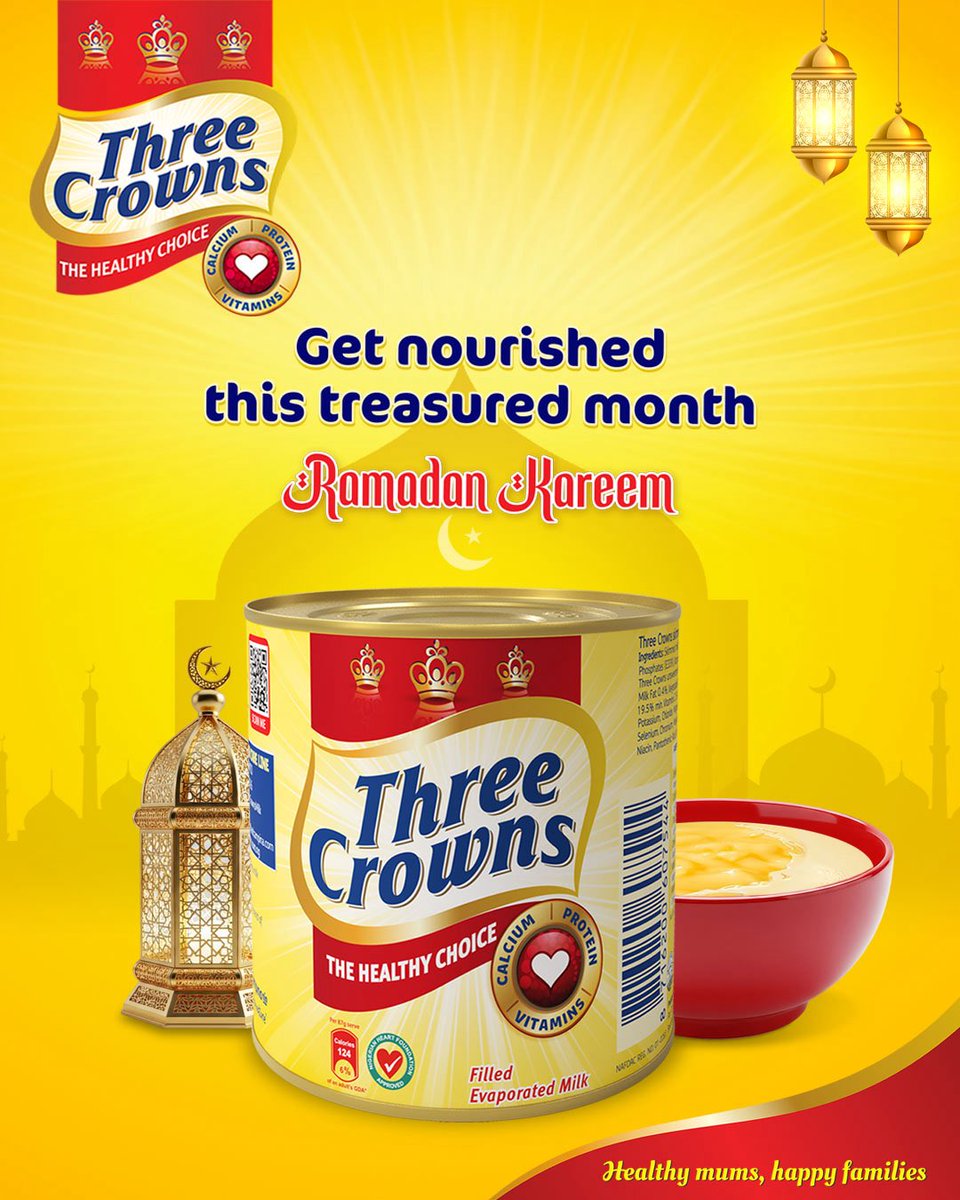
The sighting of the moon marks the beginning of a treasured month of reflection, care, and togetherness.
As Ramadan begins, get nourished with Three Crowns Milk to go through your fast in this treasured month.
Ramadan Kareem!
Heartwarming moment Mesut Özil participated in a friendly match with Rohingya children in Bangladesh recently 🇧🇩❤️ the World Cup winner visited Bangladesh to inaugurate a renovated medical centre in Dhaka university. He also took part in Iftar whilst there 🤲🕌