فکت راجب کُرد و لر
کُرد ها هیچ ربطی به ماد ندارند
لر ها هیچی ربطی به عیلام(شوشی/خوزی ها) ندارند
تمام زبان ها و گویش های هردو گروه ریشه اش از زبان پارسی میانه (پارسی ساسانی / پهلوی ) میاد
هر دو گروه زبانی پس از اسلام شکل گرفته قبلش پهلوی زبان بودن.
@IranNewsAgency0 شاید این نظر من نامحبوب باشه
ولی مسلمونا رو به هندو ها ترجیح میدم
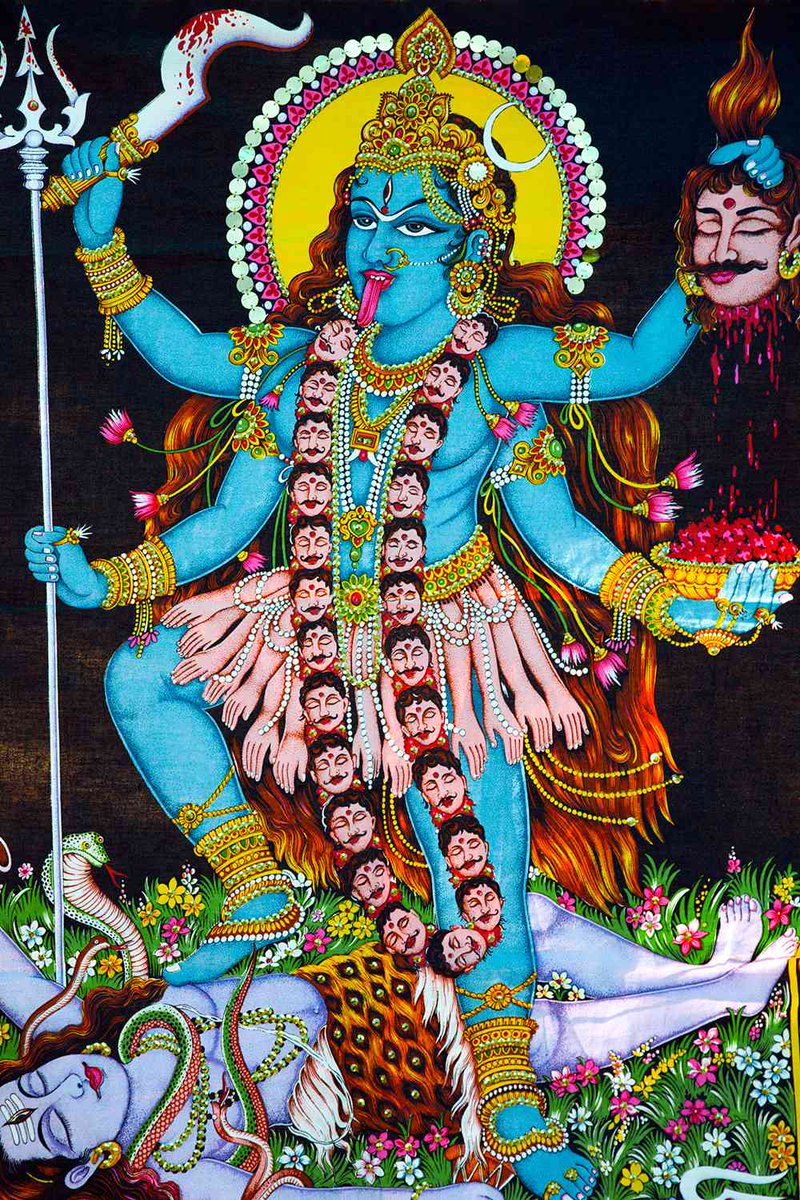
هندو ها عملا دیو پرستند و خدایان شون دیو
هر انچه که دین بهی درس میده هندو برعکس اش رو میگه
پرستش دیو گناه بشدت بزرگه
بعضی هاشون
قربانی کردن انسان یا حتی بچه هم دارند
البته دلیل نمیشه مسلمونا خوب باشند
@ufologiste میگن تاریخ تمدن بشر هفت هزار ساله
به نظرم بشدت غلطه
شعر های سومری از زمان باستان صحبت می کنند (متن اشعار اینکه زمان باستان خیلی خوب بود الان وضع بد شده :) )
تاریخدان ها به سومر میگن اولین تمدن خود سومری داره از هزاران سال قبل میگه
فرضیه اینکه بومی زمین نیستیم هم خیلی جالبه
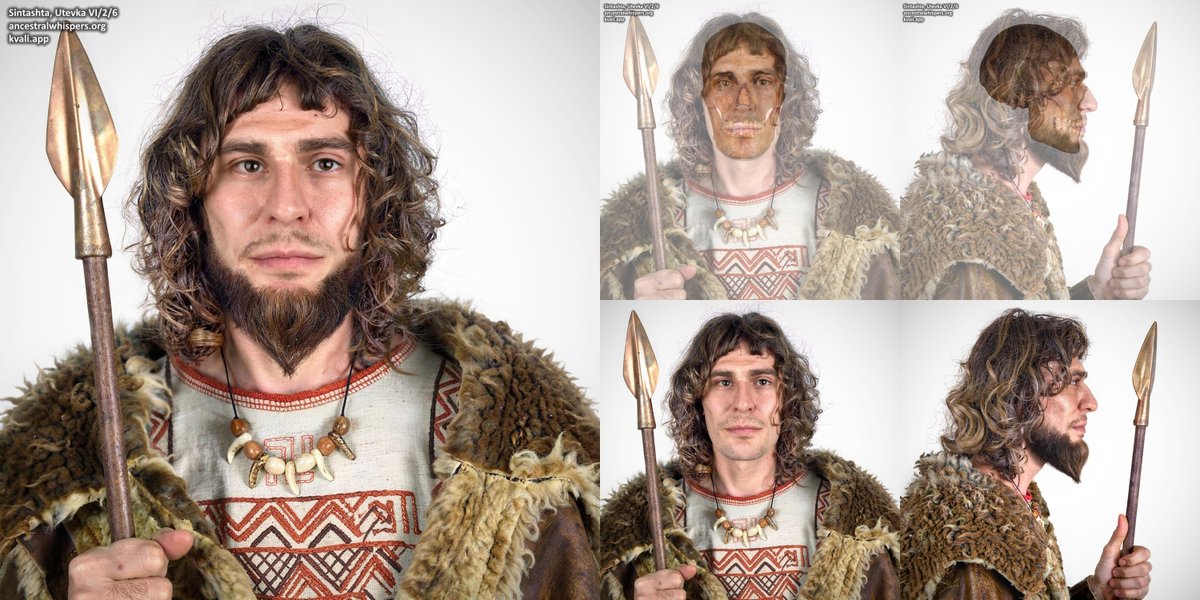
Facial reconstruction of a 4,200-year-old Sintashta-Aryan “Romeo and Juliet” from Samara
The ~21-year-old man and his ~14-year-old wife were buried in an embrace in Utevka VI, Kurgan 6, Grave 2, which contained six individuals: the couple and four children and infants, who were too old and too numerous to have been their offspring - perhaps siblings.
The grave contained horse sacrifices, shield-shaped studded bone cheekpieces interpreted as chariot-driving gear, weapons (three copper daggers, a flat copper axe, and 16 flint projectile points), copper beads and rings, and other objects.
Utevka VI is a distinctly Sintashta burial ground in Samara Oblast, although its excavator, P. F. Kuznetsov, classified it as belonging to the “Potapovka cultural type.” The circular arrangement of burials around central graves is characteristic of Sintashta sites.
The grave goods at Utevka VI are abundant and varied, including numerous metal tools and weapons (knives, daggers, and spearheads), ornaments (bracelets, pendants, and beads), and stone tools for sharpening. Some objects show Near Eastern connections, while rare silver and gold ornaments were also found. Burials often included complete quivers containing flint arrowheads, with up to 16 per grave. Arrows were approximately 50 cm long, while bows could reach 1 m, with an estimated range of around 300 m.
Clothing was decorated with beads made of metal, faience, and stone. A distinctive feature is the presence of antler cheekpieces (psalia), associated with horse gear and sometimes elaborately decorated, with parallels across the Eurasian Steppe. Bone artifacts - including arrowheads, beads, combs, and discs - were also common and diverse (Vasiliev I. B., Kuznetsov P. F., Turetski M. A., 2000).
The male (I0246) was genetically a mixture of Steppe_MLBA and an ANE/WSHG-rich substrate. He carried Y-DNA haplogroup R1a-Z2124 and mtDNA haplogroup C1.
@NerevarsWraith اتفاقا میدونی
این حکومت هر چقدر کمتر در مورد تاریخ و اساطیر ایران چیزی تولید کنه بهتره
دوست ندارم آثار سانسور شده و پروپاگاندا (عملا ضد ایرونی) ببینم
همون پیامبر میابر بسازند خوبه
کشور های منطقه هم خوششون
خیلی هست
نوح
موسی و داوود (این دوتا خوراکه پروپاگاندا ضد یهوده)
و..