IT’S HERE! The Writing Framework has landed!
🚨 IT’S A BELTER! A powerful blend of explanation and practical advice for teaching writing, both transcription and composition.
“The best moments during writing are when pupils are so absorbed in their creations that they lose all sense of time, and when they read what they have written and experience the thrill of creating with words and language.”
Explicit instruction, direct deliberate teaching and knowledge pupils need to write with confidence and purpose.
It must be TAUGHT not CAUGHT!
Writing matters because it cements learning in long term memory.
A MUST, MUST read if you want to be a better teacher of writing.
A thread 🧵 https://t.co/c4sGqwgDrg
Many of us have upcoming Kindergarten registration days. Here is a First Sound Fluency game for phonemic awareness you can print & add to welcome bags. Visuals match Heggerty ABC keyword cards.
Thank you @thismomloves & @IDA_Ontario webinars for the idea.
https://t.co/CmOKRtuUrH
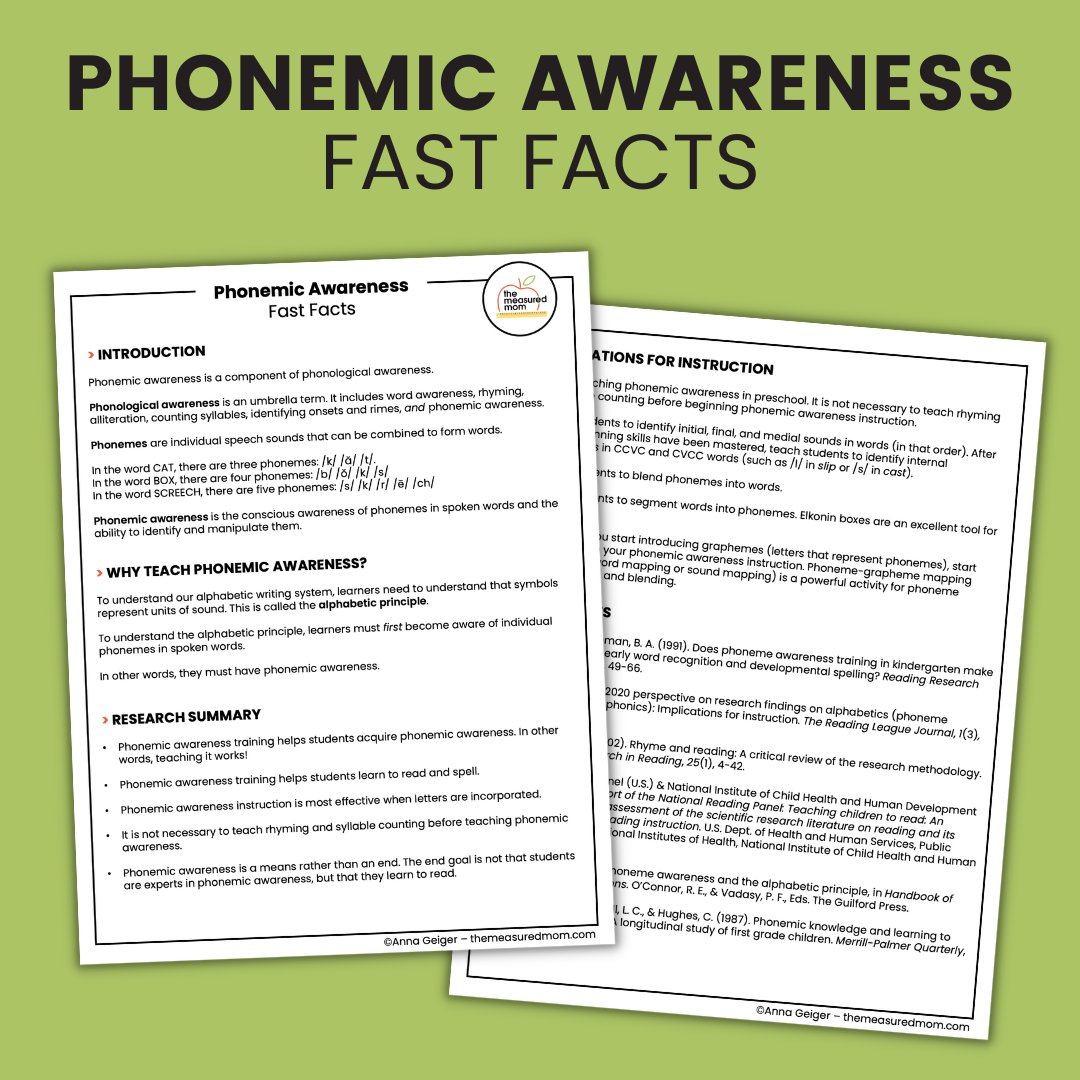
I'm putting together "Fast Fact Sheets" about the science of reading. They're two-sided summaries of the research with implications for teaching and a reference list - I hope this makes them easy for teachers to print and share with colleagues! https://t.co/lkwJxN7mS2
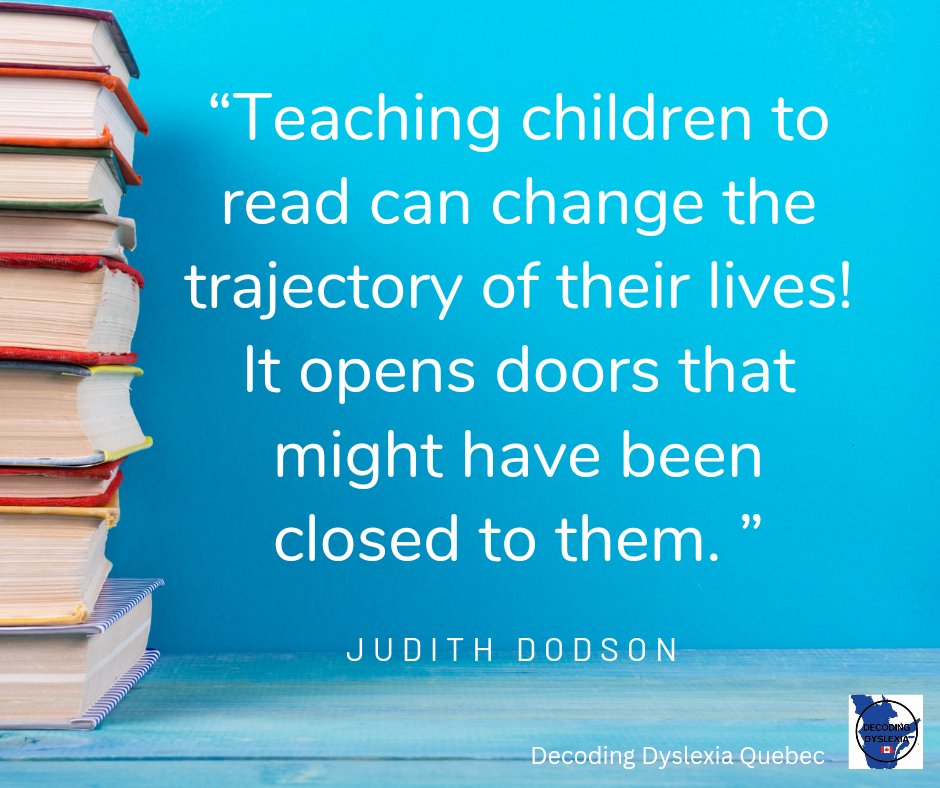
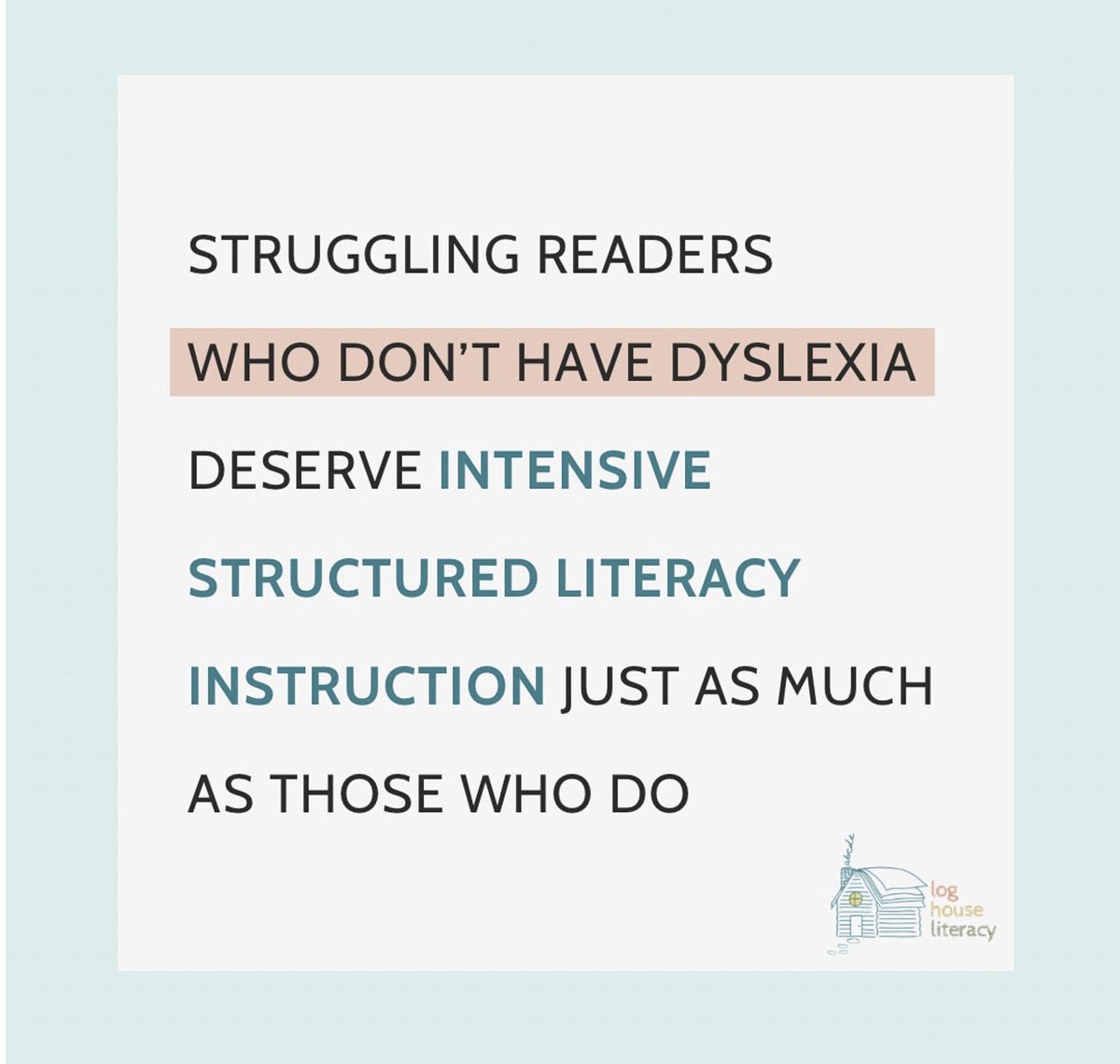
As a parent who has witnessed their child struggle to learn to read, this image resonates with me. Heading into 2024, I'm committed to advocating for change. Literacy is a human right, and everyone has the right to read. #Dyslexia#RightToRead#Literacy
Have I mentioned that @SyllaSense are my absolute favourite decodables? And this chart is so helpful!
We will hit @UFLiteracy Lesson 23 just before holidays & in January our SyllaSense books will be in rotation for at-home reading as well as partner reading!
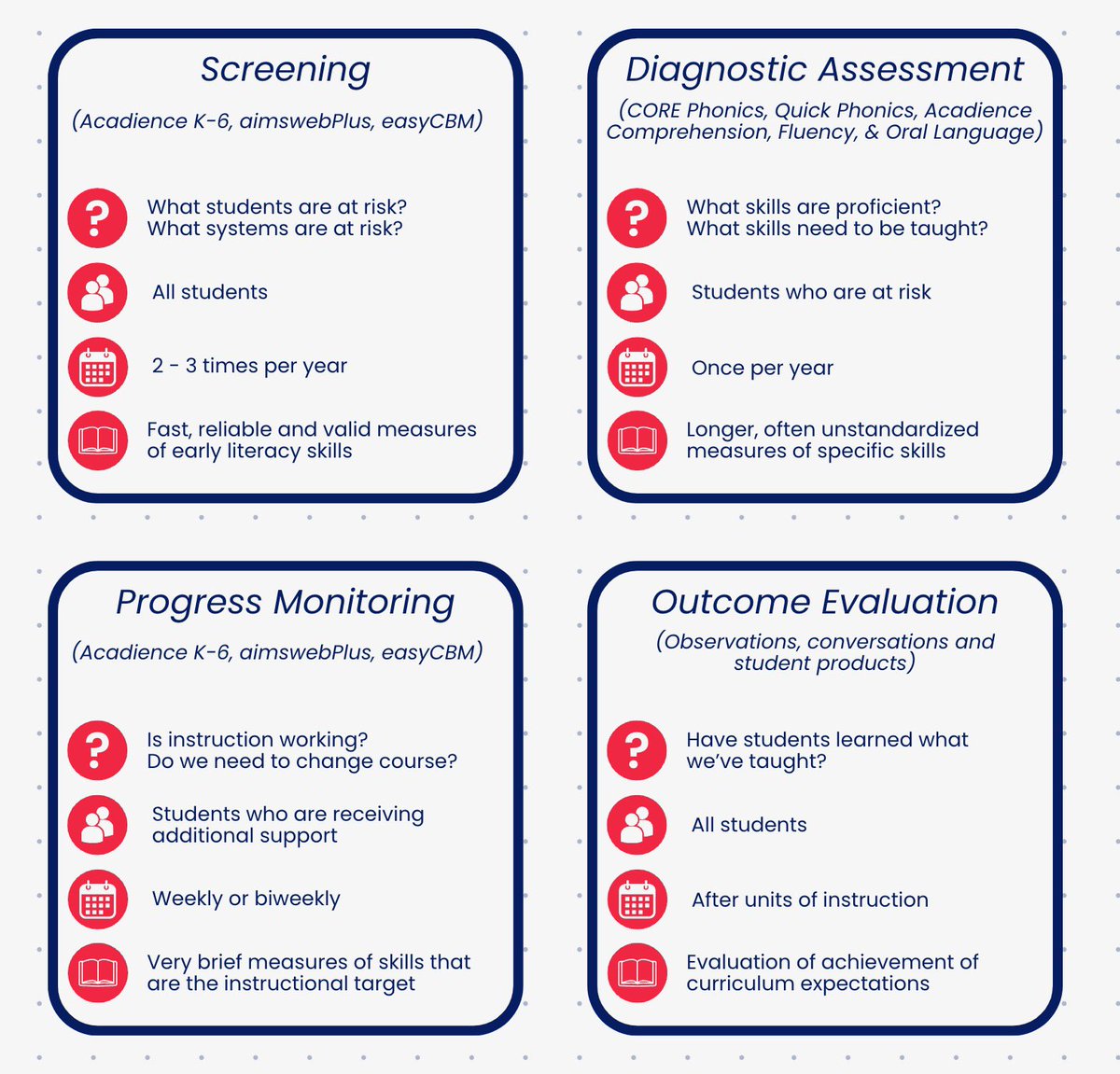
🔥 Hot off the press 🔥
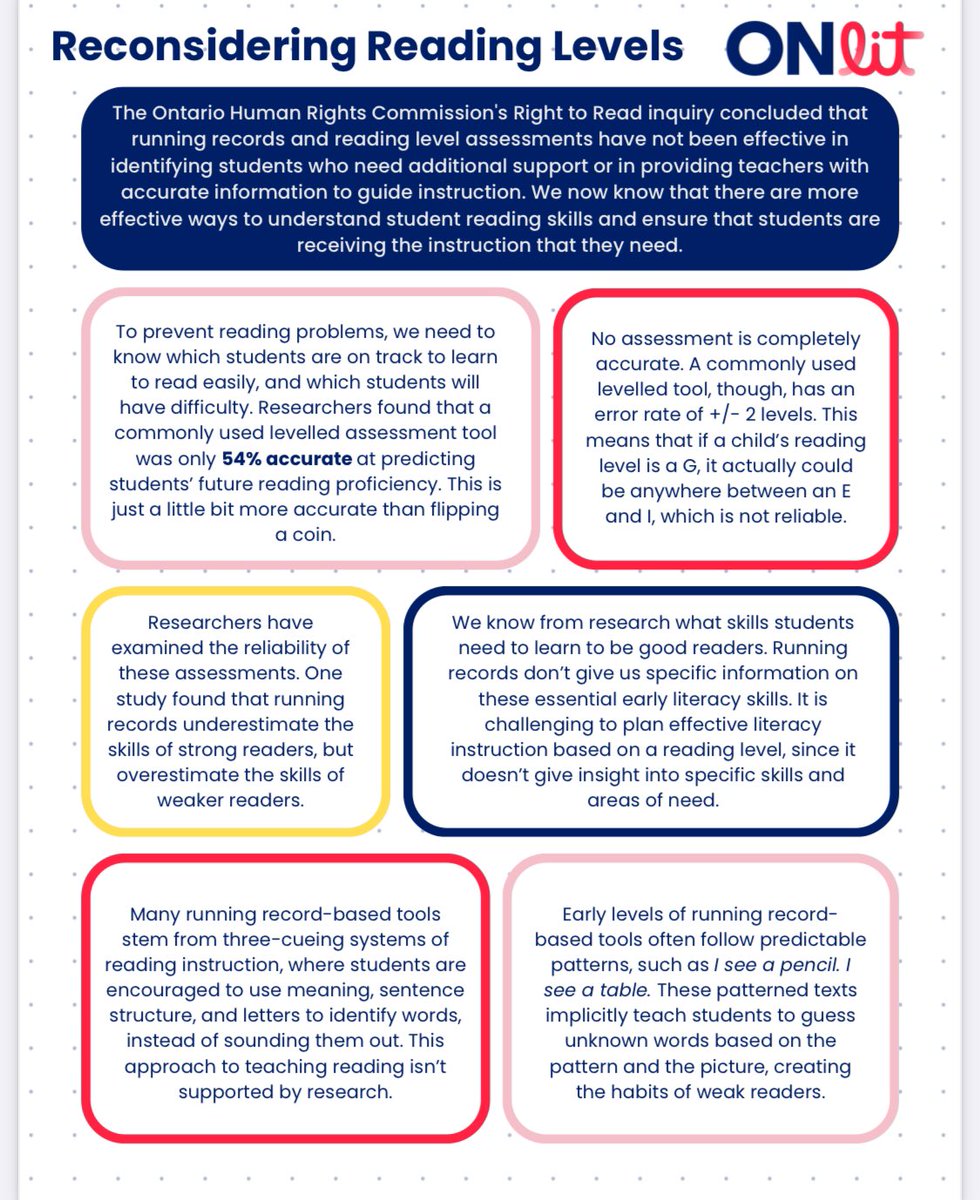
@ONlit_social’s “Reconsidering Reading Levels” resource: why they should be reconsidered & the who, what, when & how of different purposes for assessment: screening, diagnostic, progress monitoring, & outcome evaluation.
https://t.co/LE4uR65D7o
Nonsense words: a 🧵
Mid-year Acadience assessment of my K students showed one child barely at benchmark in Nonsense Word Fluency. I will target and progress monitor this skill throughout the winter, but important note: I will NOT be using nonsense words to teach. 1/
1 of5
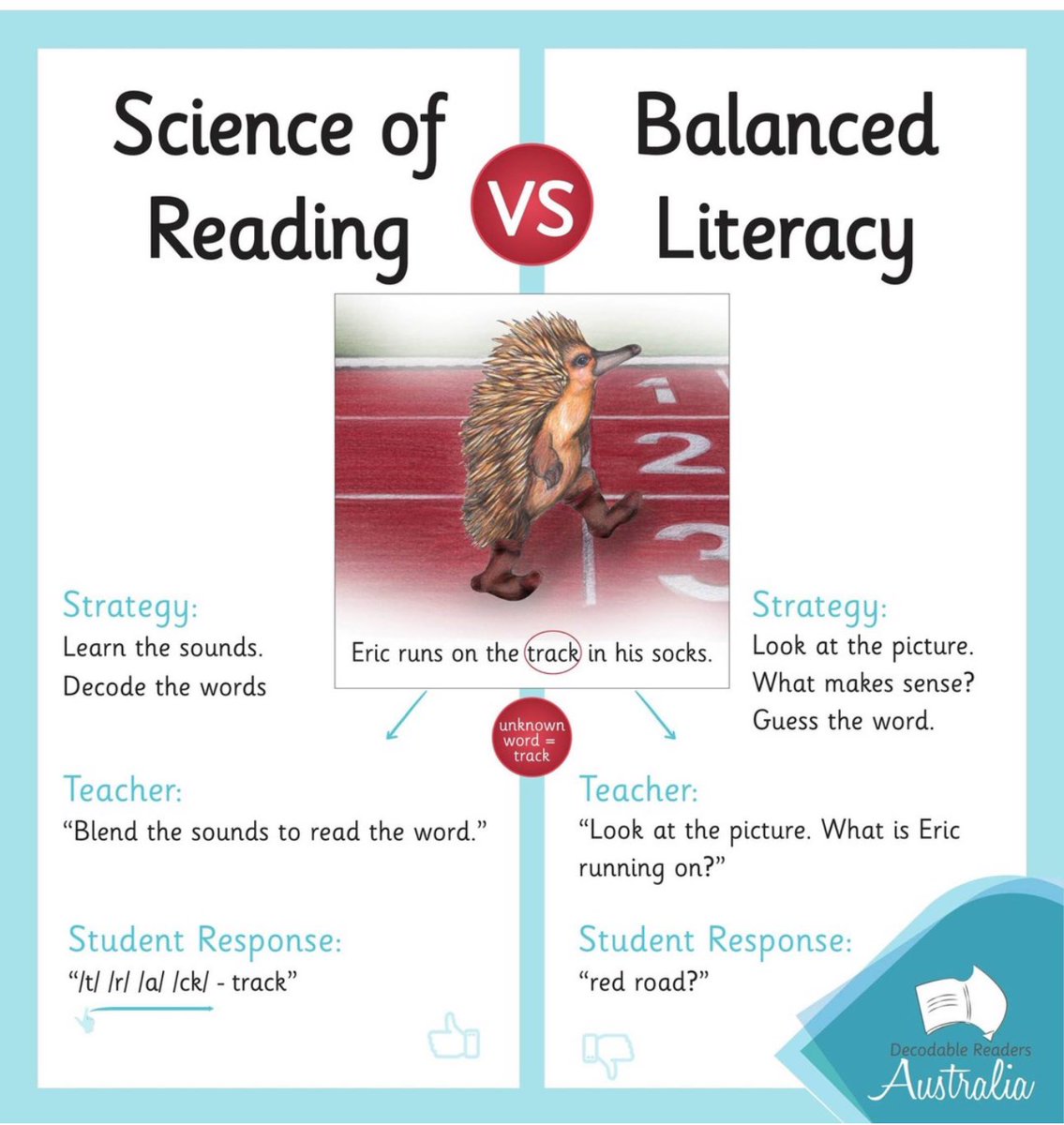
When novice readers R taught to read in system that has a balanced literacy approach the brains many of them (particularly those who are vulnerable or at risk) will be wired to read like poor readers do even if that is not the intention.
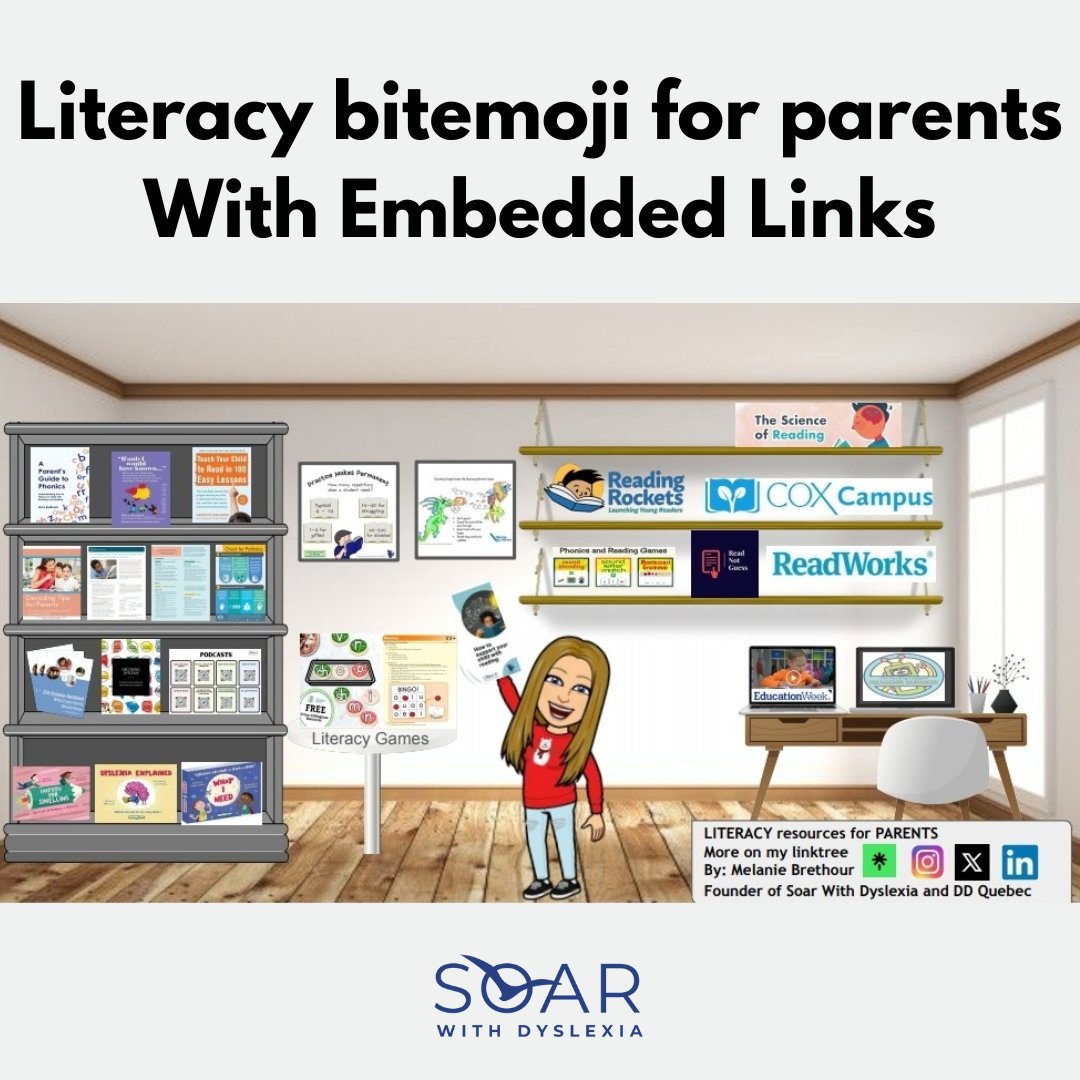
As a parent to a child who has dyslexia...I didn't know how to help him effectively early on. As a teacher, I wasn't taught how to teach reading, & I can't imagine how parents navigate this literacy journey. This is the 3rd interactive document I created & this one is for parents
Vocabulary knowledge is 1 of the largest contributors to reading comprehension (RC). According to Stahl & Nagy(2006),vocabulary knowledge contributes 50-60% of the variance in RC. A consistent vocab instructional routine is a powerful tool every teacher needs in their tool box!