It's funny when I cop insists they know the law meanwhile they are clueless.
An Oregon State Trooper pulls over a Lamborghini rolling through the state without standard U.S. license plates. Instead, the supercar is sporting Dubai plates.
Right out of the gate, the officer challenges the driver's explanation:
"Well no, you’re not visiting as a tourist if you brought a car with you."
The trooper insists that driving on Oregon roads requires state registration or a temporary trip permit.
This cop came out of the gate thinking he knew everything and zero interest in listening and learning. In his eyes, this guy must be a criminal not following the laws and he was not going to waste his time doing actual investigative work.
What he wasn’t expecting was a driver armed with an entire binder of high-level customs documentation.
The legal reality behind the stop comes down to a Carnet de Passages en Douane (CPD):
Recognized under UN customs conventions, a CPD acts like an international "passport" for a motor vehicle.
It permits tourists to temporarily bring foreign-registered cars into signatory countries for up to 12 months without paying import duties or obtaining local domestic plates.
Paired with an EPA temporary tourist exemption, valid UAE registration, an International Driving Permit, and active insurance, the supercar was 100% legal to drive from the port straight up toward Vancouver.
Because rank-and-file highway patrol officers rarely encounter foreign tourist carnet paperwork outside major international shipping hubs, confusion was almost guaranteed. But that does not excuse this cops behavior.
Once faced with deciphering federal treaties, EPA exemptions, and a mountain of legitimate paperwork on the shoulder of the highway, the trooper suddenly realizes he's out of his depth:
"I have another call I have to go to."
A textbook lesson in keeping your cool, knowing your rights, and having the paperwork to back it up.
The cop straight up quit on the side of the road and took off running rather than admitting his error.
Lionel Messi’s reaction to being called the greatest player in the world is a masterclass in relentless humility.
During a 2013 interview with veteran journalist Bob Simon, Messi was pressed on the joy his individual brilliance brings to millions. Instead of embracing his own mythology, he immediately deflected the spotlight to the collective: “I think that everybody gets joy, not just because of me, but because of this Barca team that's been winning and playing so well lately.”
Even when pushed further on the sheer magnitude of global praise, he refused to elevate himself to the status of an untouchable god. Anchored by quiet appreciation rather than arrogance, he acknowledged the adulation by simply stating he is “very grateful and happy” and that the praise is “obviously a wonderful thing.”
While the rest of the footballing world desperately tries to worship him, Messi fundamentally views himself as just one gear in a collective machine.
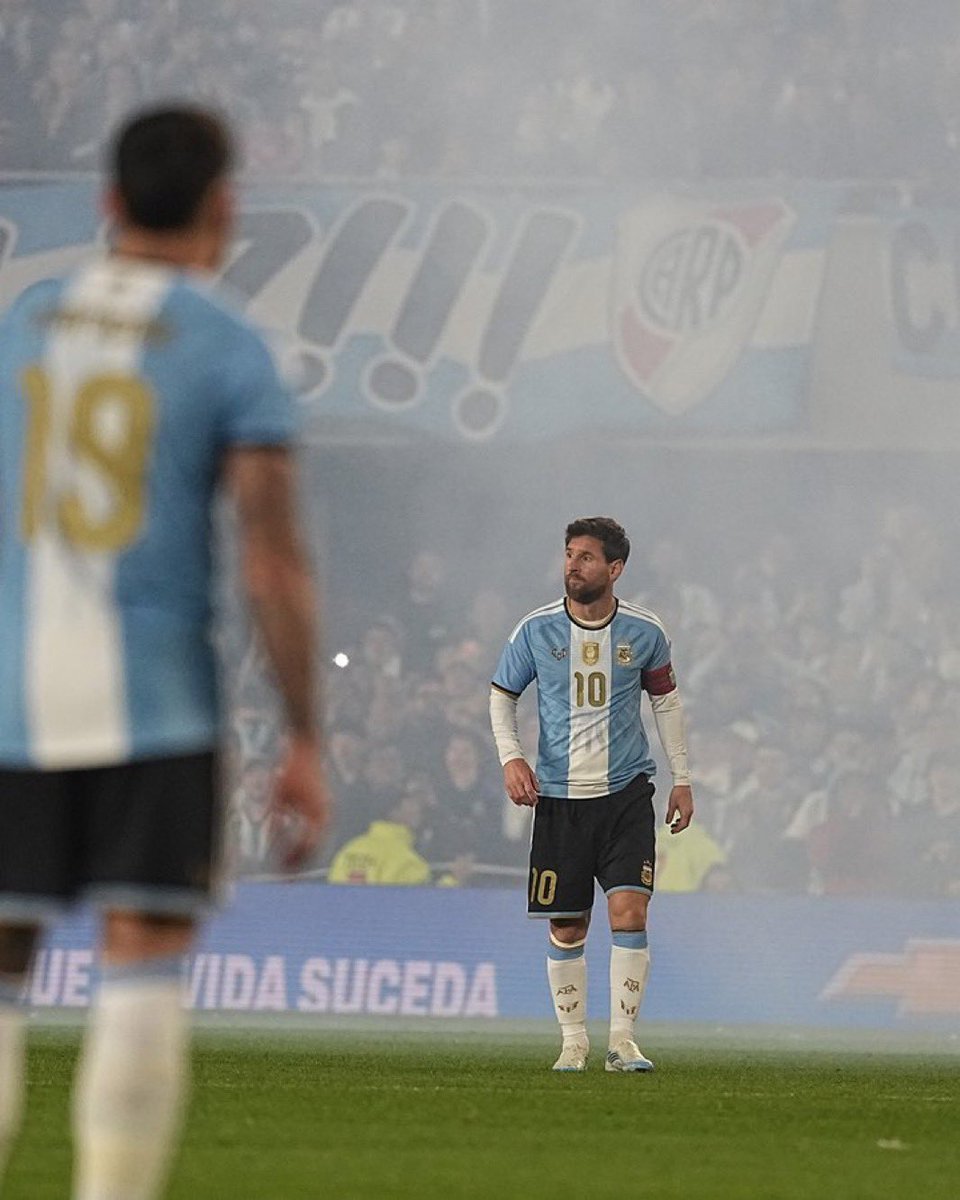
🚨| BREAKING: Messi's farewell match for Argentina became the most-watched event of all time. 😳
The game has surpassed the 2022 FIFA World Cup final with 3 billion views. 🐐🇦🇷