Desperation breeds confusion — and confusion makes people believe anything,
even snake‑oil sold as “medicine'.”
From this perspective, that is exactly how the so‑called Eritrean opposition ended up with zero credibility inside Eritrea’s political reality.
When frustration takes over, judgment collapses.
People start grabbing at any voice, any rumor, any promise — even if it’s nothing more than snake oil packaged as “change.”That’s what happened to the opposition, in this view:
Desperation politics
— They reacted emotionally, not strategically. Credibility collapse
— They aligned with anyone who opposed Eritrea, even actors with no legitimacy. Misreading the nation
— They believed noise equals influence, forgetting Eritrea’s political culture rejects opportunism. Once they crossed that line, they weren’t seen as a political force anymore
—they became background noise.
@BMLenjiso I am so in a DISAGREEMENT with your analysis. ኦሮሞ የአዲስ አበባ ልዩ ጥቅም የሚለው came when Weyane wanted to appease kiss ass Oromo groups to get votes from them. The Addis Abeba ልዩ ጥቅም is a big issue to be discussed and found resolution through the ምክክር com.
In relation to security and political developments in northern Ethiopia, the following trends are becoming very clear;
1. The rhetoric of the TPLF is increasingly becoming more and more bellicose. The TPLF’s rhetoric is now explicitly about “regime change”. The TPLF hardliners have made their intention to overthrow the democratically elected and legitimate government very clear.
2. In this endeavor, the TPLF is relying on the common front it has created with the Eritrean Government. The collusion between the Eritrean Government and the TPLF has become quite public. Eritrean military commanders, intelligence personnel and even heavy weaponry including tanks are operating quite openly in the Tigray region. As a result, the Ethio-Eritrean border has, for all practical purposes, ceased to function as an effective boundary.
3. Eritrea’s operations deep within Ethiopian territory has reached as far as the Raya and Alamata Area. The Eritrean and TPLF forces have prepared a joint plan for an offensive against the Federal Government. Elements of the Fano militias are also part of this joint plan.
Implications;
1. The developments outlined above would make the Eritrean government a party to the hostilities it is orchestrating and taking part in. Eritrea’s prolonged and open act of hostility against Ethiopia, deep in Ethiopian territory necessitates and justifies similar countermeasures from the Ethiopian side.
2. Although the current level of Eritrea’s involvement in Ethiopia’s internal affairs and its attempt to destabilize Ethiopia is unprecedented; it is part of a pattern of behavior that has been there for at least a quarter of a century. Successive Ethiopian governments, regardless of their position on the question of access to the sea have faced hostility and destabilizing proxy tactics from the Eritrean Government. This persistent national security risk Ethiopia has faced due to the illegal and violent interference of the Eritrean Government against Ethiopia needs to be neutralized.
3. Neutralizing the national security risk Ethiopia faces and addressing the serious violation of its territorial integrity by Eritrean forces would compel Ethiopia to respond forcefully to any further escalation by the Tsimdo. Such response will have to target all parties to the Tsimdo. It will also have to provide for a buffer zone or some sort of security arrangement that would safeguard Ethiopia from Eritrean adventurism.
4. There is a risk that the Eritrean government would not be severely weakened and further delegitimized internally if it takes its reckless adventure to its logical extreme. In the short to medium term, this could lead to the collapse of the Eritrean state, the breakdown of order and a massive refugee outflow from Eritrea. Such a scenario would also create a security vacuum that could be exploited by extremist groups in the region. A situation like in Yemen and the Sudan could play out in Eritrea. A particularly serious concern is that Eritrea possesses hundreds of thousands of trained and armed personnel who, in the absence of state authority, could become available as mercenaries or armed non-state actors. To avoid such a scenario from unfolding, there is an urgent need;
i) to persuade President Isyas to withdraw his troops from Ethiopia and cease all interference in Ethiopia’s internal affairs;
ii) if he fails to heed to such calls and Ethiopia is forced to respond, there needs to be sufficient planning and preparations for all eventualities that may unfold with a wakened totalitarian regime in Asmara.
The TPLF–Junta’s military adventurism over the weekend was resoundingly defeated by Ethiopia’s military. Its Ximdo war pact with Eritrea was not much of help, and now, the fallout, as the group tries to cover up it’s failures with back to back statements and public spectacles. https://t.co/csTy5O7zfh
Trump Vs Xi: Ethiopia Mega Airport Sparks US-China Race Under PM Abiy Ahmed | Firstpost Africa
In a conversation with
@Zemedeneh, geopolitical commentator and Firstpost anchor
@alysonle
Congratulations to everyone who envisioned & led the National Dialogue Initiative, especially PM Abiy, his government, & the commissioners, for getting it this far. It takes a genuine desire to move Ethiopia past its history of discord & underdevelopment to take on something this daring, an exercise big enough to shake the status quo the incumbent itself is standing on.
July 15, 2026 will be remembered in Ethiopia's political history as a watershed moment, one the country will look back on as the point things changed for good. For the first time, the most fundamental political conversations have reached ordinary citizens, people who were once sidelined from decisions about their own lives, or used only to rubber-stamp the interests of a powerful few. This time, millions took part in choosing their representatives. Over 100,000 people helped identify the issues that matter to their communities. Now more than 4,000 representatives from all walks of life are spending three weeks deliberating on the most important structural questions facing the country.
That's pragmatism. That's sovereignty. That's real leadership.
What comes out of this process can help Ethiopia imagine itself anew, in a world where old burdens still hold us back & new challenges have yet to be turned into opportunities. Every peace-loving Ethiopian, at home & in the diaspora, should take this seriously, recognize the effort behind this journey, & support the convention through to a successful close.
And it can't stop there. We need to respect the voices from the grassroots & stay committed to turning these outcomes into real steps that fix Ethiopia's political, economic, & administrative shortcomings.
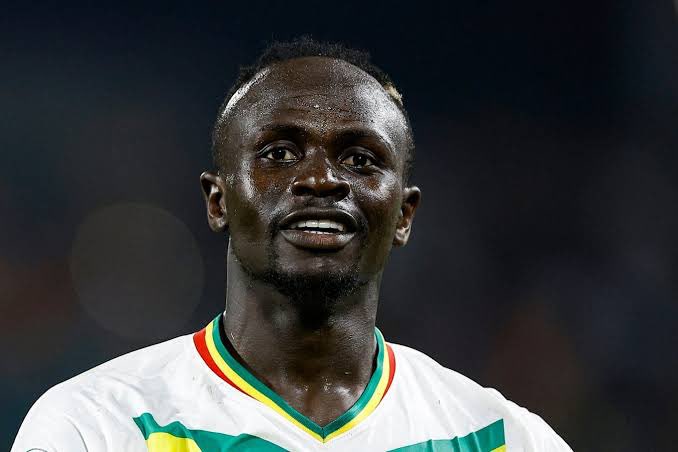
🚨New: Sadio Mane on the controversial penalty appeal for Youri Tielemans against Senegal:
🗣️“This is football, not theatre. Tielemans gets to the ball first, Camara is doing exactly what every defender is taught from the first day, clear the danger. They arrive almost together, there’s only minimal, unavoidable contact after the challenge. That alone is not a foul.
The Laws of the Game don’t punish every collision. A penalty requires a careless, reckless, or excessive-force foul. Simply making contact after both players challenge for the ball isn’t enough. Football is a contact sport, not a non-contact exhibition.
VAR is supposed to correct clear and obvious errors, not turn every 50-50 duel into a courtroom trial. Every time the referee is dragged to the monitor for incidents like this, the game loses another piece of its soul. It’s like using a microscope to find an elephant, it makes no sense.
Senegal were fighting like lions, Belgium were hanging by a thread, and then one decision threatens to rewrite the entire story. If this is a penalty today, then defenders may as well stop tackling and start writing apology letters before kick-off.
Modern football is becoming a house built on sand, one soft decision after another. The badge on the referee’s shirt is starting to carry more influence than the players wearing the jerseys. That’s not protecting the game; that’s suffocating it”
Major Breaking News ‼️
Fatuma Ahmed, Director of the Positive Spirit Department at Dubai Police, issued a strong warning to all Ethiopians and social media users spreading anti-Ethiopian propaganda.
She emphasized that the misuse of social media including hate speech, defamation, threats, unauthorized fundraising, and political agitation is a criminal offense under UAE law. Offenders may face fines, imprisonment, and/or deportation.
لست من أنصار نظرية المؤامرة، ولا أميل إلى تفسير كل حدث بخيوط خفية تدار من وراء الستار. لكن بعض الوقائع تفرض نفسها، وتجعل من الصعب تجاهل الترابط بين الأحداث. بعد أن بدأ ميشيل كوكا مبولادينجا تجسيد وضعية تمثال باتريس لومومبا خلال كأس أمم إفريقيا 2025 في المغرب، بدأ كثيرون، ولا سيما في أوروبا، يتساءلون: من باتريس لومومبا؟ وما قصته؟ وسجل ارتفاع ملحوظ في عمليات البحث عن اسمه على محركات البحث، كما ازدادت معدلات شراء سيرته الذاتية والكتب التي تتناول حياته، ولم يتوقف الأمر عند حدود الفضول التاريخي. فمع اتساع معرفة الرأي العام الأوروبي بلومومبا وتاريخ الكونغو، شهدت الاحتجاجات التي نظمتها الجاليات والمنظمات الكونغولية في عدد من العواصم الأوروبية، تنديدًا بالحرب في شرق جمهورية الكونغو الديمقراطية، مشاركةً أوسع، حدث اهتمام إعلامي للمسار الذي تخوضه أسرة لومومبا من أجل كشف الحقيقة الكاملة حول اغتياله ومحاكمة المتورطين. وفي ظل تنامي هذا الوعي في أوروبا بطبيعة الصراع في جمهورية الكونغو الديمقراطية، تصاعدت الدعوات إلى مقاطعة عدد من الشركات متعددة الجنسيات المتهمة بالاستفادة، بصورة مباشرة أو غير مباشرة، من اقتصاد الحرب، أو من سلاسل التوريد المرتبطة بعمالة الأطفال واستغلال الموارد الطبيعية، التي كان رأسمالها الأولي قد تكوَّن في سياق النظام الاستعماري الذي أتاح الاستيلاء على الأراضي واستغلال الموارد الطبيعية والقوى العاملة في الكونغو عبر أنظمة العمل القسري والسخرة المنظمة.
ريكسونا، إحدى أشهر العلامات التجارية التابعة ليونيليفر، تعود جذور إمبراطوريتها الصناعية إلى شركة ليفر براذرز، التي اعتمدت بصورة كبيرة على زيت النخيل المستخرج من الكونغو إبان الحقبة الاستعمارية البلجيكية. ففي عام 1911، حصل مؤسس الشركة، ويليام ليفر، على امتياز استعماري من الحكومة البلجيكية شمل نحو 750 ألف هكتار من الأراضي في جمهورية الكونغو الديمقراطية، وأُنشئت شركة زيوت الكونغو البلجيكية (Huileries du Congo Belge - HCB) لاستغلال غابات النخيل وتحويل زيتها إلى المادة الخام الأساسية لصناعة الصابون في بريطانيا. وقد بلغت مساحة هذه الامتيازات حدًا جعلها تعادل تقريبًا ضعفي مساحة بلجيكا ونصفها. ثم لجأت الشركة إلى التعاون مع الإدارة الاستعمارية البلجيكية لتعويض النقص في العمالة، فاستفادت من نظام العمل القسري الذي فرضته السلطات على آلاف الكونغوليين. كان السكان يُجبرون على جمع ثمار النخيل وفق نظام حصص صارم، ومن يعجز عن تحقيق الكمية المطلوبة كان يتعرض للسجن أو للجلد بسوط الشيكوت (Chicotte)، أحد أكثر أدوات العقاب الاستعماري وحشية، والذي ارتبط بالحكم الدموي للملك ليوبولد الثاني. كما استولت السلطات الاستعمارية على ما اعتبرته «أراضي شاغرة» ومنحتها للشركة، رغم أنها كانت جزءًا من المجال المعيشي للمجتمعات المحلية. وهكذا ارتبط توسع شركة ليفر براذرز بنزع الأراضي، وإخضاع السكان، وتحويل الموارد الطبيعية في الكونغو إلى مصدر للثروة الصناعية الأوروبية. وفي عام 1930 اندمجت ليفر براذرز مع شركة مارغرين يوني، لتولد شركة يونيليفر. ومع وصول باتريس لومومبا إلى السلطة عام 1960 وطرحه مشروعًا يقوم على استعادة السيادة الوطنية على الموارد الطبيعية وتقليص النفوذ الاقتصادي الأجنبي، أصبحت مصالح العديد من الشركات الغربية الكبرى، ومن بينها يونيليفر، مهددة. لهذا الإطاحة بلومومبا، كان في مصلحتها لأنها كانت من أبرز المستفيدين من النظام الاقتصادي الذي ساد بعد اغتياله، إذ واصلت نشاطها في الكونغو خلال حكم موبوتو سيسي سيكو، الذي حافظ لعقود على بيئة مواتية للامتيازات الاقتصادية الموروثة من الحقبة الاستعمارية، واستمرت الشركة في امتلاك مزارع النخيل في الكونغو حتى عام 2009، حين قررت بيعها.
اختيار ريكسونا لشخصية مثل باتريس لومومبا لترويج منتجاتها لا يمكن فصله عن محاولة تبييض تاريخ صعودها، الذي لم يكن ممكنًا لولا الامتيازات الاستعمارية، ونهب الموارد، والعمل القسري في الكونغو. ويأتي هذا الإعلان في توقيت بالغ الدلالة، بعد منع ميشيل كوكا مبولادينجا من دخول الولايات المتحدة لتشجيع منتخب بلاده بسبب سياسات ترامب المتعلقة بالهجرة والتأشيرات، وكأن الرسالة هي: انظروا، نحن نتضامن معه وندعمه بإعلان لمزيل العرق.
الرأسمالية لا تكتفي باستغلال عمل البشر، وإنما تستولي على ذاكرتهم أيضًا. فعندما يُفرَّغ الرمز الثوري من مضمونه وتاريخه، ويُشيَّأ ليصبح أداةً لتسويق السلع، يفقد قدرته على التعبئة والتحريض، ويغدو جزءًا من دورة الاستهلاك. عندها يختزل إرثه في عبوة مزيل عرق، أو ملابس داخلية، أو كيس نقانق، تنتزع من قضيته قوتها التحررية.
Félix Houphouët-Boigny: The Man Who Betrayed Africa
On March 6, 1957, Ghana’s first President and Pan-Africanist icon, Osagyefo Kwame Nkrumah, stood at the helm of a newly-independent Ghana, and shared his vision of a truly sovereign, truly united and truly powerful Africa.
That vision was cut short on February 24, 1966, when Nkrumah was overthrown in a CIA-backed coup.
9 years before this coup, and a month after his nation’s independence, Nkrumah went to Abidjan, the capital of Côte d’Ivoire, for a high-level meeting with the country’s first President and full-throated stooge of the West, Félix Houphouët-Boigny.
Africa would perhaps look very different today, if Nkrumah had really understood the intentions of the person he was meeting.
This is the story of how one man betrayed an entire continent.
The Eritrea Effect: The Political Economy of Ethiopian Suffering.
It’s not coincidence that almost all violent political orgs in Ethiopia are linked to Eritrea, a trend 60 years in the making. Ethiopia should recognize Eritrea for what it is, a vector of terrorism. Read more: https://t.co/oTzY8hBNOv
Power bought with brothers & sisters’ blood would’ve been betrayal, not victory. A throne won with foreign masters would’ve only been 🪑atop ashes. win them with ideas, not ruin. The future belongs to unity, opportunity, & progress for them
Step up! #RespectTheVote#Ethiopia
State Department announced visa restrictions targeting people it said were undermining peace in #Ethiopia on Thursday, focused on hardliners in the TPLF & their immediate family members” #Ximdo has been warned! Undermining Ethiopia’s☮️ comes at a cost! https://t.co/cLk5AYjxzB
According to IMF’s projections for 2026
#Ethiopia
To the haters, keep the insults coming, it’s easier than keeping up. Ethiopia is moving, and you’re just choking on the dust of your own irrelevance.
🔥15 Urgent Reasons Why Ethiopia Must Get Assab Port Back‼️‼️‼️‼️‼️‼️👇🏾👇🏾
Justice First:
1️⃣. Justice for the Afar People The Afar communities, divided by the current border, live under oppressive Eritrean rule (“Shabia”). Returning Assab allows them to reunite with their Ethiopian brothers and escape repression‼️
2️⃣. Return of Displaced Ethiopians Thousands of Ethiopians were forced from their homes in Assab when Eritrea took control. Reclaiming the port brings these families back, heals old wounds, and corrects a human tragedy that has lingered for decades‼️
3️⃣. Historical Justice - Correcting a Forced Loss Assab was taken from Ethiopia under pressure from adversaries. Ethiopia built the port, roads, and refinery over decades - it is overdue justice for a nation that was never meant to be landlocked‼️
4️⃣. Blocking Hostile Military Presence Preventing Egypt (Ethiopia’s historical adversary) from establishing a military base in Assab stops a direct threat to Ethiopian cities. A foreign base there could enable attacks or blockades; Ethiopian control removes this dagger‼️
5️⃣. Strategic Deterrence in the Red Sea With Assab, Ethiopia could respond in the Bab el-Mandeb Strait if Egypt tries to block Ethiopian ships via the Suez Canal. This mutual deterrence protects national survival and discourages aggression‼️
6️⃣. National Security & Naval Power Relying on one foreign port for 95% of trade is reckless. A strong Ethiopian navy based in Assab would protect incoming and outgoing ships, secure critical trade routes from piracy and attacks, and contribute to regional peace‼️
7️⃣. Ending Dangerous Dependency Ethiopia’s relations with the world - by sea, land, air, and even undersea internet cables - currently depend on the goodwill of one neighbor’s leader. Assab restores full sovereignty so no single country can strangle the nation‼️
Economic Liberation: Breaking the Stranglehold
8️⃣. Stop the $1.5–2 Billion Annual Blood Tax Ethiopia currently pays Djibouti $1.5–2 billion every year in port fees - nearly one-third of its total export earnings. That’s enough money to build the GERD every few years. Assab ends this massive wealth transfer and puts the savings directly into Ethiopian pockets‼️
9️⃣. Lower Prices for Every Ethiopian Reduced logistics costs mean cheaper fuel, food, medicine, and goods for ordinary citizens. Families would spend noticeably less on daily essentials, easing the cost of living burden on millions‼️
🔟. $19–31 Billion GDP Loss Reversed Being landlocked costs Ethiopia $19–31 billion every single year - 13–23% of its entire GDP. That’s like setting fire to a huge portion of the economy annually. Direct access via Assab could add 2–3% to annual growth and unlock trapped potential‼️
1️⃣1️⃣. Boost Exports and Farmer Incomes High transit costs make Ethiopian coffee, flowers, textiles, and leather uncompetitive. Assab slashes these costs, helping farmers and factories sell more abroad, increasing national income and creating jobs for the exploding youth population‼️
1️⃣2️⃣. Attract Massive Foreign Investment Modern ports with reliable logistics are magnets for FDI. Developing Assab would trigger strong economic growth, special economic zones, and industries - turning Ethiopia into a Red Sea trade hub instead of a dependent backwater
1️⃣3️⃣. From Landlocked Trap to Red Sea Powerhouse Africa’s second-most populous nation (130+ million people) cannot thrive while cut off from the sea. Assab, just 60–75 km from the border, is the natural gateway Ethiopia was robbed of.
1️⃣4️⃣. Correcting the Growth Penalty Landlocked countries grow up to 6% slower on average and face twice the trade costs. Ethiopia has already paid this penalty long enough. Reclaiming Assab levels the playing field with coastal neighbors.
1️⃣5️⃣. Long-Term Peace Through Strength A prosperous, secure Ethiopia with Assab contributes to Horn of Africa stability
𝐂𝐎𝐍𝐆𝐑𝐀𝐓𝐔𝐋𝐀𝐓𝐈𝐎𝐍𝐒, 𝐅𝐄𝐋𝐋𝐎𝐖 𝐄𝐓𝐇𝐈𝐎𝐏𝐈𝐀𝐍𝐒 𝐎𝐍 𝐓𝐇𝐄 𝟓 𝐌𝐈𝐋𝐋𝐈𝐎𝐍 𝐂𝐎𝐃𝐄𝐑𝐒 𝐌𝐈𝐋𝐄𝐒𝐓𝐎𝐍𝐄!
What we set out to achieve in three years, we have accomplished in less than two. Since the launch of the 5 Million Ethiopian Coders Initiative on July 23, 2024, Ethiopia has reached 5,005,146 enrollments across Programming, Data Analysis, Android Development, and Artificial Intelligence fundamentals. This is our testament to our people's determination and limitless potential.
This milestone is not where our ambition ends, it is where it accelerates further. With 7 million enrollments by August 2026 firmly within our vision, I call upon every Ethiopian to be part of this national mission.
To our young students, this summer is your opportunity. Do not let it pass idly. Register, learn, and return to your classrooms not just as students, but as certified digital leaders. The courses are free, the certification is internationally recognized.
The future you build starts today!
ENROLL NOW:
https://t.co/jj7srqm2HU
The pattern is predictable: agitate, spread misinfo., support armed groups, excuse their crimes, amplify casualties, broadcast gruesome images, oppose elections, intimidate voters, ignore prevented attacks, blame gov., count bodies, show up as the voice for the victims
#Ximdo
Though for years, parts of the international media have been predicting Ethiopia’s downfall, reality doesn’t always cooperate with the stories people want to tell.
Here is when an old adage still applies: the camel keeps moving while the dogs bark.
Despite all the noise, recognition keeps coming. Prime Minister Abiy Ahmed’s nomination as one of the honorees at the 2026 100 Most Notable Africans Leadership and Business Summit in Marrakech is a good example.
Alongside Zambia’s President Hakainde Hichilema and former African Union Commission Chairperson Nkosazana Dlamini-Zuma, he is being recognized for leadership and contribution to Africa’s development.
People can argue, criticize, and speculate all they want. That’s their right. But at some point, results speak louder than commentary.
History has never paid much attention to the noise. It pays attention to what was actually done.
Egypt’s Ghost Port Strategy in Eritrea: Diplomatic Show, No Result.🤔🤔
Ports in Eritrea, for that matter anywhere in the Horn of Africa are commercially inviable unless they serve Ethiopia’s rapidly expanding market and population. Therein lays the crux of the matter https://t.co/IbkGzZyhiL