The irony is becoming almost too perfect.
Saudi Arabia has spent decades presenting itself as the emerging superpower of the Arab world. Hundreds of billions in oil revenue. F-15s. Eurofighters. Patriots. American weapons. Western advisers. One of the largest military budgets on the planet. Vision 2030. NEOM. The whole image of a modern regional power capable of projecting influence from the Gulf to the Red Sea.
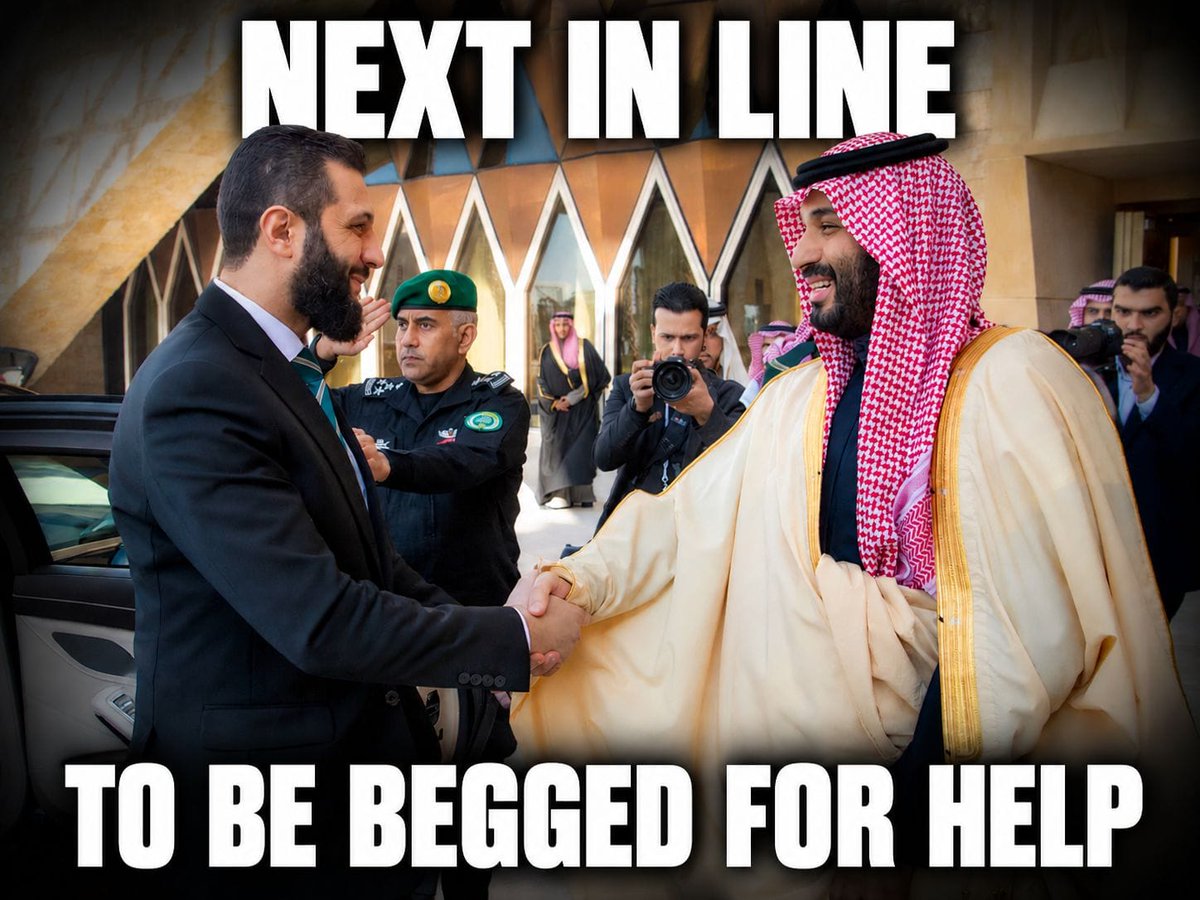
And now Mohammed bin Salman may be looking for help against the Houthis from… Ahmed al-Sharaa’s Syria.
Yes, Syria. A country that has spent more than a decade being torn apart by civil war, sanctions, economic collapse, destroyed infrastructure and competing armies.
According to Axios, Saudi Arabia and Syria are discussing the possibility of Syrian forces joining the campaign in Yemen, with a potential contribution reportedly numbering 10,000–20,000 troops. Nothing has been finalized yet.
Just appreciate the geopolitical comedy here. Riyadh entered Yemen in 2015 at the head of a powerful Arab coalition expecting to restore the internationally recognized government and roll back the Houthis. More than a decade later, the Houthis are still there. Worse, they have become considerably more capable.
Now Saudi Arabia is again supporting a major offensive after Houthi territorial advances threatened the Red Sea coast and Bab el-Mandeb.
So what does the aspiring regional superpower do? Call everybody.
Pakistan? We need help. Turkey? We need air defence, drones, intelligence and technical support. The United States? Patriots and intelligence would be appreciated.
And apparently now: “Ahmed, habibi… how many soldiers can Syria spare?”
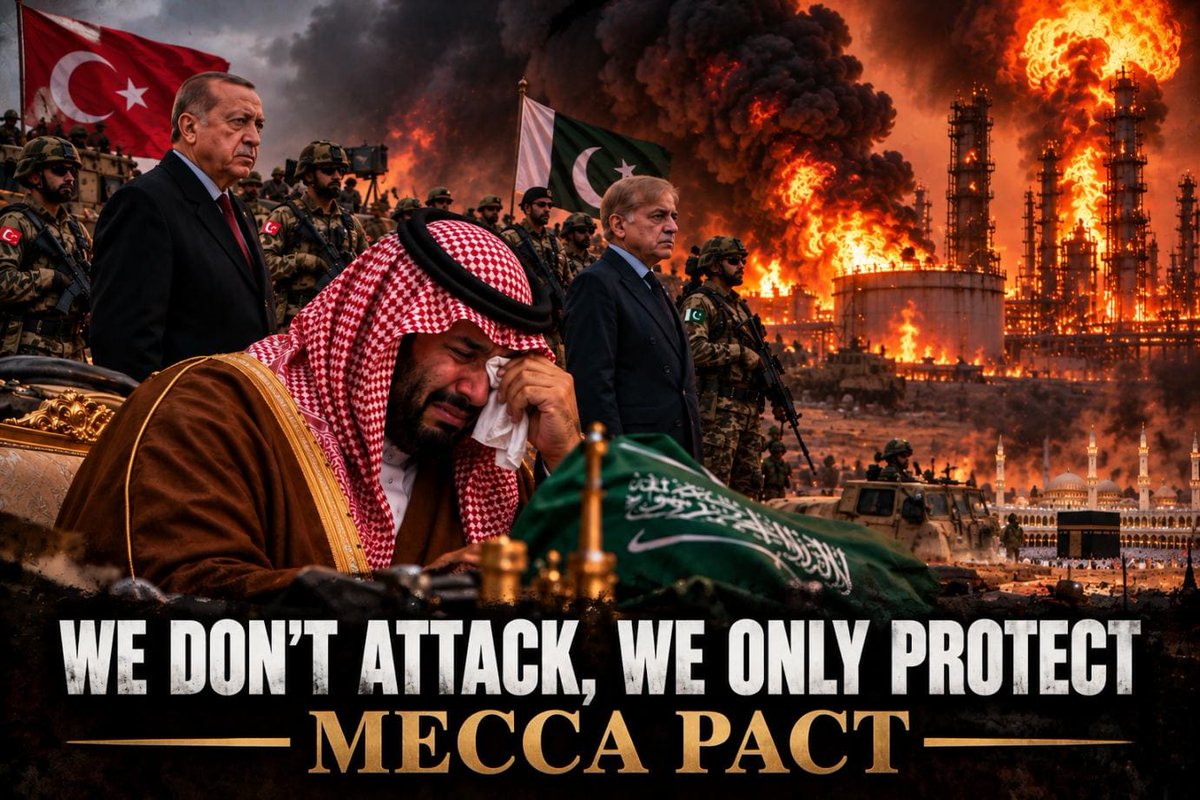
Turkey and Pakistan are already providing military assistance under the new Mecca defence arrangement, with Reuters reporting Turkish support involving air-defence capabilities, drone operators, intelligence, surveillance and logistics.
And that is what makes the Syrian angle so brutal politically. Saudi Arabia isn't asking Switzerland. It isn't asking some enormous military empire with limitless manpower. It is reportedly discussing troops with a government trying to rebuild Syria after one of the most destructive civil wars of the 21st century.
Imagine spending all those billions building the image of an Arab military heavyweight only to reach the point where the country emerging from the Syrian civil war might become your manpower reserve for Yemen.
And the opponent producing this situation? Not NATO. Not China. Not Russia. The Houthis. A movement that Saudi Arabia went to war against more than eleven years ago.
This may ultimately be the strangest measure of Saudi military power: The richer and more heavily armed the Kingdom becomes, the longer the list of countries it apparently needs to help it fight Yemen.
At this rate, MBS isn't building a coalition. He's building a group chat.
Pakistan joined. Turkey joined. America is already in the contacts. Syria may be typing…
Houthis changed the group name to: “Regional Superpower Support Group.”
Was Saudi Arabia better off before Mohammed bin Salman? On strategic restraint and the scale of its commitments, there is a strong argument that it was.
The old model had obvious weaknesses: oil dependence, limited opportunities and overdue social reforms. MBS deserves credit for opening parts of society and expanding economic activity. But those achievements do not make every megaproject a sound investment or every geopolitical ambition a sensible strategy.
His central promise was to reduce dependence on oil. Yet oil income still underwrites an expensive transformation whose financing remains vulnerable to the very market it was supposed to escape.
Reuters reported that Saudi Arabia’s estimated 2025 deficit more than doubled its original budget target, while authorities began recalibrating ambitious projects. That is a revealing gap between the promotional videos and the balance sheet.
Diversification requires investment. The criticism is about priorities: how much capital should a country commit to monumental projects before their commercial returns are demonstrated?
The same question applies to Yemen. A leader’s power should be measured by the security his decisions deliver, not the weapons he purchases or the coalitions he assembles.
Saudi Arabia before MBS needed reform. Under MBS, reform became inseparable from one man’s appetite for spectacle and regional dominance.
My argument is that the kingdom would have been better served by gradual modernization, disciplined investment and greater strategic restraint.
Vision is easy to announce. Citizens inherit the bill
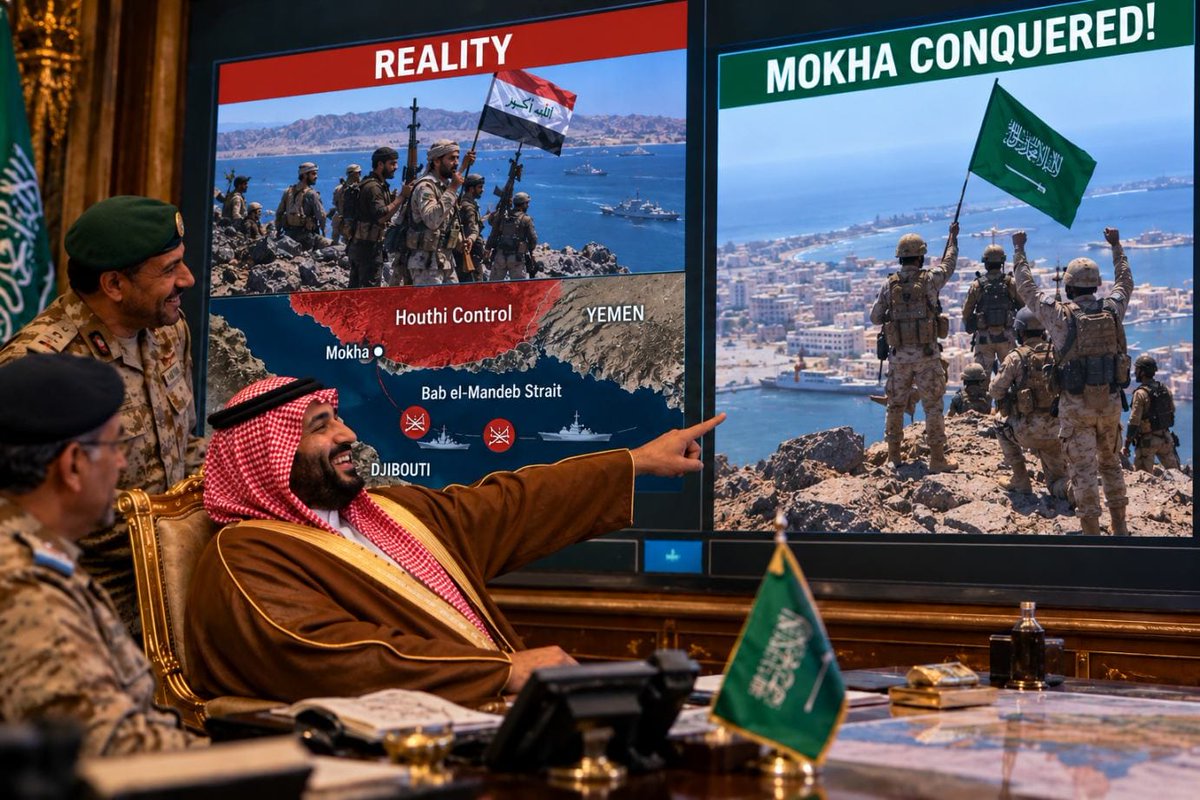
The sharpest point in this illustration is the distance between what MBS is being told and what is happening outside his door. The adviser points to Mocha and delivers a story of victory. MBS looks satisfied. Meanwhile, the Houthis are already at the palace entrance.
The Mecca Pact is facing its first real test and so far it looks a lot better on paper than it does under fire.
Erdogan’s Turkey and Shehbaz Sharif’s Pakistan have agreed to deploy forces and military capabilities to Saudi Arabia under the pact after repeated Houthi attacks on Saudi cities and economic infrastructure. But the mission is being framed around defending Saudi territory and infrastructure rather than sending Turkish and Pakistani troops into Yemen to attack the Houthis directly.
Think about that
Saudi oil infrastructure has been attacked, Riyadh has faced serious disruption from missiles and drones, and the threat to aviation and Red Sea shipping has intensified while MBS’s new military alliance mobilizes primarily to stand guard
The Houthis attack Saudi infrastructure. Saudi Arabia calls its allies. Turkey sends support. Pakistan sends support.
But neither Erdogan nor Sharif appears eager to send his soldiers across the border to fight the Houthis directly.
So what exactly is the mighty Mecca Pact supposed to demonstrate?
MBS wanted collective deterrence.
Instead the first major crisis is exposing the limits of what his partners are actually prepared to do.
We don’t attack.
We only protect.
Meanwhile Saudi Arabia is the one absorbing the attacks.
Some alliance.
Some deterrence.
Some Pact.
BIG SIX (6) Sponsorship deals 💰 2009–2018:
Arsenal — £724m
Man City — £949.94m
Spurs — £900m
Man United — £1.03bn
Liverpool — £1.10bn
Chelsea — £1.20bn
Premier League was basically like:
“Let’s leave the other clubs alone
Then they looked at City:
“Hold on… we need to investigate this one.” 😂💀
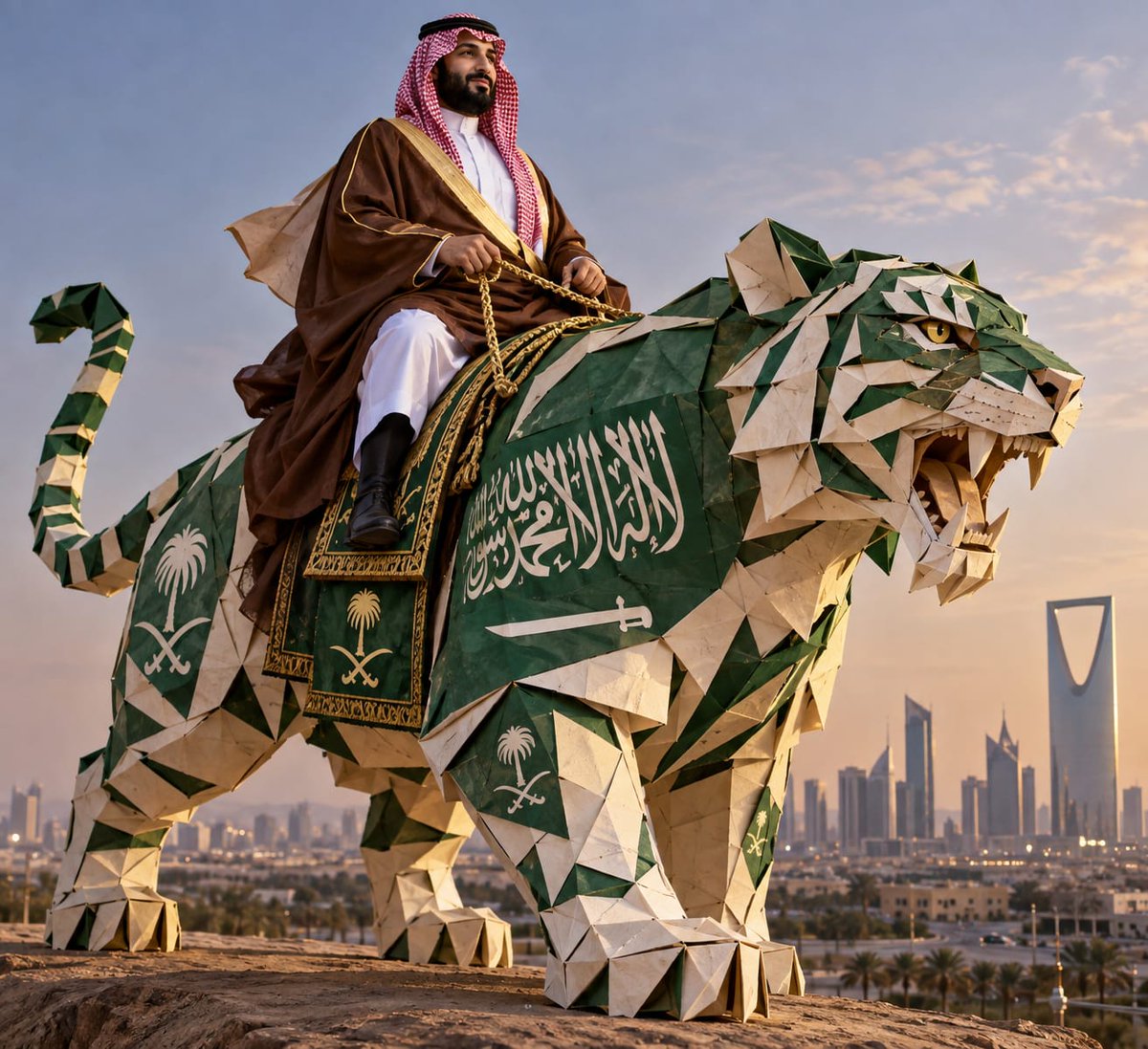
Saudi Arabia spent billions on the world’s most advanced weapons, only to get its ass kicked by the Houthis.
All that money. All that hardware. All that hype.
The biggest paper tiger in the Middle East. 🐯📄
Saudi Arabia has unimaginable wealth. MBS sells himself as a defender of Islam and Muslims.
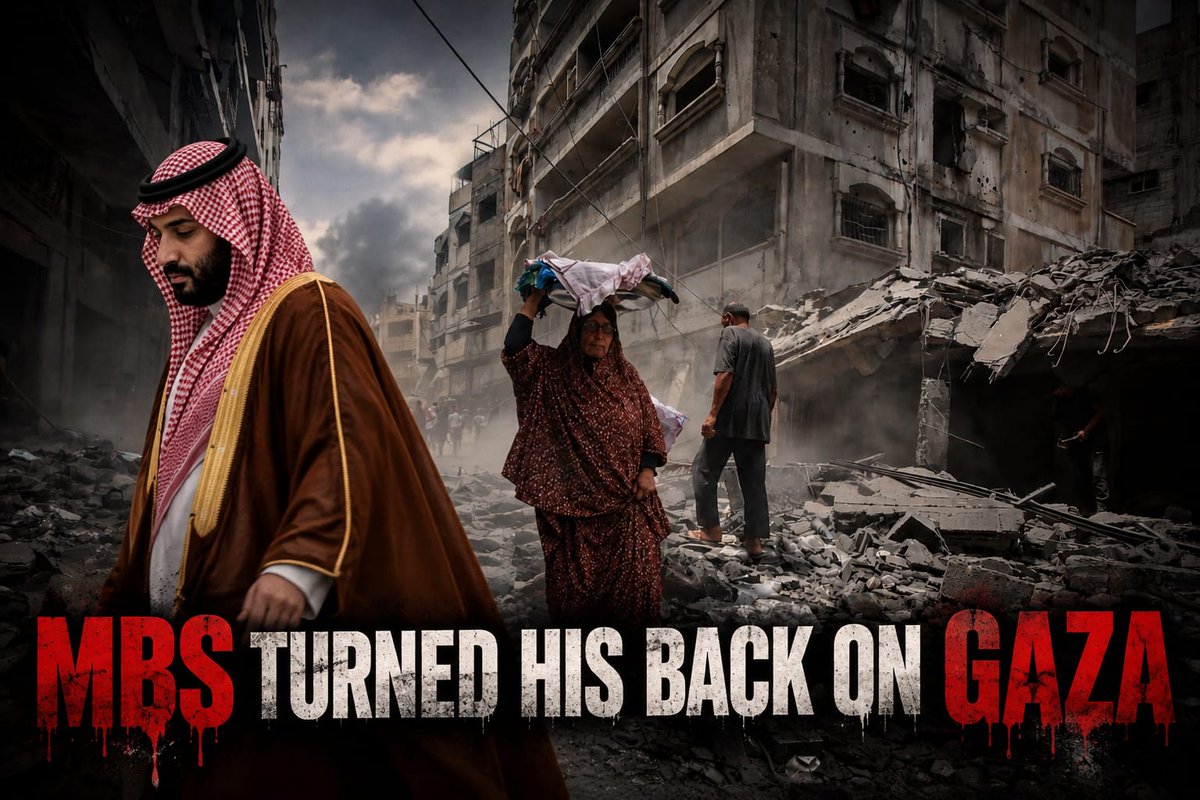
Gaza was devastated. Where was that power then?
Now MBS condemns Netanyahu in public and begs help from Israel behind closed doors.
MBS’s duplicity: condemn Israel and Netanyahu before the Shura Council, then seek Israeli help against the Houthis behind closed doors.
Saudi-IDF meetings in Germany make the contradiction even starker, given the IDF’s role in Gaza.
Oh, the irony
MBS at the podium in front of the Shura: “We will respond decisively.”
Meanwile billions spent on weapons and on proxy armies who are outshone by fighters in flip-flops.
You can buy an army. You can’t buy the outcome.
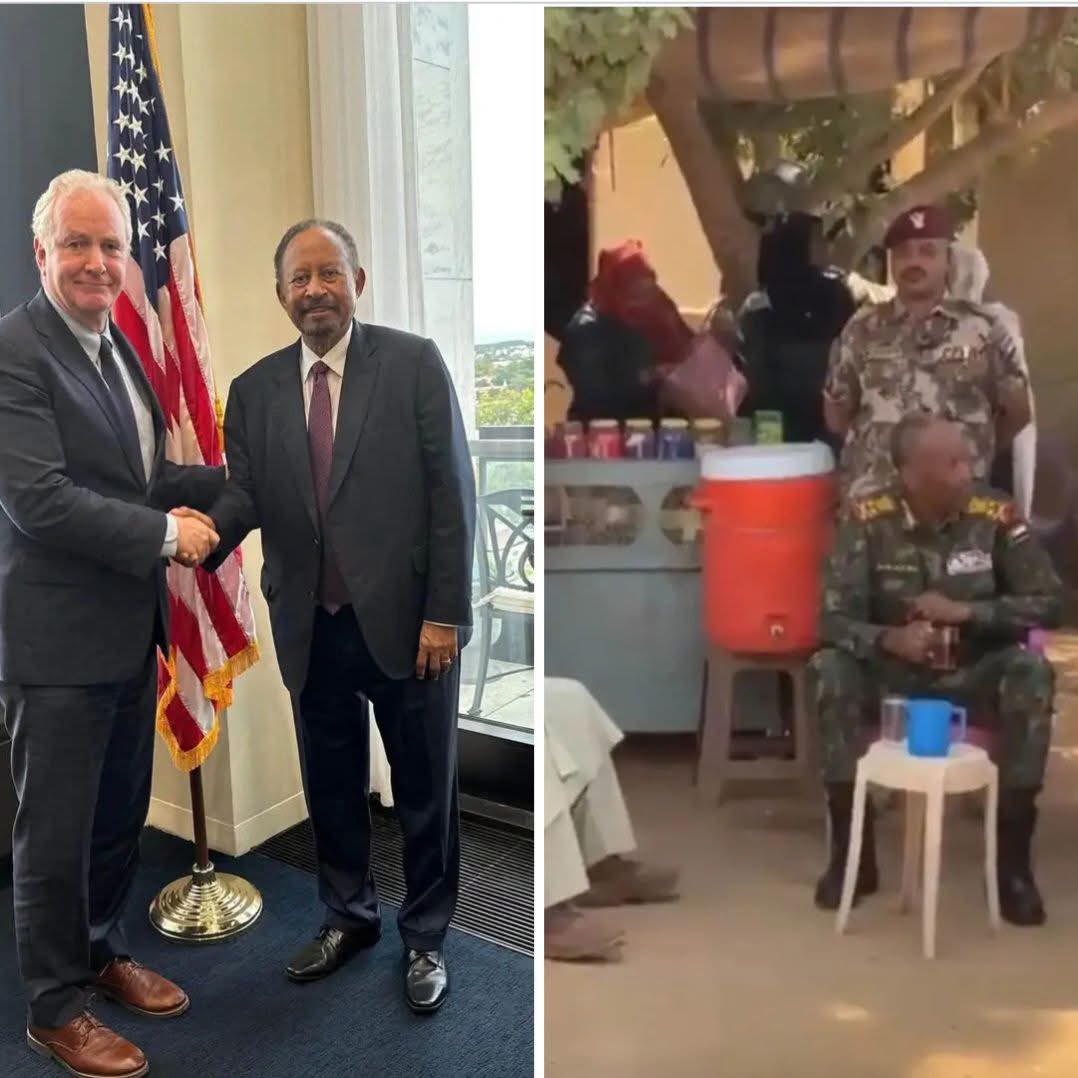
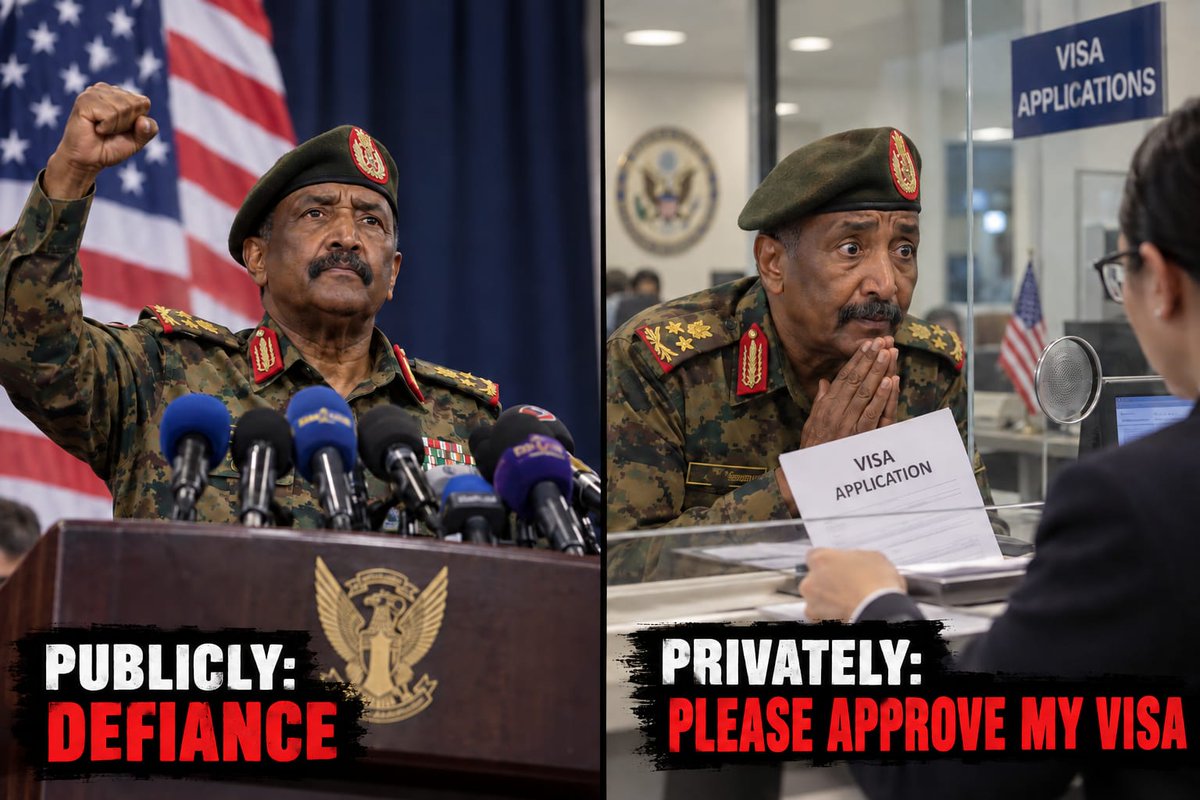
Al-Burhan’s diplomacy, in meme form:
🎤 Publicly: “We won’t bow to Washington!”
🛂 Privately: “Would bowing help my visa application?”
The fist is for the cameras. The folded hands are for the consulate. 😂
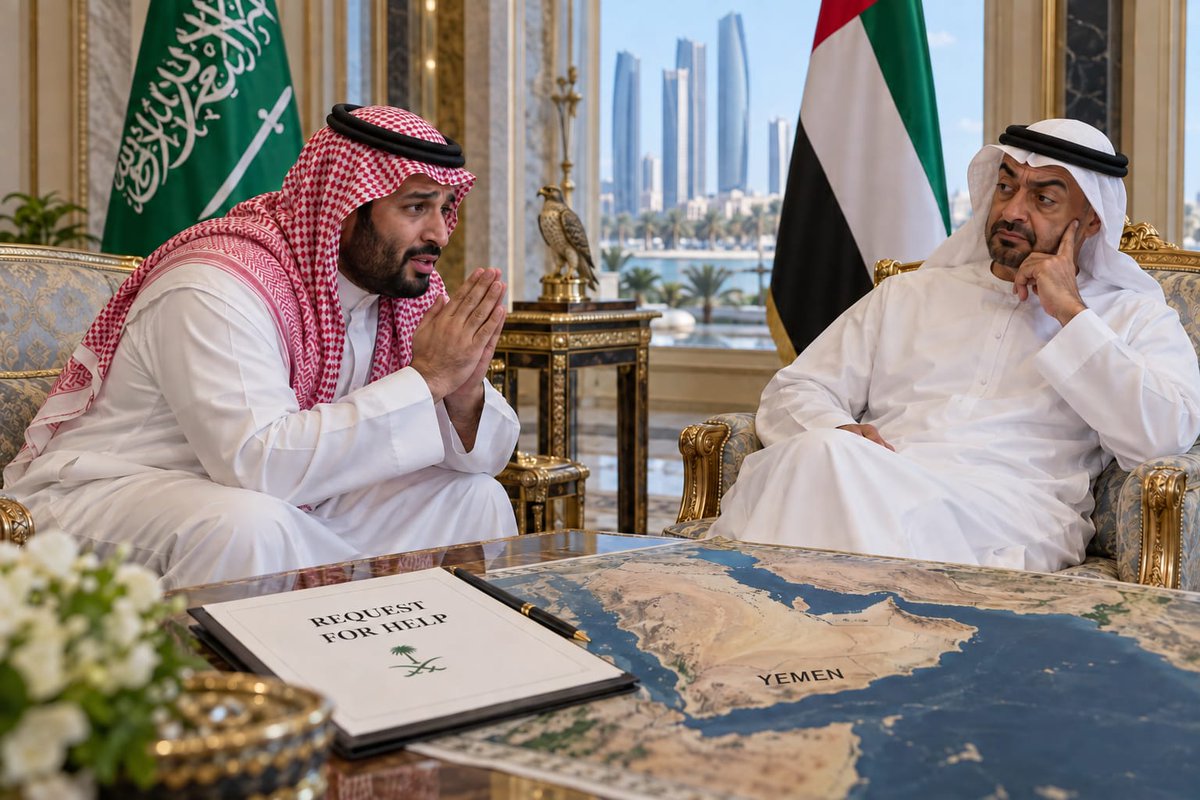
MBS betrayed the trust with MBZ by turning against UAE-backed forces in Yemen.
Renewed Houthi pressure forces MBS to seek reconciliation with Abu Dhabi, leaving him begging for help from the ally he once turned against.
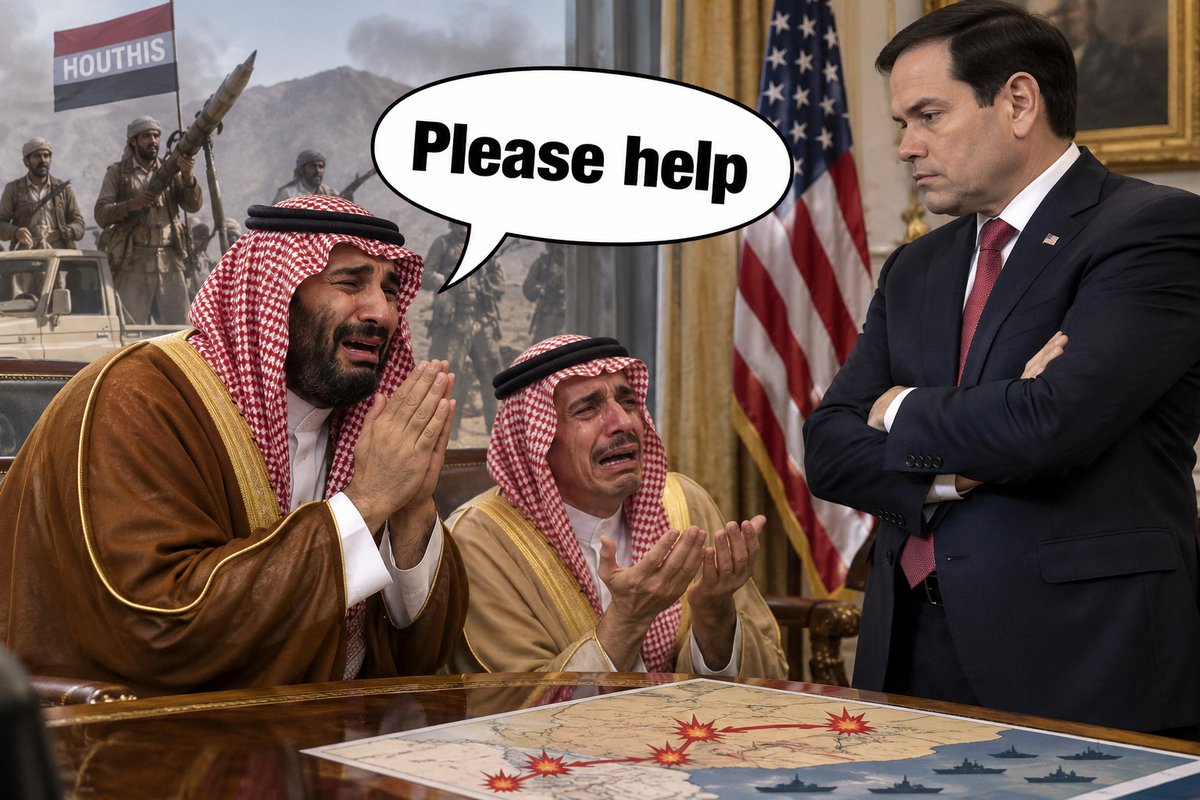
The Houthis are coming, and the Saudis are crying for help.
MBS diplomacy has gone full circle: USA → Turkey & Pakistan → Israel → Russia & China → back to the USA.
The self-proclaimed “mightiest army” in the Middle East is looking more like a paper tiger.
The walls are closing in on Abdel Fattah al-Burhan.
The U.S. has sanctioned him, and Washington has determined that members of the Sudanese Armed Forces committed war crimes.
Now he faces allegations of production and use of chemical weapons. Next stop the ICC.
The future for Abdel Fattah al-Burhan looks increasingly bleak.
His forces are responsible of war crimes, crimes against humanity and chemical-weapons use. Sudan’s victims deserve evidence, accountability and justice.