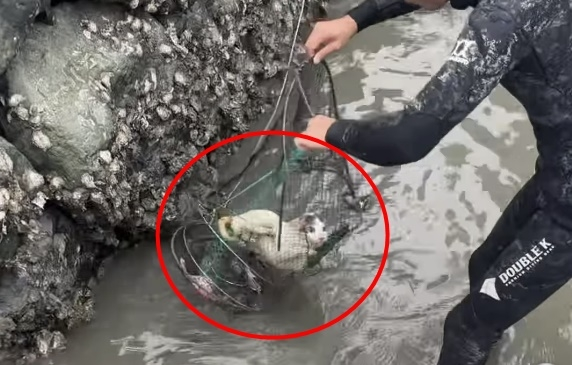
통발을 끌어올렸더니 안에 고양이가 있었음.
여수에서 30년 넘게 물질한 사람이
조업 마치고 짐 내리다 통발 안에
갇힌 고양이를 발견하게 됨.
그런데 출항하기 3시간 전엔 고양이가 없었음.
그때 밀물이 들어오는 중이라 조금만 늦었어도
고양이가 잠길 뻔 한 걸 살려준거.
그런데 그 사람이 말하길
"30년 동안 돌게 먹는 고양이는 본 적이 없다"
무슨 말이냐면 고양이가 들어간게 아니라
누가 일부러 넣은거 같다고 의심.
무튼 살아서 다행이다 갓냥이 ㅠ
이게 무슨 일인지 간단하게 정리:
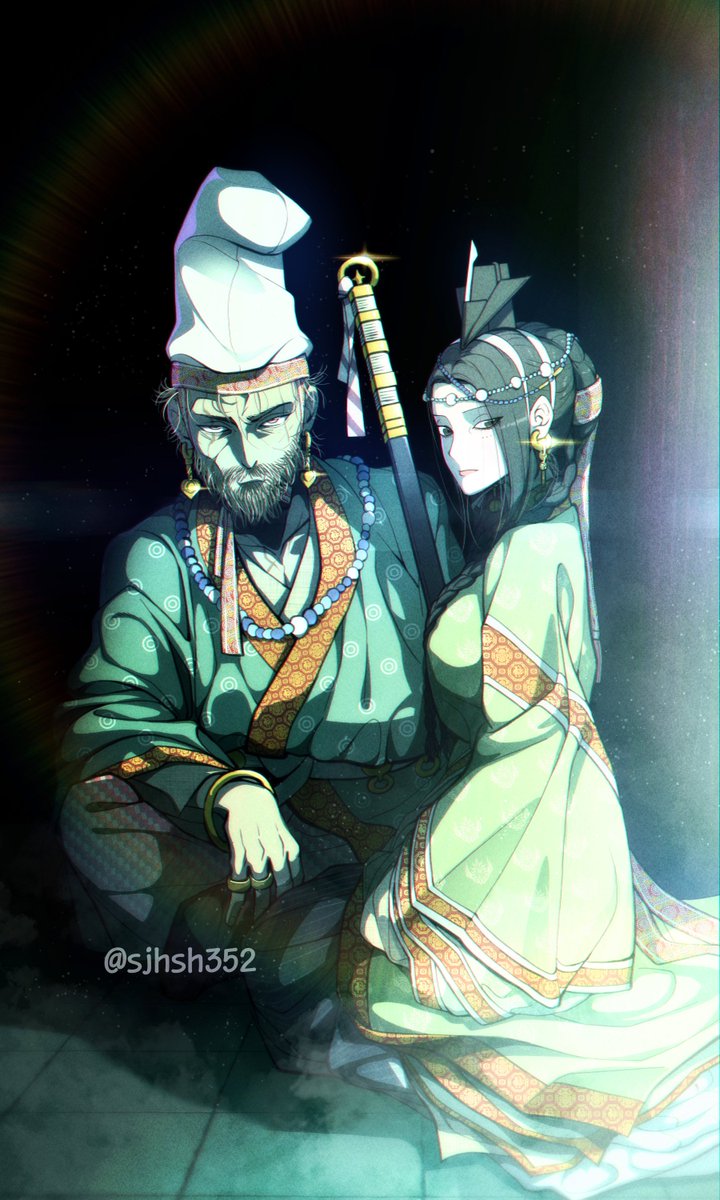
한국측의 김해 대성동 고분 연구:
"뭐지? 여기 묻힌 여자 조몬인 DNA가 많네? 일본에서 만들어진 토기도 보이고. 일본인인가?"
일본측의 나가노현 이이다시의 고분 연구:
"뭐지? 여기 묻힌 남자 골격이 도래인같은데? 갑자기 근처에서 말 사육도 시작되고. 한국인인가?"
2026년 DNA 연구:
"그 둘이 6~7촌의 친척임"
한국&일본: ????
모든아미들아 퍼가주세요
저질스럽게 지랄하는것들이 있으면
저는 역사적 팩트로만 깝니다
보태는거 하나없이
If you want to understand what the Park Chung-hee dictatorship actually did to people, look at the Inhyeokdang case.
The Inhyeokdang case was not some abstract political controversy from the past. It was a case in which the South Korean state, under President Park Chung-hee, used the machinery of an authoritarian government against people it accused of being communists and anti-state enemies.
And the consequences were literally life and death.
In 1974, the Park government and the Korean Central Intelligence Agency (KCIA) announced that they had uncovered a so-called “People’s Revolutionary Party” and accused people associated with it of working with North Korea and manipulating student protests against the government.
The charges were extraordinarily serious: the defendants were portrayed as part of an underground revolutionary organization supposedly attempting to overthrow the South Korean government.
But there was a fundamental problem.
The investigation itself was deeply compromised.
The Truth and Reconciliation Commission later confirmed that the original Inhyeokdang investigation involved human-rights violations and fabrication by the KCIA. It also found illegal detention and other abuses during the investigation.
This was happening under a government that had already established a political system in which dissent could be treated as a threat to national security.
Then came the trial.
Eight people were sentenced to death.
On April 8, 1975, the Supreme Court confirmed the death sentences.
And then, unbelievably, the executions were carried out the very next morning.
April 9, 1975.
Eight people were hanged.
Eight human beings.
The executions happened so quickly that the condemned men were denied the ordinary opportunity to seek clemency or pursue a retrial. Amnesty International documented that the proceedings had been conducted in camera, that the defendants had not been given adequate rights of defence, and that its own investigation concluded that the political charges appeared to have been fabricated.
Think about that for a moment.
A government accused people of being part of a communist revolutionary organization.
A state intelligence agency investigated them.
They were convicted in a highly controversial political trial.
The highest court confirmed the death sentences.
And the following morning, eight people were executed.
This was not merely “being tough on communism.”
This was the use of state power against human beings accused of political crimes, followed by executions that later became the subject of retrials and official investigations.
And history did not stop with those executions.
Decades later, South Korean courts reopened parts of the case.
The original convictions did not simply remain accepted as historical truth.
The courts ultimately overturned them in retrials and established that the people who had been branded as criminals decades earlier had been wrongly convicted.
The Supreme Court itself records that the retrial of the first Inhyeokdang case ended in a final acquittal in 2015.
The point is not that every person accused by an authoritarian government must automatically be innocent.
The point is that when the state controls intelligence agencies, suppresses dissent, uses anti-communist laws against political opponents, and conducts trials under conditions where basic defence rights are compromised, “the government said they were communists” is not the same thing as proof that they were.
And in the Inhyeokdang case, later investigations and retrials exposed exactly why that distinction matters.
The Truth and Reconciliation Commission found evidence of KCIA fabrication and illegal detention in the first Inhyeokdang case and recommended measures to restore the victims’ and their families’ honor.
hon
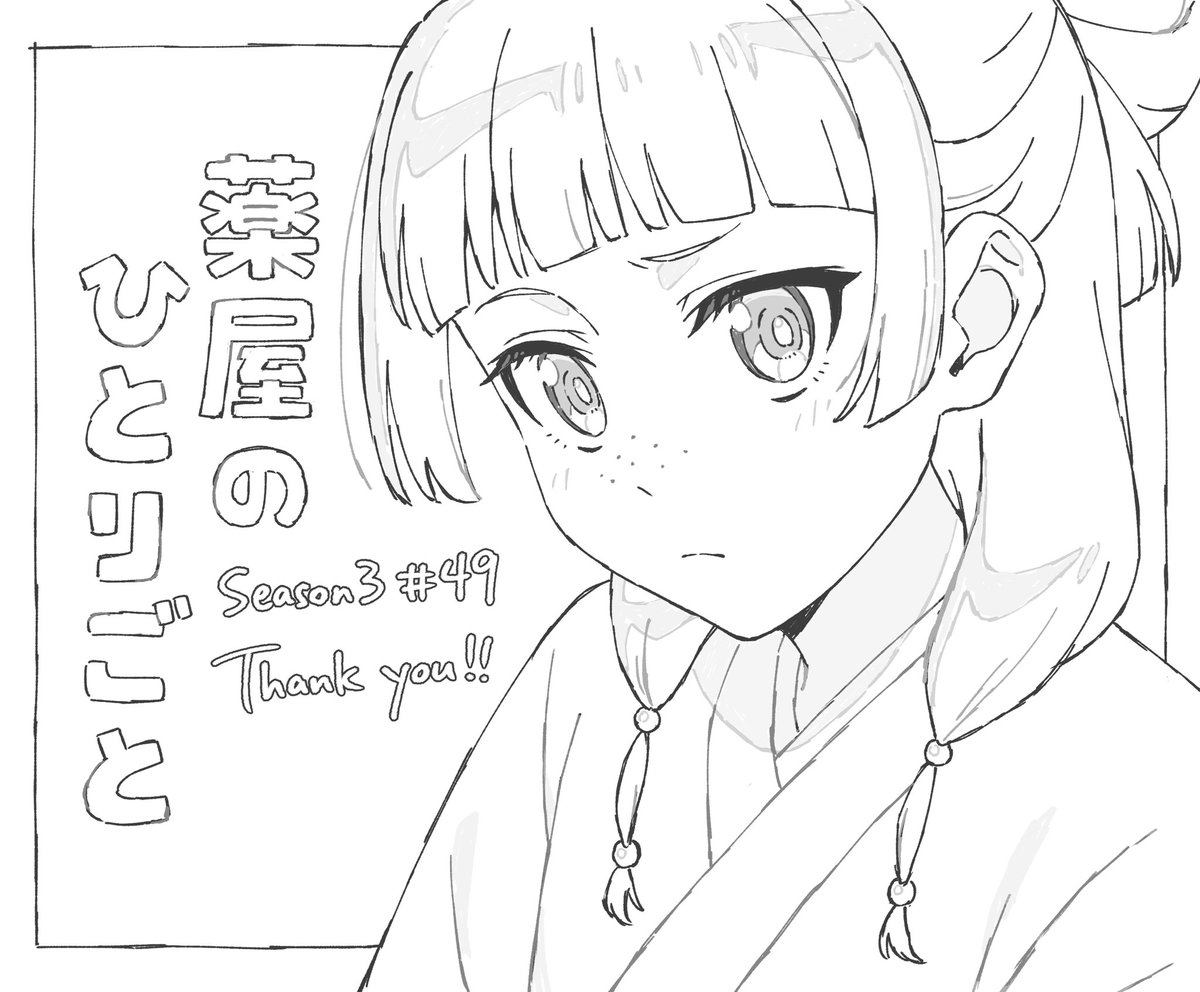
薬屋のひとりごと第3期 49話
LO原画で参加させていただきました!
制作の伊藤さん、スタッフの皆さん、本当にありがとうございました!!
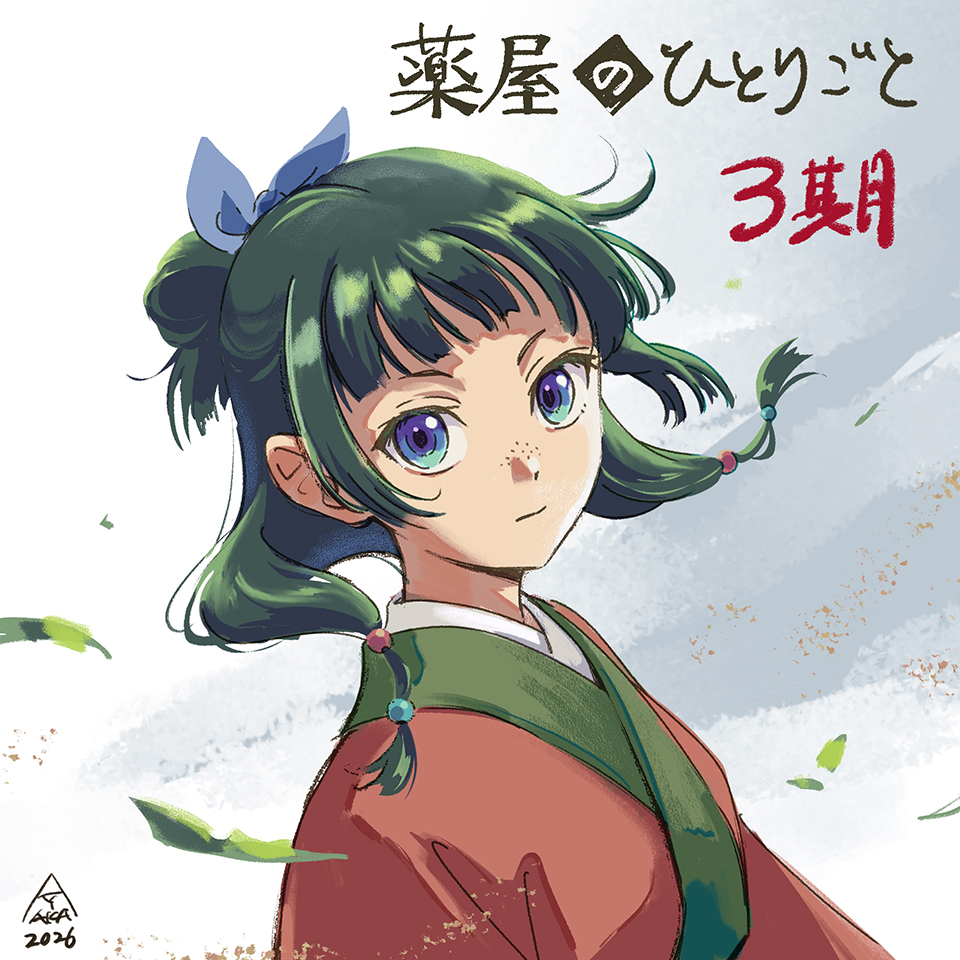
i participated on the apothecary diaries s3ep1 with LO/genga!
thank you so much to itou-san and the staff!!
#薬屋のひとりごと#theapothecarydiaries