... just over four years ago, it took me weeks to complete a 2-qubit VQE with only 6 parameters. Today, I’m working with quantum samples from circuits containing thousands of gates.
This makes me feel old but also optimistic about the future of these machines 🤓
📢📰 I am more than happy to share my latest pre-print
https://t.co/arPtHk1Yiw ,
result of the work I have done during my summer internship at @IBMResearch , together with the amazing @JRobledoMoreno and @MMotta314 ⚛️🖥️
Finally, I had the amazing opportunity to work directly with device data, these are true experiments, not simulations! I was amazed to see how much the quantum hardware improved in these years...
It might be easy to develop a variational (quantum) algorithm. The art is developing an algorithm that works and improves on previous results.
I find these QIP-minded discussions very hard to digest and completely disconnected from real-world problems in computational science.
Variational methods are the most accurate
(and oldest) existing approaches to solving actual quantum many-body problems. The idea that since they are easy to understand and replicate, then people should not work on them is just crazy from a computational physics/chemistry perspective.
Should we all work on QPE from now on because it's a more elaborate quantum algorithm?
But then, who will provide an initial ansatz for QPE if we cannot use variational methods? Please, somebody tell me!
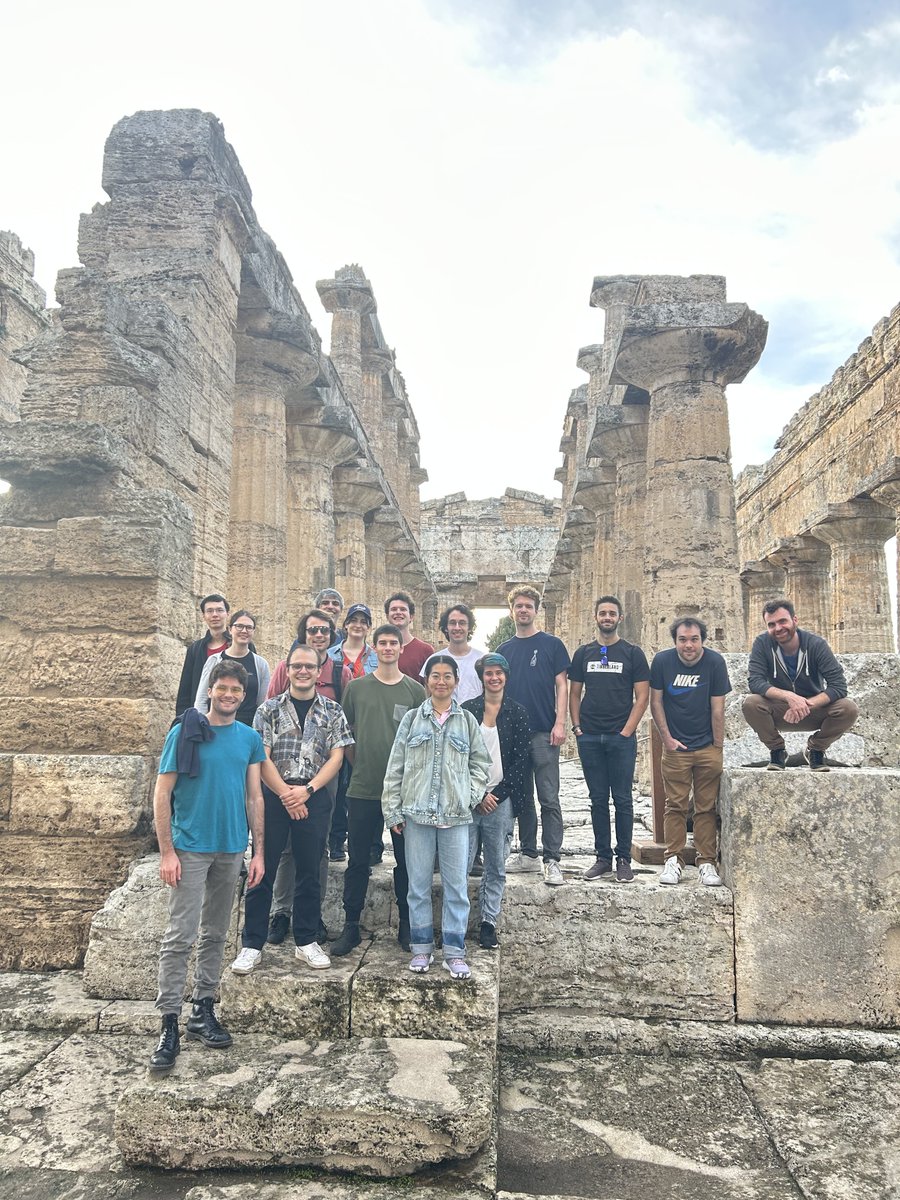
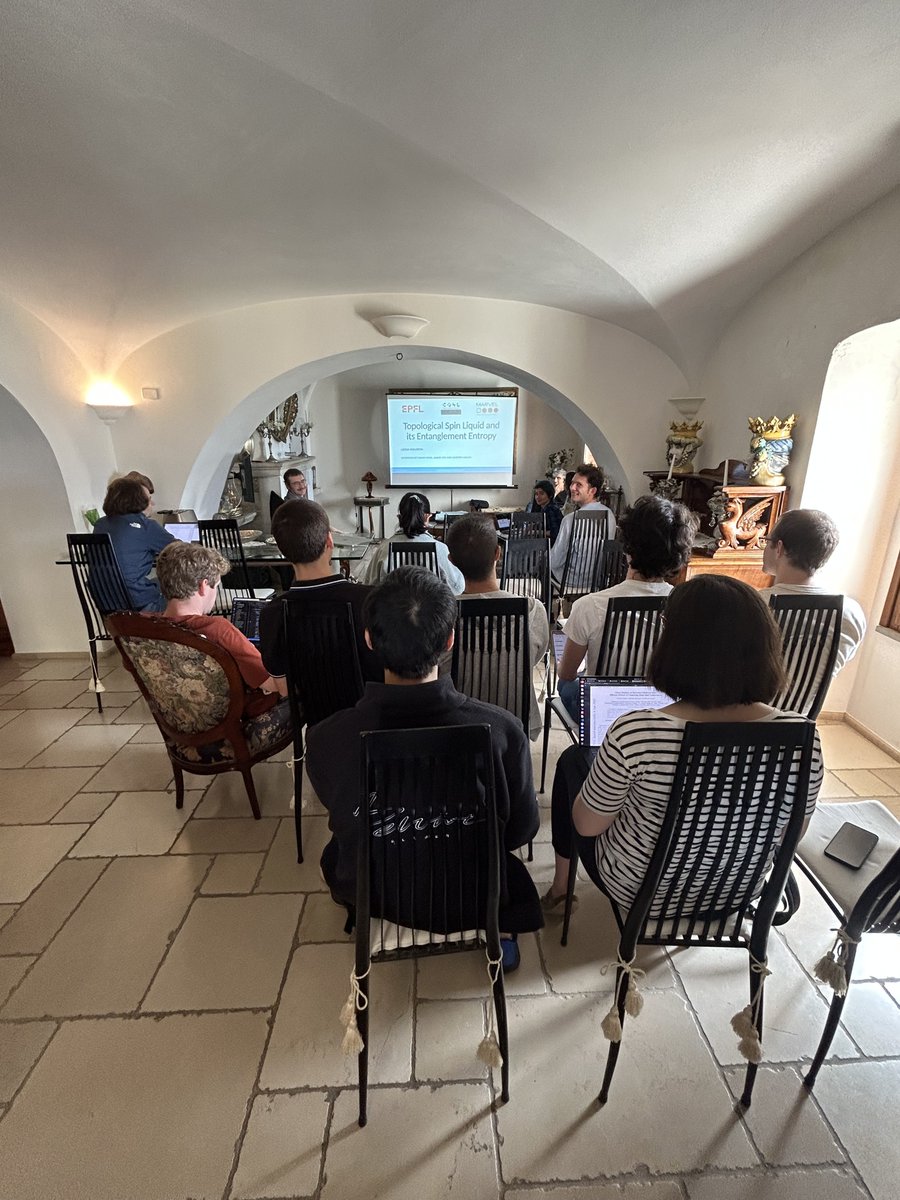
We had a very productive @cqs_lab group retreat last week, enjoying the beauty of southern Italy (Greek temples, pizzas, and buffaloes included) and discussing quantum physics, @NetKetOrg and more!
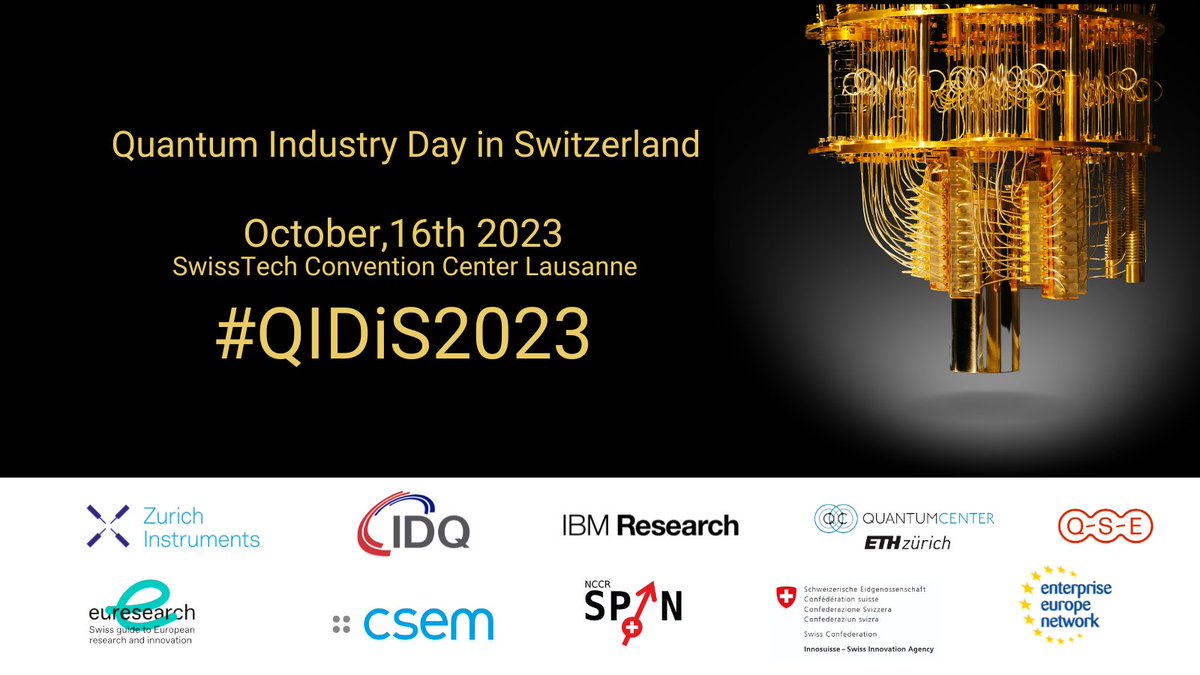
One week until #QIDiS 2023!
We’re looking forward to meeting you and discussing the latest developments in #QuantumTechnologies! Check out the agenda to plan your day and meet #quantum community: https://t.co/kSTxgsWuqn
🕵️Finally, if you are curious about other projects I have done @cqs_lab , let me redirect you to this very handy website:
https://t.co/CernKsdg6T
I swear I'll try to keep it up to date!🤞
Fin/
📰There's a lot more to find out in the paper!
As an example you may be wondering: how do we measure observables? And gradients?
🧑💻You can also find the code (we used @NetKetOrg together with @PennyLaneAI ) and some example notebooks on Github:
https://t.co/EFHGH1mRLs
7/