The difference in opportunity cost between a cover crop that will just control erosion - a great benefit - and one that will improve soil health is large. It takes a lot of extra biomass to improve soil health. We'd be better off promoting lower biomass cover crops to control erosion and forget about changing soil health with them.
https://t.co/7Jm7oTA6oW
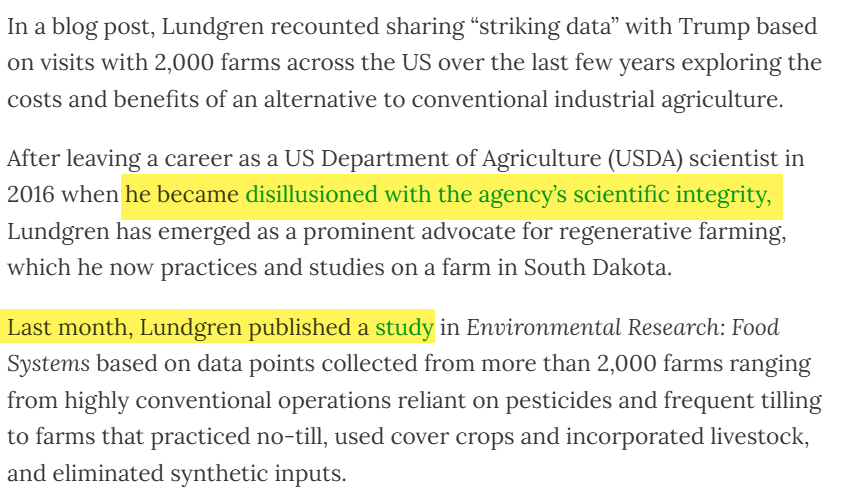
After reviewing the study mentioned here, I am disillusioned with the study's scientific integrity.
One example: In their scoring system, an organic farm with bare soil gets a 4, which makes it regenerative, just because it doesn't use synthetic fertilizers or pesticides. 🙄
What does the next generation of agriculture need to lead well?
In this episode of Boots Off Log On!, David Cornish from Marcus Oldham College @marcusoldham1 shares why people skills, communication and accountability are becoming just as important as technical knowledge in farm business leadership.
We also explore how current leaders can give the next generation the space to step up, learn and take responsibility.
🎧 Listen now
https://t.co/FXtYnCxdKW
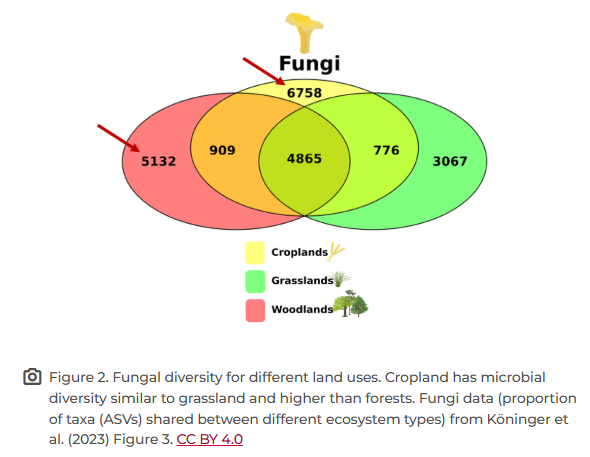
Two large European surveys found croplands have higher microbial diversity than forests, similar to grasslands. If diversity alone drove soil function, cropland soil would outperform forest soil. It doesn't. So diversity was never the cause.
Soil tests to measure it.
Cover crop mixtures to enhance it.
Products to spray it on.
Chasing soil microbial diversity rests on an assumption that turns out to be wrong: cropland soil isn't diversity-depleted.
My latest Perspectives piece: https://t.co/RQOUkx55ao
This is such hogwash.
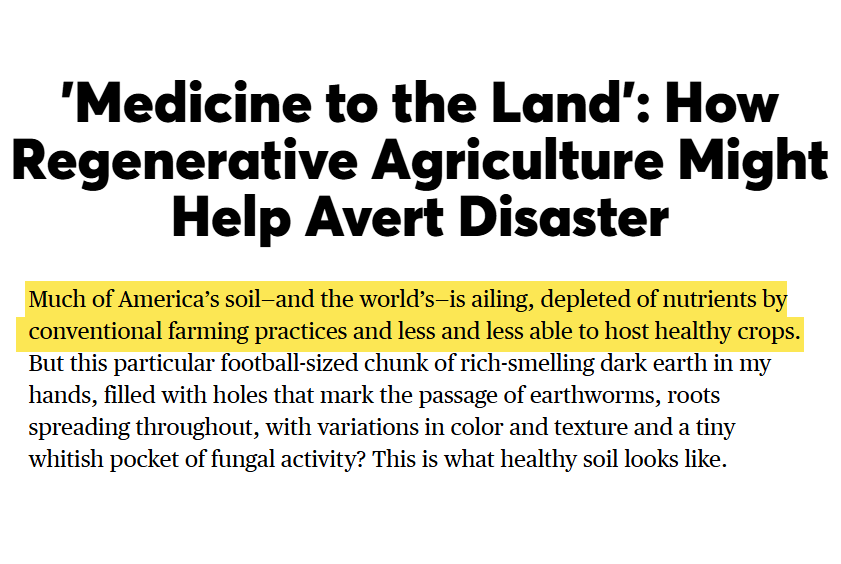
If soils were depleted of nutrients, yields would be falling. They aren't. I am not sure where this commonly-held idea comes from but my guess is that it's from regenerative ag's pop ecology notion that soils should be able to supply all the nutrients crops need without fertilizer inputs.
No wonder the public thinks badly of ag; they are fed these lies from sources that should be trustworthy but aren't.
"Cover crop composition, NOT diversity, was the strongest driver of changes to, and legacy effects on, soil microbial communities, agroecosystem multifunctionality and wheat yield."
This is consistent across studies.
Open access. https://t.co/U9sUJvuLqb
Montgomery with new book; the geomorphologist takes on farm policy.
Regenerative ag, "properly understood," is guided by "minimizing or avoiding both physical and chemical disturbance." Sounds like he wants organic no-till but then calls it conservation ag, which uses herbicides, and brings in "ancient wisdom."
And then he claims that glyphosate degrades soil health, and loses me.
https://t.co/HpKFQvC3Mb
From a recent paper: "There is now overwhelming evidence for the destructive effects of the industrial model of agriculture on Earth’s life-support systems."
What we all need to recognize is that ALL models of crop production that will actually feed us have these destructive effects - it's how crops are grown.
The worst thing about agriculture is its use of land. Whether conventional, no-till, organic, or agroecological-regenerative, the biodiversity lost from initially clearing land for crops far outweighs any differences in farming systems.
And what is a measure of land use efficiency? Yield. High yield=high land use efficiency for cropping.
Since 2016, California’s Healthy Soils Program has spent $162 million to improve soil health and sequester carbon.
7 field trials of the program's impacts: "short-term impacts on soil health were limited."
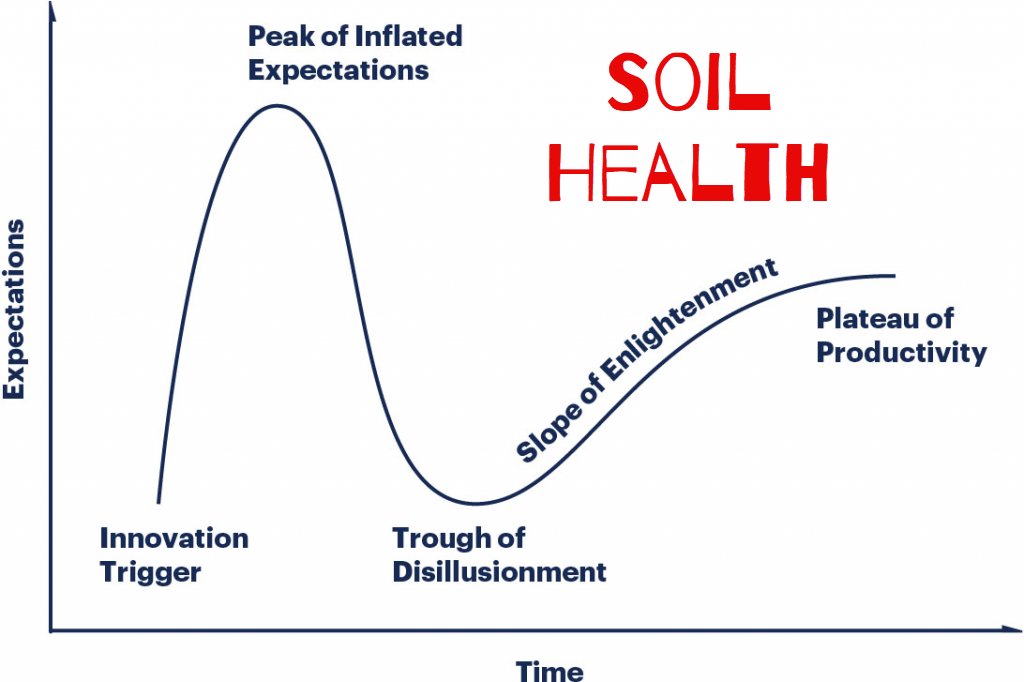
Are we in the Trough of Disillusionment?
https://t.co/PueN9N57k5
This amazing…
If only productivity of the whole economy grew as fast as agriculture!
Mining is surprisingly poor…
But the productivity of the public service is a national disgrace …
They need to do better so we’re all better off….