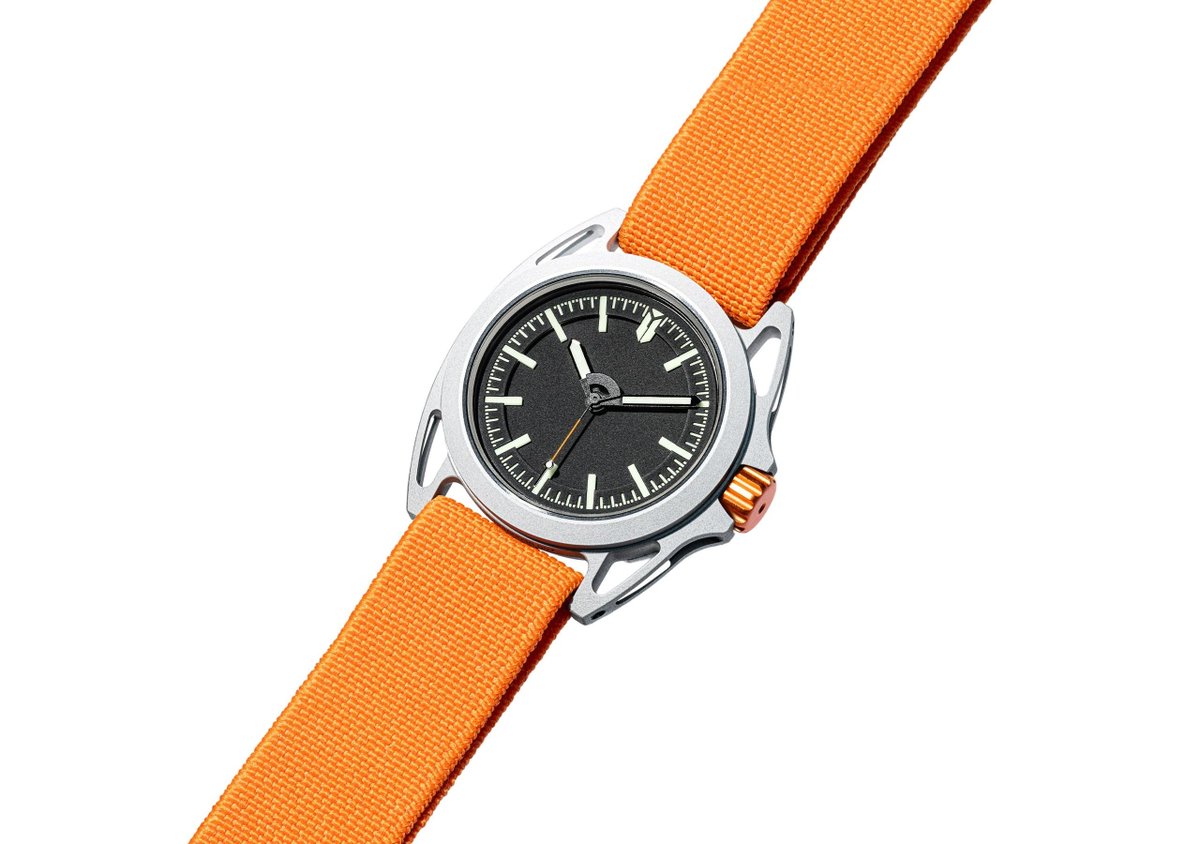
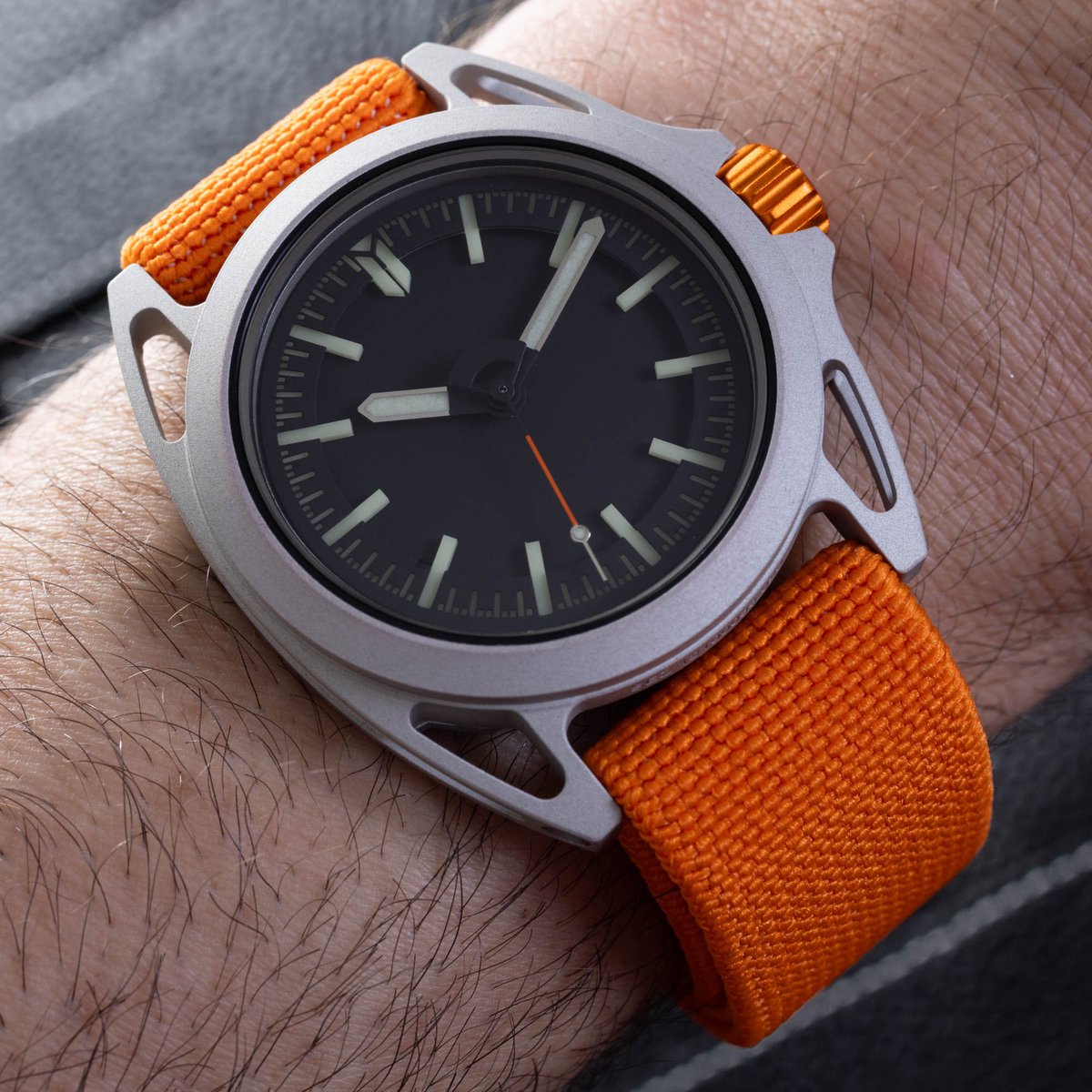
After six years in development, Monolith is here. A flight-rated mechanical tool watch, purpose-built for crewed deep-space missions, built in accordance with ISO aerospace standards, NASA material guidance, and EVA/IVA testing protocols.
https://t.co/owkY7J9I1G
Ever wondered what would happen if you put a Monolith into an industrial X-ray CT scanner?
Thanks to our imaging partner @lumafield, now you know.
As part of Monolith’s final-stage hardware design validation, we scanned a fully assembled pre-production unit using Lumafield’s Neptune P180 industrial X-ray CT scanner.
Why would we do this? In manufacturing, individual components can each be within tolerance and still behave differently once the system is closed and under load. The only way to know how each component interacts with one another is to analyse the complete assembled system. However, that's challenging when your eyes can't see through metal.
CT lets us inspect a fully assembled Monolith without taking it apart, including areas we've never physically been able to see after assembly. From a single scan, we can understand how the chassis, movement, dial, hands, crystal and caseback actually stack together once the entire system has been assembled and compressed. It also allows us to check for any manufacturing issues, and measure final internal geometry against the CAD model.
CAD tells you where everything should be. CT tells you where everything actually ended up.
Over to you.
What would you like to ask us about Barrelhand, Monolith, engineering or life beyond Earth?
Shoot us an email on [email protected] or reply with a question or thought by Friday, 2 October. We’ll discuss a selection in our next Space Lounge.
- Its time.
Karel & Michael
https://t.co/ygIA5ykrCr
In space hardware, mass is never cosmetic. 🛸
Reusable launch systems have changed the economics of access to orbit, but mass, integration complexity, and logistics remain fundamental design constraints - especially as operations extend from low Earth orbit toward the lunar surface and longer-duration human activity.
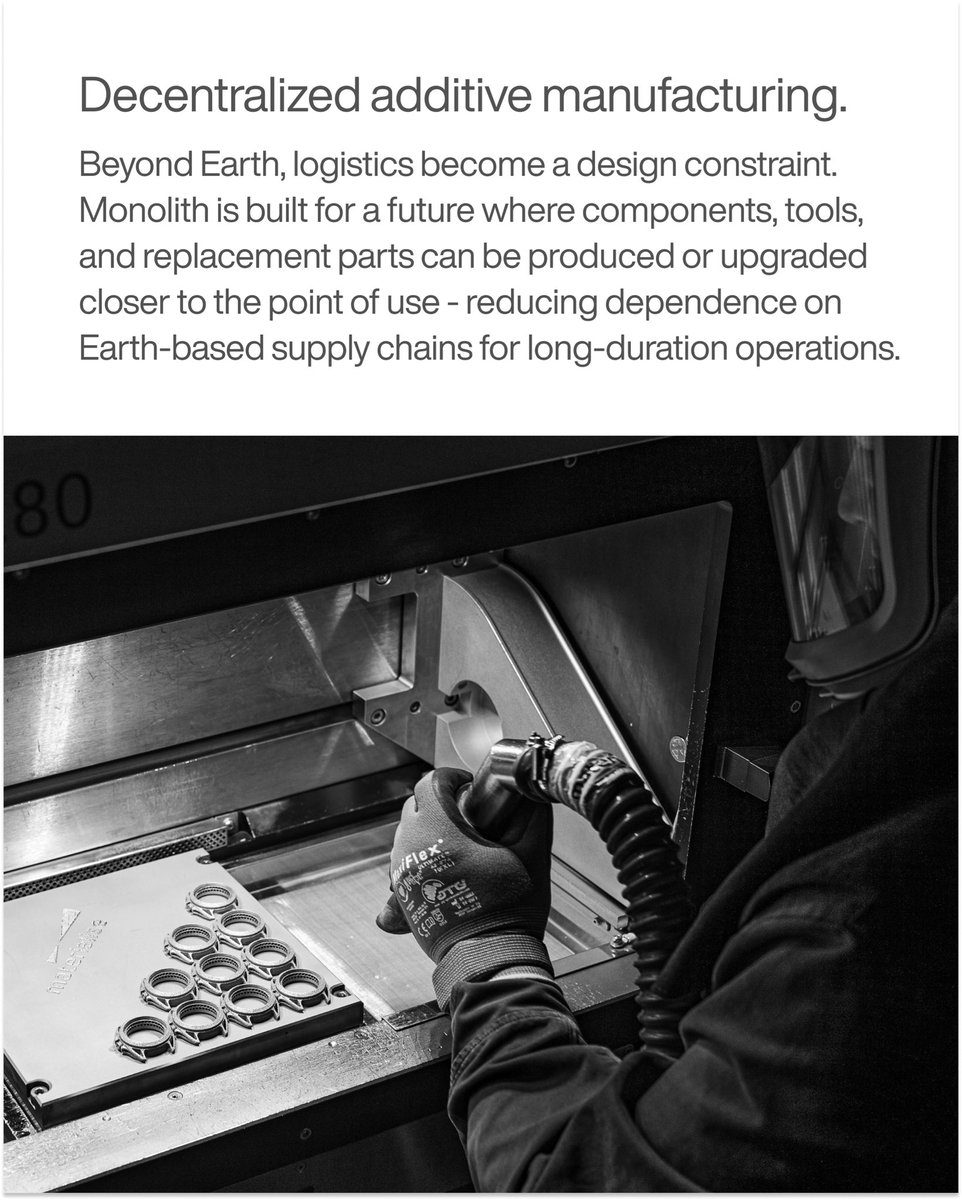
Throughout Monolith’s development, we iterated toward an ultra-lightweight architecture, using additive manufacturing as a structural, thermal, and production method.
The chassis is 3D-printed in Scalmalloy®️, an aluminum-magnesium-scandium alloy developed by APWORKS Additive Manufacturing. Used across aerospace applications, Scalmalloy can exceed the yield strength of commercially pure titanium at nearly half the density.
Skeletonized lugs, internal lattice structures, and the Aircore architecture bring the chassis down to just 6.4 grams - more than 40% below an equivalent solid architecture - while preserving structural performance and providing more than 10× the thermal insulation around the M1 Engine compared with an equivalent steel case.
We developed and produced the chassis with @MaterialiseNV using metal laser powder bed fusion, commonly known as DMLS. This process family is used across aerospace applications because it enables mass reduction, part consolidation, and internal geometries beyond conventional machining.
The logic extends beyond the case. As humans live and work farther from Earth, logistics become part of the engineering problem: hardware must be lighter, more serviceable, upgradable, and compatible with future distributed or in-situ production models.
That is the core logic behind Monolith: when you start from first principles and let spaceflight requirements define the system, mass, thermal behavior, serviceability, manufacturability, and logistics stop being separate constraints - they become the architecture.
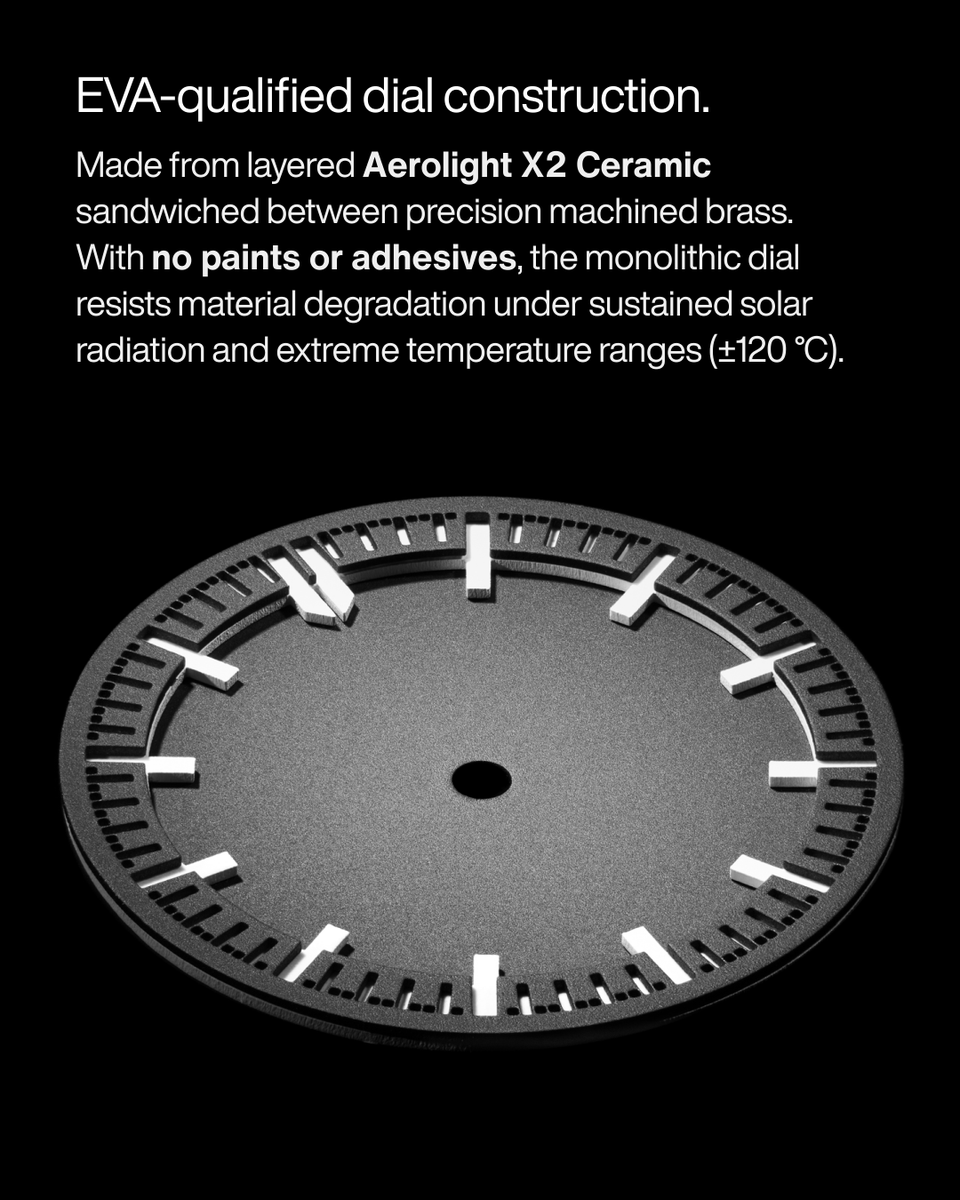
Monolith’s dial uses a solid luminous ceramic architecture built around Swiss Super-Luminova Aerolight X2 Ceramic. Developed for EVA/IVA-use and validated across Monolith’s operating temperature range in vacuum (-120°C to +120°C), the system was designed around long-term readability under extreme environmental exposure.
The increased luminous material volume enables approximately 4× higher brightness than silk-screen-printed C3-X1 grade after one hour at equivalent surface area, while eliminating paint and adhesive layers that may become environmental failure points.
Learn more about Monolith: https://t.co/kYdkO4XKKU
Monolith’s Memory Disc module carries modern-day hieroglyphs into the cosmos, preserving essential human artifacts for future generations and civilizations to uncover. Serving as both a cultural archive and a psychological anchor, it provides a symbolic link to our shared existence.
The Memory Disc is built with NanoFiche technology, which redefines permanent data storage. Crafted from raw nickel and engraved with nanoscale precision of 420x the width of human hair, it withstands cosmic extremes like radiation, magnetic fields, and intense heat. Fully accessible via optical magnification, this module can preserve information for millions of years.
Two Memory Discs are already embedded on the lunar surface. Three more are scheduled for integration across two international lunar missions by 2028.
@jasonfried One of the most difficult objects we’ve ever photographed. A single grain of dust can cover an entire painting or language on the disc.
This particular shot alone required a custom focus stack of more than 200 shots on a Leica M Monochrom…
Unfortunately, there are indeed not too many in the wild just yet - we’re building Barrelhand fully organically and self-funded. More than six years of development went into getting us here, so we’re still building this one step at a time.
If you’re in the Bay Area or in Berlin, just shoot us an email and we can usually arrange a hands-on, including a look at some of the more exotic prototypes - featuring bulletproof glass or “transparent aluminum” ;)
The best watchmaker is no watchmaker. We chose Sellita as our first engine because proven, serviceable and replaceable hardware matters more than proprietary complexity in a mission-critical context. Downtime matters - where servicing an industry-standard tool watch can currently mean months off the wrist, we want to reduce that to days.
That modular thinking extends across the entire build. As the platform evolves, individual sub-systems should be upgraded, simplified, consolidated and adapted - including reducing total part count through compliant part consolidation - allowing hardware to keep evolving rather than turning into another fixed artifact of its generation.
Monolith is our first step, and a platform for bringing different industries and perspectives together. We see a growing opportunity to question established categories against the requirements of a new space age, and to create entirely new products. Especially exciting is the intersection between space, advanced fabrication, and culture. @jasonfried, stoked to have you on board. 🛸🌌
There are few watches I'm more excited about adding to my collection than the Barrelhand Monolith. I just love everything about it. The extreme tech, the story, the people behind it. The next batch delivers in Q4 this year. Hurry!
https://t.co/LzkOzCq3tO
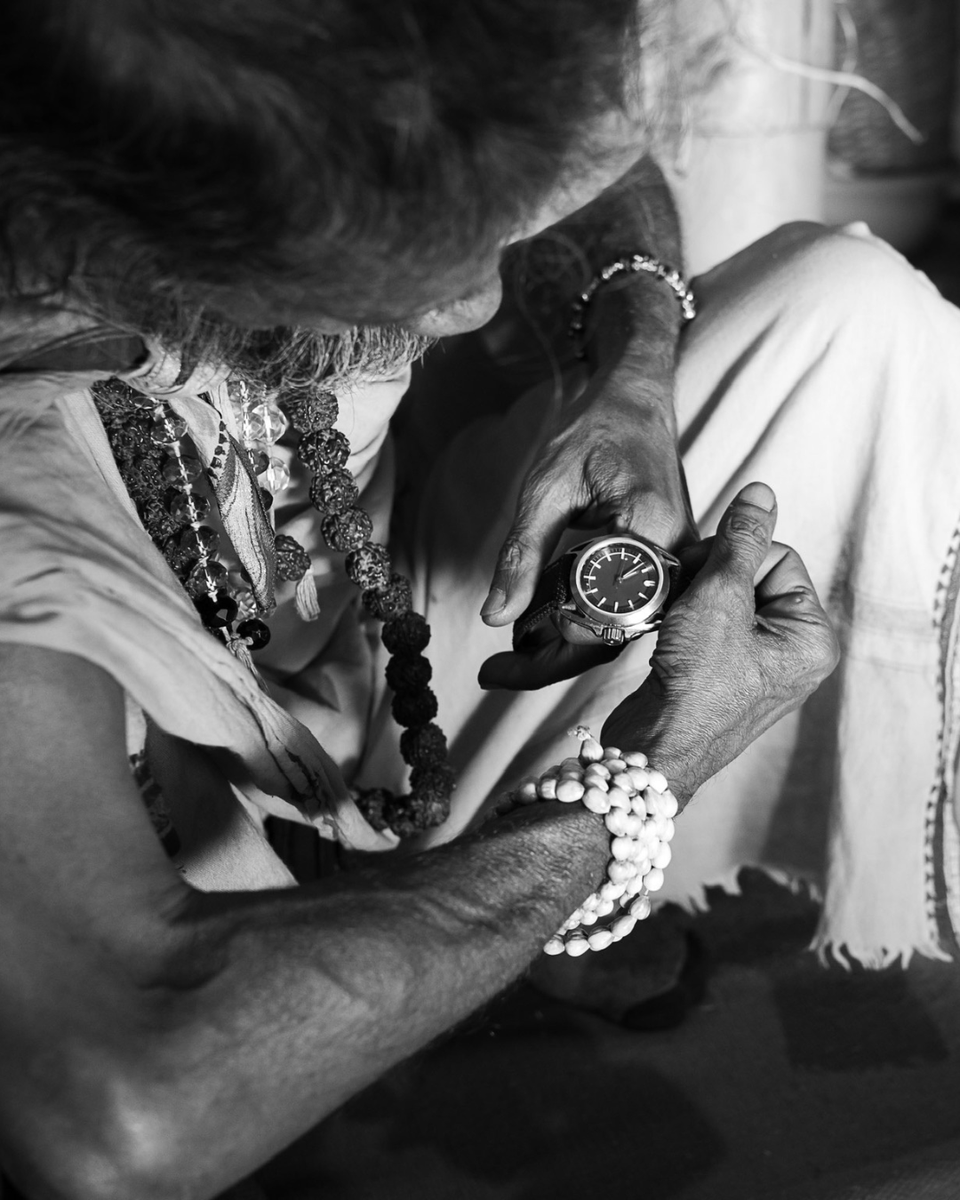
@prakharxsingh Monolith has harnessed many energies over its 6 year development journey - bridging technical and spiritual realms.
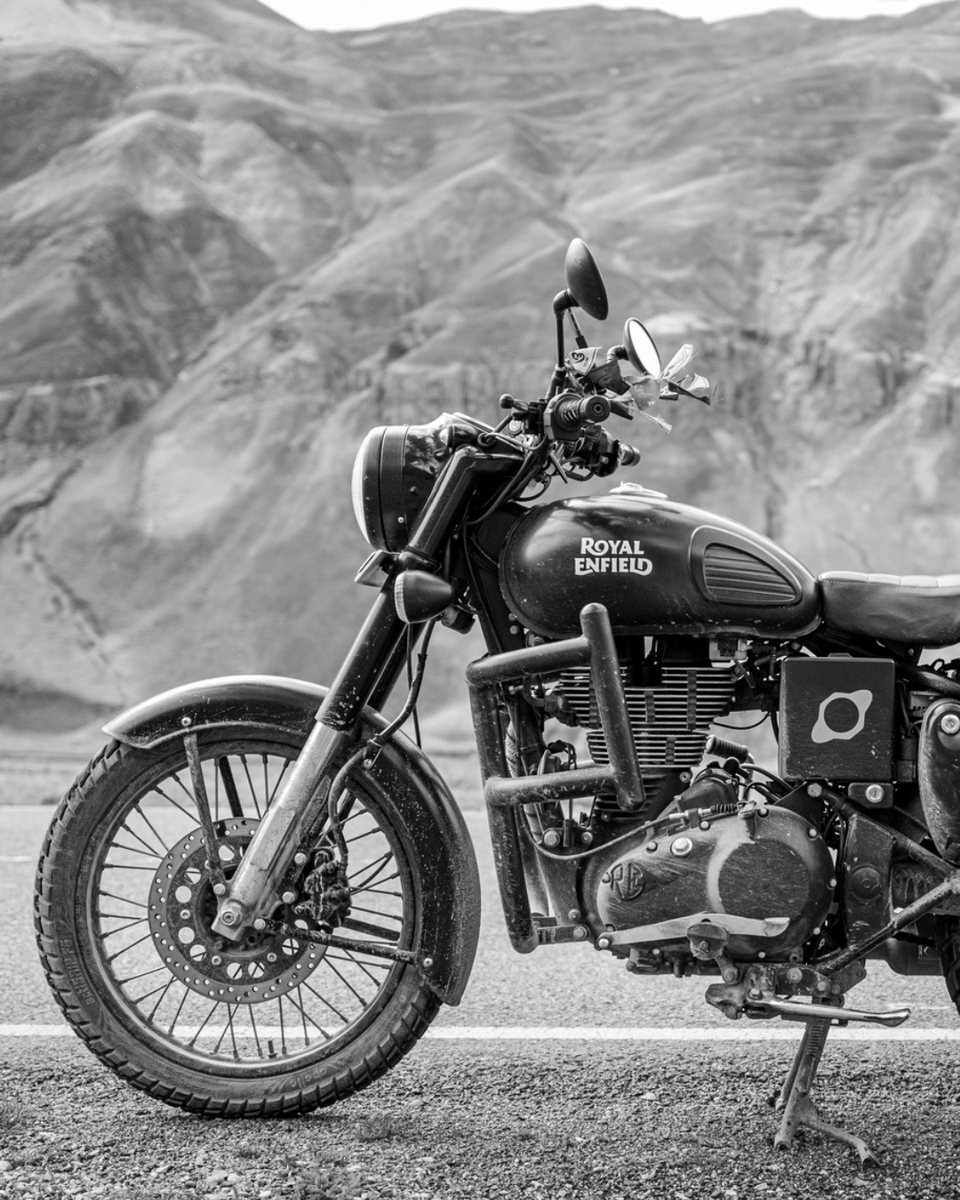
Seen in these images: our co-founder Michael Sorkin during a 3 month motorcycle expedition across India, wearing an early prototype in 2021.
Monolith has been featured in Wallpaper*, the global authority on design.
At Barrelhand, we believe that when form follows function, beauty is inevitable.
The Barrelhand Monolith is designed for the rigors of outer space. Utilizing a special crystal material, extensive use of 3D printing technology, and a crown that can used underwater, the Monolith is purpose-built for unforgiving environments in a 38mm package. Ariel has the full story over on aBlogtoWatch.
https://t.co/DACaZx8Tt4
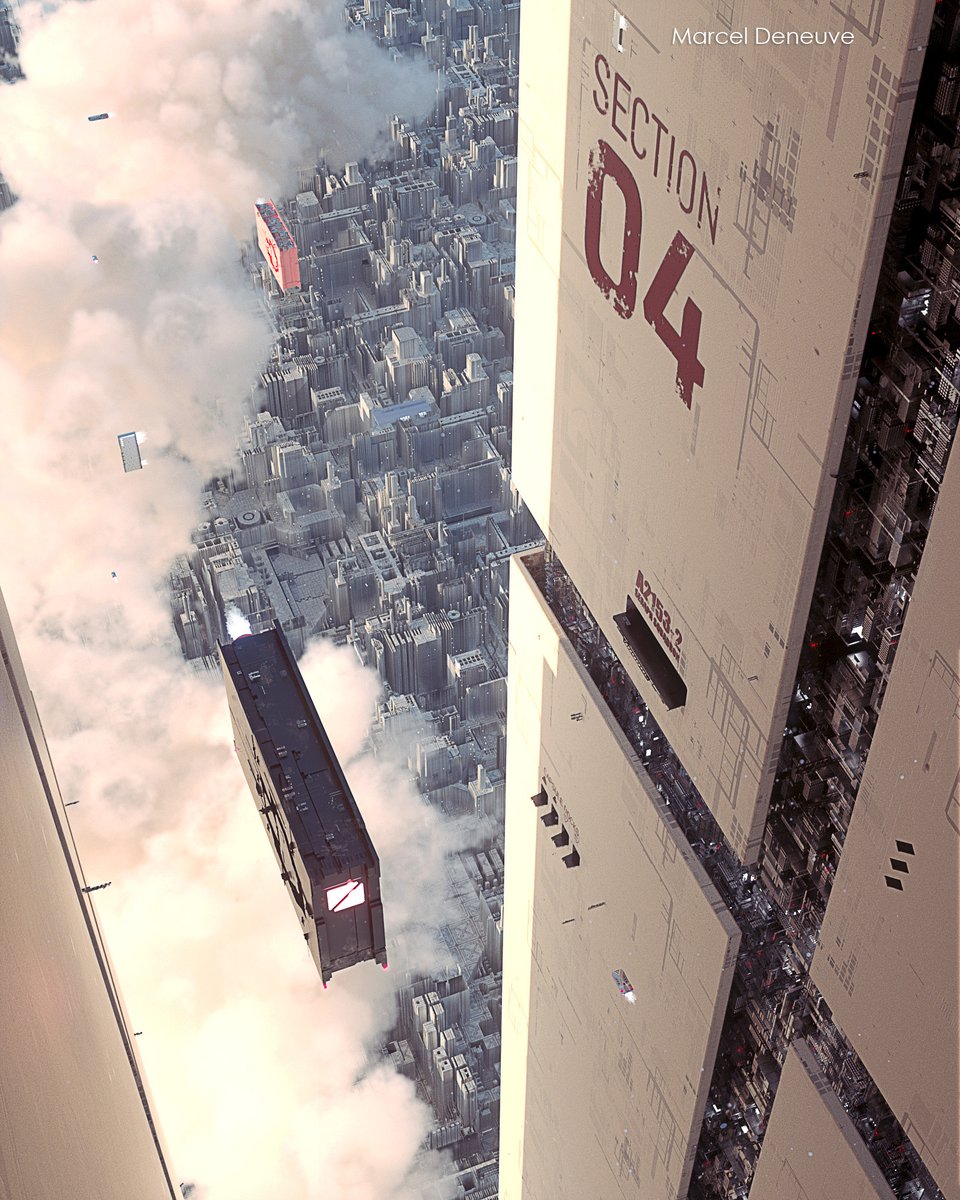
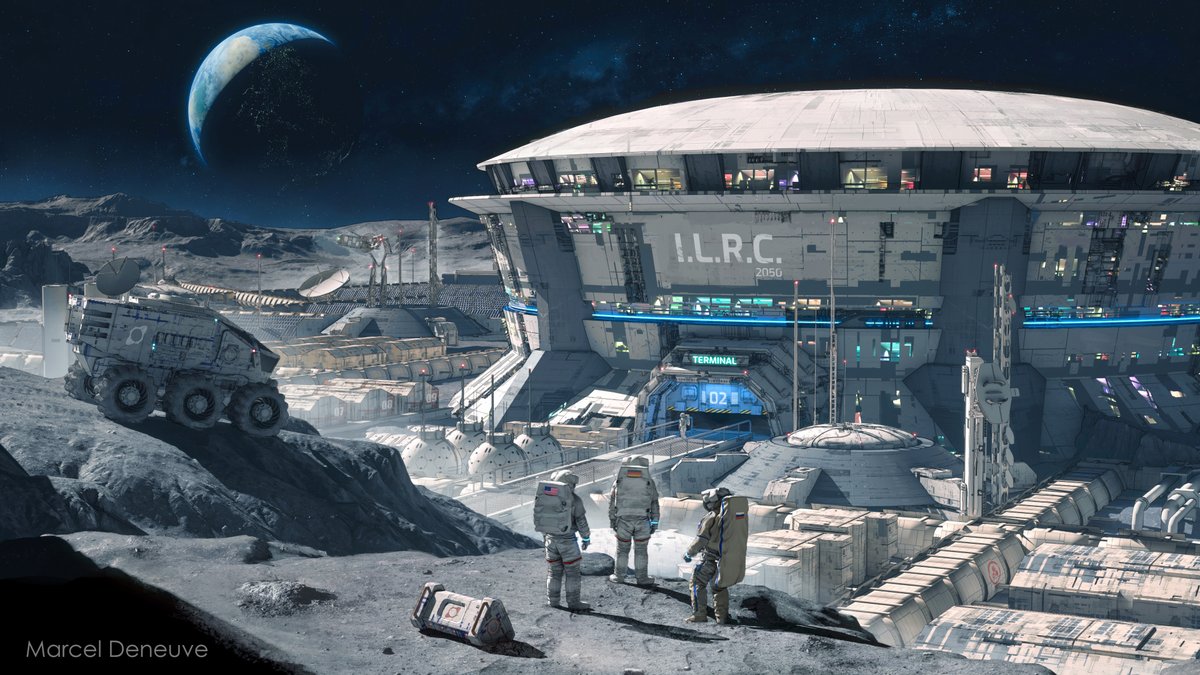
Space exploration is entering a new era. After more than half a century since humanity stepped foot on the moon, we are now preparing - not only to go back - but to venture further than ever before.
Such a tiny little Artifact, but how much You’ve put into it.
Our Entire Cultural DNA that’s now in Space. 🔷
Memory Disc is a huge milestone for Humanity and I hope it won’t be our last one!
Cheers to big brother Mike Sorkin for this copy of Our Artifact!
#barrelhand#unesco