If Haqiqatjou valued the Gazan people, he wouldn't be utilizing their suffering to score cheap emotional points against his ideological opponents.
My dawah hasn't changes in a decade. All of a sudden, I'm "contributing to the destruction of the Ummah."
A group of Muslims set up a dawah stand at the World Cup. Pahlavists turned up to harass and abuse them. When this behaviour eventually ends badly, watch the same people suddenly discover victimhood.
@dv0o0v@Farid_0v@Yg39017755 Cultural science? The narration you rely on is a weak narration from someone who never met Aisha RA. In Ibn Kathir bidaya wa nihaya where talks about Asma in THAT SAME BOOK he literally says that it’s weak and ALL the scholars agree that she was 9 during her consummation
Chapter 20 of Kitab al-Tawḥīd by Imam Muhammad Ibn AbdulWahhab al-Ḥanbali:
❝𝐖𝐡𝐚𝐭 𝐡𝐚𝐬 𝐛𝐞𝐞𝐧 𝐫𝐞𝐩𝐨𝐫𝐭𝐞𝐝 𝐫𝐞𝐠𝐚𝐫𝐝𝐢𝐧𝐠 𝐡𝐨𝐰 𝐞𝐱𝐜𝐞𝐬𝐬𝐢𝐯𝐞 𝐯𝐞𝐧𝐞𝐫𝐚𝐭𝐢𝐨𝐧 𝐨𝐟 𝐭𝐡𝐞 𝐠𝐫𝐚𝐯𝐞𝐬 𝐨𝐟 𝐭𝐡𝐞 𝐫𝐢𝐠𝐡𝐭𝐞𝐨𝐮𝐬 𝐭𝐮𝐫𝐧𝐬 𝐭𝐡𝐞𝐦 𝐢𝐧𝐭𝐨 𝐢𝐝𝐨𝐥𝐬 𝐭𝐡𝐚𝐭 𝐚𝐫𝐞 𝐰𝐨𝐫𝐬𝐡𝐢𝐩𝐩𝐞𝐝 𝐛𝐞𝐬𝐢𝐝𝐞𝐬 𝐀𝐥𝐥𝐚𝐡
Mālik narrated in al-Muwaṭṭaʾ that the Messenger of Allah ﷺ said:
“O Allah, do not make my grave an idol that is worshipped. The anger of Allah became severe against a people who took the graves of their prophets as places of worship.”
And Ibn Jarīr [al-Ṭabari] narrated with his chain from Sufyān, from Manṣūr, from Mujāhid regarding Allah’s statement:
{أَفَرَأَيْتُمُ اللَّاتَ وَالْعُزَّىٰ}
“Have you considered al-Lāt and al-ʿUzzā?” (Qur’an 53:19)
Mujāhid said:
“He [al-Lāt] used to mix and prepare sawīq (a type of food) for the pilgrims. When he died, they devoted themselves to his grave.”
Likewise, Abū al-Jawzāʾ narrated from Ibn ʿAbbās:
“He used to prepare sawīq for the pilgrims.”
And from Ibn ʿAbbās (may Allah be pleased with him and his father):
“The Messenger of Allah ﷺ cursed women who frequently visit graves, and those who take graves as places of worship and place lamps upon them.”
Narrated by the compilers of the Sunan collections.
Issues (Lessons) Derived:
1. The explanation of idols (awthān).
2. The explanation of worship (ʿibādah).
3. That the Prophet ﷺ sought protection only from something whose occurrence was feared.
4. His linking this matter with taking the graves of prophets as places of worship.
5. Mention of the severity of Allah’s anger.
6. One of the most important points: understanding the nature of the worship of al-Lāt, who was among the greatest idols.
7. Knowing that al-Lāt was the grave of a righteous man.
8. Knowing that al-Lāt was the name of the person buried in that grave, and the meaning behind the name.
9. The Prophet’s curse upon women who frequently visit graves.
10. His curse upon those who place lamps on the graves.❞
One of the earliest and most important defenses of the da‘wah of Imam Muhammad ibn AbdulWahhab was written by Muhammad Bashir al-Sahsawani, a prominent Indian scholar born less than fifty years after the Mujaddid. May Allah ﷻ have mercy on the defenders of tawḥīd.
The mission of Imam Muhammad ibn AbdulWahhab al-Hanbali was to eradicate idolatry, superstitions, innovations, and everything that diverted people from worshipping Allah ﷻ and relying upon Him.
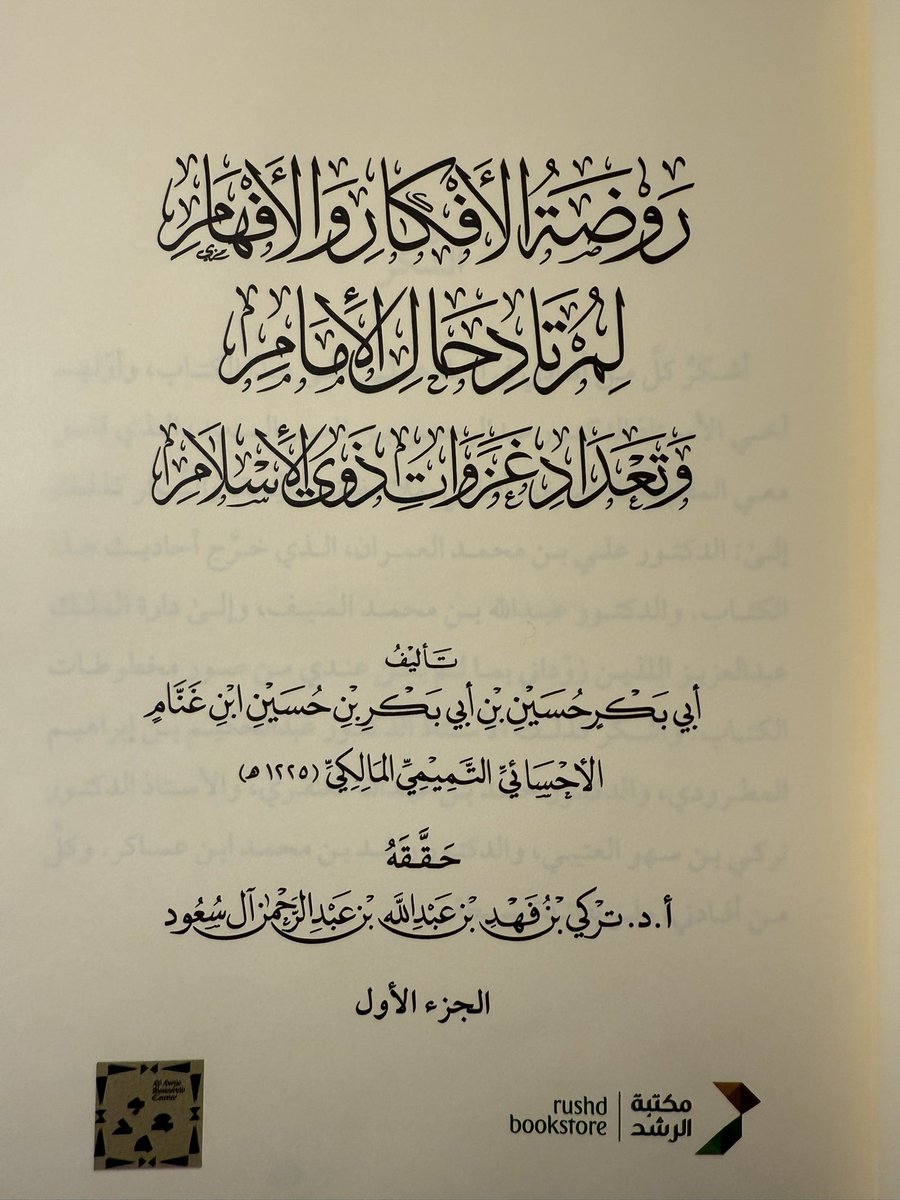
Imam Ibn Ghannām al-Maliki (his student) said:
❝However, he could not bear to remain in that place after seeing the idols there. Therefore, Shaykh Muhammad ibn AbdulWahhab ordered Emir Uthman to demolish the domes and mosques that had been built in al-Jubaylah over the graves of the Companions, and to cut down the trees that people constantly visited.
Uthman hastened to carry this out and obeyed. The Shaykh went out with him, along with their followers, without delay. They went forth carrying picks and tools, all hoping for reward.
They demolished those mosques and removed the prominent shrines. They cleared away all that was forbidden from those graves, and the graves were restored in accordance with the prescribed Sunnah. The forbidden practice disappeared.
The lofty structures were torn down, and the veneration and attention devoted to them came to an end. The tall stone constructions fell, as did the tree-sanctuaries in al-ʿĀriḍ, such as the trees of Quraywah, Abu Dujanah, and al-Dhib.
No one thereafter turned to them seeking blessings. Nor did unmarried women—as had been the custom—ask them for a beloved husband. This was not unusual in those times, nor was the occurrence of things even more reprehensible than this surprising.
The Shaykh, may Allah have mercy on him, personally took part in cutting down the tree of al-Dhib with his own hands, together with some of his companions. Thus he attained from his Lord an immense reward and recompense.❞
Found this old clip of Usama al-Utaybi saying Rabi al-Madhkali himself banned his followers from attacking Othman Al-Khamis when he was refuting the Rafida and defending Ahlus Sunnah. Lol
Even Shaykh Rabi al-Madhkali knew how famous our Shaykh’s refutations of the Rawāfidh and his defense of the Sahaba where. Meanwhile, his modern-day blind internet followers have turned Tabdee (boycotting/labeling others as innovators) into a hobby, showing zero nuance or restraint. Learn when to keep quiet.
The path forward is across the bridge of hard work.
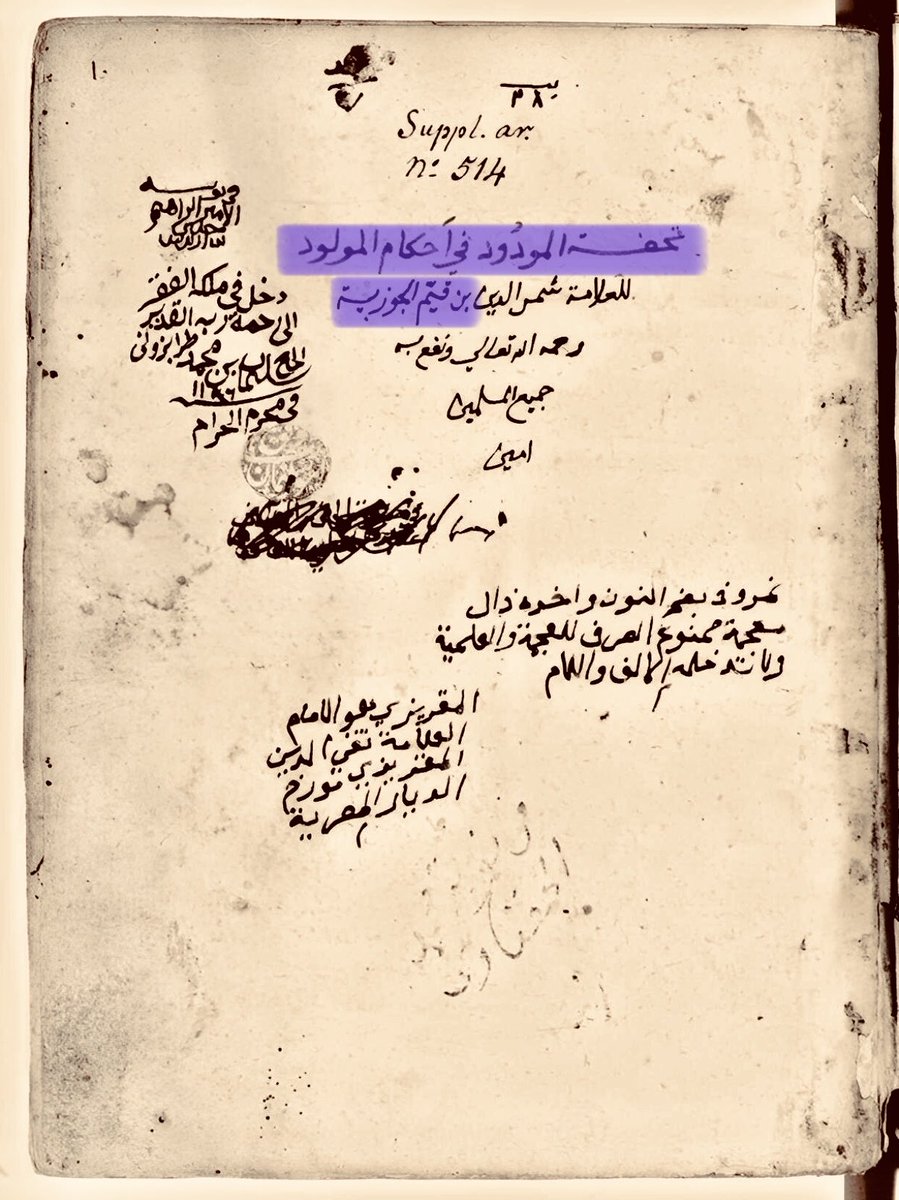
Imam Ibn Qayyim al-Jawziyyah said:
“Laziness and idleness result in bad and regrettable consequences, while diligence and hard work have commendable outcomes, either in this world, in the Hereafter, or in both.”
This is what the Bible says:
Let the wilderness and the cities thereof lift up their voice, the villages that KEDAR (WHICH IS ARABIA) inhabit: let the inhabitants of the rock sing, let them shout from the top of the mountains.
Isaiah 42.
I'm currently in the UK for the first time since 2018.
The talks schedule includes Birmingham tomorrow, then Cambridge, Leeds, and Huddersfield.
Check out the topics and timings below.
#فيديو من عام 2002
تنظيم القاعدة وبعد عام من أحداث 11 سبتمبر ينشر صوراً ووصايا مصورة لبعض منفذي الهجوم الذي استهدف نيويورك وواشنطن والذين كان عددهم 19 شخصاً وتسبب بمقتل 3 الاف أمريكي وتم تصويرها قبل سنة ونصف من الاحداث :
الرحلة الأولى:
American Airlines 11
اصطدمت بالبرج الشمالي لمركز التجارة العالمي
القائد العام للهجمات
محمد عطا (مصري)
عبد العزيز العمري (سعودي)
وائل الشهري (سعودي)
وليد الشهري (سعودي) اخوه
سطام السقامي (سعودي)
الرحلة الثانية: United Airlines 175 (اصطدمت بالبرج الجنوبي)
قائد الفريق مروان الشحي (إماراتي)
مهند الشهري (سعودي)
•فايز بانيحماد (إماراتي)
حمزة الغامدي (سعودي)
أحمد الغامدي (سعودي)
الرحلة الثالثة: American Airlines 77 (اصطدمت بمبنى البنتاغون)
قائد الفريق : هاني حنجور (سعودي)
خالد المحضار (سعودي)
مجد موقد (سعودي)
نواف الحازمي (سعودي)
سالم الحازمي (سعودي)
الرحلة الرابعة: United Airlines 93 (تحطمت في حقل في بنسلفانيا)
قائد الفريق زياد الجراح (لبناني) :
أحمد الحزنوي (سعودي)
أحمد النامي (سعودي)
سعيد الغامدي (سعودي)
Throughout Islamic history, it was often the youth who changed the course of history, from Sultan Mehmed conquering Constantinople to Muhammad bin Qasim conquering Sindh. Even the earliest supporters of Islam were largely young people.


![RaadTheShepherd's tweet photo. Chapter 20 of Kitab al-Tawḥīd by Imam Muhammad Ibn AbdulWahhab al-Ḥanbali:
❝𝐖𝐡𝐚𝐭 𝐡𝐚𝐬 𝐛𝐞𝐞𝐧 𝐫𝐞𝐩𝐨𝐫𝐭𝐞𝐝 𝐫𝐞𝐠𝐚𝐫𝐝𝐢𝐧𝐠 𝐡𝐨𝐰 𝐞𝐱𝐜𝐞𝐬𝐬𝐢𝐯𝐞 𝐯𝐞𝐧𝐞𝐫𝐚𝐭𝐢𝐨𝐧 𝐨𝐟 𝐭𝐡𝐞 𝐠𝐫𝐚𝐯𝐞𝐬 𝐨𝐟 𝐭𝐡𝐞 𝐫𝐢𝐠𝐡𝐭𝐞𝐨𝐮𝐬 𝐭𝐮𝐫𝐧𝐬 𝐭𝐡𝐞𝐦 𝐢𝐧𝐭𝐨 𝐢𝐝𝐨𝐥𝐬 𝐭𝐡𝐚𝐭 𝐚𝐫𝐞 𝐰𝐨𝐫𝐬𝐡𝐢𝐩𝐩𝐞𝐝 𝐛𝐞𝐬𝐢𝐝𝐞𝐬 𝐀𝐥𝐥𝐚𝐡
Mālik narrated in al-Muwaṭṭaʾ that the Messenger of Allah ﷺ said:
“O Allah, do not make my grave an idol that is worshipped. The anger of Allah became severe against a people who took the graves of their prophets as places of worship.”
And Ibn Jarīr [al-Ṭabari] narrated with his chain from Sufyān, from Manṣūr, from Mujāhid regarding Allah’s statement:
{أَفَرَأَيْتُمُ اللَّاتَ وَالْعُزَّىٰ}
“Have you considered al-Lāt and al-ʿUzzā?” (Qur’an 53:19)
Mujāhid said:
“He [al-Lāt] used to mix and prepare sawīq (a type of food) for the pilgrims. When he died, they devoted themselves to his grave.”
Likewise, Abū al-Jawzāʾ narrated from Ibn ʿAbbās:
“He used to prepare sawīq for the pilgrims.”
And from Ibn ʿAbbās (may Allah be pleased with him and his father):
“The Messenger of Allah ﷺ cursed women who frequently visit graves, and those who take graves as places of worship and place lamps upon them.”
Narrated by the compilers of the Sunan collections.
Issues (Lessons) Derived:
1. The explanation of idols (awthān).
2. The explanation of worship (ʿibādah).
3. That the Prophet ﷺ sought protection only from something whose occurrence was feared.
4. His linking this matter with taking the graves of prophets as places of worship.
5. Mention of the severity of Allah’s anger.
6. One of the most important points: understanding the nature of the worship of al-Lāt, who was among the greatest idols.
7. Knowing that al-Lāt was the grave of a righteous man.
8. Knowing that al-Lāt was the name of the person buried in that grave, and the meaning behind the name.
9. The Prophet’s curse upon women who frequently visit graves.
10. His curse upon those who place lamps on the graves.❞](https://pbs.twimg.com/media/HKxUmeMWkAEtWYy.jpg)







![RaadTheShepherd's tweet photo. Chapter 20 of Kitab al-Tawḥīd by Imam Muhammad Ibn AbdulWahhab al-Ḥanbali:
❝𝐖𝐡𝐚𝐭 𝐡𝐚𝐬 𝐛𝐞𝐞𝐧 𝐫𝐞𝐩𝐨𝐫𝐭𝐞𝐝 𝐫𝐞𝐠𝐚𝐫𝐝𝐢𝐧𝐠 𝐡𝐨𝐰 𝐞𝐱𝐜𝐞𝐬𝐬𝐢𝐯𝐞 𝐯𝐞𝐧𝐞𝐫𝐚𝐭𝐢𝐨𝐧 𝐨𝐟 𝐭𝐡𝐞 𝐠𝐫𝐚𝐯𝐞𝐬 𝐨𝐟 𝐭𝐡𝐞 𝐫𝐢𝐠𝐡𝐭𝐞𝐨𝐮𝐬 𝐭𝐮𝐫𝐧𝐬 𝐭𝐡𝐞𝐦 𝐢𝐧𝐭𝐨 𝐢𝐝𝐨𝐥𝐬 𝐭𝐡𝐚𝐭 𝐚𝐫𝐞 𝐰𝐨𝐫𝐬𝐡𝐢𝐩𝐩𝐞𝐝 𝐛𝐞𝐬𝐢𝐝𝐞𝐬 𝐀𝐥𝐥𝐚𝐡
Mālik narrated in al-Muwaṭṭaʾ that the Messenger of Allah ﷺ said:
“O Allah, do not make my grave an idol that is worshipped. The anger of Allah became severe against a people who took the graves of their prophets as places of worship.”
And Ibn Jarīr [al-Ṭabari] narrated with his chain from Sufyān, from Manṣūr, from Mujāhid regarding Allah’s statement:
{أَفَرَأَيْتُمُ اللَّاتَ وَالْعُزَّىٰ}
“Have you considered al-Lāt and al-ʿUzzā?” (Qur’an 53:19)
Mujāhid said:
“He [al-Lāt] used to mix and prepare sawīq (a type of food) for the pilgrims. When he died, they devoted themselves to his grave.”
Likewise, Abū al-Jawzāʾ narrated from Ibn ʿAbbās:
“He used to prepare sawīq for the pilgrims.”
And from Ibn ʿAbbās (may Allah be pleased with him and his father):
“The Messenger of Allah ﷺ cursed women who frequently visit graves, and those who take graves as places of worship and place lamps upon them.”
Narrated by the compilers of the Sunan collections.
Issues (Lessons) Derived:
1. The explanation of idols (awthān).
2. The explanation of worship (ʿibādah).
3. That the Prophet ﷺ sought protection only from something whose occurrence was feared.
4. His linking this matter with taking the graves of prophets as places of worship.
5. Mention of the severity of Allah’s anger.
6. One of the most important points: understanding the nature of the worship of al-Lāt, who was among the greatest idols.
7. Knowing that al-Lāt was the grave of a righteous man.
8. Knowing that al-Lāt was the name of the person buried in that grave, and the meaning behind the name.
9. The Prophet’s curse upon women who frequently visit graves.
10. His curse upon those who place lamps on the graves.❞](https://pbs.twimg.com/media/HKxUmeTWMAACyO4.jpg)


