gML to all @AlloraNetwork yapper
you are on the right path, its lucky to you become part of the greater AI project in 2025
A decentralized machine intelligence network that transforms traditional price feeds into adaptive, self-improving systems
You are lucky because you did not turn your head on allora
Keep yapping allora and thanks me later!
The Allora Network utilizes technologies like zkML and federated learning to chart a new course for DeFi.
Decentralized AI plays a pivotal role in crafting advanced investment tools, especially those involving real-time data analysis, AI-powered insights for dynamic valuations, risk assessment, and predictive analytics.
With these capabilities, financial products built on Allora are more efficient, transparent, and accessible than centralized frameworks.
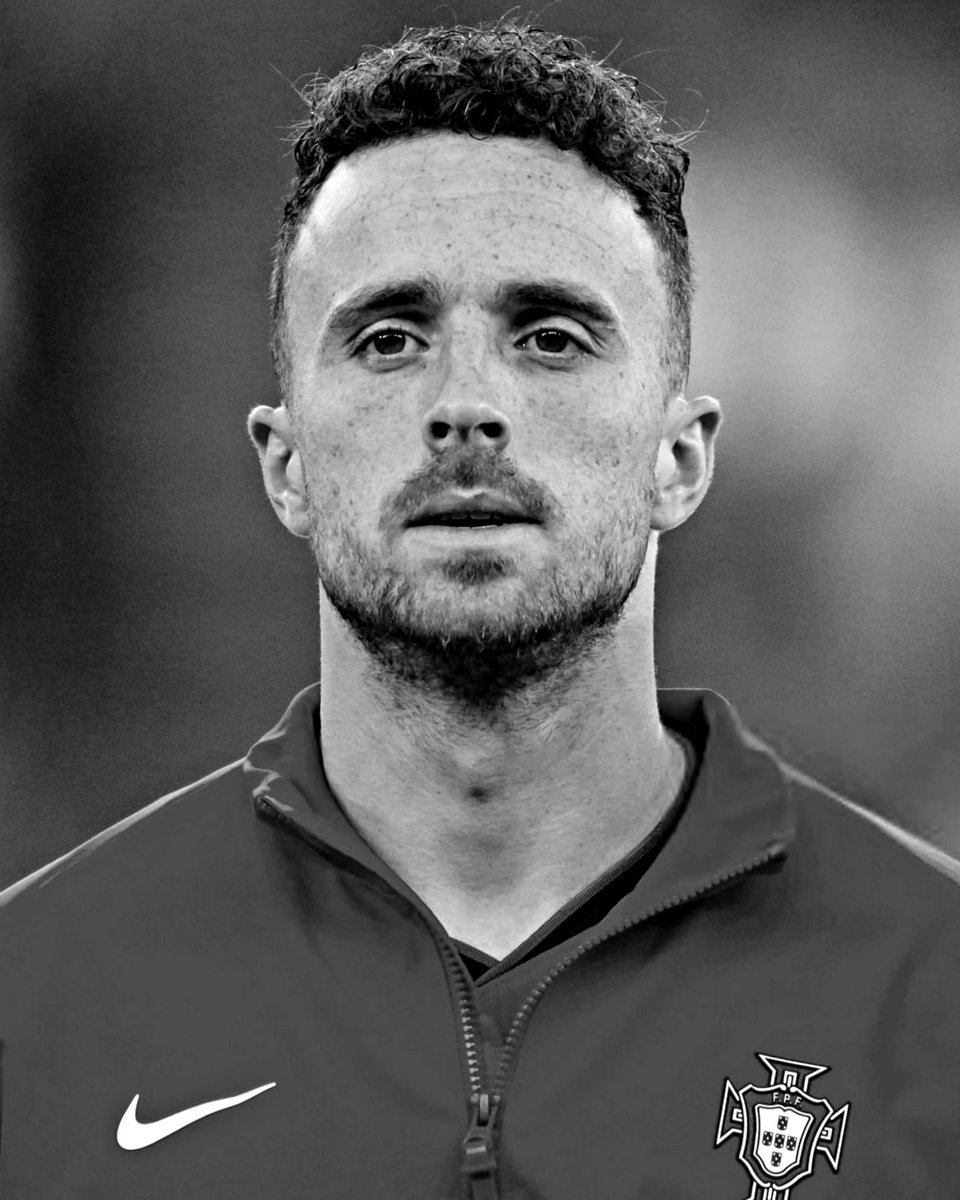
I am a @KaitoAI yapper would like to express My sincerest condolences regarding the loss of @LFC player Diogo Jota and his brother André. May they rest in peace.
Farcaster The Biggest Decentralized Social Network Protocol In Web3
Farcaster is designed as a hybrid on-chain/off-chain social network. Its core identity systems (account IDs, usernames, recovery) live on Ethereum’s Layer 2 (Optimism) via smart contracts, while everyday actions (posts, follows, reactions) occur off-chain on a peer-to-peer network of Hubs. The Farcaster architecture exposes three main on-chain contracts (all on Optimism mainnet): an Id Registry (assigns unique Farcaster IDs, or fids, to Ethereum addresses), a Storage Registry (manages paid data storage “rent” per account), and a Key Registry (lets users grant permissioned keys to apps). These on-chain anchors secure account ownership and payment; for example, creating or transferring an account, paying storage fees, or adding new app keys all require L2 transactions. In contrast, most social actions (posting a cast, following, liking) are handled by Hubs without writing to the blockchain, improving speed and cost.
On-Chain Contracts: Farcaster’s contracts run on Optimism Mainnet, inheriting Ethereum’s security while reducing gas fees. Key on-chain actions include registering a new Farcaster account (via Id Registry), paying ETH to rent storage (Storage Registry), and managing app permissions (Key Registry). Each Farcaster account is identified by a numeric fid linked to an Ethereum address. Users can also register human-readable names: free off-chain ENS names (revocable by the network) or paid on-chain names (owned by the user).
Off-Chain Hubs: A global mesh of peer-to-peer Hubs holds user profiles and message history. Any party can run a Hubs node to read/write Farcaster data. This design means Farcaster is “sufficiently decentralized” – even if some Hubs or apps go offline, others carry on, and two users can always connect without a central authority. For example, if the Warpcast app fails, another client (e.g. Supercast) can still sync via alternate Hubs. This P2P model distributes the load: more than a thousand Hubs are active, so outages or censorship on one node have minimal impact. Importantly, Hubs enforce security by verifying each message with the account’s on-chain keys.
Farcaster originally used Ethereum but formally migrated its registry contracts to Optimism in 2023 for efficiency. Both Coinbase and Farcaster’s docs confirm that the on-chain systems run on OP Mainnet today. This lets Farcaster leverage Ethereum’s decentralization and smart contract security (for identity and account logic) while keeping transaction costs low. The Farcaster protocol remains compatible with Ethereum tooling and can interoperate with other blockchains, aligning with its ethos of composability.
In 2025 Farcaster unveiled “Snapchain,” a custom high-throughput data layer. Snapchain is a blockchain-like P2P ledger built for Farcaster’s workload. According to co-founder Varun Srinivasan, Snapchain can handle “north of 10,000 transactions per second”. The official Farcaster blog reports that moving to Snapchain yields tenfold cheaper storage and eliminates fees for adding app keys (“zero cost signers”). In practice, user content writes now go to Snapchain rather than Hubs, improving speed and reliability. In short, Farcaster’s architecture cleverly mixes on-chain anchors with off-chain and “Snapchain” data layers to maximize performance while preserving decentralization.
Warpcast: The Farcaster Client Experience
Warpcast is the flagship Farcaster app, a mobile-first social feed akin to Twitter (X). It provides familiar functionality – creating posts (“casts”), following other warpcasters, liking, and “recasting” (sharing) – but within Farcaster’s decentralized framework. Users set up profiles and can follow others just as on Web2 platforms, making Warpcast an easy on-ramp for newcomers. Under the hood, Warpcast connects to the Farcaster network and displays a chronological feed of content from people you follow (note: there is currently no algorithmic timeline or recommendation engine by default). Warpcast also integrates with the user’s Ethereum wallet: on-chain transactions (e.g. wallet activity, NFT ownership) automatically show up in the feed, and the app lets users mint or display NFTs directly in their profiles. In essence, Warpcast demonstrates Farcaster’s core capabilities in a consumer-friendly package: it reads and writes to the protocol, houses in-feed mini-app “Frames” (more below), and enforces the protocol’s security (signing posts with the user’s keys).
Integration of Mini-Apps: A standout Warpcast feature is support for Farcaster Frames (now called Mini Apps). These are small web apps that run inside Warpcast posts. For example, a user might embed a newsletter sign-up (Paragraph), an on-chain prediction market, an NFT mint, or even a game, directly into a cast. Warpcast displays these interactive “rich posts” seamlessly in the feed. In practice, Warpcast has seen Frames for minting NFTs, subscribing to newsletters, running polls, playing mini-games, and more. This capability distinguishes Warpcast: unlike Twitter, content on Warpcast can include mini-apps for crypto payments, games, and other on-chain functions, all without leaving the social feed.
User Experience & Monetization: Warpcast is a paid app, which is unusual for social media. New users pay an annual subscription (around $7–$12) to create an account. This fee serves two purposes: it covers the on-chain registration and helps deter spam/bots. Setting up Warpcast involves choosing a 24-word recovery phrase (to secure the Farcaster account) and optionally a wallet or credit card payment (on iOS Android). The app is currently mobile-only (iOS and Android); desktop clients exist but are less mature. In use, Warpcast’s interface will feel familiar to Twitter users – a vertical feed of posts with likes and shares – but users quickly notice the differences: content is truly owned by the user, there are no ads or corporate analytics, and every action (recast, like) is transparently stored on the protocol.
Comparison to Twitter: Warpcast consciously mirrors Twitter’s UX to ease adoption. People who’ve used X will find warpcasting natural. However, instead of a siloed corporate platform, Warpcast taps into Farcaster’s decentralized graph. For example, unlike Twitter where a single company can censor a tweet, on Warpcast one’s posts are stored on a P2P network that resists such control. Warpcast also showcases novel features (NFT wallets in-feed, mini-apps) that go beyond what Web2 platforms do. In short, Warpcast provides a Twitter-like social experience while embodying the Farcaster vision of user ownership and composability.
Decentralization & Data Ownership
Farcaster was explicitly built to give users control over their data and identities. As Coinbase explains, it is “not controlled by a single entity” but instead runs on blockchain infrastructure, minimizing censorship and centralized authority. No one “owns” Farcaster – the protocol is open-source and permissionless – so users retain sovereignty over their accounts. In practical terms, each Farcaster account is anchored by the user’s Ethereum wallet and protected by cryptographic keys. Because accounts are on-chain, you cannot lose your identity even if the app company folds: you can recover a Farcaster account via a recovery address or key on the IdRegistry. Warpcast and other clients simply provide interfaces, but the account and follow graph live on the network.
Censorship Resistance: By design, Farcaster resists censorship. Content and follows are stored on a distributed network of Hubs rather than a single server. If an app or region blocks one Hub, users can connect to another. For example, Farcaster’s network spans hundreds of independent Hubs, so even if one hub or client goes down, others keep the network alive. This distribution “lowers censorship risk and central control,” as one analysis notes. In addition, because followers and feeds are handled by the protocol, no central moderator can easily manipulate who sees what. In Farcaster’s motto of “sufficient decentralization,” the key idea is that any two users should be able to communicate even if others try to stop them.
Identity & Interoperability: Users manage their own identities. Each Farcaster account has a numeric fid and an associated public key; that key is used to sign all casts and actions. Adding or rotating keys is an on-chain transaction (through the KeyRegistry), meaning users can authoritatively delegate which apps are allowed to post for them. This signed system ensures data authenticity across the network. Farcaster also supports Ethereum Name Service (ENS) compatibility: users can claim a “name” (an NFT called an fname) to use as a handle. Off-chain ENS names (free but revocable by the network) and on-chain names (paid but self-controlled) let users have human-readable identifiers. Because accounts and follows are standardized by the protocol, any client app (Warpcast, Supercast, etc.) can read and write the same underlying data. Users literally carry their social graph with them – you can switch from Warpcast to another client without losing your followers or posts.
Data Ownership: Farcaster’s model ensures that you own your posts. Unlike Web2 platforms that lock your data in silos, Farcaster publishes content to open P2P nodes (and optional on-chain summaries), so users or third parties can archive or move it as needed. The Coinbase guide emphasizes that users “have control over their own audience and data,” with no interference. If a developer builds a new social app on Farcaster, it automatically has access to the same user profiles and messages (per user permission), enabling true cross-platform continuity. In short, Farcaster aligns incentives so that no single corporation can delete your content or revoke your identity – the only constraints are those built into the protocol itself (e.g. storage rent, content limits).
Blockchain Infrastructure: Scalability, Performance, Security
Farcaster leans on blockchain principles for critical security while handling scale through off-chain engineering. By keeping heavy traffic off-chain, it achieves high throughput. As the docs note, “bulk of user actions” (posting, reacting) are done in Hubs where performance is fast, and on-chain writes are used sparingly “only when security and consistency are critical”. This hybrid approach cuts fees: everyday casts do not each trigger a costly transaction. When on-chain consistency is needed (creating accounts, paying storage), it relies on Ethereum’s battle-tested security via Optimism L2.
Scalability: Farcaster’s layered design supports growth. The introduction of Snapchain is a key example: it is a bespoke P2P ledger that can handle thousands of transactions per second. Running Warpcast on Snapchain has let Farcaster claim a 10× reduction in data storage cost. In practice, all new posts and messages now enter Snapchain’s mempool and blocks, allowing real-time recording without congesting the Ethereum layer. Meanwhile, node operators can spin up Hub servers relatively cheaply. The storage system itself is dynamic – account owners pay annual “rent” in ETH (priced in USD via Chainlink) to store their data. This market-driven storage model scales with demand.
Performance: The absence of miners and global block times for off-chain actions means very low latency. Posts appear immediately as they propagate through the Hub network. Farcaster’s clients simply call APIs on their connected Hub or Snapchain node, which respond with user data or aggregated feeds. Developers confirm the response speed is comparable to centralized apps. Moreover, because on-chain writes are batched (e.g. only when paying rent or registering), the user-facing experience feels smooth. In benchmarks, Farcaster suggests Snapchain can do “north of 10,000 TPS” – orders of magnitude above Ethereum base layer. In short, it feels much more like a high-end Web2 social service in responsiveness.
Security: By anchoring key identity data on Ethereum, Farcaster inherits crypto-secure account management. Messages are signed by users’ private keys, preventing impersonation. The KeyRegistry contract only accepts new app keys if an account-holder signs the request. The use of Optimism means Farcaster benefits from Ethereum’s economic security (capital bonded by sequencers and the optimistic rollup validators). Snapchain itself uses cryptographic validation among validators (details evolving), but the Farcaster team maintains that final settlement still falls back on Ethereum if needed. In summary, Farcaster’s security model is layered: blockchain guarantees account integrity, while off-chain networks ensure data availability. This architecture is inherently more resilient than a single server: even if Farcaster’s company or any single provider were compromised, the protocol’s on-chain contracts and replicated Hubs keep users safe.
Social Innovation: Graph, Feeds, and Extensibility
Farcaster rethinks the social graph by making it an open protocol rather than a closed platform. Every user interaction (follow, post) is an explicit edge in this graph stored on Hubs/Snapchain. In practice, following someone means subscribing to their messages in the Hub network, and casts propagate accordingly. There is no global algorithmic timeline built into the protocol – by default the API simply returns chronological posts. Clients (like Warpcast) may optionally build features on top (spam filters, recommended follows), but even features like push notifications or trending topics are implemented client-side, not by the core protocol. As one Farcaster post put it, extra social features can be centralized by clients “because they don’t significantly impair decentralization.” In effect, Farcaster captures the “writing and reading messages” part of social networks in a decentralized way, and leaves the UX details to apps.
Feed Dynamics (Amps): To spice up the follow model, Farcaster introduced “Amps”. An Amp is like a temporary boosted follow: when you Amp someone, you get more visibility into their posts for a limited time (currently up to 3 months). This lets users temporarily amplify friends or influencers without a permanent follow; it could help surface trending content. It’s a novel twist on social graphs. Aside from Amps, the network follows are straightforward: you see what people you follow (and have Amp-ed) post, in a single merged chronological feed. As of early 2024, Farcaster’s public API only offered a simple timeline endpoint – no sorting by algorithm or recommendations yet. (The team is actively hiring data engineers to add search and suggestions, but for now the experience is refreshingly transparent.)
Mini Apps & Extensibility: Perhaps Farcaster’s most innovative aspect is its Mini Apps (Frames) ecosystem. By allowing apps to run inside the social feed, Farcaster turns a post into a programmable object. As the docs explain, users can share content that is itself a live app: e.g. a post might contain an embedded NFT mint (from Zora), a mini-game, a betting market, or a newsletter signup, all executed in-feed. This extensibility means Farcaster is not just “blockchain Twitter,” but a platform for composable social experiences. Early examples include Safaricaster (a virtual safari game in the feed) and Paybot (making on-chain payments within posts). Importantly, these mini apps respect the user’s identity and keys: if an app charges the user (say, minting an NFT), it does so through the user’s Farcaster account key. In short, Farcaster enables an open social graph and an open app platform; developers can create new ways for users to interact without central approval.
Business & Crypto Integration: Because Farcaster is built on Ethereum, its social layer can natively interoperate with crypto assets. For example, Warpcast profiles inherently double as crypto wallets, so users can airdrop tokens or NFTs to followers. Farcaster even encourages “crypto marketing”: teams can target users via on-chain actions (for example, using custody proofs or past activity) and then engage them through Farcaster feeds and frames. The protocol’s design (e.g. on-chain “fnames” for usernames) also suggests potential business models: selling names or storage could fund hubs or future token rewards. In sum, Farcaster blurs the line between social networks and decentralized applications, opening doors to innovations (creator economies, token incentives) that Web2 platforms can’t easily replicate.
Farcaster represents an ambitious reimagining of social media on blockchain. Technically, it combines Ethereum-based identity/security with high-performance off-chain networking (now enhanced by Snapchain). The Warpcast app shows that you can have a familiar, Twitter-like interface while actually owning your data and interacting with crypto-native mini-apps. By putting control into users’ hands and opening the social graph to developers, Farcaster promises greater censorship-resistance and innovation than centralized platforms.
At the same time, it is early days. Farcaster’s user base (on the order of tens or hundreds of thousands) remains small compared to Web2 giants, and the network imposes trade-offs (annual fees, limits on message retention) to keep itself sustainable. Managing long-term growth is a challenge: for instance, Farcaster currently prunes old messages (keeping roughly one year of history) to control storage costs. That design choice may constrain some use cases. Furthermore, some degree of centralization still exists (many current hubs are sponsored by the Farcaster team, and feed algorithms are trivial), so the system is not entirely trustless.
Overall, @farcaster_xyz has made significant strides in 2024–2025 toward a workable decentralized social web. Its blend of blockchain identity, peer-to-peer feeds, and on-chain/off-chain hybrid engineering is unique. If Warpcast and other clients continue to improve the experience (adding search, refining onboarding, building rich mini-apps), Farcaster could evolve into a robust ecosystem for user-driven communities. In that future, people could truly “own” their social graphs and content in a way current platforms don’t allow. Farcaster’s impact — empowering creators, resisting single points of control, and experimenting with novel social features — is already felt in the crypto community. Its ultimate success will depend on broader adoption and continued technical innovation, but it has opened a promising path toward a more open, user-centric social media landscape.
#Farcaster #SocialFi #loudio #Web3 @dwr
Magic Newton tokenomic will release next week
TGE closer
Snapshoot very close
Yapper keep yapping
Now, Now every day determines whether you will be eligible or not..
What You Can Do With Newton?
Here are some powerful examples of how users can benefit from Newton:
1. Yield Optimization
Automatically scan multiple DeFi protocols across different chains and migrate funds to the most profitable opportunities—without lifting a finger.
Token Portfolio Rebalancing Maintain a target token allocation across wallets and chains with automated, rule-based rebalancing agents.
2. DAO Governance
Delegate your votes to an agent, but constrain them with rules like “support treasury conservation” or “vote no on unaudited contracts.”
3. Risk-Aware Asset Management
Limit exposure to volatile tokens, cap interactions with unaudited protocols, or block agents from using specific chains or dApps.
Thats why Newton valuable will you get for using Newton product
and now TGE is this month, Very soon...
Keep yapping
gNewt