This hill, though high, I covet to ascend;
The difficulty will not me offend.
For I perceive the way to life lies here.
Come, pluck up, heart; let's neither faint nor fear.
Better, though difficult, the right way to go,
Than wrong, though easy, where the end is woe.
The Pilgrim's Progress
John Bunyan
Friends are more important than ideologies. To destroy those who have been seduced by bad ideas, but not eaten alive by them, would be miss the whole point of fighting the good fight to begin with.
- Robert A. Heinlein
from his novel, Beyond This Horizon
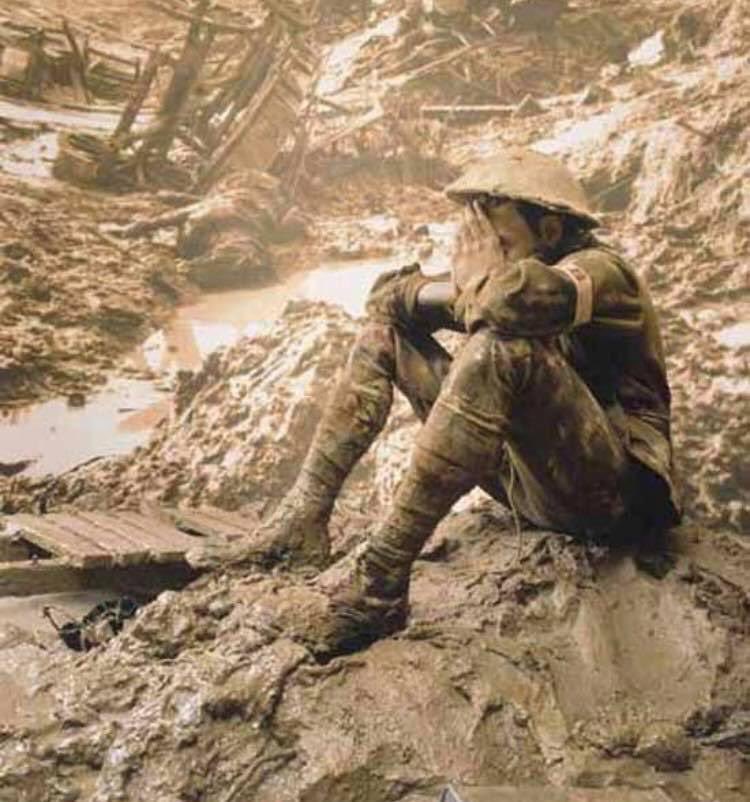
“No Man’s Land”
James H. Knight-Adkin
NO Man’s Land is an eerie sight
At early dawn in the pale gray light.
Never a house and never a hedge
In No Man’s Land from edge to edge,
And never a living soul walks there
To taste the fresh of the morning air;—
Only some lumps of rotting clay,
That were friends or foemen yesterday.
What are the bounds of No Man’s Land?
You can see them clearly on either hand,
A mound of rag-bags gray in the sun,
Or a furrow of brown where the earthworks run
From the eastern hills to the western sea,
Through field or forest o’er river and lea;
No man may pass them, but aim you well
And Death rides across on the bullet or shell.
But No Man’s Land is a goblin sight
When patrols crawl over at dead o’ night;
Boche or British, Belgian or French,
You dice with death when you cross the trench.
When the “rapid,” like fireflies in the dark,
Flits down the parapet spark by spark,
And you drop for cover to keep your head
With your face on the breast of the four months’ dead.
The man who ranges in No Man’s Land
Is dogged by the shadows on either hand
When the star-shell’s flare, as it bursts o’erhead,
Scares the gray rats that feed on the dead,
And the bursting bomb or the bayonet-snatch
May answer the click of your safety-catch,
For the lone patrol, with his life in his hand,
Is hunting for blood in No Man’s Land.
The wrath of God lies sleeping. It was hid a million years before men were and only men have power to wake it. Hell ain't half full. Hear me. Ye carry war of a madman's making onto a foreign land. Ye'll wake more than the dogs.
Blood Meridian
C. McCarthy
‘I always liked to hear about the old-timers. Never missed a chance to do so. You can't help but compare yourself against the old-timers. Can't help but wonder how they'd have operated in these times.’
‘You are not a man anymore. You are a soldier. Your comfort is of no importance and your life isn’t of much importance. Most of your orders will be unpleasant, but that’s not your business. They should’ve trained you for this, and not for flower-strewn streets. They should have built your soul with truth, not led along with lies.’
Steinbeck, “The Moon is Down”
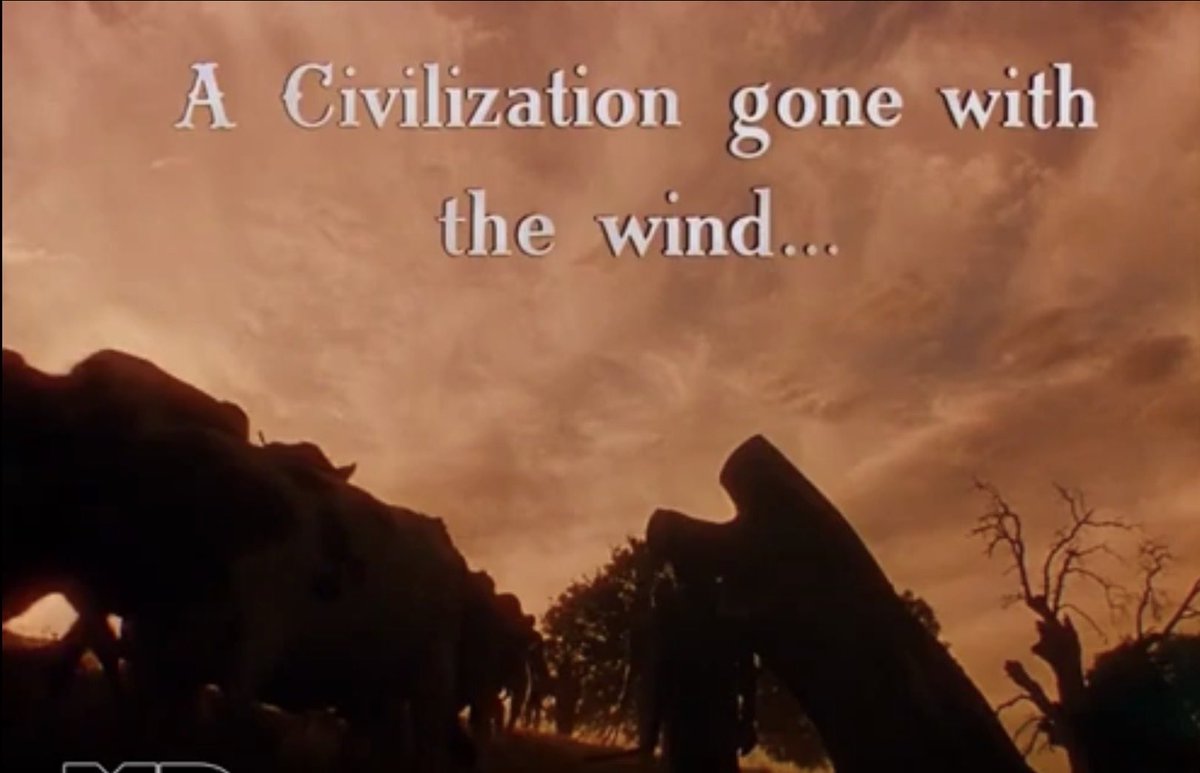
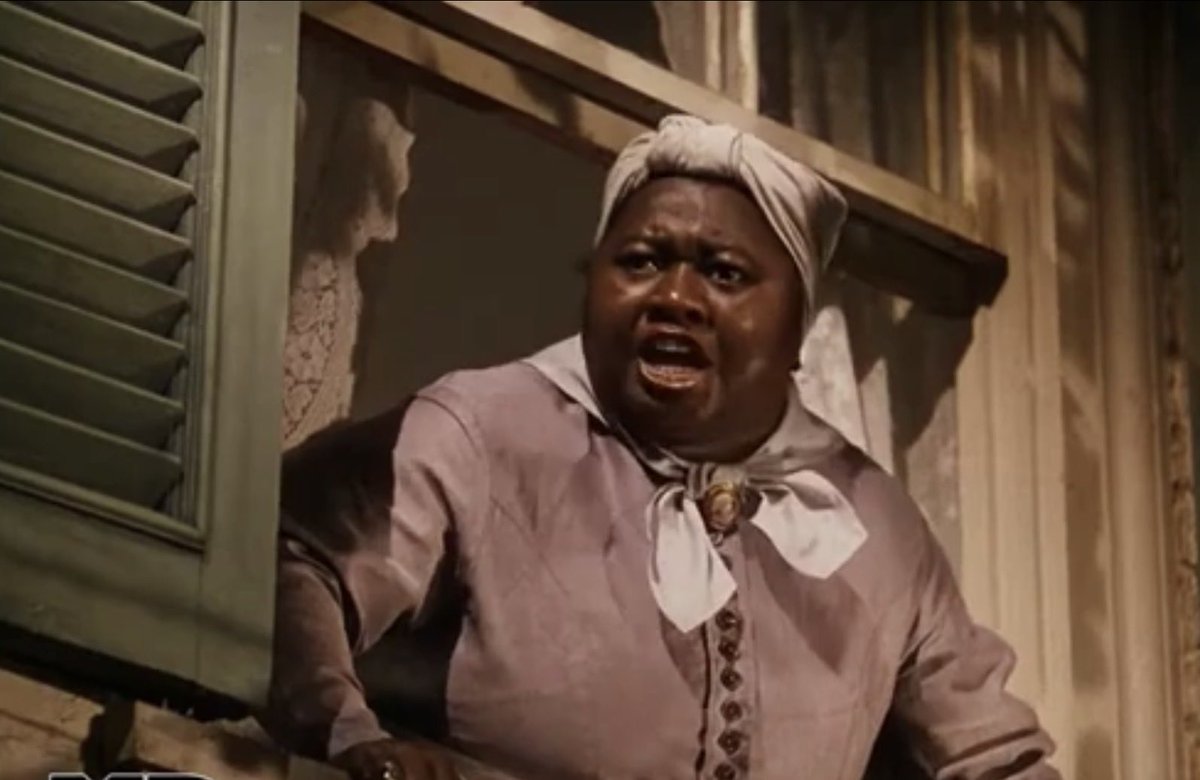
“There was a land of cavaliers and cotton fields called the old south. Here in this pretty world gallantry took its last bow. Here was the last ever to be seen of knights and their ladies fair. Of master and of slave. Look for it only in books, for it is no more than a dream remembered. A civilization gone with the wind.”
“I rushed at her with my sword drawn as though I would kill her, whereon she fell with a loud scream, clasped my knees, and spoke piteously, saying, ‘Who and whence are you? from what place and people have you come? How can it be that my drugs have no power to charm you? Never yet was any man able to stand so much as a taste of the herb I gave you; you must be spell-proof; surely you can be none other than the bold hero Ulysses, who Mercury always said would come here some day with his ship while on his way home from Troy; so be it then; sheathe your sword and let us go to bed, that we may make friends and learn to trust each other.’”
— The Odyssey, Book 10
Translation by Samuel Butler
“What we are dealing with, he said, is a race of degenerates. A mongrel race, little better than niggers. And maybe no better. There is no government in Mexico. Hell, there's no God in Mexico. Never will be. We are dealing with a people manifestly incapable of governing themselves. Do you know what happens with people who cannot govern themselves? That's right. Others come in to govern for them.”
How did the Pawnee Indians fertilize their seed corn in the spring of 1838?
They roasted a teenage Sioux Indian girl, chopped up her body, gave her heart to the chief to eat, and then squeezed the blood from the remaining body parts onto the seed corn as it was planted.
Pawnees called the ritual the Skidi Morning Star Ceremony