How Thinking is Built 🧠
From Colour, Shape, Size & Position → to comparing, analysing & problem solving.
This is the journey of cognitive development in the Basic Concepts Programme (BCP).
Strong thinking starts with strong foundations.
#BCP#CriticalThinking#EarlyLearning
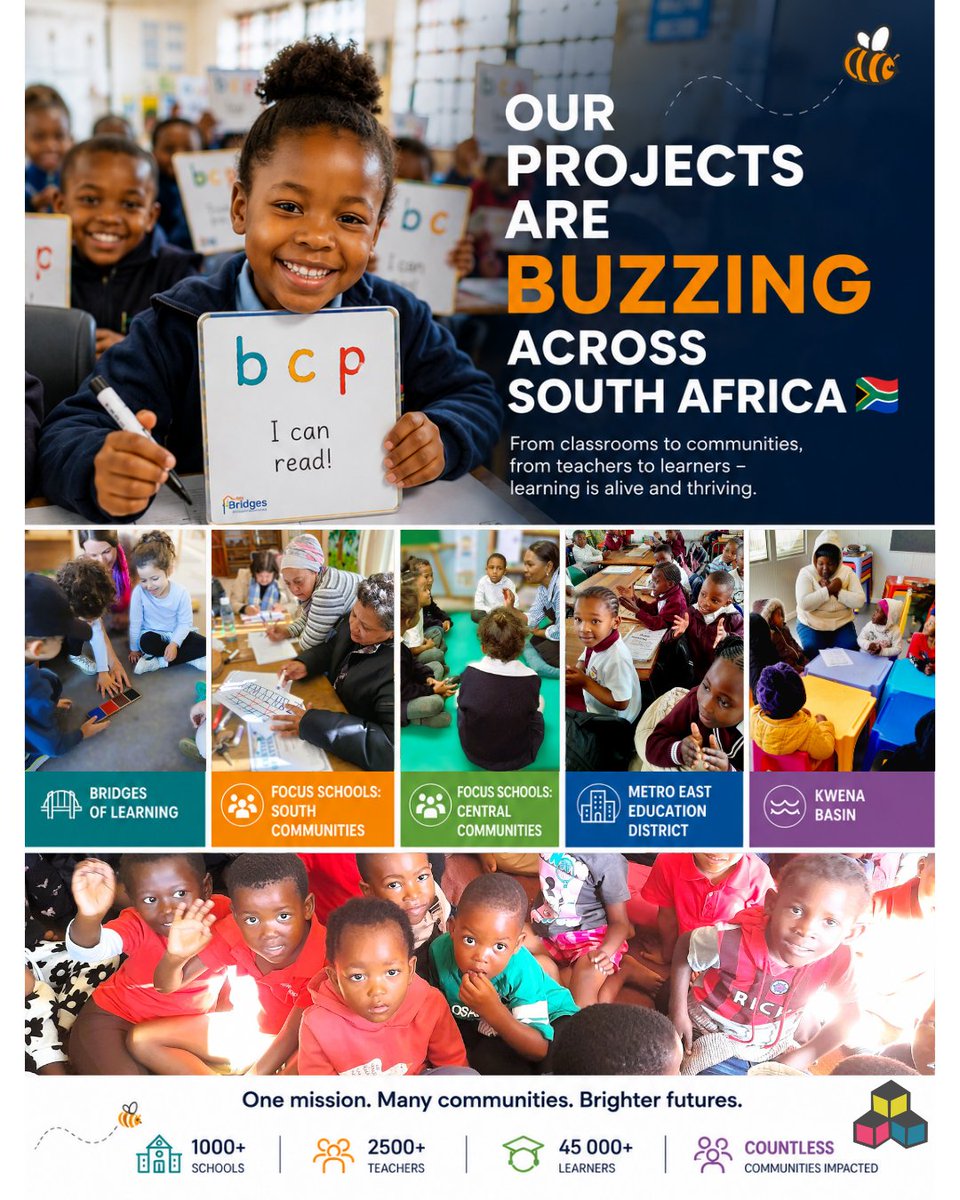
Our projects are buzzing across South Africa!
From classrooms in Metro East to communities in the Kwena Basin, teachers and learners are building language, thinking and learning skills every day.
A snapshot of the impact and energy we've seen so far in 2026.
#Education#ZA
Implementation starts when teachers feel supported.
Following our recent Kwena Basin Extension Project visit to Mpumalanga, teachers are already sharing classroom implementation, mediation and learner engagement across project support groups.
From training→ practice→ momentum
Literacy skills are dropping in wealthy developed countries, including the United States, according to data from The Organisation for Economic Co-Operation and Development. Andreas Schleicher, the OECD Director of Education and Skills, tells Leigh Kiniry that the best thing parents can do for children to improve overall development is read to them, and that reading books over 100 pages is linked to greater digital literacy, including the ability to separate fact from fiction.
When schools choose growth, children gain stronger foundations. 🌱
Celebrating educators from the South Communities cluster who voluntarily completed the Basic Concepts Foundation programme! Real change starts when schools lead the way.📚✨
#EducationMatters#TeacherDevelopment
Most classrooms teach content. We teach thinking. 🧠
The BCP path moves children from intuitive, pre-operational thoughts to logical reasoning. It’s not about age; it’s about structured, mediated learning that develops both cognition and self-regulation. 🏗️
#BCP
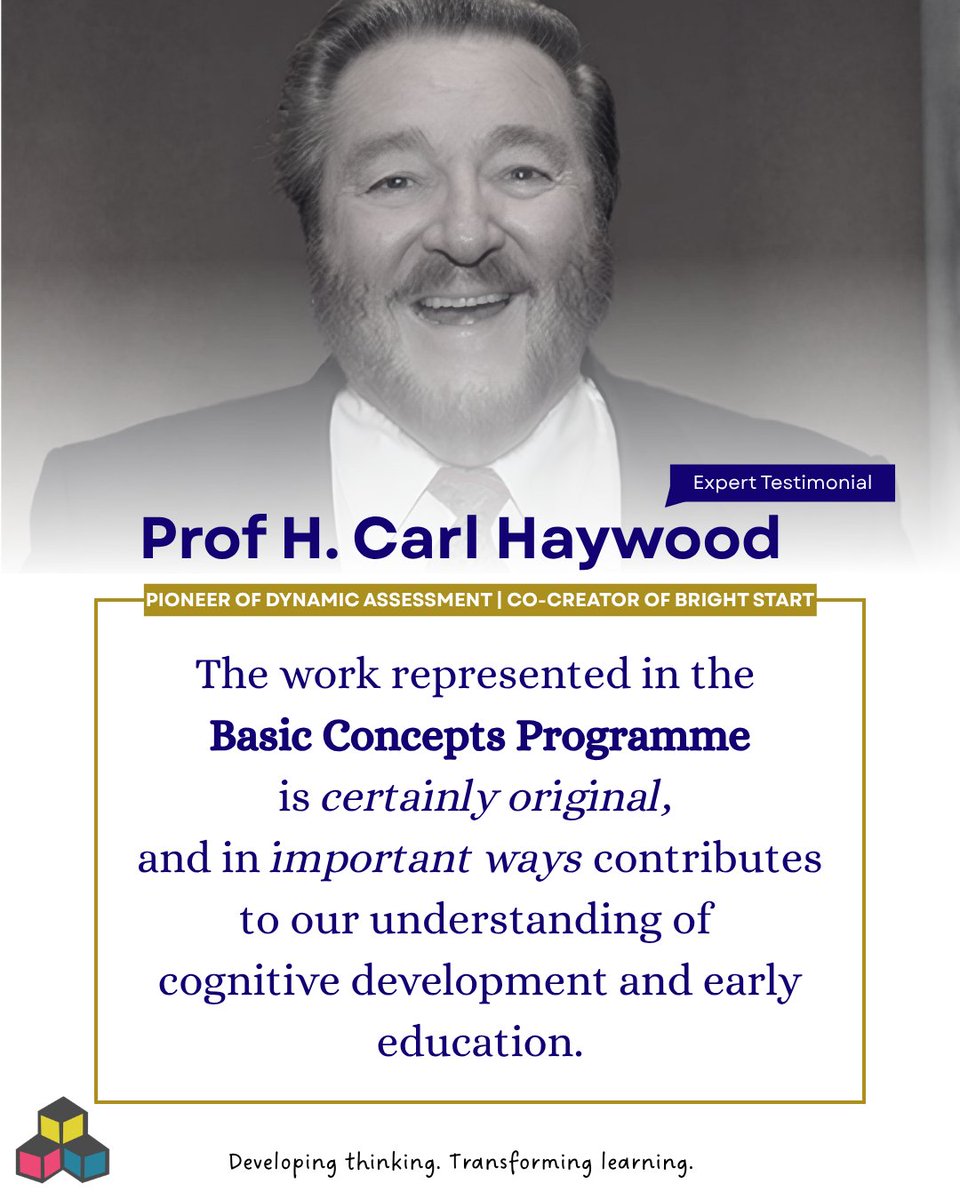
"The work represented in the Basic Concepts Programme is certainly original..." — Prof. H. Carl Haywood.
A pioneer of Dynamic Assessment and a global authority on cognitive education, Prof. Haywood’s legacy continues to influence the BCP today. 🧠✨
#CognitiveEducation#Education
If learning doesn’t transfer, cognition hasn’t changed.
Vol 1, Edition 14 challenges what we think we see in classrooms.
Read more: https://t.co/Ykld8nHReE
#EducationZA#Learning#Teaching
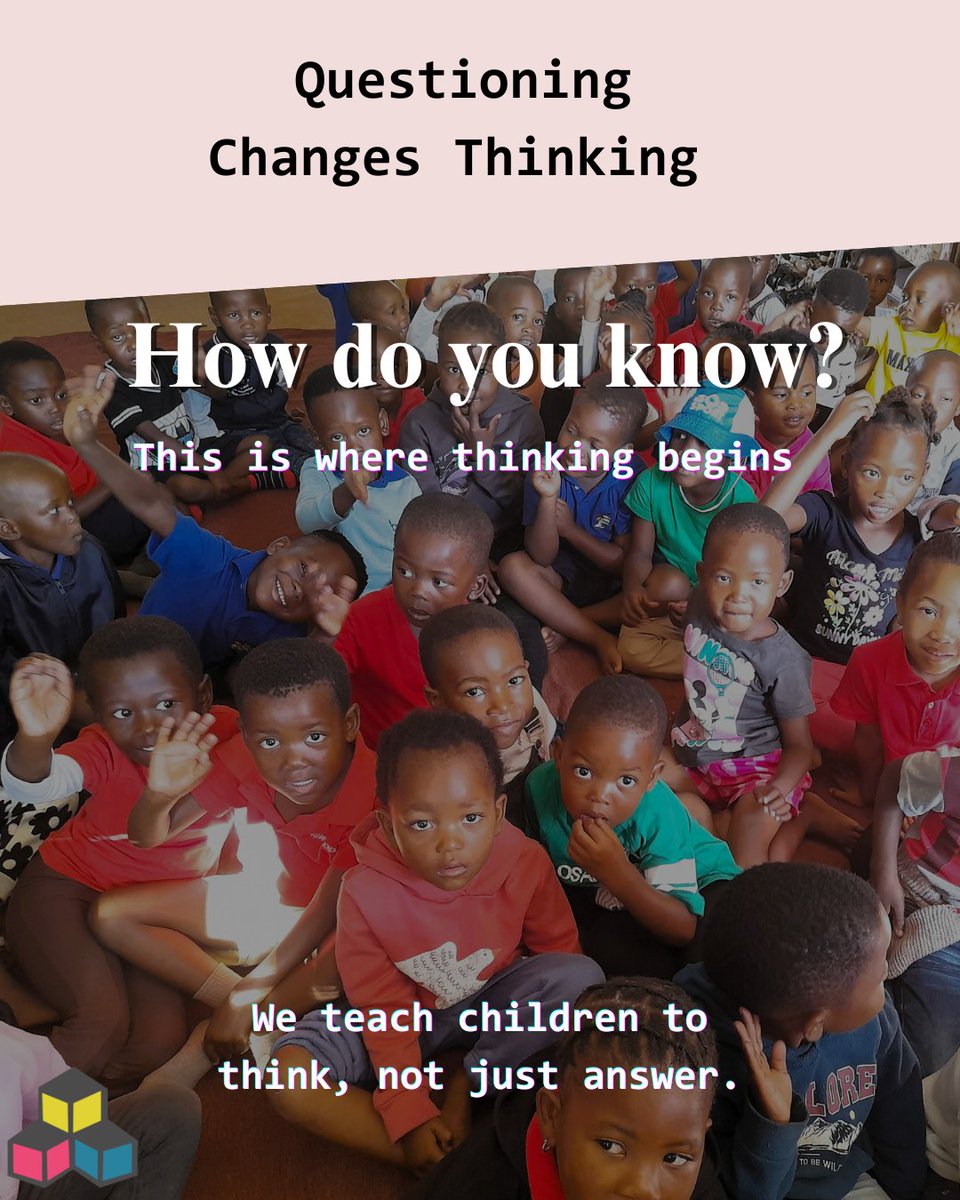
We are raising confident communicators.
But are we raising careful thinkers?
In a world of instant opinions, thinking can get lost.
It starts with one question:
How do you know?
#QuestioningChangesThinking#BCP#EducationZA
A Community of Practice is growing in Southern Communities | Metro South.
Teachers collaborating, sharing, and supporting each other — not once-off, but ongoing.
Real change, led by teachers. Proud to walk alongside them.#TeacherCommunity#MetroSouth#EducationZA
“…vocabulary-rich children arrive at school with a hidden cognitive advantage ... They have heard “ridiculous” and “extraordinary” and “investigation” at the dinner table, in bedtime stories, in the overheard conversations of articulate adults. Their minds have been silently sketching the spellings of hundreds of words they have never read..
“Children from language-poor environments arrive without those skeletons…
“It is a gap in prediction. And it compounds: the child who reads more easily reads more, hears more words in the context of text, forms more skeletons, and reads still more easily. The child who struggles reads less, encounters fewer new words, forms fewer skeletons, and falls further behind.”
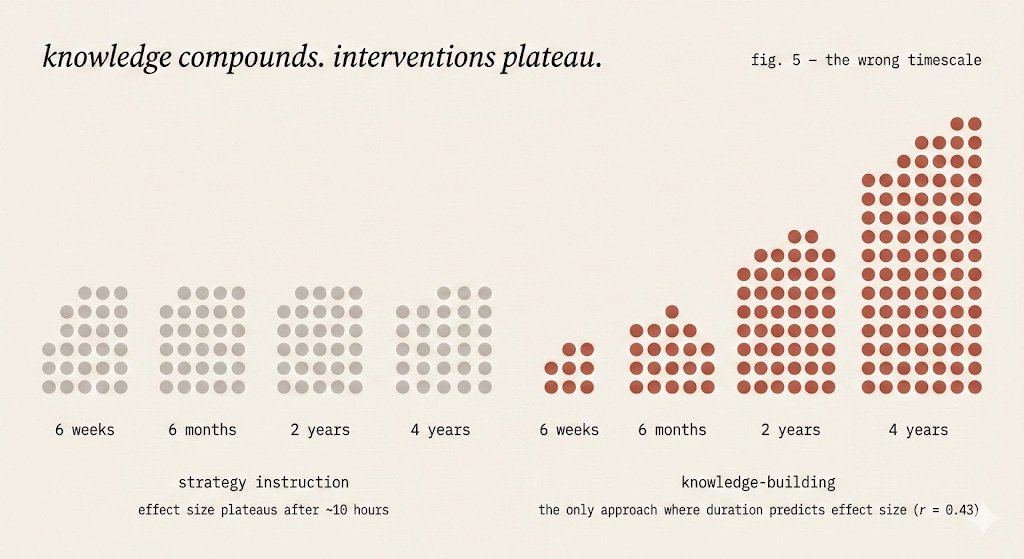
Does educational intervention last? The data from our DSF and MEED projects says a resounding YES. 📈
From a ~35% baseline to over 80% school readiness—and maintaining those gains years later. It’s not a once-off "bump"; it’s a meaningful change in the classroom.
#Education
Six schools. One table. One conversation. 🌉
The Bridges of Learning Project brings together Grade R teachers from District Six and private schools in CPT. Different contexts, but the same goal: strengthening classroom practice through shared reflection. 🍎
#TeacherSupport
If learning doesn’t transfer to new contexts, cognition hasn’t changed.
Stop chasing surface improvement. Start targeting Cognitive Modifiability: ✅ Transfers to new tasks ✅ Holds under pressure ✅ Predicts future learning
Cognitive change is intentional. #CognitiveChange
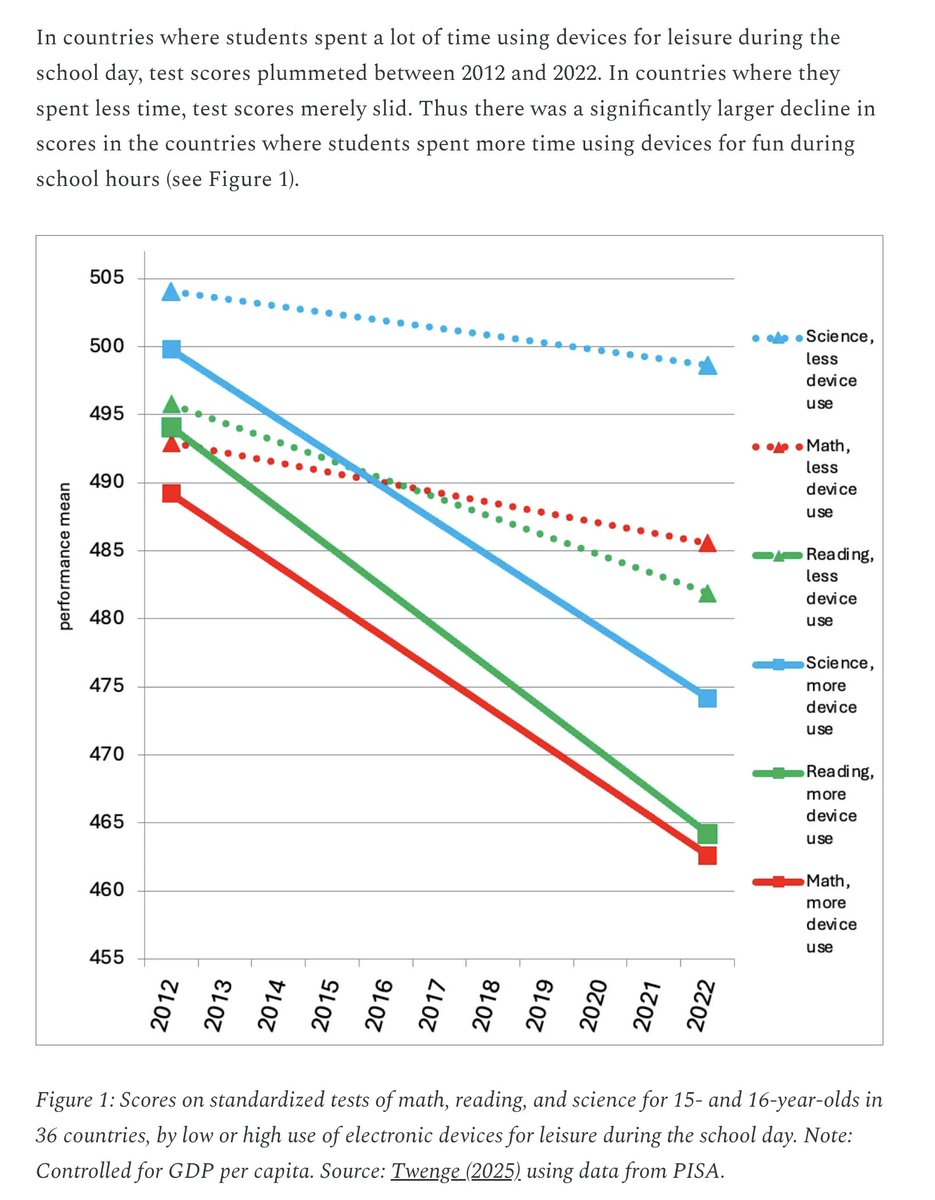
More evidence that the global decline in test scores that began after 2012 is linked to the proliferation of smartphones and computers in class: The slide was bigger in countries where students began spending more time on devices (for leisure)
https://t.co/HbzevWcG9e
WOW!!
That's remarkable... and it's been replicated.
Reading 2 books for 12 weeks increased reading age between 8 and 16 months. Phenomenal.
With @MaryMyatt@researchEDBrum#rEDBrum
Mark Zuckerberg might be the first person on Earth who showed almost no emotion when he got accepted into Harvard.
Video captured by his father in 2002.