وفقًا للخريطة الجديدة للعالم، التي صوّتت الجمعية العامة للأمم المتحدة على اعتمادها بديلًا لخريطة "Equal Earth" لتظهر أفريقيا بأبعادها الدقيقة الأكبر من غيره.
ظهرت مصر بحدودها المستقرة كاملةً متضمنةً مثلث حلايب وشلاتين؛ فاحرصوا على استخدامها عوضًا عن الخرائط الأخرى المنقوصة والمروجة من قبل البعض، وانشروها في كل ميدان واتجاه.
الراجل ده ظاهرة غريبة
ضارب بكل أخلاقيات المجتمع عرض الحائط لابس حلق عامل تاتوهات مبيظهرش غير وفي إيده الخمرة وحواليه دستة بنات صاحب ممثلة قبل كدة ومتجوزهاش ضارب واحد باقلم عشان طلب يتصور معاه وحارب ضحيته في المحاكم عشان ميديلوش ٢٠٠ جنيه تعويض، حتى شيرين رضا طليقته قالت من سنتين في برنامج إنه خانها مع صاحبتها، منتجه محسن جابر قالك ��نت معاه بيعمل عملية بعدها بيومين وقع مع روتانا واتفاجئت إنه بيوقع في التلفزيون زيي زي الناس وأخر موقف أهه لما باع تامر حسين صاحب أغنية أتأخر عتابنا عشان تركي مع ذلك محدش فكر يكانسله رغم ان اي فنان غيره هيعمل حاجة واحدة من اللي بيعملها الناس هتدفنه حي مع ذلك عمرو دياب لسى الناس بتحبه وتتهافت عليه، غريب بجد الراجل بيعمل كل الموبقات وشخصية من أسفل ما يمكن ولسى رقم ١
The Egyptian Blue - more than just a colour...
Around 200 years ago, chemist and inventor Sir Humphry Davy went to the ruins of Titus’ baths in Rome. There, ‘amongst some rubbish, [he] found several large lumps of a deep blue frit’. Soon after, Davy found the same material on a pot in Pompeii. He realised that he had rediscovered the material ‘of which the manufacture is said to have been anciently established at Alexandria’, the first synthetic pigment, Egyptian blue. The tale of Egyptian blue’s discovery, ‘disappearance’ and rediscovery is a fascinating one, and illustrates beautifully how art can act as a facilitator for the advancement of chemistry.
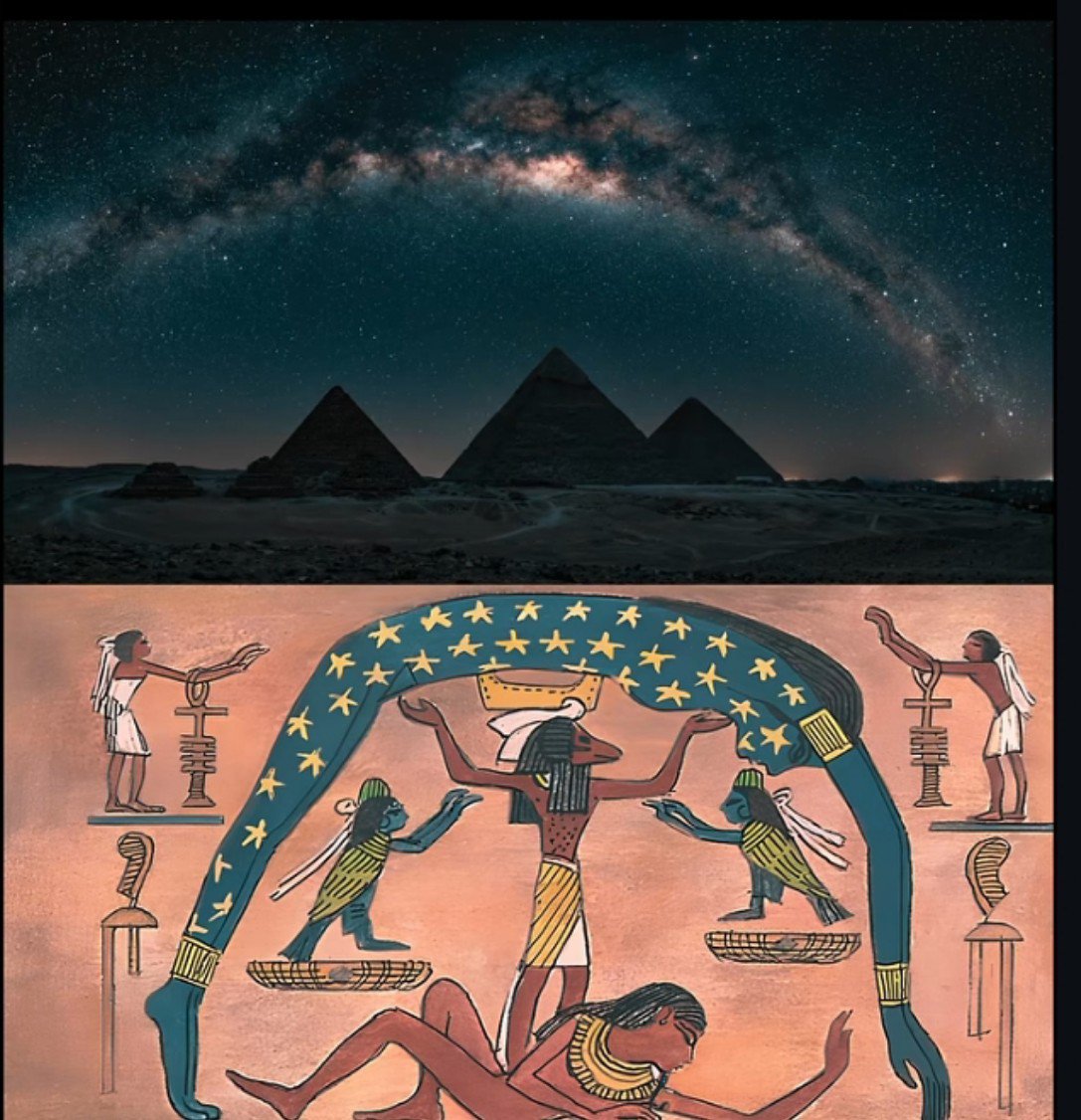
For the ancient Egyptians, blue was a very important colour. It was associated with the sky and the river Nile, and thus came to represent the universe, creation and fertility. However, in ancient times, only the earth colours (colours provided by the surface soil) were used as pigments – blue could not be easily obtained by Egyptian artists. Indeed, the only natural source of blue was the rare and expensive mineral lapis lazuli, which was mined in what is now Afghanistan. However, at around 2600 BC, Egyptian blue enters the historical record, and use of the pigment gradually spread across the ancient world as far as Mesopotamia and the Roman empire before being apparently lost in the dark ages. Sadly no Egyptian recipe for the pigment remains, but Vitruvius, a Roman writer in the 1st century BC, stated that sand, copper (from a mineral such as azurite or malachite) and natron (a naturally occurring mixture of sodium compounds, including sodium carbonate) were the ingredients. Modern experiments show that Egyptian blue (chemical formula: CaCuSi4O10) can be obtained by heating these chemicals to 800–900°C with the addition of lime, a calcium-containing material, which must have been present in the ancient method, probably as an impurity in the sand.
Whether its discovery came about by design or chance, the synthesis of Egyptian blue was a seriously impressive accomplishment. Achieving necessary temperature control for successful reaction would have been a major challenge, as indeed would the correct addition of oxygen. Another testament to the skill of Egyptian chemists is consistency of the pigment throughout history. Composition in artworks such as the mastaba (tombs) of Mereruka, from the Old Kingdom (2600–2100 BC), is almost exactly the same as that found in a mummy coffin dating from the Greco-Roman period (330 BC–AD 400), and there are other examples dated between these two that show similar compositions.
In an exciting development for chemists and artists, it was reported in 2009 that Egyptian blue shows exceptional luminescence in the near-infrared region.3 This means that the pigment can be easily detected in a completely non-destructive fashion simply by illuminating ancient works of art with near-infrared radiation. The luminescence is so strong that the presence of minute amounts of Egyptian blue can be detected even when no blue colour is visible to the naked eye. The British Museum was able to use this technique to provide the first proof that the Elgin Marbles had once been painted, finding the pigment on several sculptures from the Parthenon.
#archaeohistories











![archeohistories's tweet photo. The Egyptian Blue - more than just a colour...
Around 200 years ago, chemist and inventor Sir Humphry Davy went to the ruins of Titus’ baths in Rome. There, ‘amongst some rubbish, [he] found several large lumps of a deep blue frit’. Soon after, Davy found the same material on a pot in Pompeii. He realised that he had rediscovered the material ‘of which the manufacture is said to have been anciently established at Alexandria’, the first synthetic pigment, Egyptian blue. The tale of Egyptian blue’s discovery, ‘disappearance’ and rediscovery is a fascinating one, and illustrates beautifully how art can act as a facilitator for the advancement of chemistry.
For the ancient Egyptians, blue was a very important colour. It was associated with the sky and the river Nile, and thus came to represent the universe, creation and fertility. However, in ancient times, only the earth colours (colours provided by the surface soil) were used as pigments – blue could not be easily obtained by Egyptian artists. Indeed, the only natural source of blue was the rare and expensive mineral lapis lazuli, which was mined in what is now Afghanistan. However, at around 2600 BC, Egyptian blue enters the historical record, and use of the pigment gradually spread across the ancient world as far as Mesopotamia and the Roman empire before being apparently lost in the dark ages. Sadly no Egyptian recipe for the pigment remains, but Vitruvius, a Roman writer in the 1st century BC, stated that sand, copper (from a mineral such as azurite or malachite) and natron (a naturally occurring mixture of sodium compounds, including sodium carbonate) were the ingredients. Modern experiments show that Egyptian blue (chemical formula: CaCuSi4O10) can be obtained by heating these chemicals to 800–900°C with the addition of lime, a calcium-containing material, which must have been present in the ancient method, probably as an impurity in the sand.
Whether its discovery came about by design or chance, the synthesis of Egyptian blue was a seriously impressive accomplishment. Achieving necessary temperature control for successful reaction would have been a major challenge, as indeed would the correct addition of oxygen. Another testament to the skill of Egyptian chemists is consistency of the pigment throughout history. Composition in artworks such as the mastaba (tombs) of Mereruka, from the Old Kingdom (2600–2100 BC), is almost exactly the same as that found in a mummy coffin dating from the Greco-Roman period (330 BC–AD 400), and there are other examples dated between these two that show similar compositions.
In an exciting development for chemists and artists, it was reported in 2009 that Egyptian blue shows exceptional luminescence in the near-infrared region.3 This means that the pigment can be easily detected in a completely non-destructive fashion simply by illuminating ancient works of art with near-infrared radiation. The luminescence is so strong that the presence of minute amounts of Egyptian blue can be detected even when no blue colour is visible to the naked eye. The British Museum was able to use this technique to provide the first proof that the Elgin Marbles had once been painted, finding the pigment on several sculptures from the Parthenon.
#archaeohistories](https://pbs.twimg.com/media/HB58a7qbUAAxi45.jpg)


