🫁Managing dyspnea is teamwork! Should be next great goal of #ICU multi-professional team caring for critically ill pts on MV. PS dyspnea isN'T breathlessness
🔓https://t.co/lUerVgrxd1
Reply to
🔓https://t.co/NDSRtrixYA
On @EuroRespSoc@ESICM statement
🔓https://t.co/FpAE2c3MQ3
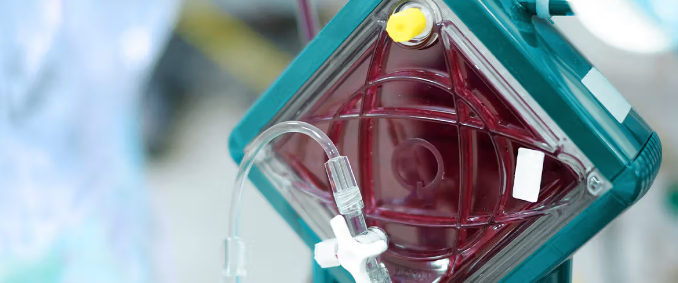
📚A must-read for #ICU & #ECMO enthusiasts!
👉A great collection featuring the state of the art, knowledge gaps and research priorities 🆓
1️⃣🚑ECPR: https://t.co/Tg6TyDpMWG
2️⃣ 🫁 V-V ECMO: https://t.co/beldzA5SeT
3️⃣🫀 V-A ECMO: https://t.co/cFdWhXLzyq
#IntensiveCare
What's new in cardiac #ICU??
🫀 Valvular procedures in interventional cardiology
🔓 https://t.co/Ohuw386WKS
🫀 Cardiogenic shock
🔓 https://t.co/xwG573LiSG
🫀 Mechanical support in children with severe cardiac failure #PedsICU
🔓 https://t.co/O8k2dgFqr0
All free to read #FOAMcc
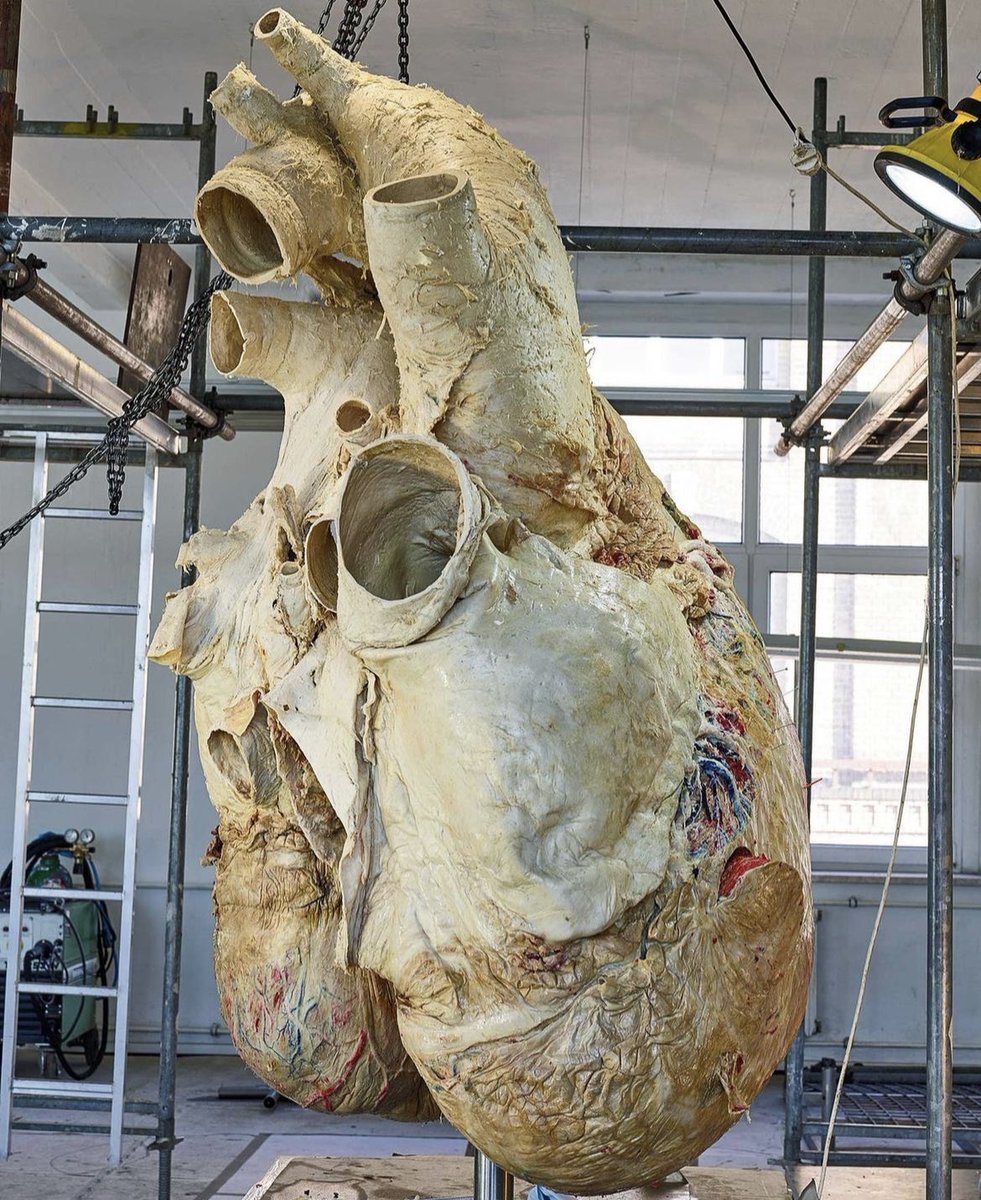
The heart of a blue whale, which can weigh in excess of 1,300 lbs (590 kg), is the size of a small car. The gigantic heart beats 8 to 10 times per minute, and each heartbeat can be heard from over 2 miles (3.2 km) away. Their arteries are so large that a full adult-sized human can swim through them.
At birth, a baby blue whale is already 25 ft long (the size of an adult killer whale) and can drink up to 150 gallons (568 liters) of milk a day, gaining as much as 200 lbs (90 kg) per day in its first year. They feed almost exclusively on krill, which are small, shrimp-like invertebrates that are on average only 1 or 2 centimeters long. They eat 4 to 6 tons of krill a day. As adults, they can grow up to 110 ft (33 m) in length and weigh up to 180 tons.
It's fascinating that throughout history, Earth has been home to some of the biggest animals, but the largest one of them all exists in our timeline, swimming in the deep ocean right now.
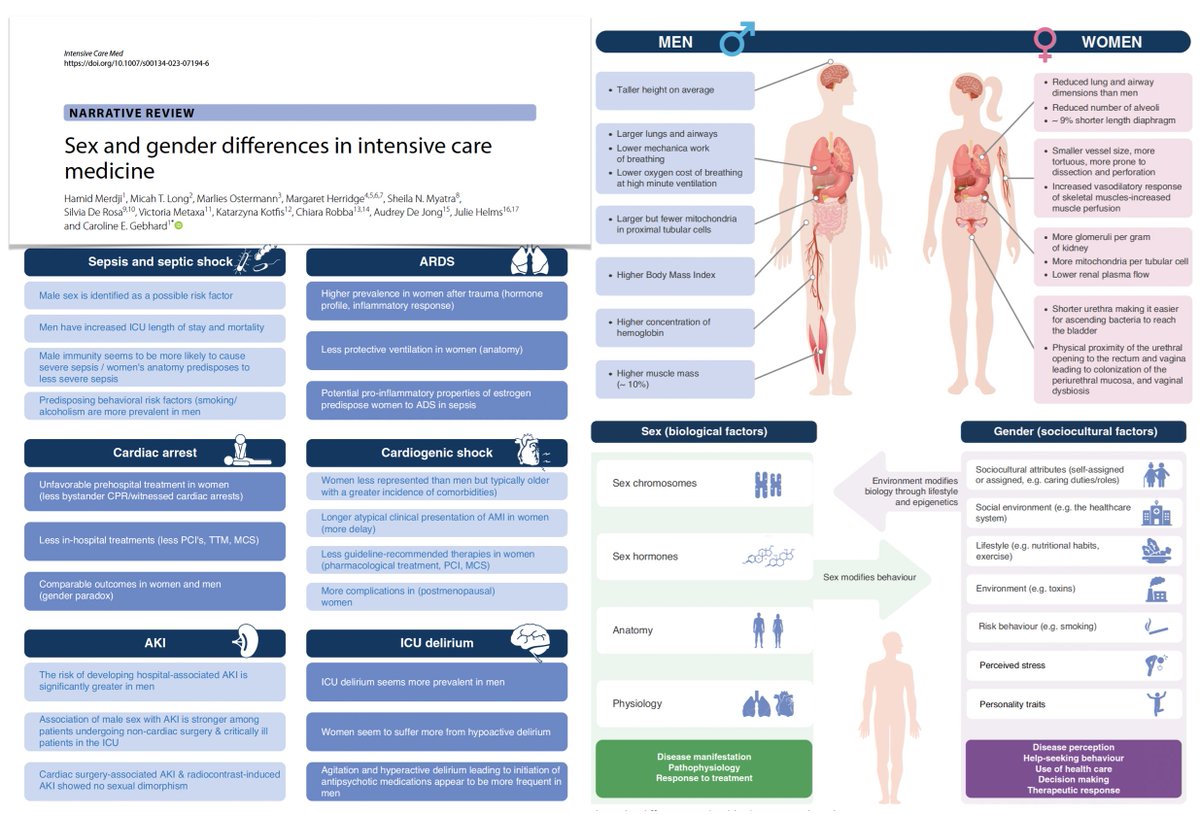
⚤ Sex & gender differences in #ICU, influence on
🏥 admission
🧫 #sepsis & septic shock
🫀 cardiac arrest
🫁 #ARDS
🫀 cardiogenic shock
🫘 #AKI
😵💫 delirium
🩺 medical treatment
🏥 general outcome
Be aware & address in practice/research!
#FOAMcc@yourICM
🔓https://t.co/w8B010bn18
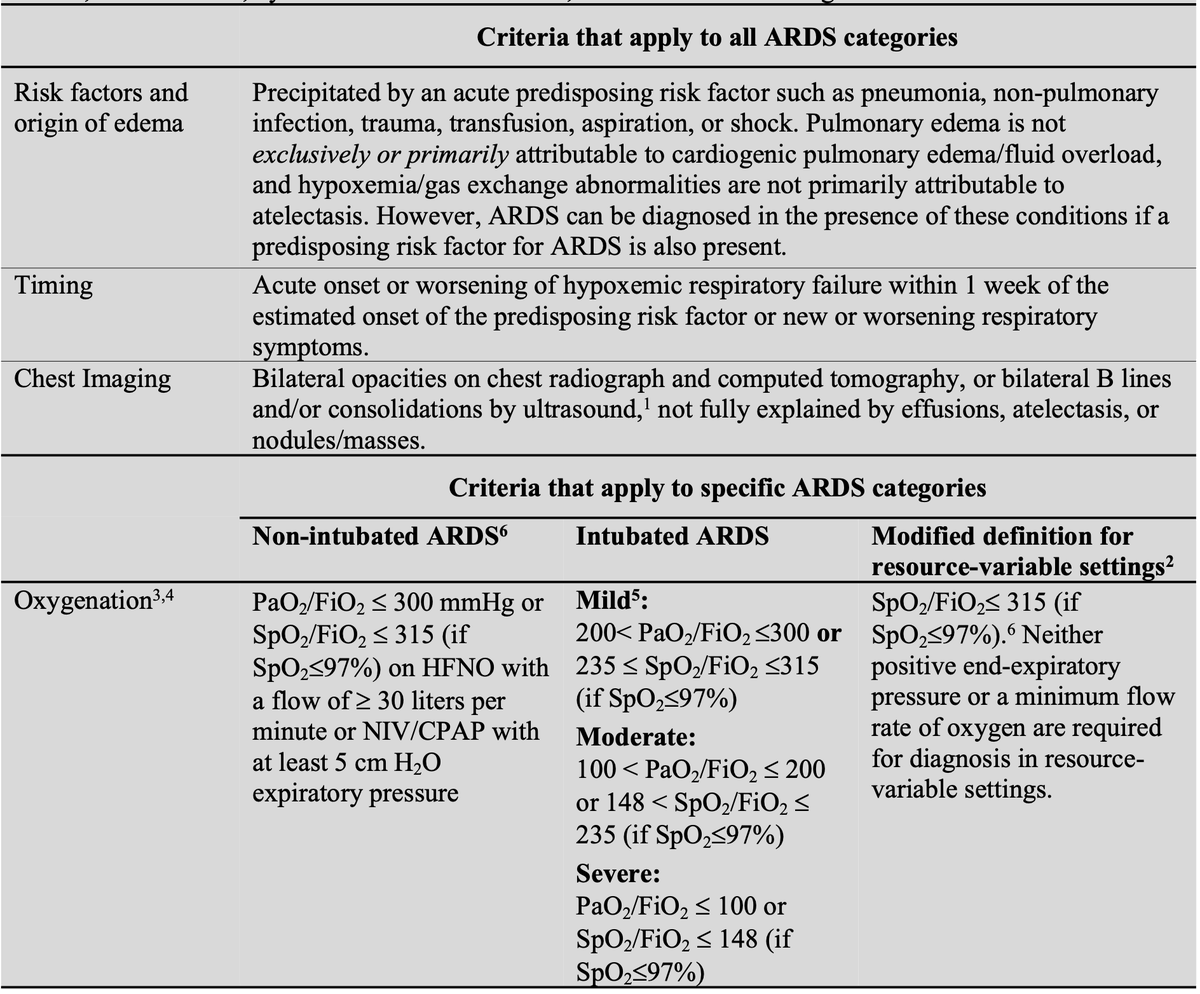
Full Publication of New ARDS Definition🫁
Key changes from Berlin definition
🔸3 categories: Non-intubated, Intubated, resource-limited settings
🔸Inclusion of HFNO, SpO2/FiO2 & POCUS
Let's wait for validation studies.
🔓https://t.co/u7O1RxyK6W
#FOAMcc
https://t.co/Lg0esqcl4u
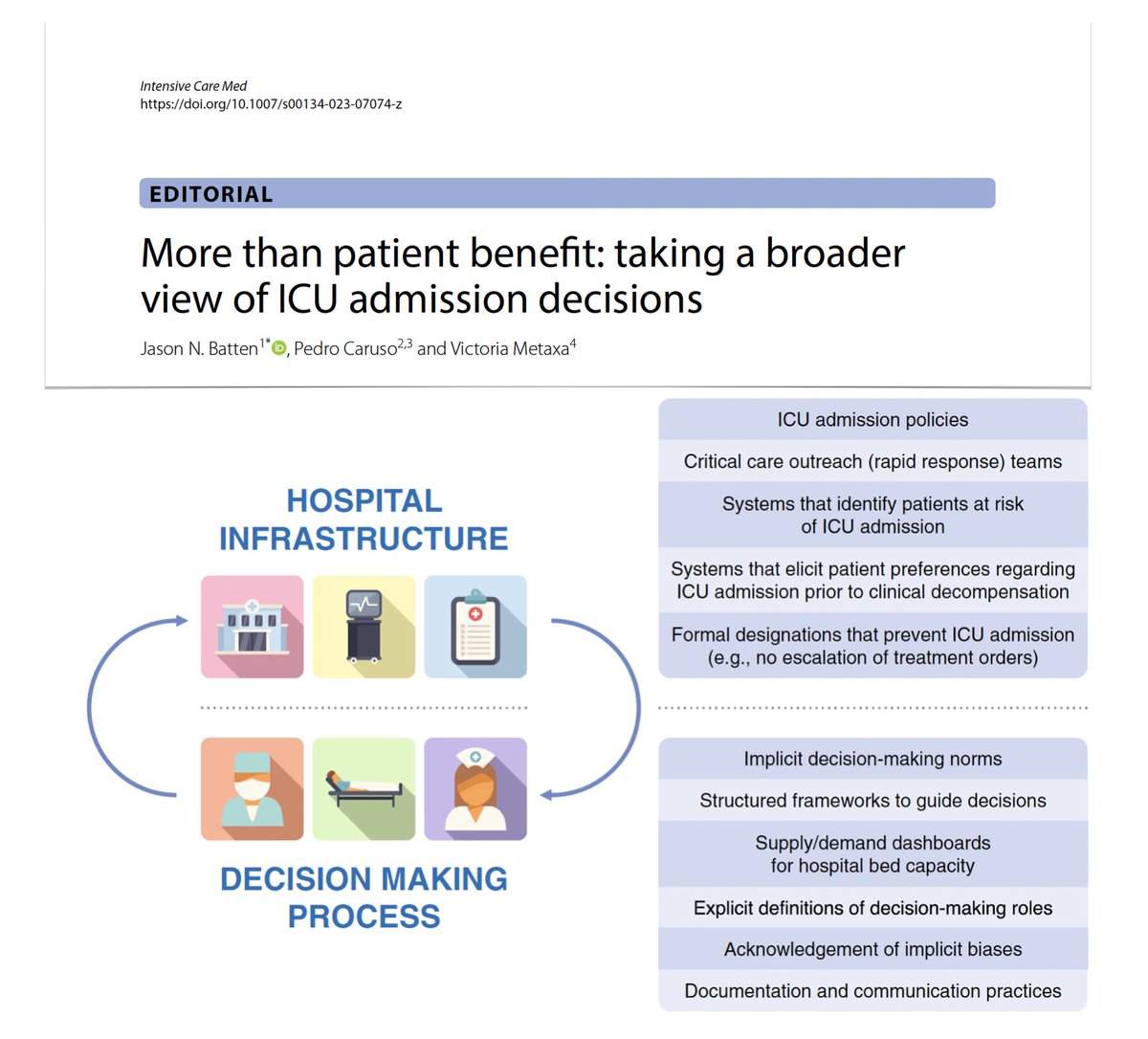
🏥 More than patient benefit: developing a broader understanding of #ICU admission. There is significant interhospital variation: not only a matter of patient preferences & illness severity, but also of social, cultural, organizational factors.
#FOAMcc
🖇️ https://t.co/0iAXOKRKdI
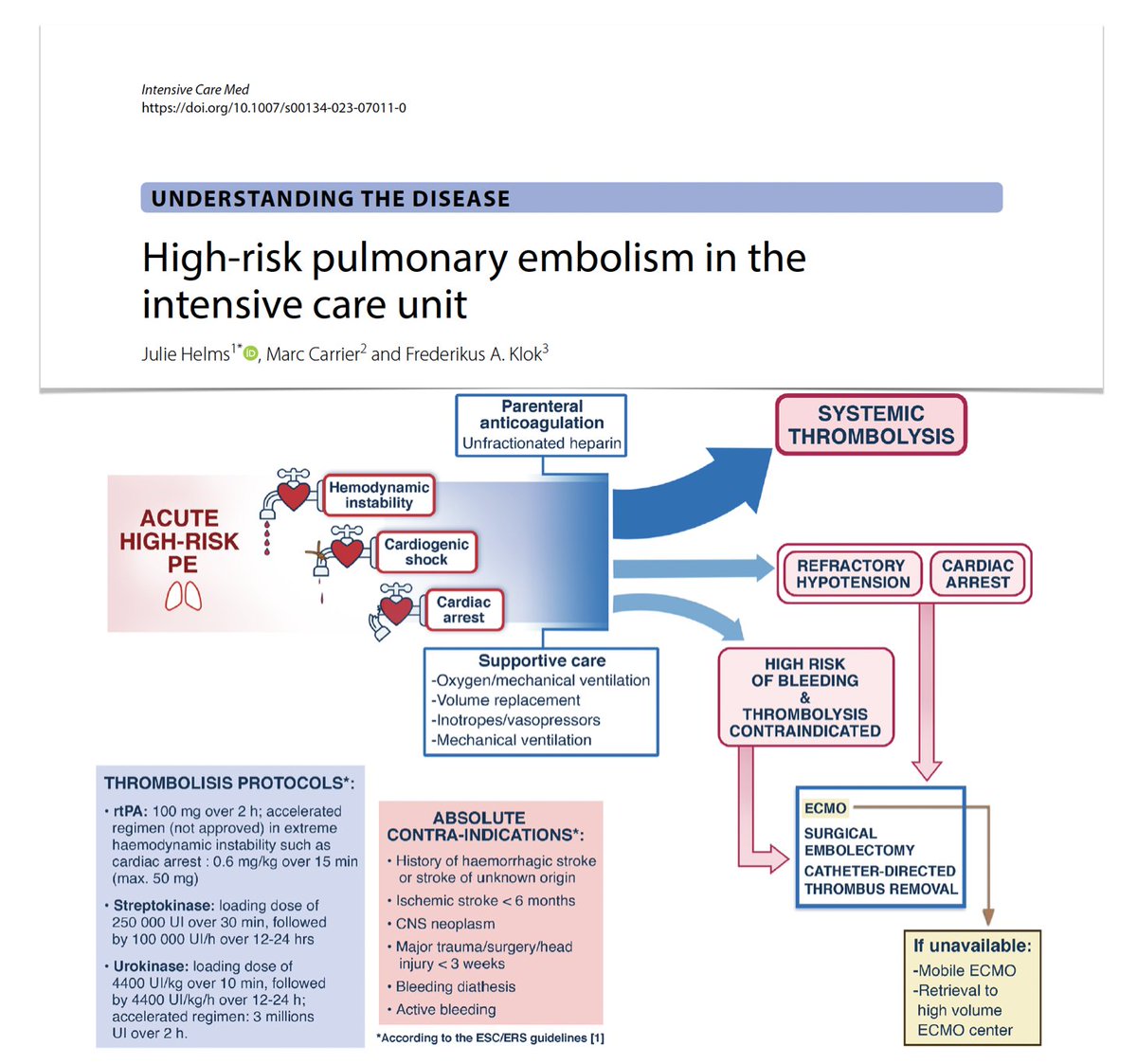
High‑risk pulmonary embolism in #ICU
🩸 understanding high‑risk PE: deadliest presentation of acute PE (case fatality rate 22-65% if CA)
🩸 diagnosing PE in critically ill pt
🩸 (immediate) reperfusion therapy
🩸 hemodynamic support
#FOAMcc on @yourICM
🖇️ https://t.co/8q83i2Ixqk
Sam Galvagno on airway management in obesity (#SCCM2023)
oxygenation normal, but poor reserve - low compliance, compression of small airways at bases. ERV, TLC, FRC reduced.
P's of airways in obesity: Prediction, Positioning, Preox, Performance, Postintubation management
🏆 Here’s some of the TOP @altmetric score articles for 2022... #FOAMcc on @yourICM
☔️ Deresuscitation https://t.co/5k1xZnbCoG
🥚 Myths on albumin https://t.co/f3eErh2Bu5
🩸 Invasive BP monitoring in #ICU, beyond MAP https://t.co/teN0mMbyzS
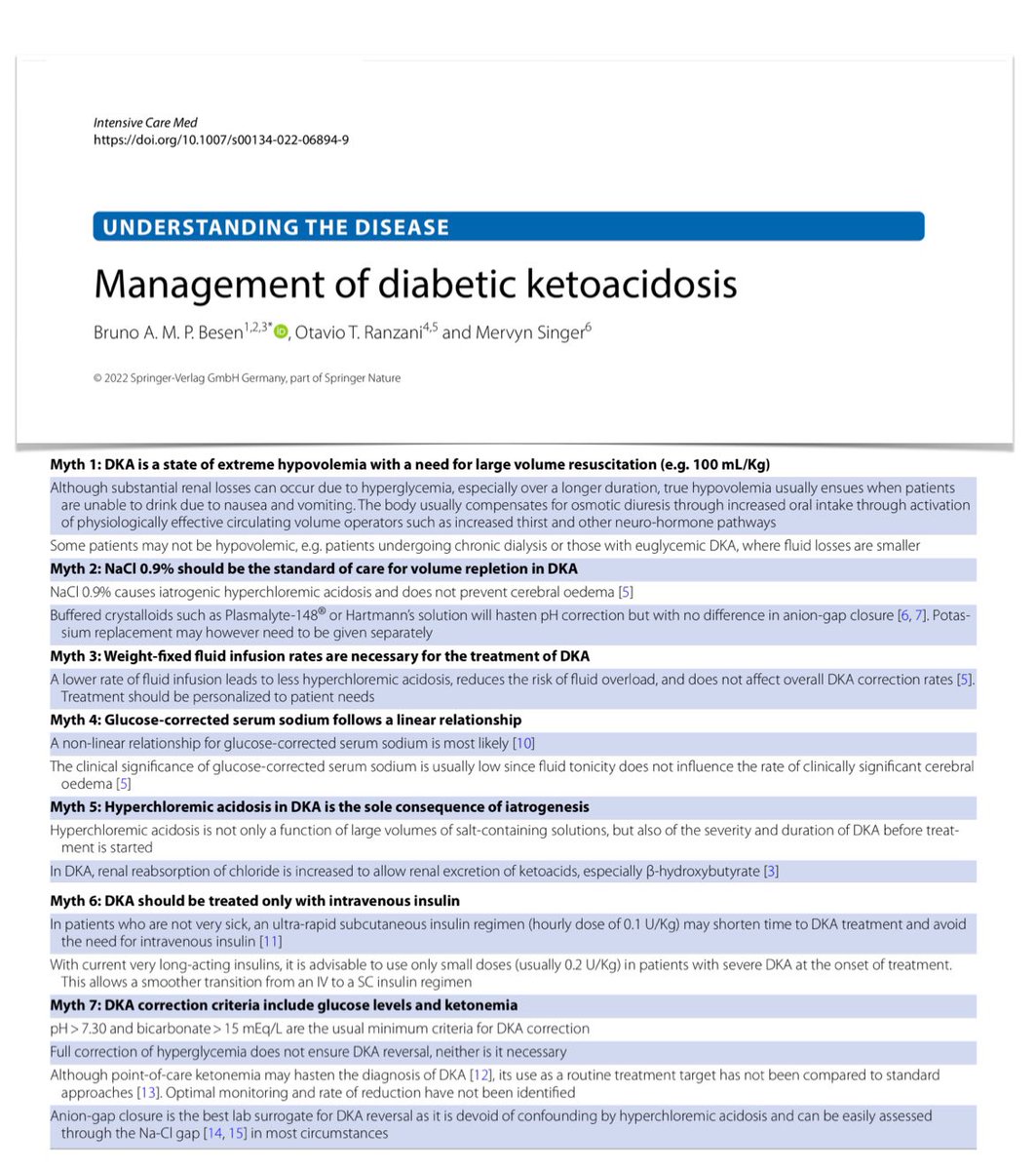
🍬 Managing DKA https://t.co/caykZkUxBi