remembering my 101 film theory class and the instructor saying "the idea that you would ever see anything revolutionary in the confines of a narrative movie in a for-profit cinema should strike you as so ridiculous it's offensive" and students started cryin talking about pixar
thoughts and prayers are with the young men who got Jocko Willink’d into joining the military via a guerrilla marketing recruitment campaign bc enlistment has been in the shitter for 30 years. You are getting airdropped into a 6000 year old mountain fortress filled w Mothafuckas
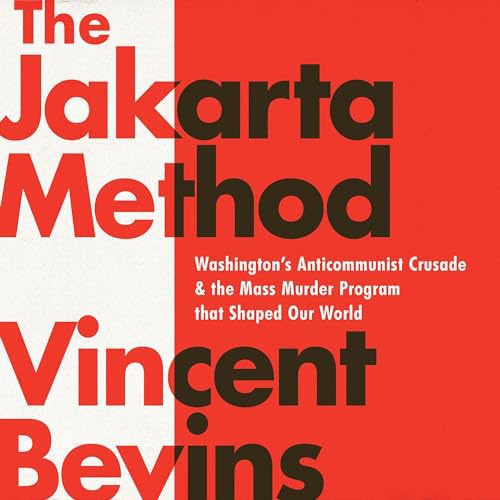
Excerpt from The Jakarta Method by Vincent Bevins (2020):
“The fourth way that anticommunist extermination programs shaped the world is that they deformed the world socialist movement. Many of the global left-wing groups that did survive the twentieth century decided that they had to employ violence and jealously guard power or face annihilation. When they saw the mass murders taking place in these countries, it changed them. Maybe US citizens weren’t paying close attention to what happened in Guatemala, or Indonesia. But other leftists around the world definitely were watching. When the world’s largest Communist Party without an army or dictatorial control of a country was massacred, one by one, with no consequences for the murderers, many people around the world drew lessons from this, with serious consequences.
This was another very difficult question I had to ask my interview subjects, especially the leftists from Southeast Asia and Latin America. When we would get to discussing the old debates between peaceful and armed revolution; between hardline Marxism and democratic socialism, I would ask:
“Who was right?”
In Guatemala, was it Árbenz or Che who had the right approach? Or in Indonesia, when Mao warned Aidit that the PKI should arm themselves, and they did not? In Chile, was it the young revolutionaries in the MIR who were right in those college debates, or the more disciplined, moderate Chilean Communist Party?
Most of the people I spoke with who were politically involved back then believed fervently in a nonviolent approach, in gradual, peaceful, democratic change. They often had no love for the systems set up by people like Mao. But they knew that their side had lost the debate, because so many of their friends were dead. They often admitted, without hesitation or pleasure, that the hardliners had been right. Aidit’s unarmed party didn’t survive. Allende’s democratic socialism was not allowed, regardless of the détente between the Soviets and Washington.
Looking at it this way, the major losers of the twentieth century were those who believed too sincerely in the existence a liberal international order, those who trusted too much in democracy, or too much in what the United States said it supported, rather than what it really supported—what the rich countries said, rather than what they did. That group was annihilated.”
YOU - "Wait, but *why* do you forgive me?"
CUNO - "Listen-listen, Cuno's just big like that. Doesn't need that bitch-ass melodrama. Cuno fires and forgets. Cuno forgives and moves on."
EMPATHY - He doesn't have anyone in the world.