Une traversée du désert de près de 1 200 kilomètres — la terre que Johnny Joestar et Gyro Zeppeli s’apprêtent à défier abrite la zone redoutée par tous sous le nom de "Paume du Diable".
STEEL BALL RUN JoJo's Bizarre Adventure 2e ÉTAPE arrive en 2026.
J'ai plus de 30 ans, et j'me suis jamais fait contrôler, ça fait 10 ans que j'ai mon permis, jamais fait contrôler, depuis mes 14 ans j'ai un scooter, j'me suis fait contrôler UNE FOIS.
Dans le même temps, un arabe ou un noir peuvent mourir pour aller manger. La France.
I am a US citizen & Surgeon who took care of the Boston Maraton Bombing victims in 2013. I paid for 7 years to own a small apartment in downtown #Beirut for my 3 kids to enjoy summers there. Today, #Israel reduced my dream home to rubble, with american weapons, paid by my taxes.
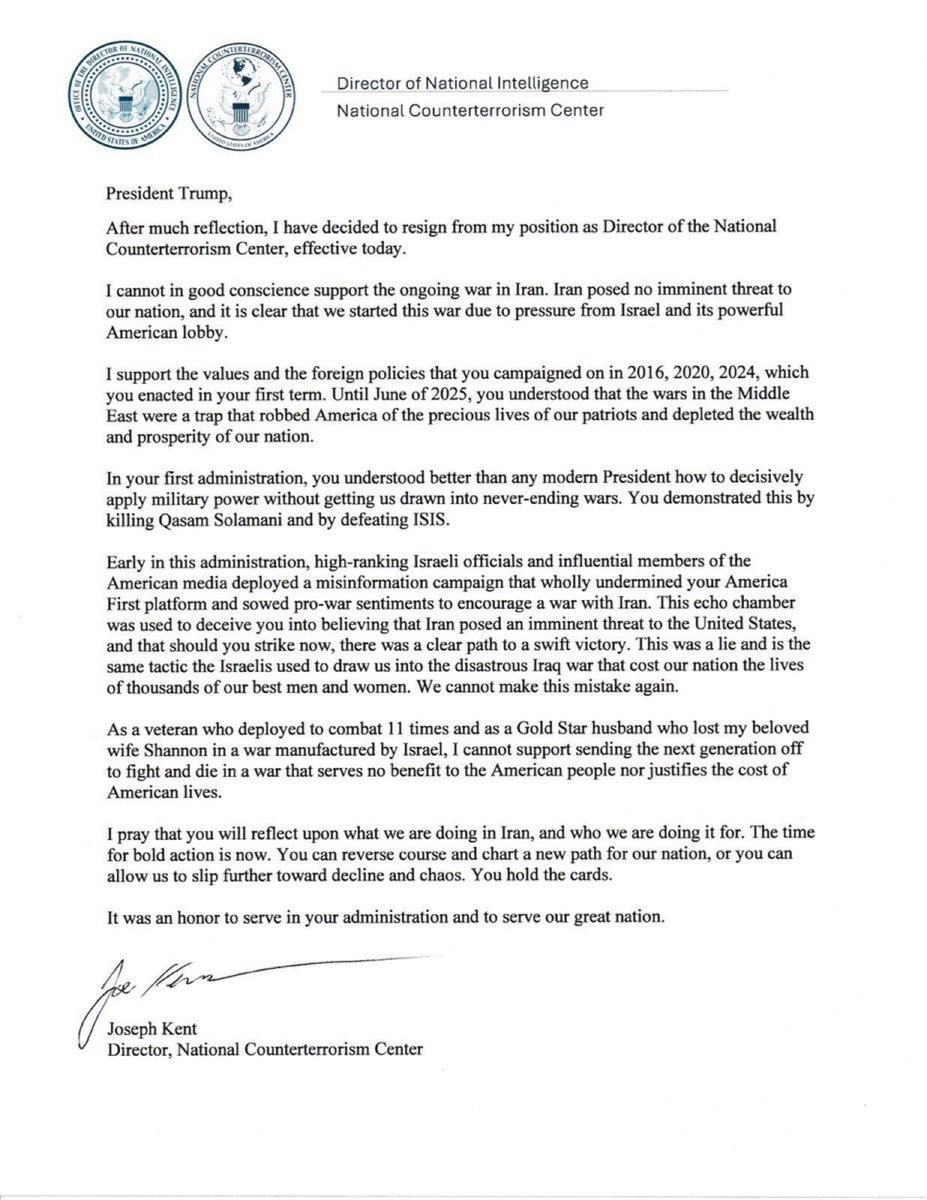
🇺🇸🇮🇱 FLASH - Le directeur de la lutte contre le terrorisme aux États-Unis, Joseph Kent, démissionne : "Je ne peux pas en toute conscience soutenir la guerre en cours en Iran. L'Iran ne représentait aucune menace imminente pour notre nation, et il est clair que nous avons déclenché cette guerre en raison de la pression d'Israël et de son puissant lobby américain". (communiqué)
Here’s a video of Israelis protesting for the “right to rape” demanding soldiers be allowed to sexually assault Palestinian detainees. This is the level of evil we are dealing with
Google and Microsoft just co-authored the spec that turns every website into an API for AI agents. The second-order effects here are massive.
Right now, browser agents work by taking screenshots, parsing the DOM, and guessing which buttons to click. It works about as well as you’d expect. Fragile, expensive, slow. WebMCP replaces all of that with a single browser API: navigator.modelContext. Websites register structured tools directly in client-side JavaScript. The agent reads a menu of available actions, calls them, gets structured data back. No scraping. No backend MCP server in Python or Node. The tools run inside the browser tab and share the user’s existing auth session.
Early benchmarks show ~67% reduction in computational overhead compared to visual agent-browser interactions. Task accuracy around 98%.
The second-order effect is where this gets wild. Today, when a browser agent visits two competing airline sites, it’s guessing at both interfaces equally. Once WebMCP adoption spreads, the site that exposes structured tools gives the agent a clean, reliable path to complete the task. The site that doesn’t forces the agent to fumble through the UI. Agents will prefer the cheaper path. Every time.
This means “Agent Experience Optimization” becomes a real discipline. Tool naming, schema design, description quality. Sound familiar? It’s the same shift that happened when meta descriptions and structured data became optimization surfaces for search engines. Except this time, the traffic source isn’t Google’s crawler. It’s every AI agent on the internet.
Bots already make up 51% of web traffic. Google just gave them a front door.