Today in Vancouver, I gave a talk on battery fires to the British Columbia Chapter of the Society of Fire Protection Engineers:
*Science and Technology of Battery Fire Safety*
I think the talk went well🤞. This thread is a summary of the key points I wanted to make.
1/16
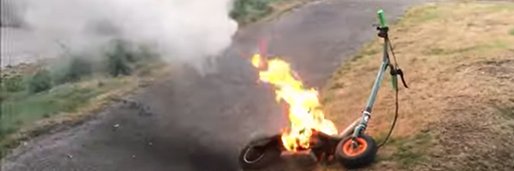
This video of an electric vehicle fire highlights three key points. First, fire is not just flames; the fire began before visible flames appeared due to self- heating ignition (=thermal runaway). Second, once flames appeared, the fire grew rapidly, posing a serious challenge to fire protection systems that assume a slower, more classical fire development. Third, jet flames formed, which can cause rapid fire spread in those directions. These aspects underscore the complexity of the new hazard of battery fires.
@BatteryFires
E-bike fires happening 'every other day' in London
“The fire chief urged people to store e-bikes and e-scooters outside or in a location such as a shed if possible, or to keep them in rooms where the door can be shut”
@BatteryFires https://t.co/SZrStHBqKQ
Wildfires, Tall Timber & Battery Fires?
Combustion science is at a crossroads with climate change and safety. This is my 2021 invited talk on how fire science must evolve to meet today’s challenges.
https://t.co/fsd6aAhagF
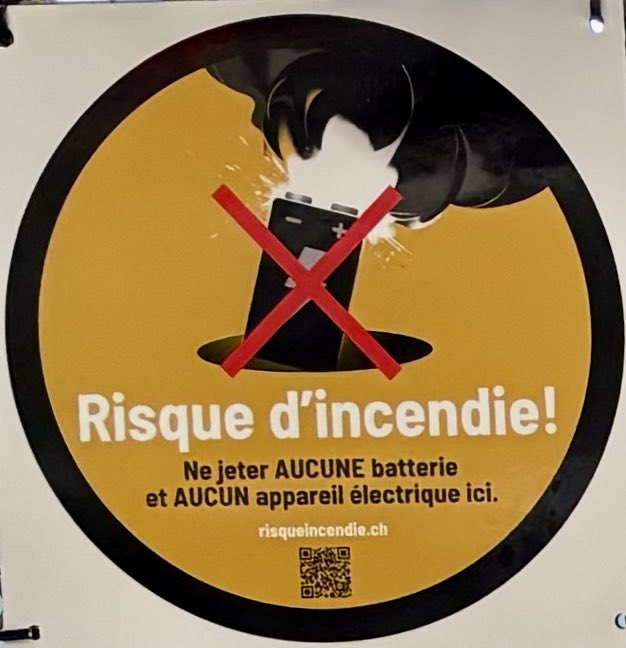
I am starting a collection of battery fire safety signs from around the world. This one is from Switzerland. Do you have one to share?
#BatteryFireSigns
Our research on battery safety: Understanding and Mitigating Lithium-ion Battery Fires
Lithium-ion batteries power our modern world, from phones and computers to homes and vehicles, but they also pose unique fire hazards: unusual initiation, higher toxicity, faster spread, and harder suppression. The research of my group at Imperial College London dives deep into understanding this hazard and developing engineering solutions to improve fire safety.
With battery fires among the fastest-growing fire hazards globally, our work aims to inform safety regulations, improve designs, and mitigate risks across industries.
Collaboration and knowledge-sharing are key. Let us know your thoughts!
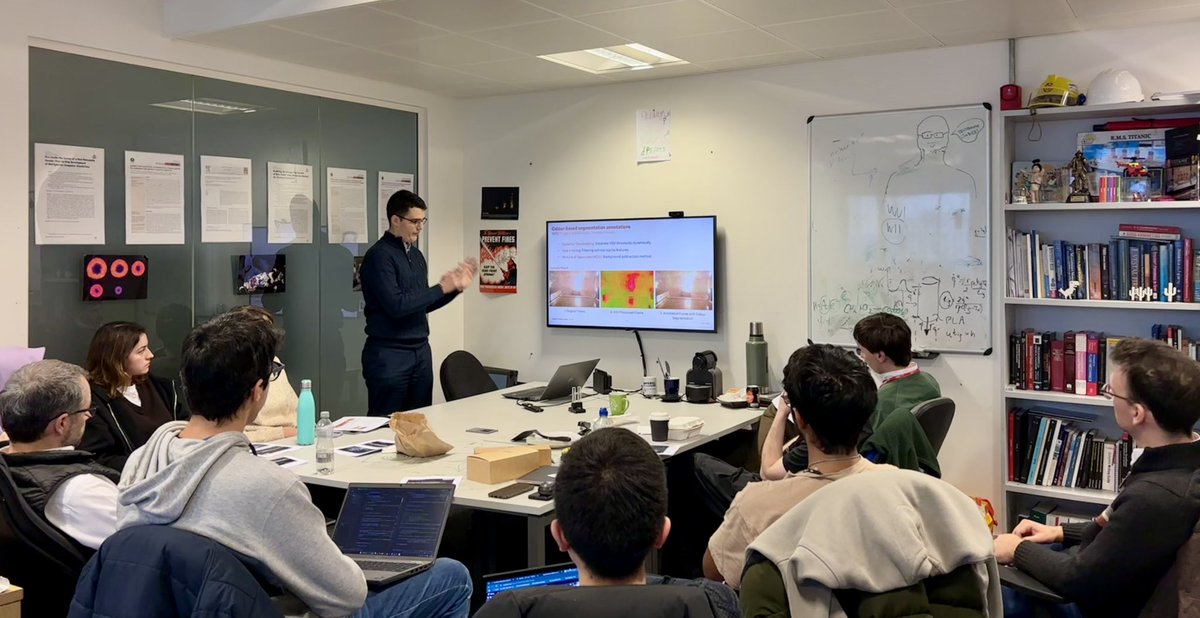
Today, three MEng students of @imperialcollege, who are working with us on fire safety topics, presented their projects to the group: ejecta from battery fires, dynamics of elevated fires, and wildfires in Minecraft. Bravo! You did an excellent job. I was truly impressed.
Great to meet Elena Funk from DBI during her visit to @ImperialCollege! She is tackling the challenge of battery fires in her PhD with Francesco Restuccia at KCL, a topic at the intersection of fire safety and energy storage. Looking forward to future discussions! 🔥
Great to catch up with Prof. Mohd Zahirasri from @uputramalaysia during his visit this week! We had great discussions on his latest research into waste fires and into EV fires, both are critical challenges in fire safety today. Looking forward to future collaborations! 🔥🚗♻️
Had an interesting discussion on the shifts in the insurance industry in relation to #EV's today at the @NWRF2012 Battery Technology Risk Group,with a range of partners. Maybe it's time for house owners to read their small print.
cc @GuillermoRein@Selyst
https://t.co/NF9wtBMgIX
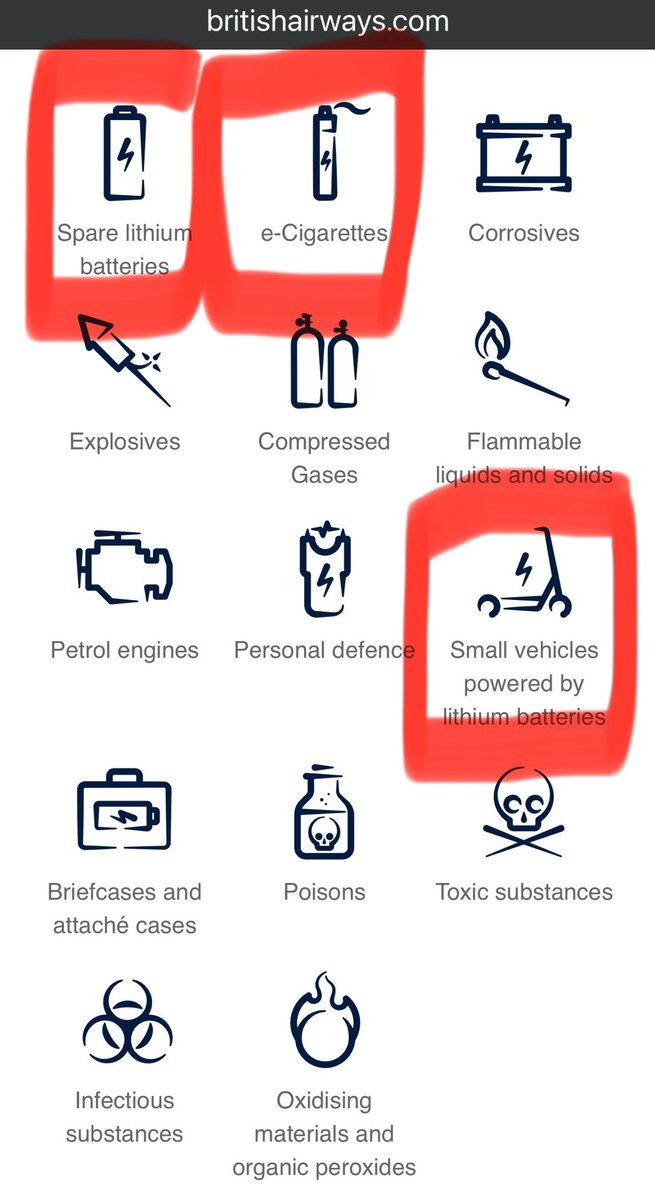
When people ask whether Li-ion batteries are truly hazardous or if concerns are exaggerated, I suggest they check the cargo guidelines of any major airline. For instance, British Airways includes Li-ion batteries alongside explosives, poisons, and infectious substances in its restricted categories. Are those hazardous?
Electric Vehicles that have been flooded in saltwater can catch fire. If you evacuated and left an electric vehicle or golf cart in your garage or under a building and you are not able to get to it or move it, we want you to let us know. /1
Before a failing lithium battery catches fire, there are often a few warning signs. If you see some of these signs, follow our safety advice ⚡ #ChargeSafe
Read more: https://t.co/aWBcQrDAcn