Marielle and Ed are starting a new skills group designed specifically for therapists to learn the skills together in a supportive online environment. We are excited to offer this group.
For more information and to sign up visit https://t.co/Bp0houk6ou
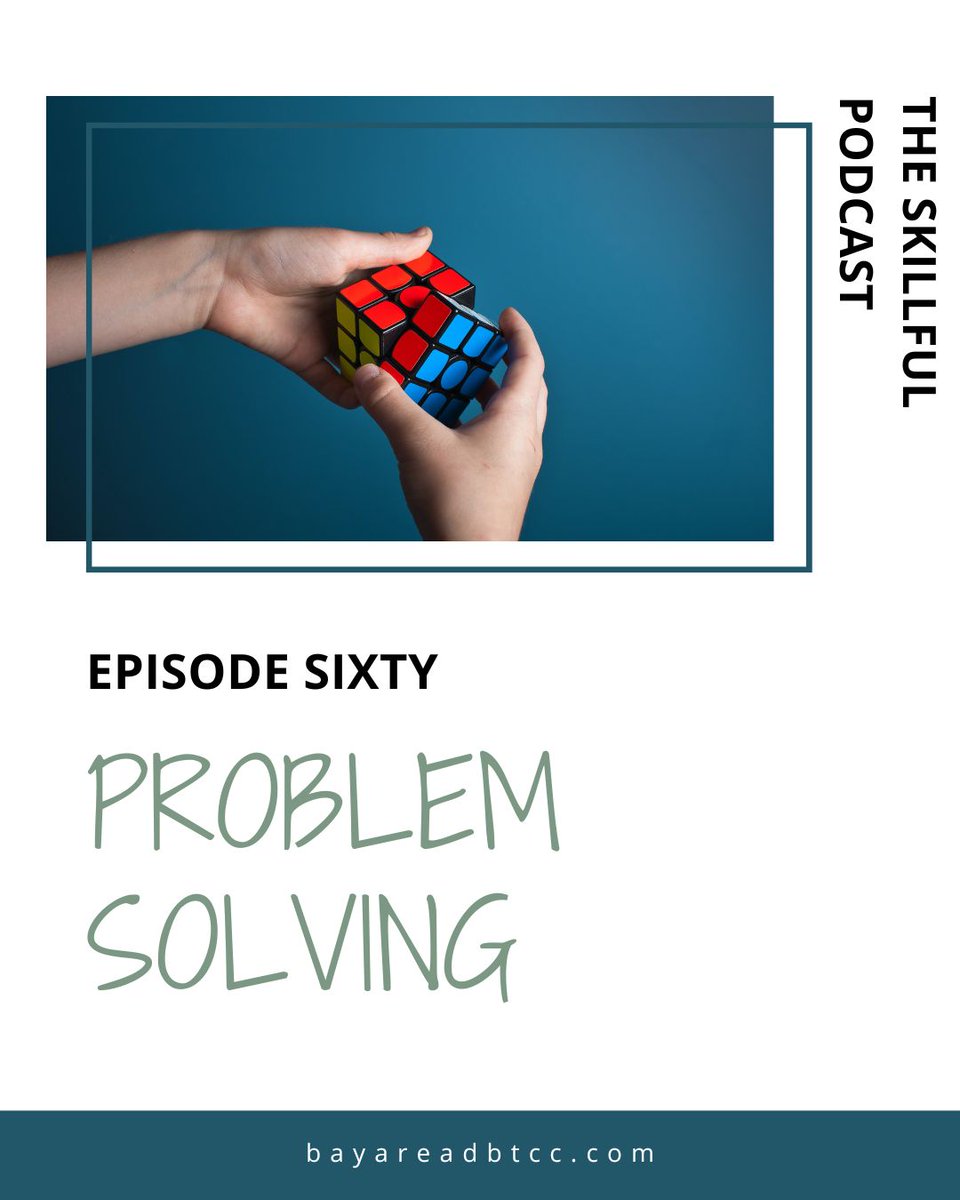
What DBT skill do you use when your emotion fits the facts? One option is to work on changing the facts. The skill of Problem Solving offers a structured framework to help you change situations that cause painful emotions.
https://t.co/ewkLYpY2VM
Today’s episode discusses the DBT skill of Willingness.
Willingness is one of the reality acceptance skills that we teach in Distress Tolerance.
Listen to Episode 59 to learn more about this skill! https://t.co/OM4zQQiEAh
Once you have grasp of DEAR MAN, you might find yourself getting stuck when you try to use it in difficult interactions.
While we can’t force anyone to do anything, we can continue to use our skills to stay as effective as possible during heated moments. https://t.co/oeyWVBrDFa
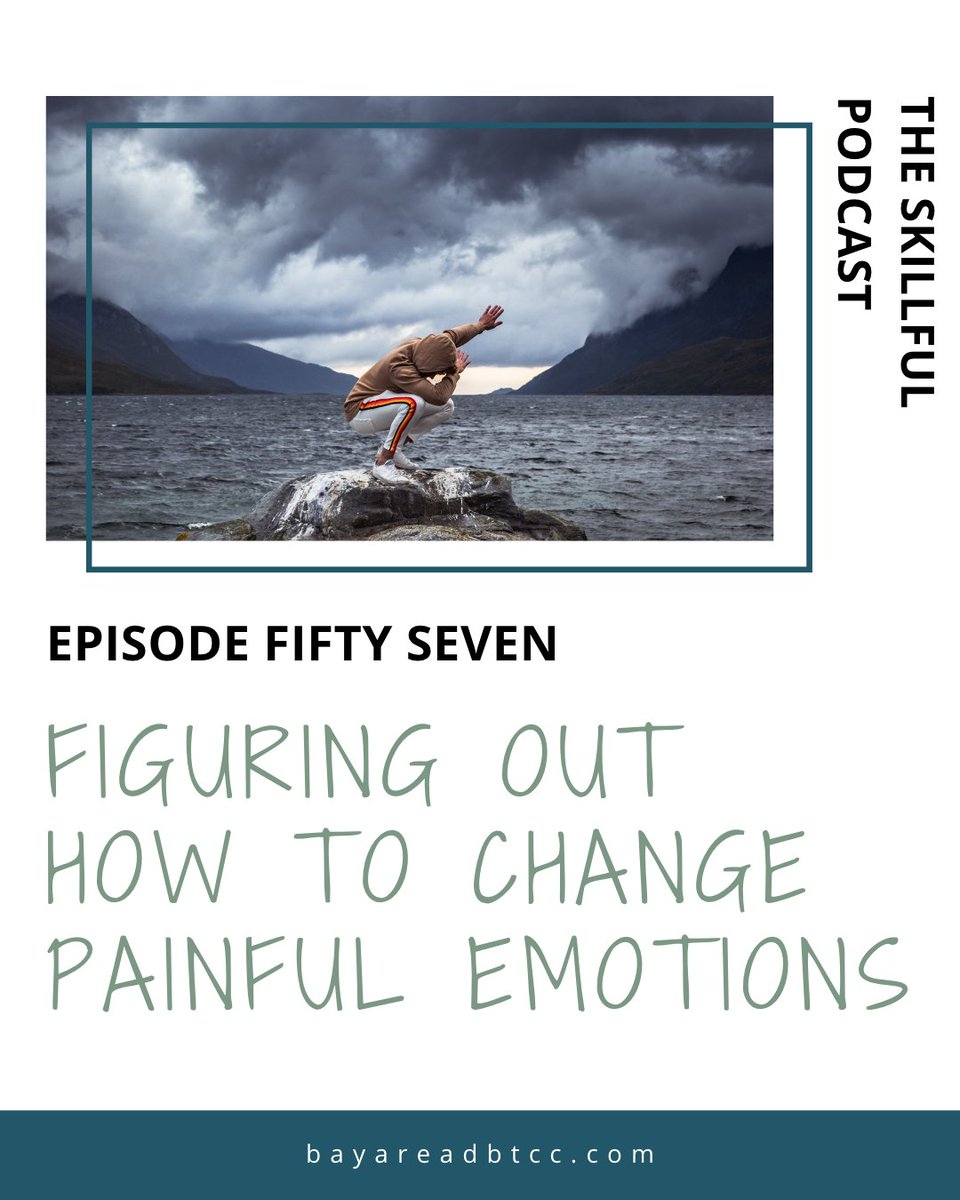
Once you have a grasp of the change-oriented skills in DBT (such as Check the Facts, Opposite Action and Problem Solving) it can be hard to figure out which one to use.
This episode walks you through deciding if and when to act on an unwanted emotion.
https://t.co/VmBV1jBIoI
What does shame feel like to you?
Notice what happens in your body when you feel shame, such as blushing, cowering, or looking away.
Listen to Episode 56 to learn more about coping with shame.
https://t.co/CjF2xMOULN
Shame is a social emotion that motivates us to repair transgressions that might result in us being excluded from a group we belong to. Many of us experience a lot of unjustified shame, where we assume we will be rejected if parts of ourselves are revealed.
https://t.co/CjF2xMOULN
Shame is one of the most painful emotions we can experience.
This episode explores what shame is, when the emotion is useful and when it’s not, and skills to help you cope when shame threatens to overwhelm you.
https://t.co/CjF2xMOULN
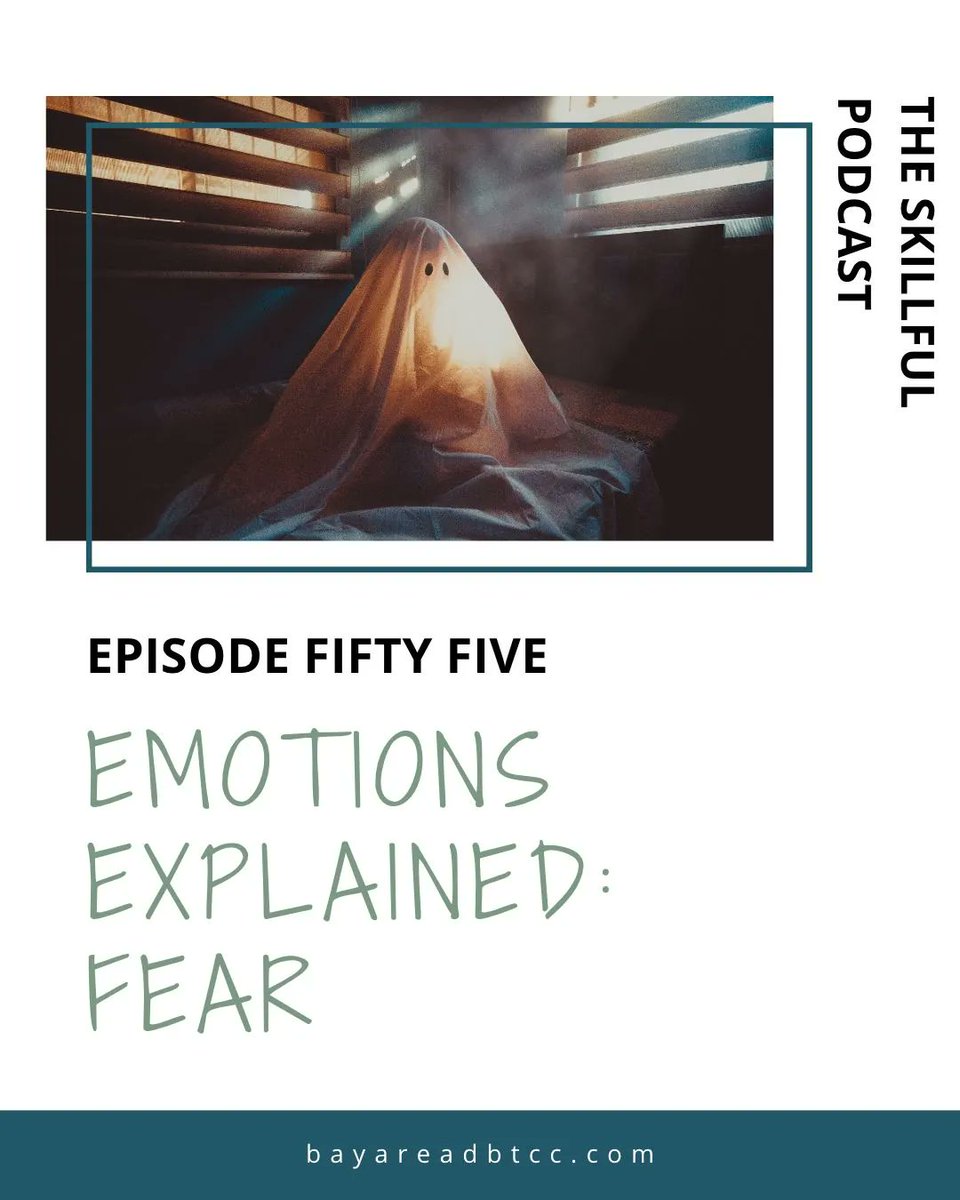
The latest episode of The Skillful Podcast focuses on the emotion of fear. This episode helps you identify fear in all its manifestations and provides tools to help you cope.
Listen to Episode 55 to learn more about responding to fear effectively. https://t.co/ymGubXA14S
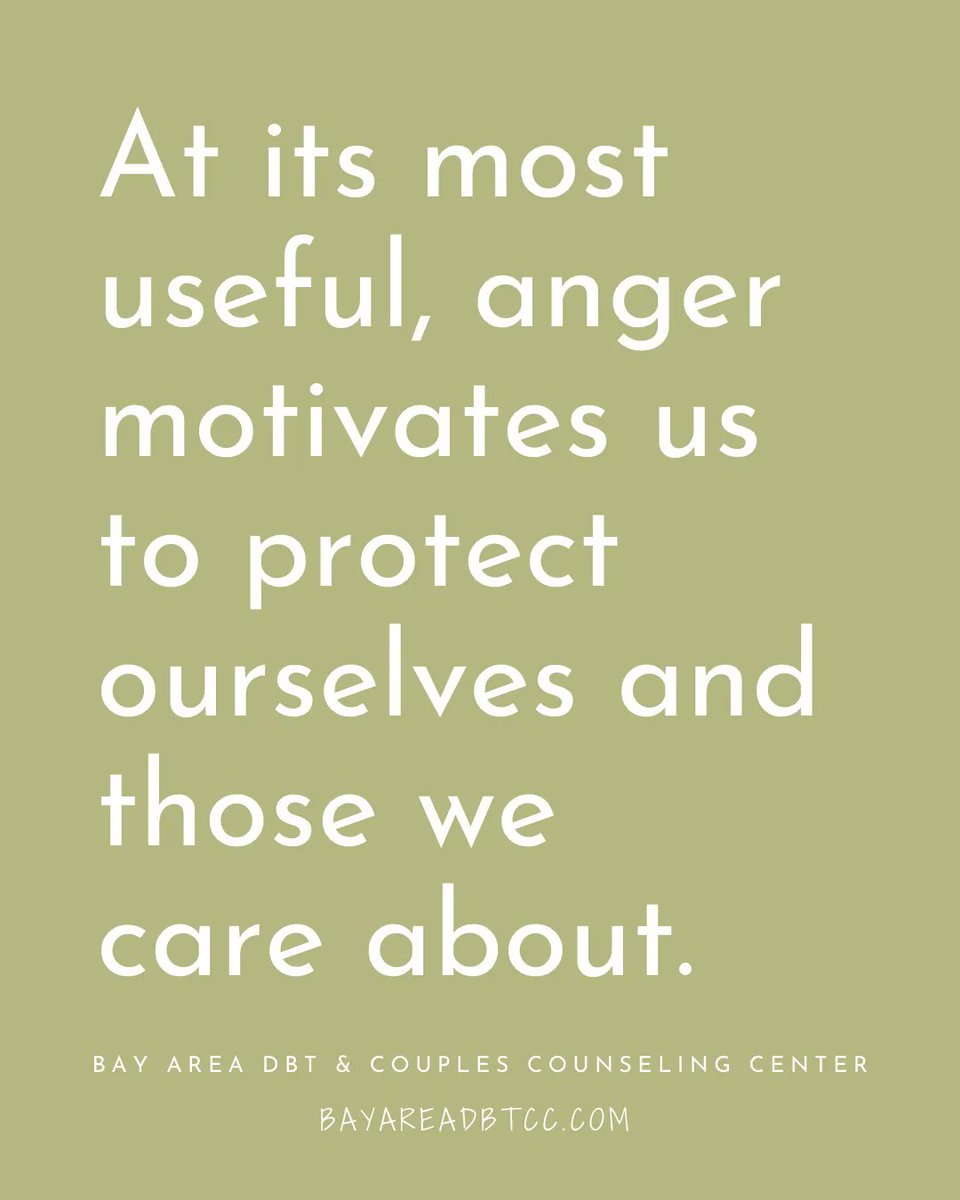
In its most useful form, anger moves us to protect and defend ourselves and those we care about.
Many people, though, find anger frightening because they have witnessed destructive expressions of anger such as emotional or physical violence.
https://t.co/Uqt3GWeaJV
Sometimes anger fits the facts, and sometimes faulty interpretations can intensify anger, making us believe that we are being treated unfairly or that things should be different than they are.
https://t.co/Uqt3GWeaJV
Where did you learn what you believe about anger? Reflecting on your own family of origin experience with anger can be insightful.
This episode unpacks the emotion of anger so you can understand it in yourself and potentially in others.
https://t.co/Uqt3GWeaJV
Anger lets us know that our boundaries have been crossed.
Notice what anger looks like for you: ruminating, crying, shutting down, or something else.
Listen to Episode 54 to learn more about responding to anger effectively.
https://t.co/Uqt3GWeaJV
Many people find anger frightening because they have witnessed destructive expressions of anger such as emotional or physical violence.
This episode unpacks the emotion of anger so you can understand it in yourself and potentially in others.
https://t.co/Uqt3GWeaJV
In this episode, Marielle and Ed discuss anger. In its most useful form, anger moves us to protect and defend ourselves and those we care about.
This episode unpacks the emotion of anger so you can understand it in yourself and potentially in others. https://t.co/Uqt3GWeaJV
When we find ourselves getting caught in extremes, the DBT skill called Walking the Middle Path helps us re-calibrate.
Use this skill when you notice you are caught in binary thinking to find a way to move towards center. https://t.co/UXJKlMaNgl
This episode is an overview of the core Interpersonal Effectiveness skills in DBT, focusing on clarifying objectives, DEAR MAN, GIVE, and FAST.
Listen here: https://t.co/WRkdAPtSgo
This post isnt a replacement for therapy. We are unable to comment on your specific situation.
Resentment can build if you keep pushing down your needs. If you struggle with asking for things, try to act as if you are confident until you actually feel confident.
Listen in to episode 51 for more on how to assert yourself: https://t.co/aiRLIMdwyi
Learning to assert yourself takes practice and self-compassion.
It can be hardest to speak up in our closest relationships because that's where the stakes are highest. Despite what our fears say, speaking up can strengthen relationships if done skillfully.
https://t.co/aiRLIMdwyi
You don't need to apologize for having needs or disagreeing with someone. Remember: be fair to not just the other person, but to yourself as well. If you wait too long to assert yourself, it may come out forcefully when you do.
https://t.co/aiRLIMdwyi